


Tom Gatto
-
Posts
200 -
Joined
-
Last visited
Content Type
Profiles
News
New York Mets Videos
2026 New York Mets Top Prospects Ranking
New York Mets Free Agent & Trade Rumors, Notes, & Tidbits
Guides & Resources
The New York Mets Players Project
2026 New York Mets Draft Tracker: Picks & Bonuses
Forums
Blogs
Events
Store
Downloads
Gallery
Everything posted by Tom Gatto
-
Image courtesy of © Vincent Carchietta-Imagn Images Clay Holmes is working his way back to the major leagues, but not necessarily the New York Mets, after being out for two months with a leg fracture. In other words, it's officially trade season for the veteran right-hander. USA Today’s Bob Nightengale reported over the weekend that the Chicago White Sox are “keeping taps (sic)” on Holmes with his rehab beginning this past weekend and the Aug. 3 MLB trade deadline now two weeks away. Special assistant Nick Hostetler has been assigned to monitor Holmes, according to the report. The White Sox make a lot of sense as a suitor. They’re surprise leaders in the American League Central, but their rotation needs help for the stretch run. The $4 million-plus that Holmes will be owed for the final third of the season would be a worthwhile investment, even if it might give penurious team owner Jerry Reinsdorf heartburn. The White Sox’s top four starters entering Monday were Davis Martin, 29; Sean Burke, 26; former Met Anthony Kay, 31; and rookie Noah Schultz, 22. The “No. 5 starter” was Erick Fedde, 33. who has become almost exclusively a bulk reliever who follows an opener. Speaking of openers, the Sox have used 19 of them this season, essentially a full rotation spot’s worth through 98 games. And while some of the group’s individual ERAs look strong, one collective stat is misleading. The White Sox are second in the majors in fewest runs allowed by starting pitchers, behind only the Milwaukee Brewers, but the starters (which includes all the openers) have thrown the fewest innings. The starters' overall ERA is 4.21, 14th in baseball. Holmes, 33, has averaged 5.85 innings per start this year for the Mets, including his abbreviated outing May 15 when a comebacker by the Yankees’ Spencer Jones broke his right fibula. He has a 2.39 ERA/3.21 FIP in nine starts. With those numbers, he could slot behind Martin at No. 2 in Chicago’s rotation. Now that it’s out there that the White Sox are on the Holmes trail, what could they reasonably offer in a deadline trade? What Framework Will the Mets Seek In A Clay Holmes-White Sox Trade? Overpaying with a top-five prospect doesn’t make sense for the White Sox. First of all, they're still looking to the future after getting into contention a year “early.” Secondly, Holmes may not be at 100 percent when he returns. And lastly, because he's expected to decline his $12 million player option for 2027, he'll more than likely be a pure rental. But if you look at the next tier of Pale Hose prospects, there’s one player who catches the eye: No. 9 William Bergolla Jr. The 21-year-old Bergolla has an offensive profile that screams “BREWERS EAST,” also known as team president David Stearns’ Platonic ideal. He’s elite at making contact, he’s fast, and he’s a willing bunter. He also has one home run in five professional seasons. In 10 games with Triple-A Charlotte this year, he has slashed .457/.525/.571 with two stolen bases and four strikeouts in 43 plate appearances. He has been out since April 9 after suffering a shin bruise in a collision with outfielder Sam Antonacci, but he’s running and hitting now, so a summer return appears likely. Bergolla has a baseball pedigree, too: His father, William, made it to the majors as a middle infielder with the Cincinnati Reds in 2005. Bergolla the son also plays up the middle. The majority of his work has been at shortstop, but he also has 109 games of experience at second base. The White Sox’s middle infield looks set long term with slugger Colson Montgomery at short and contact-heavy Chase Meidroth at second. Miguel Vargas is holding down third base, so a position change is not practical for anyone. New York’s middle infield isn’t open, either but that could change in the near future. Catch-up reps at Triple-A Syracuse in 2027, followed by a stint backing up Marcus Semien and Francisco Lindor, would have Bergolla in position to be a starter if/when the Mets move on from Semien or, though unlikely, Lindor. Recall that Stearns did business with White Sox general manager Chris Getz last January. The roles were reversed then. Getz wanted to move center fielder Luis Robert Jr., a player Stearns had been pursuing for a while. Eventually, Stearns agreed to take on all of Robert’s $20 million salary for 2026 (and his 2027 club option) in exchange for utility player Luisangel Acuña, who no longer had a role in New York, plus minor-league pitcher Truman Pauley. Robert has been out since April with a back injury, while Acuña has become a speed merchant off the bench for the Sox. A deadline trade of Holmes for a middling prospect would be another short-term win for Chicago. For the Mets, Bergolla could turn into a better Acuña. View full article
-
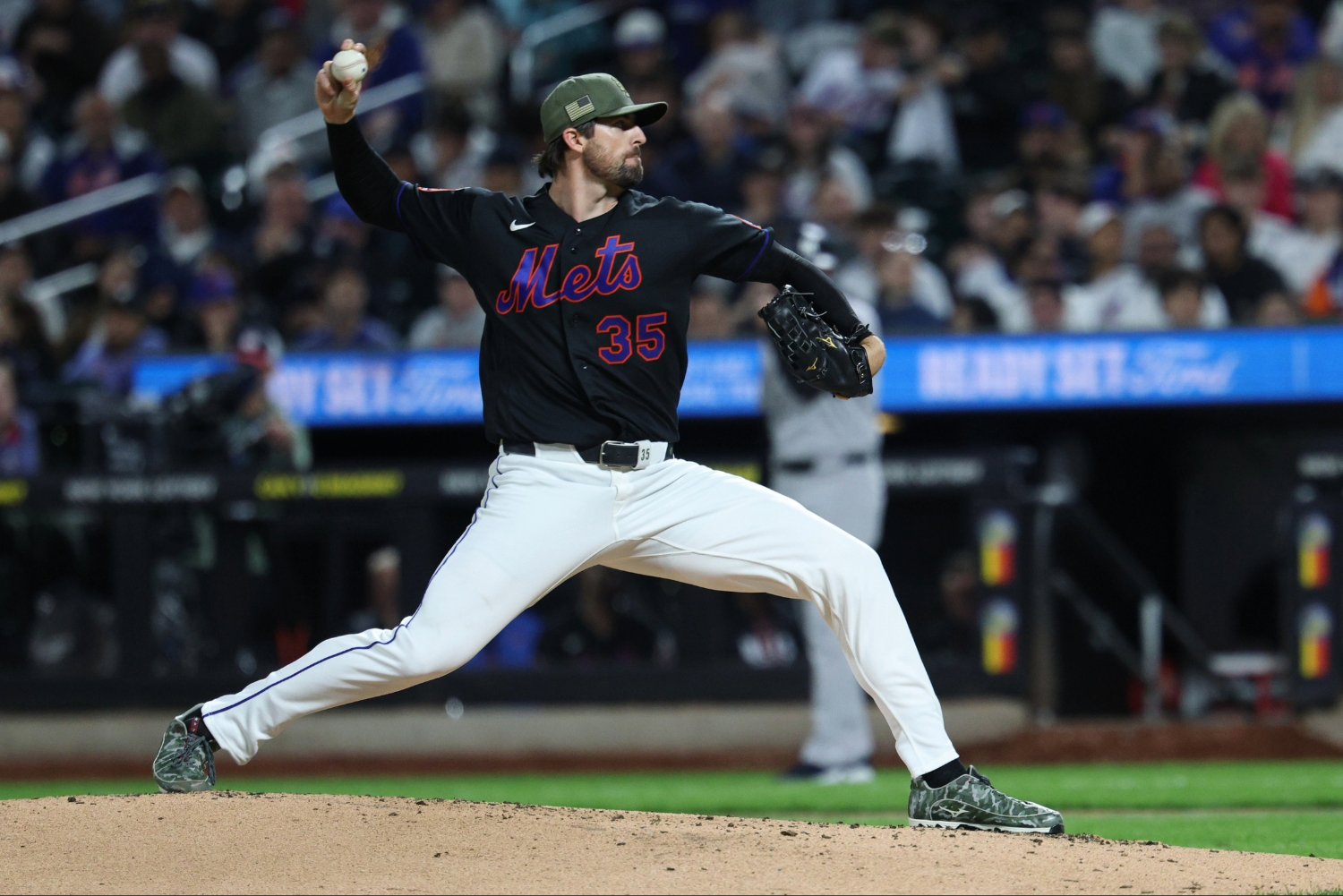 Clay Holmes is working his way back to the major leagues, but not necessarily the New York Mets, after being out for two months with a leg fracture. In other words, it's officially trade season for the veteran right-hander. USA Today’s Bob Nightengale reported over the weekend that the Chicago White Sox are “keeping taps (sic)” on Holmes with his rehab beginning this past weekend and the Aug. 3 MLB trade deadline now two weeks away. Special assistant Nick Hostetler has been assigned to monitor Holmes, according to the report. The White Sox make a lot of sense as a suitor. They’re surprise leaders in the American League Central, but their rotation needs help for the stretch run. The $4 million-plus that Holmes will be owed for the final third of the season would be a worthwhile investment, even if it might give penurious team owner Jerry Reinsdorf heartburn. The White Sox’s top four starters entering Monday were Davis Martin, 29; Sean Burke, 26; former Met Anthony Kay, 31; and rookie Noah Schultz, 22. The “No. 5 starter” was Erick Fedde, 33. who has become almost exclusively a bulk reliever who follows an opener. Speaking of openers, the Sox have used 19 of them this season, essentially a full rotation spot’s worth through 98 games. And while some of the group’s individual ERAs look strong, one collective stat is misleading. The White Sox are second in the majors in fewest runs allowed by starting pitchers, behind only the Milwaukee Brewers, but the starters (which includes all the openers) have thrown the fewest innings. The starters' overall ERA is 4.21, 14th in baseball. Holmes, 33, has averaged 5.85 innings per start this year for the Mets, including his abbreviated outing May 15 when a comebacker by the Yankees’ Spencer Jones broke his right fibula. He has a 2.39 ERA/3.21 FIP in nine starts. With those numbers, he could slot behind Martin at No. 2 in Chicago’s rotation. Now that it’s out there that the White Sox are on the Holmes trail, what could they reasonably offer in a deadline trade? What Framework Will the Mets Seek In A Clay Holmes-White Sox Trade? Overpaying with a top-five prospect doesn’t make sense for the White Sox. First of all, they're still looking to the future after getting into contention a year “early.” Secondly, Holmes may not be at 100 percent when he returns. And lastly, because he's expected to decline his $12 million player option for 2027, he'll more than likely be a pure rental. But if you look at the next tier of Pale Hose prospects, there’s one player who catches the eye: No. 9 William Bergolla Jr. The 21-year-old Bergolla has an offensive profile that screams “BREWERS EAST,” also known as team president David Stearns’ Platonic ideal. He’s elite at making contact, he’s fast, and he’s a willing bunter. He also has one home run in five professional seasons. In 10 games with Triple-A Charlotte this year, he has slashed .457/.525/.571 with two stolen bases and four strikeouts in 43 plate appearances. He has been out since April 9 after suffering a shin bruise in a collision with outfielder Sam Antonacci, but he’s running and hitting now, so a summer return appears likely. Bergolla has a baseball pedigree, too: His father, William, made it to the majors as a middle infielder with the Cincinnati Reds in 2005. Bergolla the son also plays up the middle. The majority of his work has been at shortstop, but he also has 109 games of experience at second base. The White Sox’s middle infield looks set long term with slugger Colson Montgomery at short and contact-heavy Chase Meidroth at second. Miguel Vargas is holding down third base, so a position change is not practical for anyone. New York’s middle infield isn’t open, either but that could change in the near future. Catch-up reps at Triple-A Syracuse in 2027, followed by a stint backing up Marcus Semien and Francisco Lindor, would have Bergolla in position to be a starter if/when the Mets move on from Semien or, though unlikely, Lindor. Recall that Stearns did business with White Sox general manager Chris Getz last January. The roles were reversed then. Getz wanted to move center fielder Luis Robert Jr., a player Stearns had been pursuing for a while. Eventually, Stearns agreed to take on all of Robert’s $20 million salary for 2026 (and his 2027 club option) in exchange for utility player Luisangel Acuña, who no longer had a role in New York, plus minor-league pitcher Truman Pauley. Robert has been out since April with a back injury, while Acuña has become a speed merchant off the bench for the Sox. A deadline trade of Holmes for a middling prospect would be another short-term win for Chicago. For the Mets, Bergolla could turn into a better Acuña.
 -
Jonah TongZach ThorntonJack WenningerRyan CliffordNick MorabitoMitch VoitElian PenaJonathan SantucciChris SueroJacob ReimerWandy AsigenWill WatsonEli Serrano IIIRandy GuzmanAiden RobbinsShane SdaoCarson WigginsAntonio JimenezRyan LambertR.J. Gordon
-
 This sounds familiar: A young New York Mets minor-leaguer is athletic enough to play multiple positions in the middle of the diamond, is a demon on the basepaths, and is learning to slug. Now, I'm not saying that this minor-leaguer, Trey Snyder, is another A.J. Ewing, but he seems to fit the mold. It sure looked that way Sunday. Snyder had a huge all-around game in St. Lucie’s 8-6 win at Palm Beach. He drove in five runs with a single and a home run, finished a double shy of the cycle on a four-hit day, and stole a base. He handled his only chance in center field. The 20-year-old is alternating between center and second base in 2026 (he has pro experience at shortstop, too). The shuttling isn’t hurting his offense. He’s slashing .293/.353/.414 in 135 plate appearances for St. Lucie, although a .366 BABIP indicates luck might be a factor. He has two home runs, 11 extra-base hits, and 13 stolen bases in 16 attempts. He’s producing an 8.9 percent walk rate and a 23.7 percent strikeout rate. His season debut was delayed to May 20 because of an elbow injury. After a short rehab stint with the FCL Mets, he was activated off St. Lucie’s 60-day injured list on June 2. This is his third consecutive season with St. Lucie after being taken by the New York Mets in the fifth round of the 2024 MLB Draft out of Liberty (Missouri) North High School. The former two-way player is much bigger (6-1, 197 pounds) than Ewing (5-10, 160), so this is not a perfect comp. But it’s not that far off, either. Elsewhere on the farm: Syracuse suffered a bullpen meltdown and lost 7-3 to Buffalo. The Bisons broke a 3-3 tie in the ninth with four runs off Ben Simon and Guillo Zuniga. Binghamton fell to Akron 7-3. despite the best efforts of left-hander Jonathan Santucci. The No. 8-ranked prospect on GCM's list struck out 13 in 5 2/3 innings, but allowed five runs (four earned). The Rumble Ponies were outscored 30-6 while being swept in the weekend series. Brooklyn lost a doubleheader to Hudson Valley 14-2 and 5-2. The Cyclones were held to two hits in the nightcap. Four different players drove in runs for them in the twin bill. The FCL Mets were off. The Mets’ three representatives all saw action in Sunday’s Dominican Summer League All-Star Game, won by the American League 7-6. Abner Meza pitched a scoreless third inning, Cleiner Ramirez was 0-for-1 with a walk and a run scored, and Jonnhan Sanchez went 0-for-1. New York Mets Transactions New York Mets sent RHP Dedniel Núñez on a rehab assignment to Syracuse Mets. New York Mets sent SS Zack Short outright to Syracuse Mets. Nightmare Ninth Negates Arroyo’s Homer For Syracuse The Bisons' ninth started with Simon issuing back-to-back walks. A pair of RBI singles followed to make the score 5-3. Zuñiga came on for Simon after the second one. An RBI groundout increased the margin to 6-3, and a fielding error by shortstop Ronny Mauricio on the play extended the inning. The Bisons took advantage with a third RBI single. Syracuse had tied the game 3-3 in the sixth on Christian Arroyo's two-run homer. It was the second time in the game the Mets had rallied to tie. They did it the fifth, as well, with a Nick Morabito RBI single. Robert Stock, promoted from High-A Brooklyn for the next phase of his rehab from thoracic outlet syndrome surgery, started and allowed one run over four innings. He gave up three hits, walked none and struck out three. Tobias Myers gave up a pair of runs in the sixth. Dedniel Núñez pitched a scoreless seventh as his rehab from elbow surgery moved to Syracuse. Player AB R H RBI BB K Jihwan Bae 5 0 0 0 0 0 Nick Morabito 4 0 1 1 0 2 Ronny Mauricio 4 0 1 0 0 0 MJ Melendez 4 0 1 0 0 1 Christopher Morel 4 1 2 0 0 2 Christian Arroyo 4 1 1 2 0 0 Yonny Hernández 4 1 1 0 0 3 Cristian Pache 2 0 0 0 2 0 Hayden Senger 4 0 2 0 0 2 Player IP H R ER BB K HR Robert Stock 4 3 1 1 0 3 1 Tobias Myers 2 2 2 2 1 1 1 Dedniel Núñez 1 1 0 0 0 1 0 Joe Jacques 2/3 0 0 0 0 1 0 Ben Simon 2/3 2 4 4 2 1 0 Guillo Zuñiga 2/3 1 0 0 0 1 0 Santucci Strong, But Binghamton Falls To Akron Santucci recorded 13 of his 17 outs by way of strikeout, but he also allowed six hits, two of which produced three runs in the fifth. He left the game in the sixth trailing 4-0. Carlos Guzman allowed an inherited runner to score, but the defense was mostly responsible. A slow grounder up the middle got through the infield for an RBI single, and center fielder Jose Ramos bobbled the ball to allow a second run to score on the play. The Binghamton defense let Santucci down in the fourth inning with a pair of errors on a steal attempt with runners at the corners. Binghamton’s offense managed only four hits and struck out 13 times, but it showed life in the ninth. Matt Rudick drew a bases-loaded walk, Vincent Perozo hit a sacrifice fly, and Kevin Villavicencio singled home a run to make it 7-3. Player AB R H RBI BB K Chris Suero 3 1 0 0 1 2 Jose Ramos 4 0 1 0 0 2 Nick Lorusso 4 1 2 0 0 0 JT Schwartz 2 1 0 0 1 2 Matt Rudick 3 0 0 1 1 1 Vincent Perozo 3 0 0 1 0 1 Kevin Villavicencio 4 0 1 1 0 1 Jaylen Palmer 4 0 0 0 0 3 Nick Roselli 3 0 0 0 0 1 Player IP H R ER BB K HR Jonathan Santucci 5 2/3 6 5 4 2 13 0 Carlos Guzman 1 1/3 3 1 0 0 2 0 Douglas Orellana 1 0 0 0 1 2 0 Zach Peek 1 2 1 1 1 2 0 Six-Run Fourth Buries Brooklyn In Opener Hudson Valley accepted the charity of reliever Calvin Ziegler, who walked four and threw a run-scoring wild pitch while failing to record an out in the fourth. A bases-clearing triple put the exclamation point on the frame. Ziegler was on for Frank Camarillo, who started and took the loss. He allowed three runs on five hits with one walk and one strikeout over three innings. Brooklyn scored first via Daiverson Gutierrez's RBI double in the second. Hudson Valley answered with three runs in the third on three consecutive run-scoring hits. Brooklyn got one back in the bottom half on Corey Collins' RBI single. Player AB R H RBI BB K Mitch Voit 3 0 0 0 0 0 Yonatan Henriquez 3 0 0 0 0 1 John Bay 3 1 2 0 0 0 Corey Collins 3 0 1 1 0 2 Ronald Hernandez 3 1 1 0 0 1 Daiverson Gutierrez 3 0 1 1 0 1 Yohairo Cuevas 3 0 0 0 0 2 Jamari Baylor 3 0 0 0 0 1 Sam Biller 3 0 0 0 0 2 Player IP H R ER BB K HR Frank Camarillo 3 5 3 3 1 1 0 Calvin Ziegler 0 0 5 4 4 0 0 Bryce Jenkins 1 1 1 1 0 1 0 Josh Blum 1 2 2 2 2 1 0 Hunter Hodges 2/3 1 3 3 4 1 0 Tanner Witt 1 1/3 1 0 0 1 2 0 Cyclones Fail To Capitalize In Game 2 Brooklyn added seven walks to their two hits in the nightcap, but left eight on base in the seven-inning game. The Cyclones' runs scored on a Trace Willhoite bases-loaded walk in the second and Mitch Voit's RBI groundout in the fourth. Jose Chirinos started and took the loss, allowing three runs on four hits with one walk and five strikeouts over five innings. Hudson Valley added two insurance runs in the seventh off Rafi Vazquez. Player AB R H RBI BB K Mitch Voit 4 0 0 1 0 1 Yonatan Henriquez 4 0 0 0 0 0 John Bay 3 0 0 0 1 2 Ronald Hernandez 4 0 0 0 0 1 JT Benson 1 1 1 0 2 0 Daiverson Gutierrez 3 0 0 0 0 1 Jamari Baylor 1 0 0 0 2 0 Colin Houck 2 1 1 0 1 1 Trace Willhoite 2 0 0 1 1 1 Player IP H R ER BB K HR Jose Chirinos 5 4 3 3 1 5 1 Kevin Herget 1 2 0 0 0 1 0 Rafi Vazquez 1 3 2 2 0 0 0 Snyder Drives In Five As St. Lucie Holds Off Palm Beach Snyder was the Mets' offense for most of the first three innings. A two-run single in the first and a three-run homer in the third helped give St. Lucie a 6-0 advantage. Palm Beach made things interesting in the seventh with a solo home run and a grand slam that cut the gap to 8-6. Ernesto Mercedes and Miguel Mejias then combined to get the final eight outs, all via strikeout. Mejias struck out the side in the ninth for his third save. Ethan Lanthier started and struck out four over 2 1/3 scoreless innings, allowing one hit and one walk. Tyler McLoughlin earned the win with 1 2/3 scoreless innings of relief. He struck out three. Rehabbing major-leaguer Mike Tauchman went 2-for-5 with a double and two runs scored, Player AB R H RBI BB K Marco Vargas 2 1 0 0 2 2 Taylor Darden 0 0 0 0 1 0 Antonio Jimenez 5 0 2 0 0 1 Mike Tauchman 5 2 2 0 0 0 Randy Guzman 4 2 1 1 1 1 Trey Snyder 5 2 4 5 0 1 Branny De Oleo 4 1 2 2 1 1 Simon Juan 4 0 1 0 1 2 Jackson Hauge 5 0 0 0 0 1 Francisco Toledo 4 0 1 0 0 1 Julio Zayas 0 0 0 0 0 0 Player IP H R ER BB K HR Ethan Lanthier 2 1/3 1 0 0 1 4 0 Tyler McLoughlin 1 2/3 1 0 0 1 3 0 Jonathan Jimenez 1 0 0 0 0 1 0 Luis Alvarez 1 1/3 2 4 4 2 1 2 Ernesto Mercedes 1 2/3 2 2 2 1 5 1 Miguel Mejias 1 0 0 0 0 3 0 Top-20 Prospect Performance Jonah Tong: DNP Jack Wenninger: DNP Ryan Clifford: DNP Elian Pena: DNP Nick Morabito: 1-for-4, RBI, 2 K Jacob Reimer: DNP Mitch Voit: 0-for-3; 0-for-4, RBI, K Jonathan Santucci: 5 2/3 IP, 6 H, 5 R, 4 ER, 2 BB, 13 K Zach Thornton: MLB Chris Suero: 0-for-3, R, BB, 2 K Will Watson: DNP Wandy Asigen: DNP Eli Serrano III: DNP Randy Guzman: 1-for-4, 2 R, RBI, BB, K Dylan Ross: DNP Ryan Lambert: DNP Antonio Jimenez: 2-for-5, K R.J. Gordon: DNP Jonathan Pintaro: DNP Marco Vargas: 0-for-2, R, 2 BB, 2 K
 -
The 20-year-old is alternating between center and second base in 2026 (he has pro experience at shortstop, too). The shuttling isn’t hurting his offense. He’s slashing .293/.353/.414 in 135 plate appearances for St. Lucie, although a .366 BABIP indicates luck might be a factor. He has two home runs, 11 extra-base hits, and 13 stolen bases in 16 attempts. He’s producing an 8.9 percent walk rate and a 23.7 percent strikeout rate. His season debut was delayed to May 20 because of an elbow injury. After a short rehab stint with the FCL Mets, he was activated off St. Lucie’s 60-day injured list on June 2. This is his third consecutive season with St. Lucie after being taken by the New York Mets in the fifth round of the 2024 MLB Draft out of Liberty (Missouri) North High School. The former two-way player is much bigger (6-1, 197 pounds) than Ewing (5-10, 160), so this is not a perfect comp. But it’s not that far off, either. Elsewhere on the farm: Syracuse suffered a bullpen meltdown and lost 7-3 to Buffalo. The Bisons broke a 3-3 tie in the ninth with four runs off Ben Simon and Guillo Zuniga. Binghamton fell to Akron 7-3. despite the best efforts of left-hander Jonathan Santucci. The No. 8-ranked prospect on GCM's list struck out 13 in 5 2/3 innings, but allowed five runs (four earned). The Rumble Ponies were outscored 30-6 while being swept in the weekend series. Brooklyn lost a doubleheader to Hudson Valley 14-2 and 5-2. The Cyclones were held to two hits in the nightcap. Four different players drove in runs for them in the twin bill. The FCL Mets were off. The Mets’ three representatives all saw action in Sunday’s Dominican Summer League All-Star Game, won by the American League 7-6. Abner Meza pitched a scoreless third inning, Cleiner Ramirez was 0-for-1 with a walk and a run scored, and Jonnhan Sanchez went 0-for-1. New York Mets Transactions New York Mets sent RHP Dedniel Núñez on a rehab assignment to Syracuse Mets. New York Mets sent SS Zack Short outright to Syracuse Mets. Nightmare Ninth Negates Arroyo’s Homer For Syracuse The Bisons' ninth started with Simon issuing back-to-back walks. A pair of RBI singles followed to make the score 5-3. Zuñiga came on for Simon after the second one. An RBI groundout increased the margin to 6-3, and a fielding error by shortstop Ronny Mauricio on the play extended the inning. The Bisons took advantage with a third RBI single. Syracuse had tied the game 3-3 in the sixth on Christian Arroyo's two-run homer. It was the second time in the game the Mets had rallied to tie. They did it the fifth, as well, with a Nick Morabito RBI single. Robert Stock, promoted from High-A Brooklyn for the next phase of his rehab from thoracic outlet syndrome surgery, started and allowed one run over four innings. He gave up three hits, walked none and struck out three. Tobias Myers gave up a pair of runs in the sixth. Dedniel Núñez pitched a scoreless seventh as his rehab from elbow surgery moved to Syracuse. Player AB R H RBI BB K Jihwan Bae 5 0 0 0 0 0 Nick Morabito 4 0 1 1 0 2 Ronny Mauricio 4 0 1 0 0 0 MJ Melendez 4 0 1 0 0 1 Christopher Morel 4 1 2 0 0 2 Christian Arroyo 4 1 1 2 0 0 Yonny Hernández 4 1 1 0 0 3 Cristian Pache 2 0 0 0 2 0 Hayden Senger 4 0 2 0 0 2 Player IP H R ER BB K HR Robert Stock 4 3 1 1 0 3 1 Tobias Myers 2 2 2 2 1 1 1 Dedniel Núñez 1 1 0 0 0 1 0 Joe Jacques 2/3 0 0 0 0 1 0 Ben Simon 2/3 2 4 4 2 1 0 Guillo Zuñiga 2/3 1 0 0 0 1 0 Santucci Strong, But Binghamton Falls To Akron Santucci recorded 13 of his 17 outs by way of strikeout, but he also allowed six hits, two of which produced three runs in the fifth. He left the game in the sixth trailing 4-0. Carlos Guzman allowed an inherited runner to score, but the defense was mostly responsible. A slow grounder up the middle got through the infield for an RBI single, and center fielder Jose Ramos bobbled the ball to allow a second run to score on the play. The Binghamton defense let Santucci down in the fourth inning with a pair of errors on a steal attempt with runners at the corners. Binghamton’s offense managed only four hits and struck out 13 times, but it showed life in the ninth. Matt Rudick drew a bases-loaded walk, Vincent Perozo hit a sacrifice fly, and Kevin Villavicencio singled home a run to make it 7-3. Player AB R H RBI BB K Chris Suero 3 1 0 0 1 2 Jose Ramos 4 0 1 0 0 2 Nick Lorusso 4 1 2 0 0 0 JT Schwartz 2 1 0 0 1 2 Matt Rudick 3 0 0 1 1 1 Vincent Perozo 3 0 0 1 0 1 Kevin Villavicencio 4 0 1 1 0 1 Jaylen Palmer 4 0 0 0 0 3 Nick Roselli 3 0 0 0 0 1 Player IP H R ER BB K HR Jonathan Santucci 5 2/3 6 5 4 2 13 0 Carlos Guzman 1 1/3 3 1 0 0 2 0 Douglas Orellana 1 0 0 0 1 2 0 Zach Peek 1 2 1 1 1 2 0 Six-Run Fourth Buries Brooklyn In Opener Hudson Valley accepted the charity of reliever Calvin Ziegler, who walked four and threw a run-scoring wild pitch while failing to record an out in the fourth. A bases-clearing triple put the exclamation point on the frame. Ziegler was on for Frank Camarillo, who started and took the loss. He allowed three runs on five hits with one walk and one strikeout over three innings. Brooklyn scored first via Daiverson Gutierrez's RBI double in the second. Hudson Valley answered with three runs in the third on three consecutive run-scoring hits. Brooklyn got one back in the bottom half on Corey Collins' RBI single. Player AB R H RBI BB K Mitch Voit 3 0 0 0 0 0 Yonatan Henriquez 3 0 0 0 0 1 John Bay 3 1 2 0 0 0 Corey Collins 3 0 1 1 0 2 Ronald Hernandez 3 1 1 0 0 1 Daiverson Gutierrez 3 0 1 1 0 1 Yohairo Cuevas 3 0 0 0 0 2 Jamari Baylor 3 0 0 0 0 1 Sam Biller 3 0 0 0 0 2 Player IP H R ER BB K HR Frank Camarillo 3 5 3 3 1 1 0 Calvin Ziegler 0 0 5 4 4 0 0 Bryce Jenkins 1 1 1 1 0 1 0 Josh Blum 1 2 2 2 2 1 0 Hunter Hodges 2/3 1 3 3 4 1 0 Tanner Witt 1 1/3 1 0 0 1 2 0 Cyclones Fail To Capitalize In Game 2 Brooklyn added seven walks to their two hits in the nightcap, but left eight on base in the seven-inning game. The Cyclones' runs scored on a Trace Willhoite bases-loaded walk in the second and Mitch Voit's RBI groundout in the fourth. Jose Chirinos started and took the loss, allowing three runs on four hits with one walk and five strikeouts over five innings. Hudson Valley added two insurance runs in the seventh off Rafi Vazquez. Player AB R H RBI BB K Mitch Voit 4 0 0 1 0 1 Yonatan Henriquez 4 0 0 0 0 0 John Bay 3 0 0 0 1 2 Ronald Hernandez 4 0 0 0 0 1 JT Benson 1 1 1 0 2 0 Daiverson Gutierrez 3 0 0 0 0 1 Jamari Baylor 1 0 0 0 2 0 Colin Houck 2 1 1 0 1 1 Trace Willhoite 2 0 0 1 1 1 Player IP H R ER BB K HR Jose Chirinos 5 4 3 3 1 5 1 Kevin Herget 1 2 0 0 0 1 0 Rafi Vazquez 1 3 2 2 0 0 0 Snyder Drives In Five As St. Lucie Holds Off Palm Beach Snyder was the Mets' offense for most of the first three innings. A two-run single in the first and a three-run homer in the third helped give St. Lucie a 6-0 advantage. Palm Beach made things interesting in the seventh with a solo home run and a grand slam that cut the gap to 8-6. Ernesto Mercedes and Miguel Mejias then combined to get the final eight outs, all via strikeout. Mejias struck out the side in the ninth for his third save. Ethan Lanthier started and struck out four over 2 1/3 scoreless innings, allowing one hit and one walk. Tyler McLoughlin earned the win with 1 2/3 scoreless innings of relief. He struck out three. Rehabbing major-leaguer Mike Tauchman went 2-for-5 with a double and two runs scored, Player AB R H RBI BB K Marco Vargas 2 1 0 0 2 2 Taylor Darden 0 0 0 0 1 0 Antonio Jimenez 5 0 2 0 0 1 Mike Tauchman 5 2 2 0 0 0 Randy Guzman 4 2 1 1 1 1 Trey Snyder 5 2 4 5 0 1 Branny De Oleo 4 1 2 2 1 1 Simon Juan 4 0 1 0 1 2 Jackson Hauge 5 0 0 0 0 1 Francisco Toledo 4 0 1 0 0 1 Julio Zayas 0 0 0 0 0 0 Player IP H R ER BB K HR Ethan Lanthier 2 1/3 1 0 0 1 4 0 Tyler McLoughlin 1 2/3 1 0 0 1 3 0 Jonathan Jimenez 1 0 0 0 0 1 0 Luis Alvarez 1 1/3 2 4 4 2 1 2 Ernesto Mercedes 1 2/3 2 2 2 1 5 1 Miguel Mejias 1 0 0 0 0 3 0 Top-20 Prospect Performance Jonah Tong: DNP Jack Wenninger: DNP Ryan Clifford: DNP Elian Pena: DNP Nick Morabito: 1-for-4, RBI, 2 K Jacob Reimer: DNP Mitch Voit: 0-for-3; 0-for-4, RBI, K Jonathan Santucci: 5 2/3 IP, 6 H, 5 R, 4 ER, 2 BB, 13 K Zach Thornton: MLB Chris Suero: 0-for-3, R, BB, 2 K Will Watson: DNP Wandy Asigen: DNP Eli Serrano III: DNP Randy Guzman: 1-for-4, 2 R, RBI, BB, K Dylan Ross: DNP Ryan Lambert: DNP Antonio Jimenez: 2-for-5, K R.J. Gordon: DNP Jonathan Pintaro: DNP Marco Vargas: 0-for-2, R, 2 BB, 2 K View full article
-
Jonah Tong is not making much of a case to rejoin the New York Mets. The right-hander -- No. 1 in Grand Central Mets’ July ranking of the organization’s top 20 minor-league prospects -- has been mediocre to bad since being optioned back to Triple-A Syracuse on June 3. His start Saturday night against Buffalo was typical: five innings, five hits, two runs (both earned), three walks, two strikeouts. He threw 53 of his 89 pitches for strikes (59.6 percent), The offense gave him enough run support for him to qualify him for the win; the final was 15-2. It was his third consecutive start of exactly five innings; including Saturday, he’s averaging 4.71 innings in seven starts since the demotion. His ERA over that span is 6.00. Maybe his innings are being limited as the season goes on, or he’s experimenting in games. But a top prospect not shutting down Triple-A teams on a regular basis is a sign that he’s not ready to come back up. Elsewhere in the organization: Binghamton took another beating from Akron, losing Game 2 of the series 12-3. The Rumble Ponies were blown out 11-0 on Friday. On Saturday, the RubberDucks scored four in the top of the first inning off Danis Correa and Gabriel Rodriguez. Clay Holmes’ scheduled rehab start for Brooklyn was postponed because of rain. Holmes threw a live bullpen session of about 45 pitches instead, MLB.com reported. The rainout will be made up as part of a doubleheader Sunday afternoon. St. Lucie fell behind big early and lost to Palm Beach 7-4. The Cardinals jumped on opener Joel Diaz for three runs in the bottom of the first, although just one of them was earned thanks to center fielder D’Andre Smith committing a three-run error on a single. The FCL Mets were off Saturday. The entire Dominican Summer League was off ahead of its All-Star Game on Sunday. Outfielders Cleiner Ramirez and Jonnhan Sanchez and right-hander Abner Meza were chosen to represent the Mets on the National League squad. Mets Transactions New York Mets sent CF Luis Robert Jr. on a rehab assignment to Syracuse Mets. Melendez Keeps The Power On For Syracuse MJ Melendez hit two more home runs and drove in four in the Mets' rout. His three-run blast in the fifth gave Syracuse a 10-2 lead. He now has homered four times in his last four games and eight times in 12 games overall since being optioned to Triple-A on June 26. The Mets hit four homers in all Saturday. Christoper Morel and Luis Robert Jr. also went deep. Robert is back at Syracuse for more rehab work. He played eight innings in center field. As for the Mets' non-veterans, Yonny Hernández went 3-for-4 with two RBIs, and Nick Morabito reached base four times (three of them walks) and stole two bases. Tong handed the bullpen a big lead, and it responded with four scoreless frames, one each by Dan Hammer, Matt Turner, Dylan Ross, and Matt Seelinger. The quartet combined for seven strikeouts. Player AB R H RBI BB K Luis Robert Jr., CF 5 2 2 2 0 2 Cristian Pache, PH-CF 1 0 0 0 0 0 MJ Melendez, DH 5 3 3 4 1 0 Ronny Mauricio, 3B 5 1 1 1 0 2 Nick Morabito, RF 2 2 1 1 3 0 Ryan Clifford, LF 3 0 0 0 2 2 Christopher Morel, 1B 4 3 2 2 1 1 Yonny Hernández, 2B 4 1 3 2 1 0 Ben Rortvedt, C 5 1 1 1 0 2 Vidal Bruján, SS 4 2 1 1 1 0 Player IP H R ER BB K HR Jonah Tong (W) 5 5 2 2 3 2 0 Dan Hammer 1 1 0 0 1 2 0 Matt Turner 1 1 0 0 0 2 0 Dylan Ross 1 0 0 0 0 1 0 Matt Seelinger 1 1 0 0 1 2 0 Rumble Ponies Beaten Up Again Binghamton has been outscored 23-3 in the first two games of this weekend series. Akron scored its runs Saturday over three, four-run innings, starting with the first frame. Correa got just two outs before being replaced by Rodriguez. A wild pitch and an error contributed to the unraveling. For the game, Binghamton pitchers issued 11 walks to go with eight hits allowed. Brendan Girton walked two before serving up a game-breaking grand slam in the seventh. On the plus side, Rumble Ponies hurlers struck out 13. Nick Lorusso hit his 16th home run of the season, a two-run shot in the bottom of the seventh, for Binghamton. Akron tacked on four in the ninth against Brian Metoyer with a bases-loaded hit by pitch and a three-run triple. Lorusso, Kevin Parada, Jaylen Palmer and Nick Roselli each had two hits in the loss. Player AB R H RBI BB K Jose Ramos, CF 4 0 0 0 1 1 Nick Lorusso, 1B 5 2 2 2 0 2 Kevin Parada, C 4 0 2 0 1 2 Matt Rudick, RF 4 0 1 1 0 2 Vincent Perozo, DH-LF 4 0 0 0 0 2 Wyatt Young, SS 4 0 0 0 0 2 Nick Lucky, 2B-3B 4 0 1 0 0 2 Jaylen Palmer, LF-2B 4 0 2 0 0 0 Nick Roselli, 3B- P 4 1 2 0 0 0 Player IP H R ER BB K HR Danis Correa (L) 2/3 3 4 3 2 0 0 Gabriel Rodriguez 2 0 0 0 2 4 0 Justin Armbruester 1 1/3 0 0 0 1 1 0 Brendan Girton 2 2/3 3 4 4 2 5 1 Garrett Stratton 1 1/3 1 0 0 0 3 0 Brian Metoyer 2/3 1 4 4 3 0 0 Nick Roselli 1/3 0 0 0 1 0 0 Rough First Inning Sinks St. Lucie Most of the damage in the opening frame came from one play. Smith failed to field Brayden Smith's single with two runners on base. Both runners scored, and Smith circled the bases on the error. After St. Lucie answered with two runs in the second on a Chase Meggers RBI single and a Jeremy Rodriguez fielder's choice grounder, Palm Beach pulled away against Christian Rodriguez with single runs in the third and fourth and two runs in the fifth. Antonio Jimenez cut the deficit to 7-3 with a solo homer in the sixth, his sixth round-tripper of the season. Rodriguez added an RBI groundout in the ninth for the final margin. Both of Rodriguez's run-scoring grounders brought in Simon Juan. Rehabbing major-leaguer Mike Tauchman played eight innings in left field and went 0-for-4 at the plate. Player AB R H RBI BB K Elian Peña, SS 4 0 1 0 0 1 D'Andre Smith, CF 4 0 1 0 0 0 Jack Scanlon, 1B 0 0 0 0 0 0 Mike Tauchman, LF 4 0 0 0 1 2 Antonio Jimenez, 3B 4 1 1 1 0 1 Trey Snyder, DH 3 0 2 0 1 1 AJ Salgado, 1B-RF 4 1 0 0 0 1 Simon Juan, CF 3 2 2 0 0 0 Chase Meggers, C 4 0 2 1 0 0 Jeremy Rodriguez, 2B 4 0 0 2 0 0 Player IP H R ER BB K HR Joel Díaz (L) 2/3 2 3 1 1 1 0 Christian Rodriguez 3 1/3 4 4 4 1 3 2 Joe Scarborough 2 0 0 0 1 4 0 Caden Wooster 2 1 0 0 1 4 0 Top-20 Prospect Performance Jonah Tong: 5 IP, 5 H, 2 ER, 3 BB, 2 K (W) Jack Wenninger: DNP Ryan Clifford: 0-for-3, 2 BB, 2 K Elian Pena: 1-for-4, K Nick Morabito: 1-for-2, RBI, 3 BB, 2 SB Jacob Reimer: DNP Mitch Voit: DNP Jonathan Santucci: DNP Zach Thornton: MLB Chris Suero: DNP Will Watson: DNP Wandy Asigen: DNP Eli Serrano III: DNP Randy Guzman: DNP Dylan Ross: 1 IP, 0 H, 0 ER, 0 BB, 1 K Ryan Lambert: DNP Antonio Jimenez: 1-for-4, HR, RBI, K R.J. Gordon: DNP Jonathan Pintaro: DNP Marco Vargas: DNP View full article
-
 Jonah Tong is not making much of a case to rejoin the New York Mets. The right-hander -- No. 1 in Grand Central Mets’ July ranking of the organization’s top 20 minor-league prospects -- has been mediocre to bad since being optioned back to Triple-A Syracuse on June 3. His start Saturday night against Buffalo was typical: five innings, five hits, two runs (both earned), three walks, two strikeouts. He threw 53 of his 89 pitches for strikes (59.6 percent), The offense gave him enough run support for him to qualify him for the win; the final was 15-2. It was his third consecutive start of exactly five innings; including Saturday, he’s averaging 4.71 innings in seven starts since the demotion. His ERA over that span is 6.00. Maybe his innings are being limited as the season goes on, or he’s experimenting in games. But a top prospect not shutting down Triple-A teams on a regular basis is a sign that he’s not ready to come back up. Elsewhere in the organization: Binghamton took another beating from Akron, losing Game 2 of the series 12-3. The Rumble Ponies were blown out 11-0 on Friday. On Saturday, the RubberDucks scored four in the top of the first inning off Danis Correa and Gabriel Rodriguez. Clay Holmes’ scheduled rehab start for Brooklyn was postponed because of rain. Holmes threw a live bullpen session of about 45 pitches instead, MLB.com reported. The rainout will be made up as part of a doubleheader Sunday afternoon. St. Lucie fell behind big early and lost to Palm Beach 7-4. The Cardinals jumped on opener Joel Diaz for three runs in the bottom of the first, although just one of them was earned thanks to center fielder D’Andre Smith committing a three-run error on a single. The FCL Mets were off Saturday. The entire Dominican Summer League was off ahead of its All-Star Game on Sunday. Outfielders Cleiner Ramirez and Jonnhan Sanchez and right-hander Abner Meza were chosen to represent the Mets on the National League squad. Mets Transactions New York Mets sent CF Luis Robert Jr. on a rehab assignment to Syracuse Mets. Melendez Keeps The Power On For Syracuse MJ Melendez hit two more home runs and drove in four in the Mets' rout. His three-run blast in the fifth gave Syracuse a 10-2 lead. He now has homered four times in his last four games and eight times in 12 games overall since being optioned to Triple-A on June 26. The Mets hit four homers in all Saturday. Christoper Morel and Luis Robert Jr. also went deep. Robert is back at Syracuse for more rehab work. He played eight innings in center field. As for the Mets' non-veterans, Yonny Hernández went 3-for-4 with two RBIs, and Nick Morabito reached base four times (three of them walks) and stole two bases. Tong handed the bullpen a big lead, and it responded with four scoreless frames, one each by Dan Hammer, Matt Turner, Dylan Ross, and Matt Seelinger. The quartet combined for seven strikeouts. Player AB R H RBI BB K Luis Robert Jr., CF 5 2 2 2 0 2 Cristian Pache, PH-CF 1 0 0 0 0 0 MJ Melendez, DH 5 3 3 4 1 0 Ronny Mauricio, 3B 5 1 1 1 0 2 Nick Morabito, RF 2 2 1 1 3 0 Ryan Clifford, LF 3 0 0 0 2 2 Christopher Morel, 1B 4 3 2 2 1 1 Yonny Hernández, 2B 4 1 3 2 1 0 Ben Rortvedt, C 5 1 1 1 0 2 Vidal Bruján, SS 4 2 1 1 1 0 Player IP H R ER BB K HR Jonah Tong (W) 5 5 2 2 3 2 0 Dan Hammer 1 1 0 0 1 2 0 Matt Turner 1 1 0 0 0 2 0 Dylan Ross 1 0 0 0 0 1 0 Matt Seelinger 1 1 0 0 1 2 0 Rumble Ponies Beaten Up Again Binghamton has been outscored 23-3 in the first two games of this weekend series. Akron scored its runs Saturday over three, four-run innings, starting with the first frame. Correa got just two outs before being replaced by Rodriguez. A wild pitch and an error contributed to the unraveling. For the game, Binghamton pitchers issued 11 walks to go with eight hits allowed. Brendan Girton walked two before serving up a game-breaking grand slam in the seventh. On the plus side, Rumble Ponies hurlers struck out 13. Nick Lorusso hit his 16th home run of the season, a two-run shot in the bottom of the seventh, for Binghamton. Akron tacked on four in the ninth against Brian Metoyer with a bases-loaded hit by pitch and a three-run triple. Lorusso, Kevin Parada, Jaylen Palmer and Nick Roselli each had two hits in the loss. Player AB R H RBI BB K Jose Ramos, CF 4 0 0 0 1 1 Nick Lorusso, 1B 5 2 2 2 0 2 Kevin Parada, C 4 0 2 0 1 2 Matt Rudick, RF 4 0 1 1 0 2 Vincent Perozo, DH-LF 4 0 0 0 0 2 Wyatt Young, SS 4 0 0 0 0 2 Nick Lucky, 2B-3B 4 0 1 0 0 2 Jaylen Palmer, LF-2B 4 0 2 0 0 0 Nick Roselli, 3B- P 4 1 2 0 0 0 Player IP H R ER BB K HR Danis Correa (L) 2/3 3 4 3 2 0 0 Gabriel Rodriguez 2 0 0 0 2 4 0 Justin Armbruester 1 1/3 0 0 0 1 1 0 Brendan Girton 2 2/3 3 4 4 2 5 1 Garrett Stratton 1 1/3 1 0 0 0 3 0 Brian Metoyer 2/3 1 4 4 3 0 0 Nick Roselli 1/3 0 0 0 1 0 0 Rough First Inning Sinks St. Lucie Most of the damage in the opening frame came from one play. Smith failed to field Brayden Smith's single with two runners on base. Both runners scored, and Smith circled the bases on the error. After St. Lucie answered with two runs in the second on a Chase Meggers RBI single and a Jeremy Rodriguez fielder's choice grounder, Palm Beach pulled away against Christian Rodriguez with single runs in the third and fourth and two runs in the fifth. Antonio Jimenez cut the deficit to 7-3 with a solo homer in the sixth, his sixth round-tripper of the season. Rodriguez added an RBI groundout in the ninth for the final margin. Both of Rodriguez's run-scoring grounders brought in Simon Juan. Rehabbing major-leaguer Mike Tauchman played eight innings in left field and went 0-for-4 at the plate. Player AB R H RBI BB K Elian Peña, SS 4 0 1 0 0 1 D'Andre Smith, CF 4 0 1 0 0 0 Jack Scanlon, 1B 0 0 0 0 0 0 Mike Tauchman, LF 4 0 0 0 1 2 Antonio Jimenez, 3B 4 1 1 1 0 1 Trey Snyder, DH 3 0 2 0 1 1 AJ Salgado, 1B-RF 4 1 0 0 0 1 Simon Juan, CF 3 2 2 0 0 0 Chase Meggers, C 4 0 2 1 0 0 Jeremy Rodriguez, 2B 4 0 0 2 0 0 Player IP H R ER BB K HR Joel Díaz (L) 2/3 2 3 1 1 1 0 Christian Rodriguez 3 1/3 4 4 4 1 3 2 Joe Scarborough 2 0 0 0 1 4 0 Caden Wooster 2 1 0 0 1 4 0 Top-20 Prospect Performance Jonah Tong: 5 IP, 5 H, 2 ER, 3 BB, 2 K (W) Jack Wenninger: DNP Ryan Clifford: 0-for-3, 2 BB, 2 K Elian Pena: 1-for-4, K Nick Morabito: 1-for-2, RBI, 3 BB, 2 SB Jacob Reimer: DNP Mitch Voit: DNP Jonathan Santucci: DNP Zach Thornton: MLB Chris Suero: DNP Will Watson: DNP Wandy Asigen: DNP Eli Serrano III: DNP Randy Guzman: DNP Dylan Ross: 1 IP, 0 H, 0 ER, 0 BB, 1 K Ryan Lambert: DNP Antonio Jimenez: 1-for-4, HR, RBI, K R.J. Gordon: DNP Jonathan Pintaro: DNP Marco Vargas: DNP
 -
Neither team would score again until the 10th. Joel Lara started and got through 4 2/3 innings. He allowed two runs on four hits, walking three and striking out five. Elwis Mijares was the pitching star of the night as he worked a scoreless seventh, eighth and ninth. He fanned three, walked none and allowed two hits. Miguel Mejias struck out two in the 10th for his second save. Player AB R H RBI BB K Antonio Jimenez 3 0 0 0 0 0 Elian Peña 4 1 2 1 0 1 Trey Snyder 4 0 0 0 0 1 Randy Guzman 3 1 2 1 1 0 Julio Zayas 3 0 0 0 1 1 AJ Salgado 4 1 1 0 0 1 Branny De Oleo 3 0 0 0 0 1 Chase Meggers 3 0 0 1 0 2 Jeremy Rodriguez 3 0 1 0 1 0 Player IP H R ER BB K HR Joel Lara 4 2/3 4 2 2 3 5 1 Zack Mack 1 1/3 1 0 0 1 2 0 Elwis Mijares 3 2 0 0 0 3 0 Miguel Mejias 1 0 0 0 0 2 0 Top-20 Prospect Performance Jonah Tong: DNP Jack Wenninger: DNP Ryan Clifford: 0-for-4, BB, K Elian Pena: 2-for-4, HR, K Nick Morabito: 0-for-4 Jacob Reimer: DNP Mitch Voit: 3-for-4, BB, 3 SB Jonathan Santucci: DNP Zach Thornton: MLB Chris Suero: 1-for-4, K Will Watson: DNP Wandy Asigen: 0-for-4, K Eli Serrano III: DNP Randy Guzman: 2-for-3, HR, BB Dylan Ross: DNP Ryan Lambert: DNP Antonio Jimenez: 0-for-3, HBP R.J. Gordon: 4 1/3 IP, 7 H, 6 R, 4 BB, 5 K Jonathan Pintaro: 1 1/3 IP, 1 H, 0 R, 2 BB Marco Vargas: DNP View full article
-
 The New York Mets wrapped up their 2026 MLB Draft a week ago, but the talk of the town is last year; it looks as if their first selection in the 2025 draft was a good one. Mitch Voit (No. 7 in Grand Central Mets' ranking of the club's top 20 prospects) is holding down shortstop and the top of the batting order for the High-A Brooklyn Cyclones in his first full pro season. In the Cyclones' 4-0 triumph over the Hudson Valley Renegades on Friday, he handled both chores extremely well. At the plate, he had three hits, an RBI, a run scored, a walk and three stolen bases. In the field, he contributed to the shutout with this sparkling defensive play. Voit, 21, was taken 38th overall by the Mets out of the University of Michigan, signing for a $1.75 million bonus. He was a two-way player for the Wolverines before undergoing an internal brace procedure on his right elbow in July 2024. He played third, first and second in his three years at UM, but at Brooklyn, he's getting a long look at short, with 53 starts there to 16 at second. His offense is coming along. Through Friday, he has a .772 OPS with 11 home runs, he's 34-for-39 in steal attempts, his walk rate is a strong 11.3 percent, and his strikeout rate is an acceptable 20.1 percent. Those numbers and his draft position should push him to Double-A Binghamton no later than 2027. Elsewhere on the farm: Syracuse fell to Buffalo 7-5 after Joey Gerber allowed a tie-breaking two-run home run to Davis Schneider in the top of the ninth. MJ Melendez tied the game for the Mets in the bottom of the eighth with a solo homer. Binghamton stumbled out of the All-Star break with an 11-0 loss to Akron. The Rumble Ponies’ offense managed just two singles and struck out 14 times, while starter R.J. Gordon got roughed up by the RubberDucks. St. Lucie edged Palm Beach 3-2 in 10 innings. Chase Meggers’ sacrifice fly in the top of the 10th drove home A.J. Salgado with the go-ahead run. Elian Pena and Randy Guzman homered for the Mets’ other runs. The FCL Mets fell to the FCL Cardinals 3-2. Yovanny Rodriguez homered in the sixth for the Mets’ first run. Jean Brito started and took the loss. He allowed three runs (two earned) and two hits over four innings, walking two and striking out one. DSL Mets Blue got a big day at the plate from Johnderis Sanchez (2-for-3, three RBIs, two runs scored, two walks) in an 8-7 loss to DSL Colorado. Sanchez hit a two-run homer in the ninth to cut the Mets’ deficit to one. DSL Mets Orange pitchers struck out 15, but walked 13, in an 8-2 loss to the DSL Mariners. A seven-run third inning for the Mariners put the Mets in too deep a hole. Alvaro Carrillo and Olmedo Barria combined to allow just one run (unearned) and strike out nine over the final six innings. Mets Transactions No Roster Moves Syracuse Chases, Then Stumbles Against Buffalo The Mets fell behind early, used the home run to stay close, and then lost via the long ball. Ronny Mauricio hit a two-run shot in the third to cut Buffalo's lead to 3-2. Christopher Morel delivered his own two-run blast in the sixth to trim the Bisons' lead to 5-4. Melendez's homer briefly got the Mets all the way back. Syracuse starter Jack Weisenburger was ineffective. He allowed five runs on seven hits in 3 1/3 innings, walking one and striking out two. The bullpen held Buffalo scoreless until Gerber gave it up in the ninth. Luis Robert Jr. played nine innings in center field as his rehab assignment continued . He reached base three times with a double and two walks. This was his fourth game for Syracuse, to go with three games for Double-A Binghamton. Overall, he's slashing .308/.400/.462 in 30 plate appearances. Player AB R H RBI BB K Luis Robert Jr. 3 1 1 0 2 0 Ryan Clifford 4 0 0 0 1 1 Ronny Mauricio 5 1 2 2 0 2 Nick Morabito 4 0 0 0 0 0 MJ Melendez 4 2 3 1 0 1 Christopher Morel 4 1 2 2 0 0 Jihwan Bae 4 0 0 0 0 0 Christian Arroyo 4 0 0 0 0 2 Hayden Senger 4 0 0 0 0 2 Player IP H R ER BB K HR Jack Weisenburger 3 1/3 7 5 5 1 2 1 Jonathan Pintaro 1 1/3 1 0 0 2 0 0 Ofreidy Gómez 1/3 0 0 0 0 0 0 Nate Lavender 1 0 0 0 0 1 0 Daniel Duarte 1 0 0 0 0 3 0 Jefry Yan 1 0 0 0 1 2 0 Joey Gerber 1 2 2 2 0 2 1 Binghamton Blown Out By Akron Gordon gave up a three-run homer to Jacob Cozart in the first and a two-run dinger to Alex Mooney in the fourth to put his team in a 5-0 hole. Overall, he allowed six runs on seven hits in 4 1/3 innings, walking four and striking out five. His record stands at 1-6 and his ERA is 6.96 after the loss. Akron added on against relievers Douglas Orellana in the sixth and Saul Garcia in the eighth. Binghamton's hitters were invisible against four Akron pitchers. Chris Suero and Jose Ramos had the Rumble Ponies' hits, both singles. To add insult to insult, Ramos was caught stealing. Binghamton managed just one walk, by JT Schwartz. Player AB R H RBI BB K Chris Suero 4 0 1 0 0 1 Jose Ramos 3 0 1 0 0 1 Nick Lorusso 3 0 0 0 0 2 JT Schwartz 2 0 0 0 1 2 Kevin Parada 3 0 0 0 0 2 Matt Rudick 2 0 0 0 0 0 Wyatt Young 3 0 0 0 0 2 Nick Lucky 3 0 0 0 0 3 Kevin Villavicencio 3 0 0 0 0 1 Player IP H R ER BB K HR R.J. Gordon 4 1/3 7 6 6 4 5 2 Douglas Orellana 2/3 2 3 3 2 1 0 Felipe De La Cruz 2 1 0 0 0 3 0 Saul Garcia 1 2 2 2 3 0 1 Zach Peek 1 1 0 0 0 2 0 Hall Bulks Up In Brooklyn's Shutout Win Noah Hall threw six innings of one-hit relief as the Cyclones extended their winning streak to five games. Brooklyn is 12-9 in the second half and 1.5 games behind first-place Greensboro in the South Atlantic League North. Hall entered in the second, following opener Luis R. Rodriguez. He walked two and struck out five as he threw 52 of his 81 pitches for strikes. Juan Arnaud and Parker Carlson each worked a scoreless inning to close out Brooklyn's seventh shutout of the season. This was Hall's second bulk outing in his last three appearances. He has yet to allow run in the role. He threw 5 1/3 innings of one-hit, shutout ball on June 25. Voit got the Cyclones' offense going in the third. He led off with a walk and scored on a triple by John Bay. Corey Collins followed with an RBI single to make it 2-0. in the sixth, Voit singled home Trace Willhoite with two outs in the sixth to put Brooklyn up 3-0. Daiverson Gutierrez completed the scoring with a sacrifice fly in the seventh. Player AB R H RBI BB K Mitch Voit 4 1 3 1 1 0 Yonatan Henriquez 5 0 1 0 0 1 John Bay 5 2 3 1 0 1 Corey Collins 4 0 2 1 0 0 Ronald Hernandez 3 0 0 0 1 1 Daiverson Gutierrez 3 0 1 1 0 0 JT Benson 3 0 0 0 1 2 Colin Houck 4 0 0 0 0 2 Trace Willhoite 3 1 0 0 1 0 Player IP H R ER BB K HR Luis R. Rodriguez 1 0 0 0 0 1 0 Noah Hall 6 1 0 0 2 5 0 Juan Arnaud 1 1 0 0 0 2 0 Parker Carlson 1 0 0 0 2 0 0 St. Lucie Plays Small Ball To Get The Win St. Lucie pushed across the go-ahead run in the 10th without a hit. Salgado began the inning on second as the ghost runner. Branny De Oleo moved him to third with a sacrifice bunt, and Meggers brought him home with the sac fly. Peña tied the game 2-2 in the third with his fourth home run of the season, a mammoth solo shot to right field. Neither team would score again until the 10th. Joel Lara started and got through 4 2/3 innings. He allowed two runs on four hits, walking three and striking out five. Elwis Mijares was the pitching star of the night as he worked a scoreless seventh, eighth and ninth. He fanned three, walked none and allowed two hits. Miguel Mejias struck out two in the 10th for his second save. Player AB R H RBI BB K Antonio Jimenez 3 0 0 0 0 0 Elian Peña 4 1 2 1 0 1 Trey Snyder 4 0 0 0 0 1 Randy Guzman 3 1 2 1 1 0 Julio Zayas 3 0 0 0 1 1 AJ Salgado 4 1 1 0 0 1 Branny De Oleo 3 0 0 0 0 1 Chase Meggers 3 0 0 1 0 2 Jeremy Rodriguez 3 0 1 0 1 0 Player IP H R ER BB K HR Joel Lara 4 2/3 4 2 2 3 5 1 Zack Mack 1 1/3 1 0 0 1 2 0 Elwis Mijares 3 2 0 0 0 3 0 Miguel Mejias 1 0 0 0 0 2 0 Top-20 Prospect Performance Jonah Tong: DNP Jack Wenninger: DNP Ryan Clifford: 0-for-4, BB, K Elian Pena: 2-for-4, HR, K Nick Morabito: 0-for-4 Jacob Reimer: DNP Mitch Voit: 3-for-4, BB, 3 SB Jonathan Santucci: DNP Zach Thornton: MLB Chris Suero: 1-for-4, K Will Watson: DNP Wandy Asigen: 0-for-4, K Eli Serrano III: DNP Randy Guzman: 2-for-3, HR, BB Dylan Ross: DNP Ryan Lambert: DNP Antonio Jimenez: 0-for-3, HBP R.J. Gordon: 4 1/3 IP, 7 H, 6 R, 4 BB, 5 K Jonathan Pintaro: 1 1/3 IP, 1 H, 0 R, 2 BB Marco Vargas: DNP
 -
Gutierrez followed with a pop-fly single just inside the left-field line to bring in Collins with the final run of the inning.. Parker Carlson earned the win with 1 2/3 scoreless innings of relief. Bryce Jenkins struck out two in a scoreless ninth for his first save. Nicolas Carreno pitched 4 1/3 innings in relief of starter Frank Camarillo, allowing three runs (two earned) and striking out six. Player AB R H RBI BB K Mitch Voit 3 0 0 0 1 1 Yonatan Henriquez 4 1 0 0 0 0 John Bay 3 1 0 0 1 0 Corey Collins 3 2 1 0 1 1 Ronald Hernandez 4 1 2 1 0 1 Daiverson Gutierrez 4 0 2 2 0 1 Jamari Baylor 4 0 1 0 0 0 Yohairo Cuevas 2 0 0 0 1 0 Sam Biller 3 0 0 0 0 0 Player IP H R ER BB K HR Frank Camarillo 2 1 0 0 0 2 0 Nicolas Carreno 4 1/3 4 3 2 3 6 0 Parker Carlson 1 2/3 1 0 0 0 1 0 Bryce Jenkins 1 0 0 0 0 2 0 Early Comeback Lifts St. Lucie Past Jupiter St. Lucie wiped out a 2-0 deficit with its big third inning. Simon Juan and Jeremy Rodriguez singled to get it started. Juan scored as Jupiter failed to get an out on a fielder's choice grounder to short by Antonio Jimenez (No. 17 prospect). Rehabbing big-leaguer Mike Tauchman was hit by a pitch to load the bases. Peña doubled home Rodriguez and Jimenez to put the Mets up 3-2. Two batters later, Zayas singled in Tauchman and Peña for a 5-2 lead. Juan added an RBI single in the fifth and a sacrifice fly in the seventh. Rodriguez capped the scoring with an RBI single in the ninth. The only damage against Lopez was a PJ Morlando two-run homer in the second. Ernesto Mercedes, Joe Scarborough, Tyler McLoughlin, and Miguel Mejias combined for four scoreless innings and six strikeouts in relief. Player AB R H RBI BB K Antonio Jimenez 5 1 0 1 0 2 Mike Tauchman 3 1 1 0 1 1 Elian Peña 5 1 2 2 0 0 Trey Snyder 5 0 0 0 0 1 Julio Zayas 4 2 2 2 1 0 AJ Salgado 2 0 1 0 3 0 Branny De Oleo 3 1 1 0 1 0 Simon Juan 4 1 2 2 0 1 Jeremy Rodriguez 5 1 2 1 0 1 Player IP H R ER BB K HR Jose Lopez 5 2 2 2 2 2 1 Ernesto Mercedes 1 0 0 0 2 2 0 Joe Scarborough 1 0 0 0 0 0 0 Tyler McLoughlin 1 0 0 0 2 2 0 Miguel Mejias 1 2 0 0 0 2 0 Top-20 Prospect Performance Jonah Tong: DNP Jack Wenninger: DNP Ryan Clifford: DNP Elian Peña: 2-for-5, 2B, 2 RBI Nick Morabito: DNP Jacob Reimer: DNP Mitch Voit: 0-for-3, BB, K, SB Jonathan Santucci: DNP Zach Thornton: MLB Chris Suero: 2-for-4, 2B, HR, 3 RBI, BB, 2 K Will Watson: DNP Wandy Asigen: DNP Eli Serrano III: DNP Randy Guzman: DNP Dylan Ross: DNP Ryan Lambert: DNP Antonio Jimenez: 0-for-5, RBI, 2 K R.J. Gordon: DNP Jonathan Pintaro: DNP Marco Vargas: DNP View full article
-
 Ryan Clifford has had a subpar offensive season at Triple-A, but he was the best the New York Mets' organization had to offer for this year's MLB All-Star Futures Game. Clifford -- No. 3 on Grand Central Mets' list of the club;s top 20 minor-league prospects -- was New York's lone representative Sunday at Citizens Bank Park in Philadelphia. He came on for the National League at first base in the fifth inning, in place of Colorado Rockies prospect Charlie Condon. He walked in his only plate appearance as he finished the seven-inning contest. Clifford's first-half stat line didn't support the selection. He slashed .196/.283/.395 with 16 home runs in 354 plate appearances for Syracuse. His 70 wRC+ was just over half the 137 he posted between Syracuse and Double-A Binghamton last season. He struck out at a 36.4 percent clip and walked 10.7 percent of the time. His track record as a slugger no doubt played a role in his selection. He'll be back with Syracuse when the second half begins Friday, still waiting for that first call-up to New York. First base is his path to the Show right now. The Mets are using Jared Young (106 wRC+) and Eric Wagaman (98 wRC+) there for the time being. The outfield is set with Juan Soto, A.J. Ewing and Carson Benge. Switch-hitting Jorge Polanco is the primary designated hitter. A quick look at Sunday's results for the full-season affiliates: Binghamton downed Hartford 10-5. New York second baseman Marcus Semien popped a three-run home run in the first game of a rehab assignment. Chris Suero (No. 10 prospect) hit a three-run homer of his own. Brooklyn rallied for three runs in the eighth inning to beat Wilmington 5-3. Ronald Hernandez's infield single proved decisive. Mitch Voit (No. 7 prospect) collected his 31st stolen base of the season. St. Lucie scored five runs in the third and went on to rout Jupiter 8-2. Elian Peña (No. 4 prospect) and Julio Zayas each drove in two runs in the frame. Jose Lopez went five innings to earn the win. Syracuse's game at Norfolk was canceled because of wet grounds. The host Tides said that the game will not be made up. Mets Transactions New York Mets released CF Jared Oliva. New York Mets sent RHP Matt Seelinger outright to Syracuse Mets. Semien Begins Rehab With Big Game For Binghamton Semien got three at-bats and played five innings in the field Sunday. His blast in the fourth put Binghamton up 5-1.. The 35-year-old infielder has been on the major-league injured list since June 25 because of a left hip flexor strain. Rehabbing New York center fielder Luis Robert Jr. (disc herniation in his back) singled just ahead of Semien's homer to break a 1-1 tie. He went 2-for-6 with an RBI and two runs scored, and played eight innings in the field. Suero's 12th homer of the season turned the game into a blowout in the sixth. Reliever Zach Peek was credited with the win. He allowed a run over two innings. Player AB R H RBI BB K Luis Robert Jr. 6 2 2 1 0 3 Nick Roselli 0 0 0 0 0 0 Marcus Semien 3 1 2 3 0 1 Nick Lucky 3 1 1 0 0 1 Chris Suero 4 2 2 3 1 2 Jose Ramos 4 1 2 0 1 2 Nick Lorusso 5 0 1 1 0 0 JT Schwartz 3 2 1 0 2 0 Kevin Parada 3 0 0 0 2 0 Matt Rudick 4 0 1 1 1 1 Wyatt Young 3 1 0 1 2 1 Player IP H R ER BB K HR Danis Correa 2 2 0 0 0 4 0 Zach Peek 2 3 1 1 1 2 0 Brendan Girton 3 4 4 4 2 3 2 Justin Armbruester 1 1 0 0 0 2 0 Carlos Guzman 1 2 0 0 0 3 0 Cyclones Rally Late, Topple Wilmington Brooklyn used a pair of soft hits and Wilmington mistakes to erase a 3-2 deficit. The winning rally began when Yonatan Henriquez reached on an error. John Bay and Corey Collins walked to load the bases with one out. Hernandez's slow bouncer to first base brought in Henriquez, and when the throw went awry, Bay came around to score as well. Gutierrez followed with a pop-fly single just inside the left-field line to bring in Collins with the final run of the inning.. Parker Carlson earned the win with 1 2/3 scoreless innings of relief. Bryce Jenkins struck out two in a scoreless ninth for his first save. Nicolas Carreno pitched 4 1/3 innings in relief of starter Frank Camarillo, allowing three runs (two earned) and striking out six. Player AB R H RBI BB K Mitch Voit 3 0 0 0 1 1 Yonatan Henriquez 4 1 0 0 0 0 John Bay 3 1 0 0 1 0 Corey Collins 3 2 1 0 1 1 Ronald Hernandez 4 1 2 1 0 1 Daiverson Gutierrez 4 0 2 2 0 1 Jamari Baylor 4 0 1 0 0 0 Yohairo Cuevas 2 0 0 0 1 0 Sam Biller 3 0 0 0 0 0 Player IP H R ER BB K HR Frank Camarillo 2 1 0 0 0 2 0 Nicolas Carreno 4 1/3 4 3 2 3 6 0 Parker Carlson 1 2/3 1 0 0 0 1 0 Bryce Jenkins 1 0 0 0 0 2 0 Early Comeback Lifts St. Lucie Past Jupiter St. Lucie wiped out a 2-0 deficit with its big third inning. Simon Juan and Jeremy Rodriguez singled to get it started. Juan scored as Jupiter failed to get an out on a fielder's choice grounder to short by Antonio Jimenez (No. 17 prospect). Rehabbing big-leaguer Mike Tauchman was hit by a pitch to load the bases. Peña doubled home Rodriguez and Jimenez to put the Mets up 3-2. Two batters later, Zayas singled in Tauchman and Peña for a 5-2 lead. Juan added an RBI single in the fifth and a sacrifice fly in the seventh. Rodriguez capped the scoring with an RBI single in the ninth. The only damage against Lopez was a PJ Morlando two-run homer in the second. Ernesto Mercedes, Joe Scarborough, Tyler McLoughlin, and Miguel Mejias combined for four scoreless innings and six strikeouts in relief. Player AB R H RBI BB K Antonio Jimenez 5 1 0 1 0 2 Mike Tauchman 3 1 1 0 1 1 Elian Peña 5 1 2 2 0 0 Trey Snyder 5 0 0 0 0 1 Julio Zayas 4 2 2 2 1 0 AJ Salgado 2 0 1 0 3 0 Branny De Oleo 3 1 1 0 1 0 Simon Juan 4 1 2 2 0 1 Jeremy Rodriguez 5 1 2 1 0 1 Player IP H R ER BB K HR Jose Lopez 5 2 2 2 2 2 1 Ernesto Mercedes 1 0 0 0 2 2 0 Joe Scarborough 1 0 0 0 0 0 0 Tyler McLoughlin 1 0 0 0 2 2 0 Miguel Mejias 1 2 0 0 0 2 0 Top-20 Prospect Performance Jonah Tong: DNP Jack Wenninger: DNP Ryan Clifford: DNP Elian Peña: 2-for-5, 2B, 2 RBI Nick Morabito: DNP Jacob Reimer: DNP Mitch Voit: 0-for-3, BB, K, SB Jonathan Santucci: DNP Zach Thornton: MLB Chris Suero: 2-for-4, 2B, HR, 3 RBI, BB, 2 K Will Watson: DNP Wandy Asigen: DNP Eli Serrano III: DNP Randy Guzman: DNP Dylan Ross: DNP Ryan Lambert: DNP Antonio Jimenez: 0-for-5, RBI, 2 K R.J. Gordon: DNP Jonathan Pintaro: DNP Marco Vargas: DNP
 -
The Ponies scored six more after that play en route to a 9-2 victory. Parada's small ball made a big difference. That's what organizational players need to do. As for the rest of the system on Saturday: Syracuse lost, 3-2, at Norfolk. The Mets scored both their runs in the top of the ninth, but stranded the tying run at first base after Christopher Morel's RBI single cut the margin to one. Daiverson Gutierrez delivered a walk-off single in the bottom of the ninth as Brooklyn edged Wilmington, 2-1. Daviel Hurtado lowered his ERA with the Cyclones to 1.79 with 4 2/3 innings of one-run ball.. St. Lucie got five scoreless innings from Emilio Obispo in its 4-1 victory at Jupiter. His ERA is down to 1.82 for the Mets. Mike Tauchman went 1-for-3 with an RBI and a run scored in a rehab game. The FCL Mets lost, 3-0, to the FCL Cardinals. Jean Brito took the loss despite allowing one hit and striking out six in four innings. DSL Mets Blue was held to one hit in a 5-0 loss to the DSL Marlins. Henry Manrique's single in the first was the lone safety. DSL Mets Orange outscored DSL Giants Black, 10-6, thanks to 11 walks. Oscar Montero and Olmedo Barria combined for seven innings of one-hit ball with eight strikeouts. New York Mets Transactions New York Mets released CF Jared Oliva. New York Mets sent RHP Matt Seelinger outright to Syracuse Mets. Weisenburger Sharp For Syracuse Jack Weisenburger gave the Mets a solid start, striking out eight and allowing just a solo home run over four innings. On the down side, he walked three. Ryan Lambert followed him and was ineffective. He gave up two runs in two-thirds of an inning. Two of the three walks he issued came around to score. Dedniel Núñez took another positive step in his rehab from elbow surgery with two hitless innings. In the top of the ninth, MJ Melendez led with a walk and moved to third on Christian Arroyo's double. Yonny Hernández grounded out to bring home Melendez, and Morel singled home Arroyo to cut the deficit to 3-2. Hayden Senger was called out on strikes, and Cristian Pache popped out in foul territory to end the game. Player AB R H RBI BB K Nick Morabito 4 0 0 0 0 0 Ronny Mauricio 4 0 0 0 0 1 MJ Melendez 2 1 1 0 2 1 Christian Arroyo 4 1 1 0 0 0 Yonny Hernández 4 0 1 1 0 0 Christopher Morel 4 0 2 1 0 1 Hayden Senger 4 0 0 0 0 1 Cristian Pache 4 0 0 0 0 3 Vidal Bruján 3 0 1 0 0 0 Player IP H R ER BB K HR Jack Weisenburger 4 2 1 1 3 8 1 Ryan Lambert 2/3 0 2 2 3 0 0 Joey Gerber 1 1/3 0 0 0 0 1 0 Dedniel Núñez 2 0 0 0 1 0 0 Binghamton Pours It On Late; Santucci Strong The ninth inning began with Lorusso reaching on a fielding error and JT Schwartz drawing a walk. After Parada's bunt broke the tie, Matt Rudick followed with another sac bunt. Nick Lucky was then walked intentionally to load the bases. Jaylen Palmer cleared them with a three-run double, Suero followed with an RBI single, and Lorusso capped the outburst with an RBI double. Jonathan Santucci put together a second consecutive quality start -- two earned runs over six innings with eight strikeouts -- but the 2024 second-round pick couldn't protect a 1-0 lead after Kevin Villavicencio hit a solo homer for in the third. Wyatt Young tied the game in the eighth with an RBI double that scored Rudick. Player AB R H RBI BB K Chris Suero 5 1 1 1 0 3 Nick Lorusso 4 1 1 1 1 0 JT Schwartz 2 1 0 0 2 2 Kevin Parada 5 1 1 0 0 1 Matt Rudick 1 1 0 0 2 0 Wyatt Young 3 1 1 1 1 2 Nick Lucky 4 1 1 1 0 1 Kevin Villavicencio 4 1 1 1 0 2 Jaylen Palmer 3 1 1 3 1 1 Player IP H R ER BB K HR Jonathan Santucci 6 4 2 1 1 8 0 Garrett Stratton 2 0 0 0 0 2 0 Brian Metoyer 1 1 0 0 0 3 0 Gutierrez Walks It Off For Brooklyn The teams traded runs in the third inning, and the game stayed tied until Gutierrez's single brought home Ronald Hernandez with the winning run in the bottom of the ninth. Hernandez was hit by a pitch to lead off the inning and moved up to second on Corey Collins' single. Sam Biller drove in the Cyclones' run in the third. Brooklyn's bullpen kept the game within reach. Juan Arnaud worked 1 1/3 hitless innings, Cristofer Gomez struck out three over two scoreless innings, and Ryan Dollar worked a scoreless ninth to earn the win. Player AB R H RBI BB K Mitch Voit 4 0 0 0 0 0 John Bay 4 0 0 0 0 0 Ronald Hernandez 2 1 1 0 1 1 Corey Collins 3 0 1 0 1 0 JT Benson 4 0 1 0 0 1 Daiverson Gutierrez 4 0 1 1 0 0 Colin Houck 3 0 0 0 0 2 Jamari Baylor 2 1 1 0 1 0 Sam Biller 3 0 1 1 0 0 Player IP H R ER BB K HR Daviel Hurtado 4 2/3 4 1 1 3 4 1 Juan Arnaud 1 1/3 0 0 0 1 0 0 Cristofer Gomez 2 2 0 0 0 3 0 Ryan Dollar 1 1 0 0 0 1 0 Early Runs Propel St. Lucie To Win The Mets jumped on the Hammerheads for three runs in the top of the first. Elian Peña led off with a single, Tauchman doubled him home, and Trey Snyder followed with a two-run home run, his first of the season, to make it 3-0. Julio Zayas added a solo home run in the third to push the lead to 4-0. Jupiter scored its run in the eighth off reliever Zack Mack. Throwing errors by Peña and Chase Meggers, the latter on a steal attempt, made it unearned. Mack allowed three hits in his 2 1/3 innings of work. Elwis Mijares retired the side in order in the ninth for the save. Player AB R H RBI BB K Elian Peña 5 1 1 0 0 2 Mike Tauchman 3 1 1 1 1 0 Taylor Darden 1 0 0 0 0 1 Trey Snyder 4 1 2 2 0 1 Julio Zayas 4 1 1 1 0 2 Chase Meggers 3 0 0 0 1 0 Branny De Oleo 4 0 1 0 0 0 Simon Juan 2 0 0 0 2 2 Jeremy Rodriguez 4 0 0 0 0 0 Francisco Toledo 3 0 0 0 1 0 Player IP H R ER BB K HR Emilio Obispo 5 4 0 0 3 6 0 Calvin Ziegler 2/3 1 0 0 2 1 0 Zack Mack 2 1/3 3 1 0 0 1 0 Elwis Mijares 1 0 0 0 0 0 0 Top-20 Prospect Performance Jonah Tong: DNP Jack Wenninger: DNP Ryan Clifford: DNP Elian Pena: 1-for-5, 2 K Nick Morabito: 0-for-4 Jacob Reimer: DNP Mitch Voit: 0-for-4 Jonathan Santucci: 6 IP, 4 H, 2 R, 1 ER, 1 BB, 8 K Zach Thornton: DNP Chris Suero: 1-for-5, RBI, 3 K Will Watson: DNP Wandy Asigen: DNP Eli Serrano III: DNP Randy Guzman: DNP Dylan Ross: DNP Ryan Lambert: 2/3 IP, 0 H, 2 R, 2 ER, 3 BB Antonio Jimenez: DNP R.J. Gordon: DNP Jonathan Pintaro: DNP Marco Vargas: DNP View full article
-
 Kevin Parada's professional career is a reminder on this MLB Draft weekend that even high picks are lottery tickets and most of them aren't winners. He looked like a foundational piece four years ago when the New York Mets selected him 11th overall out of Georgia Tech, but now, he's organizational depth. Another bat-first player, Francisco Alvarez, overtook him as the major-league club's catcher of the future. In 2026, Parada is playing a fourth season at Double-A at age 24. He's sporting a career-worst .621 OPS between Binghamton and Triple-A Syracuse. His power has disappeared, with one homer in 235 plate appearances. He's splitting time with Chris Suero at catcher and DH. His days on the Top 20 list are over. At this point, he needs to do the little things -- like, say, drop down a bunt. Which he did in the ninth inning of a tie game Saturday night in Hartford. The bunt was a beauty, and it got even better when the throw to first base went past the bag. Nick Lorusso alertly scored from third on the error, giving Binghamton the lead. The Ponies scored six more after that play en route to a 9-2 victory. Parada's small ball made a big difference. That's what organizational players need to do. As for the rest of the system on Saturday: Syracuse lost, 3-2, at Norfolk. The Mets scored both their runs in the top of the ninth, but stranded the tying run at first base after Christopher Morel's RBI single cut the margin to one. Daiverson Gutierrez delivered a walk-off single in the bottom of the ninth as Brooklyn edged Wilmington, 2-1. Daviel Hurtado lowered his ERA with the Cyclones to 1.79 with 4 2/3 innings of one-run ball.. St. Lucie got five scoreless innings from Emilio Obispo in its 4-1 victory at Jupiter. His ERA is down to 1.82 for the Mets. Mike Tauchman went 1-for-3 with an RBI and a run scored in a rehab game. The FCL Mets lost, 3-0, to the FCL Cardinals. Jean Brito took the loss despite allowing one hit and striking out six in four innings. DSL Mets Blue was held to one hit in a 5-0 loss to the DSL Marlins. Henry Manrique's single in the first was the lone safety. DSL Mets Orange outscored DSL Giants Black, 10-6, thanks to 11 walks. Oscar Montero and Olmedo Barria combined for seven innings of one-hit ball with eight strikeouts. New York Mets Transactions New York Mets released CF Jared Oliva. New York Mets sent RHP Matt Seelinger outright to Syracuse Mets. Weisenburger Sharp For Syracuse Jack Weisenburger gave the Mets a solid start, striking out eight and allowing just a solo home run over four innings. On the down side, he walked three. Ryan Lambert followed him and was ineffective. He gave up two runs in two-thirds of an inning. Two of the three walks he issued came around to score. Dedniel Núñez took another positive step in his rehab from elbow surgery with two hitless innings. In the top of the ninth, MJ Melendez led with a walk and moved to third on Christian Arroyo's double. Yonny Hernández grounded out to bring home Melendez, and Morel singled home Arroyo to cut the deficit to 3-2. Hayden Senger was called out on strikes, and Cristian Pache popped out in foul territory to end the game. Player AB R H RBI BB K Nick Morabito 4 0 0 0 0 0 Ronny Mauricio 4 0 0 0 0 1 MJ Melendez 2 1 1 0 2 1 Christian Arroyo 4 1 1 0 0 0 Yonny Hernández 4 0 1 1 0 0 Christopher Morel 4 0 2 1 0 1 Hayden Senger 4 0 0 0 0 1 Cristian Pache 4 0 0 0 0 3 Vidal Bruján 3 0 1 0 0 0 Player IP H R ER BB K HR Jack Weisenburger 4 2 1 1 3 8 1 Ryan Lambert 2/3 0 2 2 3 0 0 Joey Gerber 1 1/3 0 0 0 0 1 0 Dedniel Núñez 2 0 0 0 1 0 0 Binghamton Pours It On Late; Santucci Strong The ninth inning began with Lorusso reaching on a fielding error and JT Schwartz drawing a walk. After Parada's bunt broke the tie, Matt Rudick followed with another sac bunt. Nick Lucky was then walked intentionally to load the bases. Jaylen Palmer cleared them with a three-run double, Suero followed with an RBI single, and Lorusso capped the outburst with an RBI double. Jonathan Santucci put together a second consecutive quality start -- two earned runs over six innings with eight strikeouts -- but the 2024 second-round pick couldn't protect a 1-0 lead after Kevin Villavicencio hit a solo homer for in the third. Wyatt Young tied the game in the eighth with an RBI double that scored Rudick. Player AB R H RBI BB K Chris Suero 5 1 1 1 0 3 Nick Lorusso 4 1 1 1 1 0 JT Schwartz 2 1 0 0 2 2 Kevin Parada 5 1 1 0 0 1 Matt Rudick 1 1 0 0 2 0 Wyatt Young 3 1 1 1 1 2 Nick Lucky 4 1 1 1 0 1 Kevin Villavicencio 4 1 1 1 0 2 Jaylen Palmer 3 1 1 3 1 1 Player IP H R ER BB K HR Jonathan Santucci 6 4 2 1 1 8 0 Garrett Stratton 2 0 0 0 0 2 0 Brian Metoyer 1 1 0 0 0 3 0 Gutierrez Walks It Off For Brooklyn The teams traded runs in the third inning, and the game stayed tied until Gutierrez's single brought home Ronald Hernandez with the winning run in the bottom of the ninth. Hernandez was hit by a pitch to lead off the inning and moved up to second on Corey Collins' single. Sam Biller drove in the Cyclones' run in the third. Brooklyn's bullpen kept the game within reach. Juan Arnaud worked 1 1/3 hitless innings, Cristofer Gomez struck out three over two scoreless innings, and Ryan Dollar worked a scoreless ninth to earn the win. Player AB R H RBI BB K Mitch Voit 4 0 0 0 0 0 John Bay 4 0 0 0 0 0 Ronald Hernandez 2 1 1 0 1 1 Corey Collins 3 0 1 0 1 0 JT Benson 4 0 1 0 0 1 Daiverson Gutierrez 4 0 1 1 0 0 Colin Houck 3 0 0 0 0 2 Jamari Baylor 2 1 1 0 1 0 Sam Biller 3 0 1 1 0 0 Player IP H R ER BB K HR Daviel Hurtado 4 2/3 4 1 1 3 4 1 Juan Arnaud 1 1/3 0 0 0 1 0 0 Cristofer Gomez 2 2 0 0 0 3 0 Ryan Dollar 1 1 0 0 0 1 0 Early Runs Propel St. Lucie To Win The Mets jumped on the Hammerheads for three runs in the top of the first. Elian Peña led off with a single, Tauchman doubled him home, and Trey Snyder followed with a two-run home run, his first of the season, to make it 3-0. Julio Zayas added a solo home run in the third to push the lead to 4-0. Jupiter scored its run in the eighth off reliever Zack Mack. Throwing errors by Peña and Chase Meggers, the latter on a steal attempt, made it unearned. Mack allowed three hits in his 2 1/3 innings of work. Elwis Mijares retired the side in order in the ninth for the save. Player AB R H RBI BB K Elian Peña 5 1 1 0 0 2 Mike Tauchman 3 1 1 1 1 0 Taylor Darden 1 0 0 0 0 1 Trey Snyder 4 1 2 2 0 1 Julio Zayas 4 1 1 1 0 2 Chase Meggers 3 0 0 0 1 0 Branny De Oleo 4 0 1 0 0 0 Simon Juan 2 0 0 0 2 2 Jeremy Rodriguez 4 0 0 0 0 0 Francisco Toledo 3 0 0 0 1 0 Player IP H R ER BB K HR Emilio Obispo 5 4 0 0 3 6 0 Calvin Ziegler 2/3 1 0 0 2 1 0 Zack Mack 2 1/3 3 1 0 0 1 0 Elwis Mijares 1 0 0 0 0 0 0 Top-20 Prospect Performance Jonah Tong: DNP Jack Wenninger: DNP Ryan Clifford: DNP Elian Pena: 1-for-5, 2 K Nick Morabito: 0-for-4 Jacob Reimer: DNP Mitch Voit: 0-for-4 Jonathan Santucci: 6 IP, 4 H, 2 R, 1 ER, 1 BB, 8 K Zach Thornton: DNP Chris Suero: 1-for-5, RBI, 3 K Will Watson: DNP Wandy Asigen: DNP Eli Serrano III: DNP Randy Guzman: DNP Dylan Ross: DNP Ryan Lambert: 2/3 IP, 0 H, 2 R, 2 ER, 3 BB Antonio Jimenez: DNP R.J. Gordon: DNP Jonathan Pintaro: DNP Marco Vargas: DNP
 -
Stock has made 57 big-league appearances, including two in 2025 for the Boston Red Sox. Now healthy and getting results, he looks like someone who could help a staff in the second half this year. As for the rest of the system on Friday: Syracuse rallied to beat Norfolk, 3-2, in a game shortened to seven innings because of rain. MJ Melendez's go-ahead homer in the sixth was the difference. Binghamton fell, 7-2, to Hartford. Luis Robert Jr. homered and played eight innings in center field in another rehab game for the Rumble Ponies. St. Lucie lost, 4-3, to Jupiter. Jackson Hauge hit his first professional home run and Conner Ware struck out seven over four innings of relief. DSL Mets Blue lost, 18-4, to DSL Colorado. Henry Manrique homered and starter Anderson Ozuna threw 1 2/3 scoreless innings. DSL Mets Orange lost, 4-3, to the DSL Tigers. Yadier Fuentes went deep in the loss. Maxgregori Harvey allowed one hit and struck out five over three innings. Mets Transactions New York Mets placed 1B Mark Vientos on the 10-day injured list. Right hand fracture. New York Mets designated RHP Dan Hammer for assignment. New York Mets recalled RHP Tobias Myers from Syracuse Mets. New York Mets selected the contract of SS Zack Short from Syracuse Mets. Melendez, Morel Power Syracuse Comeback Melendez's solo homer proved to be decisive after the game was called early. The outfielder/DH now has five home runs in nine games since being optioned to Triple-A in late June. Christopher Morel got Syracuse's comeback from a 2-0 deficit started with a solo blast to lead off the fifth. The Mets tied the game later in the inning as Jihwan Bae grounded into a double play. Jack Wenninger started and went 4 2/3 innings, allowing two runs on five hits, walking four and striking out two. Felipe De La Cruz worked a scoreless inning, and Ben Simon got a four-out save after the rains hit. Player AB R H RBI BB K Jihwan Bae, 2B 3 0 0 0 1 1 Nick Morabito, CF 4 0 0 0 0 1 MJ Melendez, DH 3 1 1 1 0 2 Christian Arroyo, 3B 3 0 0 0 0 1 Ryan Clifford, RF 3 0 0 0 0 2 Christopher Morel, 1B 2 1 1 1 1 0 Ben Rortvedt, C 2 1 0 0 1 0 Cristian Pache, LF 3 0 2 0 0 1 Vidal Bruján, SS 1 0 0 0 2 0 Player IP H R ER BB K HR Jack Wenninger 4 2/3 5 2 2 2 4 0 Felipe De La Cruz 1 2 0 0 0 0 0 Ben Simon 1 1/3 1 0 0 0 1 0 Robert Gets His Work In For Binghamton Luis Robert Jr. got through his second rehab appearance for the Rumble Ponies without incident. His homer in the eighth completed the scoring. He also had a single in a 2-for-3 night. He still has not played on back-to-back days as the organization brings him back slowly from a disc herniation in his back. Binghamton fell behind, 7-0, after five innings. Starter Bryce Conley allowed six runs and six hits over 3 1/3 innings. He walked four and struck out four. The Rumble Ponies got on the board with an unearned run in the sixth. Jose Ramos scored as Matt Rudick reached on a fielding error with two outs. Gabriel Rodriguez was a bright spot with two scoreless innings of relief. Player AB R H RBI BB K Luis Robert Jr., CF 3 1 2 1 0 0 Jose Ramos, RF 3 1 0 0 1 3 JT Schwartz, 1B 4 0 2 0 0 0 Matt Rudick, DH 4 0 0 0 0 0 Vincent Perozo, C 4 0 0 0 0 1 Wyatt Young, SS 3 0 0 0 1 3 Nick Lucky, LF 4 0 0 0 0 0 Kevin Villavicencio, 3B 3 0 0 0 0 1 Nick Roselli, 2B 3 0 0 0 0 1 Player IP H R ER BB K HR Bryce Conley 3 1/3 6 6 6 4 4 0 Douglas Orellana 1 2/3 2 1 1 1 1 0 Gabriel Rodriguez 2 0 0 0 2 1 0 Carlos Guzman 1 1 0 0 0 1 0 Stock Sets The Tone, Cyclones Strike Early For a second night in a row, the pitching staff threatened to throw a no-hitter. Stock, Bryce Jenkins, Kevin Herget, and Hunter Hodges combined for 6 1/3 hitless innings. A one-out single off Hodges in the seventh broke up the bid. Brooklyn was one out away from a no-no on Thursday. The Cyclones took the lead for good in the second on an RBI double by Colin Houck and an RBI single by Jamari Baylor, both with two out. John Bay scored on a wild pitch in the fourth to make it 3-0. Wilmington got its only run in the eighth against Gregori Louis, who allowed two hits and two walks in the inning. Tanner Witt struck out two in a scoreless ninth to close it out. Brooklyn pitchers combined for 15 strikeouts. Player AB R H RBI BB K Yonatan Henriquez, 3B 4 0 0 0 0 1 Ronald Hernandez, C 4 0 0 0 0 2 Corey Collins, DH 4 0 1 0 0 2 John Bay, CF 4 2 2 0 0 1 JT Benson, LF 3 0 1 0 0 1 Yohairo Cuevas, RF 2 0 0 0 1 2 Colin Houck, SS 3 1 1 1 0 1 Jamari Baylor, 2B 2 0 1 1 1 0 Trace Willhoite, 1B 3 0 0 0 0 2 Player IP H R ER BB K HR Robert Stock 3 1/3 0 0 0 0 8 0 Bryce Jenkins 2/3 0 0 0 0 0 0 Kevin Herget 2 0 0 0 1 2 0 Hunter Hodges 1 1 0 0 0 2 0 Gregori Louis 1 2 1 1 2 1 0 Tanner Witt 1 0 0 0 0 2 0 Late St. Lucie Rally Comes Up Short St. Lucie fell behind, 4-0, after six innings. It got two runs back in the eighth, on an errant pickoff throw and an RBI single by Chase Meggers, to cut the deficit to 4-2. Hague's solo homer with two outs provided the final margin. Ware piggybacked off starter Ethan Lanthier, who allowed two runs on four hits over three innings. Ware surrendered a solo home run in the fourth and a run-scoring wild pitch in the sixth. The latter run was unearned thanks to a throwing error by catcher Francisco Toledo on a stolen base. Miguel Mejias struck out two in a scoreless inning of relief. Meggers finished 2-for-4 as St. Lucie managed just five hits in the game. Player AB R H RBI BB K Antonio Jimenez, 2B 2 0 0 0 0 1 Branny De Oleo, 2B 1 1 0 0 1 1 Elian Peña, SS 3 1 1 0 1 1 Chase Meggers, 1B 4 0 2 1 0 1 Simon Juan, CF 3 0 0 0 1 2 AJ Salgado, DH 4 0 0 0 0 2 Francisco Toledo, C 4 0 1 0 0 2 Jeremy Rodriguez, 3B 4 0 0 0 0 0 Jackson Hauge, LF 3 1 1 1 1 1 Taylor Darden, RF 4 0 0 0 0 0 Player IP H R ER BB K HR Ethan Lanthier 3 4 2 2 0 3 0 Conner Ware 4 1 2 1 3 7 1 Miguel Mejias 1 0 0 0 0 2 0 Top-20 Prospect Performance Jonah Tong: DNP Jack Wenninger: 4 2/3 IP, 5 H, 2 R, 2 BB, 4 K Ryan Clifford: 0-for-3, 2 K Elian Pena: 1-for-3, BB, K Nick Morabito: 0-for-4, K Jacob Reimer: DNP Mitch Voit: DNP Jonathan Santucci: DNP Zach Thornton: DNP Chris Suero: DNP Will Watson: DNP Wandy Asigen: 1-for-4, 3 K Eli Serrano III: DNP Randy Guzman: DNP Dylan Ross: DNP Ryan Lambert: DNP Antonio Jimenez: 0-for-2, K R.J. Gordon: DNP Jonathan Pintaro: DNP Marco Vargas: DNP View full article
-
 Robert Stock has been just about everywhere during his 15-year professional baseball career, from Korea to Mexico to the Dominican Republic to all points in the lower 48. This summer, he's in Brooklyn, working to get back to the Show. The 36-year-old right-hander is rehabbing from March surgery for thoracic outlet syndrome (TOS). He felt discomfort in his shoulder during spring training as he was preparing to pitch for Israel in the World Baseball Classic. Stock was in Mets camp as a non-roster player. He said he was diagnosed with the "bad" kind of TOS, which would seem to indicate a lengthy recovery. But he returned to game action on June 19 with Brooklyn, On Friday, he made his sixth rehab appearance for the Cyclones, a start against Wilmington. It was his best outing thus far. Stock struck out eight over 3 1/3 hitless innings in a 3-1 Cyclones win. He threw 47 pitches, 29 for strikes. His only baserunner reached on a wild pitch after a strikeout. Overall, he has struck out 22, walked one, and allowed 10 hits In 14 rehab innings. Stock has made 57 big-league appearances, including two in 2025 for the Boston Red Sox. Now healthy and getting results, he looks like someone who could help a staff in the second half this year. As for the rest of the system on Friday: Syracuse rallied to beat Norfolk, 3-2, in a game shortened to seven innings because of rain. MJ Melendez's go-ahead homer in the sixth was the difference. Binghamton fell, 7-2, to Hartford. Luis Robert Jr. homered and played eight innings in center field in another rehab game for the Rumble Ponies. St. Lucie lost, 4-3, to Jupiter. Jackson Hauge hit his first professional home run and Conner Ware struck out seven over four innings of relief. DSL Mets Blue lost, 18-4, to DSL Colorado. Henry Manrique homered and starter Anderson Ozuna threw 1 2/3 scoreless innings. DSL Mets Orange lost, 4-3, to the DSL Tigers. Yadier Fuentes went deep in the loss. Maxgregori Harvey allowed one hit and struck out five over three innings. Mets Transactions New York Mets placed 1B Mark Vientos on the 10-day injured list. Right hand fracture. New York Mets designated RHP Dan Hammer for assignment. New York Mets recalled RHP Tobias Myers from Syracuse Mets. New York Mets selected the contract of SS Zack Short from Syracuse Mets. Melendez, Morel Power Syracuse Comeback Melendez's solo homer proved to be decisive after the game was called early. The outfielder/DH now has five home runs in nine games since being optioned to Triple-A in late June. Christopher Morel got Syracuse's comeback from a 2-0 deficit started with a solo blast to lead off the fifth. The Mets tied the game later in the inning as Jihwan Bae grounded into a double play. Jack Wenninger started and went 4 2/3 innings, allowing two runs on five hits, walking four and striking out two. Felipe De La Cruz worked a scoreless inning, and Ben Simon got a four-out save after the rains hit. Player AB R H RBI BB K Jihwan Bae, 2B 3 0 0 0 1 1 Nick Morabito, CF 4 0 0 0 0 1 MJ Melendez, DH 3 1 1 1 0 2 Christian Arroyo, 3B 3 0 0 0 0 1 Ryan Clifford, RF 3 0 0 0 0 2 Christopher Morel, 1B 2 1 1 1 1 0 Ben Rortvedt, C 2 1 0 0 1 0 Cristian Pache, LF 3 0 2 0 0 1 Vidal Bruján, SS 1 0 0 0 2 0 Player IP H R ER BB K HR Jack Wenninger 4 2/3 5 2 2 2 4 0 Felipe De La Cruz 1 2 0 0 0 0 0 Ben Simon 1 1/3 1 0 0 0 1 0 Robert Gets His Work In For Binghamton Luis Robert Jr. got through his second rehab appearance for the Rumble Ponies without incident. His homer in the eighth completed the scoring. He also had a single in a 2-for-3 night. He still has not played on back-to-back days as the organization brings him back slowly from a disc herniation in his back. Binghamton fell behind, 7-0, after five innings. Starter Bryce Conley allowed six runs and six hits over 3 1/3 innings. He walked four and struck out four. The Rumble Ponies got on the board with an unearned run in the sixth. Jose Ramos scored as Matt Rudick reached on a fielding error with two outs. Gabriel Rodriguez was a bright spot with two scoreless innings of relief. Player AB R H RBI BB K Luis Robert Jr., CF 3 1 2 1 0 0 Jose Ramos, RF 3 1 0 0 1 3 JT Schwartz, 1B 4 0 2 0 0 0 Matt Rudick, DH 4 0 0 0 0 0 Vincent Perozo, C 4 0 0 0 0 1 Wyatt Young, SS 3 0 0 0 1 3 Nick Lucky, LF 4 0 0 0 0 0 Kevin Villavicencio, 3B 3 0 0 0 0 1 Nick Roselli, 2B 3 0 0 0 0 1 Player IP H R ER BB K HR Bryce Conley 3 1/3 6 6 6 4 4 0 Douglas Orellana 1 2/3 2 1 1 1 1 0 Gabriel Rodriguez 2 0 0 0 2 1 0 Carlos Guzman 1 1 0 0 0 1 0 Stock Sets The Tone, Cyclones Strike Early For a second night in a row, the pitching staff threatened to throw a no-hitter. Stock, Bryce Jenkins, Kevin Herget, and Hunter Hodges combined for 6 1/3 hitless innings. A one-out single off Hodges in the seventh broke up the bid. Brooklyn was one out away from a no-no on Thursday. The Cyclones took the lead for good in the second on an RBI double by Colin Houck and an RBI single by Jamari Baylor, both with two out. John Bay scored on a wild pitch in the fourth to make it 3-0. Wilmington got its only run in the eighth against Gregori Louis, who allowed two hits and two walks in the inning. Tanner Witt struck out two in a scoreless ninth to close it out. Brooklyn pitchers combined for 15 strikeouts. Player AB R H RBI BB K Yonatan Henriquez, 3B 4 0 0 0 0 1 Ronald Hernandez, C 4 0 0 0 0 2 Corey Collins, DH 4 0 1 0 0 2 John Bay, CF 4 2 2 0 0 1 JT Benson, LF 3 0 1 0 0 1 Yohairo Cuevas, RF 2 0 0 0 1 2 Colin Houck, SS 3 1 1 1 0 1 Jamari Baylor, 2B 2 0 1 1 1 0 Trace Willhoite, 1B 3 0 0 0 0 2 Player IP H R ER BB K HR Robert Stock 3 1/3 0 0 0 0 8 0 Bryce Jenkins 2/3 0 0 0 0 0 0 Kevin Herget 2 0 0 0 1 2 0 Hunter Hodges 1 1 0 0 0 2 0 Gregori Louis 1 2 1 1 2 1 0 Tanner Witt 1 0 0 0 0 2 0 Late St. Lucie Rally Comes Up Short St. Lucie fell behind, 4-0, after six innings. It got two runs back in the eighth, on an errant pickoff throw and an RBI single by Chase Meggers, to cut the deficit to 4-2. Hague's solo homer with two outs provided the final margin. Ware piggybacked off starter Ethan Lanthier, who allowed two runs on four hits over three innings. Ware surrendered a solo home run in the fourth and a run-scoring wild pitch in the sixth. The latter run was unearned thanks to a throwing error by catcher Francisco Toledo on a stolen base. Miguel Mejias struck out two in a scoreless inning of relief. Meggers finished 2-for-4 as St. Lucie managed just five hits in the game. Player AB R H RBI BB K Antonio Jimenez, 2B 2 0 0 0 0 1 Branny De Oleo, 2B 1 1 0 0 1 1 Elian Peña, SS 3 1 1 0 1 1 Chase Meggers, 1B 4 0 2 1 0 1 Simon Juan, CF 3 0 0 0 1 2 AJ Salgado, DH 4 0 0 0 0 2 Francisco Toledo, C 4 0 1 0 0 2 Jeremy Rodriguez, 3B 4 0 0 0 0 0 Jackson Hauge, LF 3 1 1 1 1 1 Taylor Darden, RF 4 0 0 0 0 0 Player IP H R ER BB K HR Ethan Lanthier 3 4 2 2 0 3 0 Conner Ware 4 1 2 1 3 7 1 Miguel Mejias 1 0 0 0 0 2 0 Top-20 Prospect Performance Jonah Tong: DNP Jack Wenninger: 4 2/3 IP, 5 H, 2 R, 2 BB, 4 K Ryan Clifford: 0-for-3, 2 K Elian Pena: 1-for-3, BB, K Nick Morabito: 0-for-4, K Jacob Reimer: DNP Mitch Voit: DNP Jonathan Santucci: DNP Zach Thornton: DNP Chris Suero: DNP Will Watson: DNP Wandy Asigen: 1-for-4, 3 K Eli Serrano III: DNP Randy Guzman: DNP Dylan Ross: DNP Ryan Lambert: DNP Antonio Jimenez: 0-for-2, K R.J. Gordon: DNP Jonathan Pintaro: DNP Marco Vargas: DNP
 -
The Ponies added an insurance run in the seventh. Chris Suero hit his second double of the game and Jose Ramos drove him in with a single. Gordon finished one out shy of a quality start. He allowed three runs and seven hits over 5 2/3 innings. He walked two and struck out five. Brian Metoyer recorded a hold with 1 1/3 scoreless innings, Justin Armbruester struck out all three batters he faced in the eighth, Saul Garcia closed out the win with a scoreless ninth. Player AB R H RBI BB K Chris Suero 5 1 2 0 0 1 Jose Ramos 3 1 1 1 1 0 Nick Lorusso 4 1 1 0 0 2 Kevin Parada 4 1 1 1 0 1 Matt Rudick 4 2 2 3 0 0 Nick Lucky 4 1 1 0 0 2 Kevin Villavicencio 4 0 1 1 0 1 Jaylen Palmer 4 0 0 0 0 3 Nick Roselli 4 0 1 1 0 1 Player IP H R ER BB K HR R.J. Gordon (W, 1-5) 5 2/3 7 3 3 2 5 0 Brian Metoyer (H, 4) 1 1/3 1 0 0 1 2 0 Justin Armbruester 1 1 0 0 0 3 0 Saul Garcia 1 1 0 0 0 1 0 Cyclones Give Hawkins Loads Of Support Brooklyn hitters made Hawkins' night a lot easier as they staked him to a 4-0 lead in the first. John Bay popped a three-run shot with one out to open the scoring. The next batter, Daiverson Gutierrez, followed with a solo shot. Gutierrez finished 3-for-3 with three RBIs. Mitch Voit had a huge night at the plate from the leadoff spot. He reached base in all five of his plate appearances with two hits, a walk and a hit by pitch, drove in three runs, and stole three bases. The No. 7 prospect on Grand Central Mets' Top-20 list is now up to 30 steals for the season. He's also sporting a .777 OPS. Player AB R H RBI BB K Mitch Voit 2 2 2 3 2 0 Yonatan Henriquez 4 1 1 0 1 2 JT Benson 5 1 1 0 0 1 John Bay 4 2 2 3 0 0 Daiverson Gutierrez 3 2 3 3 0 0 Yohairo Cuevas 4 1 1 0 0 2 Trace Willhoite 3 0 0 0 1 2 Colin Houck 4 1 0 1 0 2 Sam Biller 4 1 1 0 0 1 Player IP H R ER BB K HR Dakota Hawkins (W, 3-0) 6 0 0 0 0 5 0 Cristofer Gomez 1 0 0 0 1 0 0 Ryan Dollar 1 0 0 0 0 2 0 Juan Arnaud 1 2 2 2 2 1 0 Jimenez Has Up-And-Down Day For St. Lucie First, the good from Antonio Jimenez: He hit his third home run in four games, a two-run shot in the third that put the Mets ahead, 2-1. He's 10-for-18 (.556) during his current four-game hitting streak. Now, the bad: He committed two throwing errors at third base. His first one came on a run-scoring fielder's choice in the bottom of the third. The misplay helped Jupiter put together a four-run inning and take the lead for good. A throwing error by Peña on a potential double play in the fourth brought in two more Jupiter runs. Christian Rodriguez started and took the loss, allowing five runs and eight hits over three innings. Jackson Hauge drove in the final St. Lucie run with a single in the fourth, scoring AJ Salgado. Peña, Branny De Oleo, and Francisco Toledo each collected two hits. Player AB R H RBI BB K Antonio Jimenez 5 1 1 2 0 1 Elian Peña 4 0 2 0 0 1 Trey Snyder 4 0 0 0 0 1 Julio Zayas 3 0 0 0 1 1 AJ Salgado 3 1 0 0 1 1 Branny De Oleo 4 0 2 0 0 1 Francisco Toledo 4 0 2 0 0 1 Jackson Hauge 4 0 1 1 0 2 Jack Scanlon 4 1 1 0 0 1 Player IP H R ER BB K HR Christian Rodriguez (L, 3-3) 3 8 5 5 0 5 1 Joe Scarborough 1 2/3 3 4 3 1 1 1 Caden Wooster 1 1/3 4 4 3 2 2 1 Luis Alvarez 1 1/3 2 2 0 3 3 0 Taylor Darden 2/3 0 0 0 0 0 0 Top-20 Prospect Performance Jonah Tong: 5 IP, 4 H, 4 ER, 3 BB, 8 K Jack Wenninger: DNP Ryan Clifford: 2-for-5, 2B, HR, 3 RBI, K Elian Pena: 2-for-4, K Nick Morabito: 2-for-4, RBI, BB, K Jacob Reimer: DNP Mitch Voit: 2-for-2, HR, 3 RBI, 2 BB, 3 SB Jonathan Santucci: DNP Zach Thornton: DNP Chris Suero: 2-for-5, 2 2B, SB, K Will Watson: DNP Wandy Asigen: DNP Eli Serrano III: DNP Randy Guzman: DNP Dylan Ross: DNP Ryan Lambert: DNP Antonio Jimenez: 1-for-5, HR, 2 RBI, K R.J. Gordon: 5 2/3 IP, 7 H, 3 ER, 2 BB, 5 K Jonathan Pintaro: DNP Marco Vargas: DNP View full article
-
 Back in 2024, Dakota Hawkins started the first nine-inning no-hitter in Brooklyn Cyclones history. On Thursday, he was the Cyclones' starter again as the franchise made a run at no-no No. 2. Alas, he didn't become a part of history. Wilmington's Miguel Villaroel broke up the no-hitter with two outs in the ninth, lacing a triple to right-center field off Juan Arnaud. The Blue Rocks got a two-run single from Ronny Cruz two batters later to spoil Brooklyn's shutout bid. The Cyclones did manage to grab the win, 11-2. Hawkins had the Cyclones pursuing perfection before he handed the game over to the bullpen. He retired all 18 batters he faced, striking out five. One of the outs came on a nifty fielding play by the right-hander. The Ponies added an insurance run in the seventh. Chris Suero hit his second double of the game and Jose Ramos drove him in with a single. Gordon finished one out shy of a quality start. He allowed three runs and seven hits over 5 2/3 innings. He walked two and struck out five. Brian Metoyer recorded a hold with 1 1/3 scoreless innings, Justin Armbruester struck out all three batters he faced in the eighth, Saul Garcia closed out the win with a scoreless ninth. Player AB R H RBI BB K Chris Suero 5 1 2 0 0 1 Jose Ramos 3 1 1 1 1 0 Nick Lorusso 4 1 1 0 0 2 Kevin Parada 4 1 1 1 0 1 Matt Rudick 4 2 2 3 0 0 Nick Lucky 4 1 1 0 0 2 Kevin Villavicencio 4 0 1 1 0 1 Jaylen Palmer 4 0 0 0 0 3 Nick Roselli 4 0 1 1 0 1 Player IP H R ER BB K HR R.J. Gordon (W, 1-5) 5 2/3 7 3 3 2 5 0 Brian Metoyer (H, 4) 1 1/3 1 0 0 1 2 0 Justin Armbruester 1 1 0 0 0 3 0 Saul Garcia 1 1 0 0 0 1 0 Cyclones Give Hawkins Loads Of Support Brooklyn hitters made Hawkins' night a lot easier as they staked him to a 4-0 lead in the first. John Bay popped a three-run shot with one out to open the scoring. The next batter, Daiverson Gutierrez, followed with a solo shot. Gutierrez finished 3-for-3 with three RBIs. Mitch Voit had a huge night at the plate from the leadoff spot. He reached base in all five of his plate appearances with two hits, a walk and a hit by pitch, drove in three runs, and stole three bases. The No. 7 prospect on Grand Central Mets' Top-20 list is now up to 30 steals for the season. He's also sporting a .777 OPS. Player AB R H RBI BB K Mitch Voit 2 2 2 3 2 0 Yonatan Henriquez 4 1 1 0 1 2 JT Benson 5 1 1 0 0 1 John Bay 4 2 2 3 0 0 Daiverson Gutierrez 3 2 3 3 0 0 Yohairo Cuevas 4 1 1 0 0 2 Trace Willhoite 3 0 0 0 1 2 Colin Houck 4 1 0 1 0 2 Sam Biller 4 1 1 0 0 1 Player IP H R ER BB K HR Dakota Hawkins (W, 3-0) 6 0 0 0 0 5 0 Cristofer Gomez 1 0 0 0 1 0 0 Ryan Dollar 1 0 0 0 0 2 0 Juan Arnaud 1 2 2 2 2 1 0 Jimenez Has Up-And-Down Day For St. Lucie First, the good from Antonio Jimenez: He hit his third home run in four games, a two-run shot in the third that put the Mets ahead, 2-1. He's 10-for-18 (.556) during his current four-game hitting streak. Now, the bad: He committed two throwing errors at third base. His first one came on a run-scoring fielder's choice in the bottom of the third. The misplay helped Jupiter put together a four-run inning and take the lead for good. A throwing error by Peña on a potential double play in the fourth brought in two more Jupiter runs. Christian Rodriguez started and took the loss, allowing five runs and eight hits over three innings. Jackson Hauge drove in the final St. Lucie run with a single in the fourth, scoring AJ Salgado. Peña, Branny De Oleo, and Francisco Toledo each collected two hits. Player AB R H RBI BB K Antonio Jimenez 5 1 1 2 0 1 Elian Peña 4 0 2 0 0 1 Trey Snyder 4 0 0 0 0 1 Julio Zayas 3 0 0 0 1 1 AJ Salgado 3 1 0 0 1 1 Branny De Oleo 4 0 2 0 0 1 Francisco Toledo 4 0 2 0 0 1 Jackson Hauge 4 0 1 1 0 2 Jack Scanlon 4 1 1 0 0 1 Player IP H R ER BB K HR Christian Rodriguez (L, 3-3) 3 8 5 5 0 5 1 Joe Scarborough 1 2/3 3 4 3 1 1 1 Caden Wooster 1 1/3 4 4 3 2 2 1 Luis Alvarez 1 1/3 2 2 0 3 3 0 Taylor Darden 2/3 0 0 0 0 0 0 Top-20 Prospect Performance Jonah Tong: 5 IP, 4 H, 4 ER, 3 BB, 8 K Jack Wenninger: DNP Ryan Clifford: 2-for-5, 2B, HR, 3 RBI, K Elian Pena: 2-for-4, K Nick Morabito: 2-for-4, RBI, BB, K Jacob Reimer: DNP Mitch Voit: 2-for-2, HR, 3 RBI, 2 BB, 3 SB Jonathan Santucci: DNP Zach Thornton: DNP Chris Suero: 2-for-5, 2 2B, SB, K Will Watson: DNP Wandy Asigen: DNP Eli Serrano III: DNP Randy Guzman: DNP Dylan Ross: DNP Ryan Lambert: DNP Antonio Jimenez: 1-for-5, HR, 2 RBI, K R.J. Gordon: 5 2/3 IP, 7 H, 3 ER, 2 BB, 5 K Jonathan Pintaro: DNP Marco Vargas: DNP
 -
The joke wrote itself Wednesday evening: Zach Thornton got yanked while pitching a perfect game. What has happened to the game we love? Thornton won't be upset about it, because the quick hook lined him up to return to New York. The major-league club has not named a starter for Sunday's game against the Boston Red Sox. Thornton can fill that spot on three days' rest after throwing just 30 pitches in Game 1 of a doubleheader at Norfolk. And, he can do it after looking impressive. The left-hander struck out five of the six batters he faced, If Thornton is recalled this weekend, the question then becomes: is he coming up to stay? He has made two previous trips to The Show for spot starts, both against the Philadelphia Phillies. His second outing was good: one run, seven strikeouts over six innings. But his Triple-A numbers aren't great (4.30 ERA, 1.38 WHIP, 11.0 percent walk rate, 4.3 percent home run rate in 37 2/3 innings), so maybe this will be just another day trip. Or, with Kodai Senga and Tobias Myers mired in long relief and the Mets able to give young players a look in the second half, this may be the 24-year-old Thornton's big chance. The rundown of Wednesday's affiliate action: Syracuse split its doubleheader, winning Game 1, 9-3, and losing Game 2, 3-2. The teams made up Tuesday’s rainout. Christopher Morel drove in five runs in the opener with a two-run home run and a bases-loaded double. Ryan Clifford supplied the offense in Game 2 with a two-run homer in the first inning. Binghamton pitchers allowed 21 hits in a 13-4 loss to Hartford. The Rumble Ponies trailed, 12-1, after five innings. Jose Ramos and Nick Lorusso homered in the losing effort. John Bay’s RBI single in the first was Brooklyn’s only offense in a 4-1 loss to Wilmington. Starter Jose Chirinos allowed two runs over five innings. St. Lucie failed to protect a two-run lead in the late innings and lost, 5-4, to Jupiter. The Hammerheads scored three in the seventh to go in front. Trey Snyder was 3-for-4 with an RBI and a run scored for the Mets.. DSL Mets Blue topped the DSL Marlins, 8-7, in eight innings. The winning run scored on a passed ball as Royner Bravo drew a walk in the bottom of the eighth. Dayron Oramas came in from third. Oramas finished 2-for-5 with two RBIs and two runs scored. Starter Leyvi Rodriguez threw three hitless innings. Mets Transactions New York Mets sent RHP Dedniel Núñez on a rehab assignment to Syracuse Mets. New York Mets designated RHP Matt Seelinger for assignment. New York Mets placed RHP Austin Warren on the 15-day injured list. Right forearm strain. New York Mets recalled RHP Tobias Myers from Syracuse Mets. New York Mets selected the contract of RHP Xzavion Curry from Syracuse Mets. Morel Breaks Out In Opener; Clifford Contributes Before Wednesday, Morel was 2-for-13 with six strikeouts for Syracuse since signing a minor-league deal with New York on July 1. He’s working to get back to the majors after being released by the Miami Marlins on June 26. Christian Arroyo opened the scoring with an RBI double in the first. The Mets also got RBIs from Clifford and Cristian Pache. Ryan Lambert worked a scoreless fifth and sixth in relief. Dedniel Nunez gave up a pair of runs in the third as he made his first rehab appearance with Syracuse. The parent club moved him up from Binghamton this week. Nunez has made five rehab appearances overall, spread out over St. Lucie, Binghamton and Syracuse. The Mets were four outs away from a sweep in the nightcap, until Matt Turner served up a two-run double to Christian Encarnacion-Strand in the bottom of the sixth. Clifford homered in the top of the first to put the Mets ahead, 2-0. Yonny Hernandez followed Clifford's blast with a single. That turned out to be the Mets' last hit in the game. Joe Jacques and Joey Gerber each threw two scoreless innings in a bullpen game. Player AB R H RBI BB K Nick Morabito 2 0 1 0 3 0 Jihwan Bae 3 1 1 0 2 0 Christian Arroyo 3 2 1 1 2 0 Cristian Pache 5 1 1 1 0 1 Ryan Clifford 4 2 1 1 0 3 Yonny Hernández 2 1 0 0 2 0 Christopher Morel 3 1 2 5 1 0 Hayden Senger 4 0 1 0 0 1 Zack Short 4 1 1 0 0 1 Player IP H R ER BB K HR Zach Thornton 2.0 0 0 0 0 5 0 Dedniel Núñez 0.2 1 2 2 2 0 0 Daniel Duarte 1.1 1 0 0 1 2 0 Ryan Lambert 2.0 0 0 0 1 2 0 Dylan Ross 1.0 2 1 1 0 1 0 Player AB R H RBI BB K Jihwan Bae 2 1 0 0 1 0 Nick Morabito 2 0 0 0 1 2 MJ Melendez 3 0 0 0 0 1 Ryan Clifford 3 1 1 2 0 0 Yonny Hernández 3 0 1 0 0 0 Ben Rortvedt 3 0 0 0 0 1 Vidal Bruján 3 0 0 0 0 1 Christopher Morel 3 0 0 0 0 0 Zack Short 1 0 0 0 1 1 Player IP H R ER BB K HR Ben Simon 1.0 2 1 1 0 0 0 Joe Jacques 2.0 0 0 0 0 1 0 Joey Gerber 2.0 1 0 0 0 3 0 Matt Turner 0.2 3 2 2 1 0 0 Nate Lavender 0.1 0 0 0 0 1 0 Binghamton Buried Early At Hartford The Yard Goats got starter Max Green for six runs in the second inning, and from there, the rout was on. Green allowed eight hits, including a home run, over 2 2/3 innings. Zack Peek and Gabriel Rodriguez dug the hole deeper by combining to allow six more runs in the fourth and fifth. Shortstop Wyatt Young was brought on to work the eighth. He allowed Hartford's final run. The offense got contributions from Ramos, Lorusso, JT Schwartz (3-for-5), and Luis Robert Jr. (2-for-4, run scored), who stayed in New York state to continue his minor-league rehab. Robert (back) played eight innings in center field in his Binghamton debut. He was in Syracuse last week. Player AB R H RBI BB K Luis Robert Jr. 4 1 2 0 0 1 Nick Roselli 1 0 0 0 0 1 Jose Ramos 5 1 1 2 0 2 Nick Lorusso 4 1 2 1 1 0 JT Schwartz 5 1 3 0 0 1 Kevin Parada 5 0 0 0 0 1 Vincent Perozo 4 0 2 1 0 0 Wyatt Young 4 0 0 0 0 0 Nick Lucky 4 0 0 0 0 1 Jaylen Palmer 2 0 1 0 2 0 Player IP H R ER BB K HR Max Green 2.2 8 6 5 0 1 1 Zach Peek 1.1 4 2 2 1 1 1 Gabriel Rodriguez 0.1 3 4 3 2 1 0 Danis Correa 1.2 2 0 0 1 4 0 Carlos Guzman 1.0 2 0 0 1 2 0 Wyatt Young 1.0 2 1 1 0 0 0 Brooklyn Fails To Build On Early Lead The Cyclones managed just the one run despite collecting eight hits and two walks. Brooklyn hitters struck out 12 times as they left nine runners on base. Corey Collins and Daiverson Gutierrez had two hits apiece, while Mitch Voit went 1-for-5 from the leadoff spot. Chirinos gave the Cyclones length, but he was erratic, walking five over his five innings. He allowed two hits and struck out three. Hoss Brewer, Bryce Jenkins and Josh Blum each tossed a scoreless inning in relief, but Hunter Hodges surrendered two runs in the seventh. Player AB R H RBI BB K Mitch Voit 5 0 1 0 0 1 Yonatan Henriquez 4 0 1 0 0 3 Ronald Hernandez 3 1 0 0 1 1 Corey Collins 4 0 2 0 0 2 John Bay 4 0 1 1 0 1 Daiverson Gutierrez 4 0 2 0 0 0 Jamari Baylor 3 0 0 0 1 0 Colin Houck 4 0 0 0 0 3 Trace Willhoite 3 0 1 0 0 1 Player IP H R ER BB K HR Jose Chirinos 5.0 2 2 2 5 3 0 Hoss Brewer 1.0 2 0 0 0 0 0 Hunter Hodges 1.0 2 2 2 1 2 0 Bryce Jenkins 1.0 0 0 0 0 1 0 Josh Blum 1.0 2 0 0 1 0 0 St. Lucie Rally Canceled Out By Late Collapse Before blowing a late lead, the Mets erased a 2-0 deficit with two runs in the second and single runs in the third and sixth. Branny De Oleo's RBI single and Jeremy Rodriguez's RBI groundout tied the game, 2-2, in the second. Snyder put the Mets ahead in the third with an RBI single. He scored the Mets' fourth run on an error after stealing second base in the sixth. The Mets' middle relief was excellent until Joel Lara surrendered three runs in the seventh. He had worked two scoreless frames before that, following scoreless outings by Tyler McLoughlin (1 1/3 hitless innings, three strikeouts) and Joel Díaz (two innings, two strikeouts). Antonio Jimenez reached three times and stole a base from the leadoff spot. Player AB R H RBI BB K Antonio Jimenez 3 1 2 0 1 1 Elian Peña 4 0 0 0 0 0 Trey Snyder 4 1 3 1 0 0 Julio Zayas 3 0 0 0 1 2 Chase Meggers 4 1 0 0 0 2 Branny De Oleo 4 1 1 1 0 3 Simon Juan 3 0 0 0 1 0 Jeremy Rodriguez 4 0 1 1 0 0 Taylor Darden 2 0 0 0 1 0 Jackson Hauge 1 0 0 0 0 0 Player IP H R ER BB K HR Luis R. Rodriguez 0.2 2 2 2 2 2 0 Tyler McLoughlin 1.1 0 0 0 1 3 0 Joel Díaz 2.0 0 0 0 0 2 0 Joel Lara 3.0 2 3 3 4 2 0 Ernesto Mercedes 1.0 1 0 0 1 1 0 Top-20 Prospect Performance Jonah Tong: DNP Jack Wenninger: DNP Ryan Clifford: 1-for-4, 1 RBI, 3 K (Game 1); 1-for-3, HR, 2 RBI (Game 2) Elian Pena: 0-for-4 Nick Morabito: 1-for-2, 3 BB, SB (Game 1); 0-for-2, BB, 2 K (Game 2) Jacob Reimer: DNP Mitch Voit: 1-for-5, K Jonathan Santucci: DNP Zach Thornton: 2 IP, 0 H, 0 R, 0 BB, 5 K Chris Suero: DNP Will Watson: DNP Wandy Asigen: DNP Eli Serrano III: DNP Randy Guzman: DNP Dylan Ross: 1 IP, 2 H, 1 R, 1 ER, 1 K Ryan Lambert: 2 IP, 0 H, 0 R, 1 BB, 2 K Antonio Jimenez: 2-for-3, 2B, BB, SB, K R.J. Gordon: DNP Jonathan Pintaro: DNP Marco Vargas: DNP View full article
-
 The joke wrote itself Wednesday evening: Zach Thornton got yanked while pitching a perfect game. What has happened to the game we love? Thornton won't be upset about it, because the quick hook lined him up to return to New York. The major-league club has not named a starter for Sunday's game against the Boston Red Sox. Thornton can fill that spot on three days' rest after throwing just 30 pitches in Game 1 of a doubleheader at Norfolk. And, he can do it after looking impressive. The left-hander struck out five of the six batters he faced, If Thornton is recalled this weekend, the question then becomes: is he coming up to stay? He has made two previous trips to The Show for spot starts, both against the Philadelphia Phillies. His second outing was good: one run, seven strikeouts over six innings. But his Triple-A numbers aren't great (4.30 ERA, 1.38 WHIP, 11.0 percent walk rate, 4.3 percent home run rate in 37 2/3 innings), so maybe this will be just another day trip. Or, with Kodai Senga and Tobias Myers mired in long relief and the Mets able to give young players a look in the second half, this may be the 24-year-old Thornton's big chance. The rundown of Wednesday's affiliate action: Syracuse split its doubleheader, winning Game 1, 9-3, and losing Game 2, 3-2. The teams made up Tuesday’s rainout. Christopher Morel drove in five runs in the opener with a two-run home run and a bases-loaded double. Ryan Clifford supplied the offense in Game 2 with a two-run homer in the first inning. Binghamton pitchers allowed 21 hits in a 13-4 loss to Hartford. The Rumble Ponies trailed, 12-1, after five innings. Jose Ramos and Nick Lorusso homered in the losing effort. John Bay’s RBI single in the first was Brooklyn’s only offense in a 4-1 loss to Wilmington. Starter Jose Chirinos allowed two runs over five innings. St. Lucie failed to protect a two-run lead in the late innings and lost, 5-4, to Jupiter. The Hammerheads scored three in the seventh to go in front. Trey Snyder was 3-for-4 with an RBI and a run scored for the Mets.. DSL Mets Blue topped the DSL Marlins, 8-7, in eight innings. The winning run scored on a passed ball as Royner Bravo drew a walk in the bottom of the eighth. Dayron Oramas came in from third. Oramas finished 2-for-5 with two RBIs and two runs scored. Starter Leyvi Rodriguez threw three hitless innings. Mets Transactions New York Mets sent RHP Dedniel Núñez on a rehab assignment to Syracuse Mets. New York Mets designated RHP Matt Seelinger for assignment. New York Mets placed RHP Austin Warren on the 15-day injured list. Right forearm strain. New York Mets recalled RHP Tobias Myers from Syracuse Mets. New York Mets selected the contract of RHP Xzavion Curry from Syracuse Mets. Morel Breaks Out In Opener; Clifford Contributes Before Wednesday, Morel was 2-for-13 with six strikeouts for Syracuse since signing a minor-league deal with New York on July 1. He’s working to get back to the majors after being released by the Miami Marlins on June 26. Christian Arroyo opened the scoring with an RBI double in the first. The Mets also got RBIs from Clifford and Cristian Pache. Ryan Lambert worked a scoreless fifth and sixth in relief. Dedniel Nunez gave up a pair of runs in the third as he made his first rehab appearance with Syracuse. The parent club moved him up from Binghamton this week. Nunez has made five rehab appearances overall, spread out over St. Lucie, Binghamton and Syracuse. The Mets were four outs away from a sweep in the nightcap, until Matt Turner served up a two-run double to Christian Encarnacion-Strand in the bottom of the sixth. Clifford homered in the top of the first to put the Mets ahead, 2-0. Yonny Hernandez followed Clifford's blast with a single. That turned out to be the Mets' last hit in the game. Joe Jacques and Joey Gerber each threw two scoreless innings in a bullpen game. Player AB R H RBI BB K Nick Morabito 2 0 1 0 3 0 Jihwan Bae 3 1 1 0 2 0 Christian Arroyo 3 2 1 1 2 0 Cristian Pache 5 1 1 1 0 1 Ryan Clifford 4 2 1 1 0 3 Yonny Hernández 2 1 0 0 2 0 Christopher Morel 3 1 2 5 1 0 Hayden Senger 4 0 1 0 0 1 Zack Short 4 1 1 0 0 1 Player IP H R ER BB K HR Zach Thornton 2.0 0 0 0 0 5 0 Dedniel Núñez 0.2 1 2 2 2 0 0 Daniel Duarte 1.1 1 0 0 1 2 0 Ryan Lambert 2.0 0 0 0 1 2 0 Dylan Ross 1.0 2 1 1 0 1 0 Player AB R H RBI BB K Jihwan Bae 2 1 0 0 1 0 Nick Morabito 2 0 0 0 1 2 MJ Melendez 3 0 0 0 0 1 Ryan Clifford 3 1 1 2 0 0 Yonny Hernández 3 0 1 0 0 0 Ben Rortvedt 3 0 0 0 0 1 Vidal Bruján 3 0 0 0 0 1 Christopher Morel 3 0 0 0 0 0 Zack Short 1 0 0 0 1 1 Player IP H R ER BB K HR Ben Simon 1.0 2 1 1 0 0 0 Joe Jacques 2.0 0 0 0 0 1 0 Joey Gerber 2.0 1 0 0 0 3 0 Matt Turner 0.2 3 2 2 1 0 0 Nate Lavender 0.1 0 0 0 0 1 0 Binghamton Buried Early At Hartford The Yard Goats got starter Max Green for six runs in the second inning, and from there, the rout was on. Green allowed eight hits, including a home run, over 2 2/3 innings. Zack Peek and Gabriel Rodriguez dug the hole deeper by combining to allow six more runs in the fourth and fifth. Shortstop Wyatt Young was brought on to work the eighth. He allowed Hartford's final run. The offense got contributions from Ramos, Lorusso, JT Schwartz (3-for-5), and Luis Robert Jr. (2-for-4, run scored), who stayed in New York state to continue his minor-league rehab. Robert (back) played eight innings in center field in his Binghamton debut. He was in Syracuse last week. Player AB R H RBI BB K Luis Robert Jr. 4 1 2 0 0 1 Nick Roselli 1 0 0 0 0 1 Jose Ramos 5 1 1 2 0 2 Nick Lorusso 4 1 2 1 1 0 JT Schwartz 5 1 3 0 0 1 Kevin Parada 5 0 0 0 0 1 Vincent Perozo 4 0 2 1 0 0 Wyatt Young 4 0 0 0 0 0 Nick Lucky 4 0 0 0 0 1 Jaylen Palmer 2 0 1 0 2 0 Player IP H R ER BB K HR Max Green 2.2 8 6 5 0 1 1 Zach Peek 1.1 4 2 2 1 1 1 Gabriel Rodriguez 0.1 3 4 3 2 1 0 Danis Correa 1.2 2 0 0 1 4 0 Carlos Guzman 1.0 2 0 0 1 2 0 Wyatt Young 1.0 2 1 1 0 0 0 Brooklyn Fails To Build On Early Lead The Cyclones managed just the one run despite collecting eight hits and two walks. Brooklyn hitters struck out 12 times as they left nine runners on base. Corey Collins and Daiverson Gutierrez had two hits apiece, while Mitch Voit went 1-for-5 from the leadoff spot. Chirinos gave the Cyclones length, but he was erratic, walking five over his five innings. He allowed two hits and struck out three. Hoss Brewer, Bryce Jenkins and Josh Blum each tossed a scoreless inning in relief, but Hunter Hodges surrendered two runs in the seventh. Player AB R H RBI BB K Mitch Voit 5 0 1 0 0 1 Yonatan Henriquez 4 0 1 0 0 3 Ronald Hernandez 3 1 0 0 1 1 Corey Collins 4 0 2 0 0 2 John Bay 4 0 1 1 0 1 Daiverson Gutierrez 4 0 2 0 0 0 Jamari Baylor 3 0 0 0 1 0 Colin Houck 4 0 0 0 0 3 Trace Willhoite 3 0 1 0 0 1 Player IP H R ER BB K HR Jose Chirinos 5.0 2 2 2 5 3 0 Hoss Brewer 1.0 2 0 0 0 0 0 Hunter Hodges 1.0 2 2 2 1 2 0 Bryce Jenkins 1.0 0 0 0 0 1 0 Josh Blum 1.0 2 0 0 1 0 0 St. Lucie Rally Canceled Out By Late Collapse Before blowing a late lead, the Mets erased a 2-0 deficit with two runs in the second and single runs in the third and sixth. Branny De Oleo's RBI single and Jeremy Rodriguez's RBI groundout tied the game, 2-2, in the second. Snyder put the Mets ahead in the third with an RBI single. He scored the Mets' fourth run on an error after stealing second base in the sixth. The Mets' middle relief was excellent until Joel Lara surrendered three runs in the seventh. He had worked two scoreless frames before that, following scoreless outings by Tyler McLoughlin (1 1/3 hitless innings, three strikeouts) and Joel Díaz (two innings, two strikeouts). Antonio Jimenez reached three times and stole a base from the leadoff spot. Player AB R H RBI BB K Antonio Jimenez 3 1 2 0 1 1 Elian Peña 4 0 0 0 0 0 Trey Snyder 4 1 3 1 0 0 Julio Zayas 3 0 0 0 1 2 Chase Meggers 4 1 0 0 0 2 Branny De Oleo 4 1 1 1 0 3 Simon Juan 3 0 0 0 1 0 Jeremy Rodriguez 4 0 1 1 0 0 Taylor Darden 2 0 0 0 1 0 Jackson Hauge 1 0 0 0 0 0 Player IP H R ER BB K HR Luis R. Rodriguez 0.2 2 2 2 2 2 0 Tyler McLoughlin 1.1 0 0 0 1 3 0 Joel Díaz 2.0 0 0 0 0 2 0 Joel Lara 3.0 2 3 3 4 2 0 Ernesto Mercedes 1.0 1 0 0 1 1 0 Top-20 Prospect Performance Jonah Tong: DNP Jack Wenninger: DNP Ryan Clifford: 1-for-4, 1 RBI, 3 K (Game 1); 1-for-3, HR, 2 RBI (Game 2) Elian Pena: 0-for-4 Nick Morabito: 1-for-2, 3 BB, SB (Game 1); 0-for-2, BB, 2 K (Game 2) Jacob Reimer: DNP Mitch Voit: 1-for-5, K Jonathan Santucci: DNP Zach Thornton: 2 IP, 0 H, 0 R, 0 BB, 5 K Chris Suero: DNP Will Watson: DNP Wandy Asigen: DNP Eli Serrano III: DNP Randy Guzman: DNP Dylan Ross: 1 IP, 2 H, 1 R, 1 ER, 1 K Ryan Lambert: 2 IP, 0 H, 0 R, 1 BB, 2 K Antonio Jimenez: 2-for-3, 2B, BB, SB, K R.J. Gordon: DNP Jonathan Pintaro: DNP Marco Vargas: DNP
 -
Noah Hall is repeating a level this year. He may have finally found a way to progress through the system. The Brooklyn right-hander has now logged two consecutive scoreless outings after blanking Wilmington on three hits over six innings Tuesday. He struck out seven and walked three in a no-decision. He tossed 5 1/3 innings of one-hit ball as a bulk reliever at Frederick on July 1. Hall, 25, is in his fourth season in the Mets' organization and his third with the Cyclones. New York selected him in the seventh round of the 2023 MLB Draft out of the University of South Carolina. He debuted in 2024, and showed enough to be assigned to the Arizona Fall League. Last year, he posted a 2.72 ERA over 112 2/3 innings with Brooklyn. But he was sent back to the Cyclones for 2026, and he has regressed hard. His ERA is 5.19 even after the scoreless streak. Control has been a major issue -- he has a 15.8 percent walk rate to go with a 22.6 percent strikeout rate in 76 1/3 innings. He threw 53 of 89 pitches (59.6 percent) for strikes Tuesday. Elsewhere in the system . . . Syracuse’s game at Norfolk was postponed because of inclement weather. The Mets will play a doubleheader Wednesday. Binghamton broke a tie with six runs in the eighth inning and went on to down Hartford, 10-4. The go-ahead run scored on a throwing error during a stolen-base attempt. JT Schwartz homered in the first to open the scoring. St. Lucie routed Jupiter, 11-2. Antonio Jimenez led off the game with a home run and finished 4-for-6 with four runs scored. Starter Jose Lopez allowed one hit over four innings but walked four. The FCL Mets walked off the FCL Cardinals, 1-0. Heriberto Rincon drove in the winning run with a two-out double in the bottom of the seventh. Four Mets pitchers combined on a two-hit shutout. Eris Albino struck out three in three innings of relief. DSL Mets Blue lost to the DSL Marlins, 5-4. The Mets scored all their runs in the bottom of the first. Michalle Mercedes stroked a two-run single to give them a 4-0 lead. DSL Mets Orange broke a scoreless tie with three runs in the sixth and then pulled away for a 7-1 win over the DSL Angels. Abner Meza started and threw five scoreless innings to earn the win. Wandy Asigen doubled, drove in a run and scored a run. Mets Transactions New York Mets designated RHP Guillo Zuñiga for assignment. New York Mets activated 1B Jorge Polanco from the 60-day injured list. New York Mets designated RHP Alex Carrillo for assignment. New York Mets sent CF Luis Robert Jr. on a rehab assignment to Binghamton Rumble Ponies. New York Mets selected the contract of RHP Matt Seelinger from Syracuse Mets. New York Mets optioned SS Ronny Mauricio to Syracuse Mets. Rumble Ponies Erupt Late To Beat Yard Goats Binghamton capitalized on Hartford mistakes in the eighth to break a 4-4 deadlock. Wyatt Young walked and Kevin Villavicencio reached on a fielding error to put runners at the corners with no outs. Villavicencio then stole second, and a throwing error by catcher Cole Messina allowed Young to score the go-ahead run. Villavicencio advanced to third on the error. Chris Suero walked, and then Jose Ramos doubled home both runners to make it 7-4. Nick Lorusso followed with a double to drive in Ramos for an 8-4 lead. Sacrifice flies by JT Schwartz and Kevin Parada capped the rally. Starter Channing Austin allowed no hits in 2 2/3 innings but walked three. Douglas Orellana was credited with the win despite allowing a run on two hits and two walks in his inning of work. Player AB R H RBI BB K Chris Suero 4 2 0 0 2 1 Jose Ramos 4 2 2 2 2 2 Nick Lorusso 5 1 1 1 1 2 JT Schwartz 3 2 1 4 1 2 Kevin Parada 2 0 1 1 2 0 Vincent Perozo 4 0 0 0 1 2 Matt Rudick 4 1 1 0 1 2 Wyatt Young 4 1 1 0 1 0 Kevin Villavicencio 4 1 2 1 0 0 Player IP H R ER BB K HR Channing Austin 2 2/3 0 0 0 3 2 0 Justin Armbruester 1/3 0 0 0 0 0 0 Brendan Girton 2 4 2 2 1 4 0 Felipe De La Cruz 1 2 1 1 1 0 0 Douglas Orellana 1 2 1 1 2 0 0 Garrett Stratton 1 0 0 0 0 1 0 Saul Garcia 1 1 0 0 1 2 0 Cyclones Waste Hall's Gem In Loss To Blue Rocks Brooklyn's offense managed just three hits and struck out nine times, but thanks to Hall's pitching, the Cyclones led, 1-0, after six. Ronald Hernandez singled home Mitch Voit, who had walked, in the sixth. Wilmington answered with two runs in the seventh -- on a sacrifice fly and an RBI single -- against Kevin Herget. Parker Carlson and Gregori Louis kept the game at 2-1 with two innings of scoreless relief. Daiverson Gutierrez collected two of Brooklyn's three hits. Player AB R H RBI BB K Mitch Voit 3 1 0 0 1 0 Yonatan Henriquez 4 0 0 0 0 1 Ronald Hernandez 4 0 1 1 0 1 Corey Collins 2 0 0 0 1 1 JT Benson 4 0 0 0 0 1 Daiverson Gutierrez 3 0 2 0 0 0 Yohairo Cuevas 3 0 0 0 0 2 Colin Houck 3 0 0 0 0 1 Sam Biller 3 0 0 0 0 2 Player IP H R ER BB K HR Noah Hall 6 3 0 0 3 7 0 Kevin Herget 1 3 2 2 0 0 0 Parker Carlson 1 0 0 0 0 1 0 Gregori Louis 1 0 0 0 0 2 0 Jimenez Stays Hot As St. Lucie Routs Jupiter Jimenez has seven hits in his last 10 at-bats, four for extra bases, after his four-hit night against the Hammerheads. He doubled twice Tuesday to go along with his leadoff home run. He also stole two bases. The Mets broke the game open with a four-run sixth after the first two batters were retired. Branny De Oleo singled home a run, Jimenez scored on a wild pitch, and AJ Salgado plated the final two runs with a single to put St. Lucie up, 7-2. De Oleo finished with three RBIs, while Julio Zayas walked four times. Zack Mack earned the win with two scoreless innings of relief. Player AB R H RBI BB K Antonio Jimenez 6 4 4 1 0 1 Branny De Oleo 5 1 2 3 0 1 Trey Snyder 4 2 1 0 1 3 Julio Zayas 2 2 0 0 4 1 AJ Salgado 5 0 2 2 0 1 Simon Juan 3 0 1 0 1 0 Chase Meggers 4 0 0 1 1 2 Taylor Darden 4 0 0 0 1 2 Jeremy Rodriguez 3 2 0 0 2 1 Player IP H R ER BB K HR Jose Lopez 4 1 2 2 4 4 0 Zack Mack 2 0 0 0 2 2 0 Miguel Mejias 1 1/3 1 0 0 2 1 0 Elwis Mijares 1 2/3 0 0 0 1 2 0 Top-20 Prospect Performance Jonah Tong: DNP Jack Wenninger: DNP Ryan Clifford: DNP Elian Pena: DNP Nick Morabito: DNP Jacob Reimer: DNP Mitch Voit: 0-for-3 Jonathan Santucci: DNP Zach Thornton: DNP Chris Suero: 0-for-4, K Will Watson: DNP Wandy Asigen: 1-for-2, RBI, 2B, BB Eli Serrano III: DNP Randy Guzman: DNP Dylan Ross: DNP Ryan Lambert: DNP Antonio Jimenez: 4-for-6, HR, 2 2B, K R.J. Gordon: DNP Jonathan Pintaro: DNP Marco Vargas: DNP View full article
-
New York Mets Minor League Report: Another Step Forward For Noah Hall
Tom Gatto posted an article in Minor Leagues
 Noah Hall is repeating a level this year. He may have finally found a way to progress through the system. The Brooklyn right-hander has now logged two consecutive scoreless outings after blanking Wilmington on three hits over six innings Tuesday. He struck out seven and walked three in a no-decision. He tossed 5 1/3 innings of one-hit ball as a bulk reliever at Frederick on July 1. Hall, 25, is in his fourth season in the Mets' organization and his third with the Cyclones. New York selected him in the seventh round of the 2023 MLB Draft out of the University of South Carolina. He debuted in 2024, and showed enough to be assigned to the Arizona Fall League. Last year, he posted a 2.72 ERA over 112 2/3 innings with Brooklyn. But he was sent back to the Cyclones for 2026, and he has regressed hard. His ERA is 5.19 even after the scoreless streak. Control has been a major issue -- he has a 15.8 percent walk rate to go with a 22.6 percent strikeout rate in 76 1/3 innings. He threw 53 of 89 pitches (59.6 percent) for strikes Tuesday. Elsewhere in the system . . . Syracuse’s game at Norfolk was postponed because of inclement weather. The Mets will play a doubleheader Wednesday. Binghamton broke a tie with six runs in the eighth inning and went on to down Hartford, 10-4. The go-ahead run scored on a throwing error during a stolen-base attempt. JT Schwartz homered in the first to open the scoring. St. Lucie routed Jupiter, 11-2. Antonio Jimenez led off the game with a home run and finished 4-for-6 with four runs scored. Starter Jose Lopez allowed one hit over four innings but walked four. The FCL Mets walked off the FCL Cardinals, 1-0. Heriberto Rincon drove in the winning run with a two-out double in the bottom of the seventh. Four Mets pitchers combined on a two-hit shutout. Eris Albino struck out three in three innings of relief. DSL Mets Blue lost to the DSL Marlins, 5-4. The Mets scored all their runs in the bottom of the first. Michalle Mercedes stroked a two-run single to give them a 4-0 lead. DSL Mets Orange broke a scoreless tie with three runs in the sixth and then pulled away for a 7-1 win over the DSL Angels. Abner Meza started and threw five scoreless innings to earn the win. Wandy Asigen doubled, drove in a run and scored a run. Mets Transactions New York Mets designated RHP Guillo Zuñiga for assignment. New York Mets activated 1B Jorge Polanco from the 60-day injured list. New York Mets designated RHP Alex Carrillo for assignment. New York Mets sent CF Luis Robert Jr. on a rehab assignment to Binghamton Rumble Ponies. New York Mets selected the contract of RHP Matt Seelinger from Syracuse Mets. New York Mets optioned SS Ronny Mauricio to Syracuse Mets. Rumble Ponies Erupt Late To Beat Yard Goats Binghamton capitalized on Hartford mistakes in the eighth to break a 4-4 deadlock. Wyatt Young walked and Kevin Villavicencio reached on a fielding error to put runners at the corners with no outs. Villavicencio then stole second, and a throwing error by catcher Cole Messina allowed Young to score the go-ahead run. Villavicencio advanced to third on the error. Chris Suero walked, and then Jose Ramos doubled home both runners to make it 7-4. Nick Lorusso followed with a double to drive in Ramos for an 8-4 lead. Sacrifice flies by JT Schwartz and Kevin Parada capped the rally. Starter Channing Austin allowed no hits in 2 2/3 innings but walked three. Douglas Orellana was credited with the win despite allowing a run on two hits and two walks in his inning of work. Player AB R H RBI BB K Chris Suero 4 2 0 0 2 1 Jose Ramos 4 2 2 2 2 2 Nick Lorusso 5 1 1 1 1 2 JT Schwartz 3 2 1 4 1 2 Kevin Parada 2 0 1 1 2 0 Vincent Perozo 4 0 0 0 1 2 Matt Rudick 4 1 1 0 1 2 Wyatt Young 4 1 1 0 1 0 Kevin Villavicencio 4 1 2 1 0 0 Player IP H R ER BB K HR Channing Austin 2 2/3 0 0 0 3 2 0 Justin Armbruester 1/3 0 0 0 0 0 0 Brendan Girton 2 4 2 2 1 4 0 Felipe De La Cruz 1 2 1 1 1 0 0 Douglas Orellana 1 2 1 1 2 0 0 Garrett Stratton 1 0 0 0 0 1 0 Saul Garcia 1 1 0 0 1 2 0 Cyclones Waste Hall's Gem In Loss To Blue Rocks Brooklyn's offense managed just three hits and struck out nine times, but thanks to Hall's pitching, the Cyclones led, 1-0, after six. Ronald Hernandez singled home Mitch Voit, who had walked, in the sixth. Wilmington answered with two runs in the seventh -- on a sacrifice fly and an RBI single -- against Kevin Herget. Parker Carlson and Gregori Louis kept the game at 2-1 with two innings of scoreless relief. Daiverson Gutierrez collected two of Brooklyn's three hits. Player AB R H RBI BB K Mitch Voit 3 1 0 0 1 0 Yonatan Henriquez 4 0 0 0 0 1 Ronald Hernandez 4 0 1 1 0 1 Corey Collins 2 0 0 0 1 1 JT Benson 4 0 0 0 0 1 Daiverson Gutierrez 3 0 2 0 0 0 Yohairo Cuevas 3 0 0 0 0 2 Colin Houck 3 0 0 0 0 1 Sam Biller 3 0 0 0 0 2 Player IP H R ER BB K HR Noah Hall 6 3 0 0 3 7 0 Kevin Herget 1 3 2 2 0 0 0 Parker Carlson 1 0 0 0 0 1 0 Gregori Louis 1 0 0 0 0 2 0 Jimenez Stays Hot As St. Lucie Routs Jupiter Jimenez has seven hits in his last 10 at-bats, four for extra bases, after his four-hit night against the Hammerheads. He doubled twice Tuesday to go along with his leadoff home run. He also stole two bases. The Mets broke the game open with a four-run sixth after the first two batters were retired. Branny De Oleo singled home a run, Jimenez scored on a wild pitch, and AJ Salgado plated the final two runs with a single to put St. Lucie up, 7-2. De Oleo finished with three RBIs, while Julio Zayas walked four times. Zack Mack earned the win with two scoreless innings of relief. Player AB R H RBI BB K Antonio Jimenez 6 4 4 1 0 1 Branny De Oleo 5 1 2 3 0 1 Trey Snyder 4 2 1 0 1 3 Julio Zayas 2 2 0 0 4 1 AJ Salgado 5 0 2 2 0 1 Simon Juan 3 0 1 0 1 0 Chase Meggers 4 0 0 1 1 2 Taylor Darden 4 0 0 0 1 2 Jeremy Rodriguez 3 2 0 0 2 1 Player IP H R ER BB K HR Jose Lopez 4 1 2 2 4 4 0 Zack Mack 2 0 0 0 2 2 0 Miguel Mejias 1 1/3 1 0 0 2 1 0 Elwis Mijares 1 2/3 0 0 0 1 2 0 Top-20 Prospect Performance Jonah Tong: DNP Jack Wenninger: DNP Ryan Clifford: DNP Elian Pena: DNP Nick Morabito: DNP Jacob Reimer: DNP Mitch Voit: 0-for-3 Jonathan Santucci: DNP Zach Thornton: DNP Chris Suero: 0-for-4, K Will Watson: DNP Wandy Asigen: 1-for-2, RBI, 2B, BB Eli Serrano III: DNP Randy Guzman: DNP Dylan Ross: DNP Ryan Lambert: DNP Antonio Jimenez: 4-for-6, HR, 2 2B, K R.J. Gordon: DNP Jonathan Pintaro: DNP Marco Vargas: DNP
 -
The New York Mets had to wait, but their 16-year-old shortstop phenom is now on the field. The Wandy Asigen clock has officially started. Asigen, you’ll recall, was the biggest story of last January’s international signing period. He was the No. 2 ranked player in the class and on his way to the New York Yankees when he flipped and signed with the Mets for $3.9 million. In April, he made Grand Central Mets’ list of top 20 prospects, landing at No. 14. He’s No. 12 in the newly released July rankings. He was assigned to the Dominican Summer League to start his pro career, but a hamstring injury delayed his debut by about a month. He finally got into his first game on June 29 for DSL Orange, and he ended up playing in four games total in his first week. On Monday, he collected his first pro hit and RBIs with a two-run single against the DSL Rockies. For the four games, Asigen went 1-for-6 with six walks (to three strikeouts) in 12 plate appearances. The org handled him delicately as it sought to protect the hamstring. Asigen did not attempt a stolen base, he only played five innings per game, and he did not play on back-to-back days. Of course, there are good reasons why he was slow-played: he’s very young, and he has top-end potential. He has both 60-grade power and 60-grade speed (on the 20-to-80 scale), according to MLB.com's scouting report. Even before he signed, he drew raves for his bat speed (exit velocities in the 110s), his ability to lift the ball, and his ability to barrel up pitches. He was seen as perhaps the most advanced hitter in his class. Fielding? That’ll come. He made three errors in the four games. The complex-league clubs were the only Mets affiliates in action Monday. A rundown: The Florida Complex League Mets completed their suspended July 3 game, losing to the FCL Marlins, 9-8. The teams combined for 15 runs in the fifth and sixth innings, with the Marlins gaining an 8-7 edge. Vladi Gomez collected two hits and stole his 26th base of the season. The teams’ regularly scheduled game was suspended because of lightning in the middle of the fourth with the Mets leading, 7-0. The game will resume on July 15. Roybert Herrera and Yeider Mindiola each drove in two runs and Dillon Stiltner pitched three scoreless innings. DSL Mets Blue routed the DSL NYY Bombers, 9-1. Royner Bravo went 3-for-3 with three RBIs and a run scored, while Michalle Mercedes drove in a pair. Gensil Rosario (four innings) and Jhoangel Marquez (three innings) combined for 12 strikeouts as they held the Bombers to five hits. DSL Mets Orange had 13 hits and 12 walks in their four-hour, 36-minute, 13-8 loss. They stranded 14 runners. View full article
-
New York Mets Minor League Report: Wandy Asigen Wraps Up Debut Week
Tom Gatto posted an article in Minor Leagues
 The New York Mets had to wait, but their 16-year-old shortstop phenom is now on the field. The Wandy Asigen clock has officially started. Asigen, you’ll recall, was the biggest story of last January’s international signing period. He was the No. 2 ranked player in the class and on his way to the New York Yankees when he flipped and signed with the Mets for $3.9 million. In April, he made Grand Central Mets’ list of top 20 prospects, landing at No. 14. He’s No. 12 in the newly released July rankings. He was assigned to the Dominican Summer League to start his pro career, but a hamstring injury delayed his debut by about a month. He finally got into his first game on June 29 for DSL Orange, and he ended up playing in four games total in his first week. On Monday, he collected his first pro hit and RBIs with a two-run single against the DSL Rockies. For the four games, Asigen went 1-for-6 with six walks (to three strikeouts) in 12 plate appearances. The org handled him delicately as it sought to protect the hamstring. Asigen did not attempt a stolen base, he only played five innings per game, and he did not play on back-to-back days. Of course, there are good reasons why he was slow-played: he’s very young, and he has top-end potential. He has both 60-grade power and 60-grade speed (on the 20-to-80 scale), according to MLB.com's scouting report. Even before he signed, he drew raves for his bat speed (exit velocities in the 110s), his ability to lift the ball, and his ability to barrel up pitches. He was seen as perhaps the most advanced hitter in his class. Fielding? That’ll come. He made three errors in the four games. The complex-league clubs were the only Mets affiliates in action Monday. A rundown: The Florida Complex League Mets completed their suspended July 3 game, losing to the FCL Marlins, 9-8. The teams combined for 15 runs in the fifth and sixth innings, with the Marlins gaining an 8-7 edge. Vladi Gomez collected two hits and stole his 26th base of the season. The teams’ regularly scheduled game was suspended because of lightning in the middle of the fourth with the Mets leading, 7-0. The game will resume on July 15. Roybert Herrera and Yeider Mindiola each drove in two runs and Dillon Stiltner pitched three scoreless innings. DSL Mets Blue routed the DSL NYY Bombers, 9-1. Royner Bravo went 3-for-3 with three RBIs and a run scored, while Michalle Mercedes drove in a pair. Gensil Rosario (four innings) and Jhoangel Marquez (three innings) combined for 12 strikeouts as they held the Bombers to five hits. DSL Mets Orange had 13 hits and 12 walks in their four-hour, 36-minute, 13-8 loss. They stranded 14 runners.
 -
Image courtesy of © Dale Zanine-Imagn Images Choosing the New York Mets’ best hitters each month isn’t as challenging as you might think. You start with No. 22 and then go from there. Usually, second and third are obvious, too. That was the case with June superlatives. There were two clear runner-up choices behind the guy who is now 3-for-3 this season in topping the monthly rankings. The fact Nos. 2 and 3 put up good numbers as well was a nice change. But even with those three guys hitting, the Mets stayed near the bottom of the league in runs per game last month. They averaged 3.85 in June, less than their season average of 3.97, which is 29th among the 30 clubs. They scored three runs or fewer in 15 of 27 contests. Which means that, as per usual, it was an easy call on determining the Mets’ Hitters of the Month for June. Ranking New York Mets’ Best Hitters In June 3. OF A.J. Ewing The 21-year-old rookie made big strides at the plate during his first first full month in the majors. Playing every day, he posted a nifty .300/.379/.478 slash line (141 wRC+) with three home runs. He was among the club leaders with a 39.4 percent hard-hit rate. Something else that stood out was how much he cut down on his strikeouts: a 19.4 percent K rate in June, 13 points lower than his figure for May when was getting accustomed to The Show. And, he still walked a lot, at 10.7 percent. Ewing’s elite speed continued to play, as well. He led the club with four stolen bases (the Mets had nine all month). The only negative was that he was caught three times, making his success rate a poor 57.1 percent. But that’s a minor quibble about a kid who’s playing like he wants to be a foundational piece. Ewing will have a whole low-pressure second half to get better. 2. 3B Bo Bichette Bichette corrected course with a sparkling June -- a 141 wRC+, five home runs and a 38.1 hard-hit rate. He raised his batting average 32 points by hitting .307 for the month. But he still wasn’t the Bo Bichette who mashed in Toronto. His walk and strikeout rates were out of whack last month -- a minuscule 2.6 walk rate compared with an well-above-average 23.9 percent K rate. That’s just not like a player with his bat-to-ball skills. But then, those skills have looked diminished in 2026. He’s having a tough time with fastballs, batting .224 on four-seamers and .262 on sinkers overall. Last year with the Blue Jays, he was at .276 against four-seamers and .331 against sinkers, per Baseball Savant. He has been chasing a lot of hard stuff way out of the zone. Will the swing decisions improve as the games become less and less meaningful? 1. OF Juan Soto Soto has been the anti-Bichette this year, and he took it to the extreme in June. His walk-to-strikeout ratio was inverted: 20.0 percent walk rate, 8.6 percent strikeout rate. He knows teams won’t throw him a strike when it matters, but he refuses to expand his zone, even though he could drive pitches that are just off the plate. To put his selectiveness into sharper focus, he has walked 10 times in 28 plate appearances with runners in scoring position and two outs this season. Similarly, he was walked 14 times in 56 high-leverage PAs. Is leaving it up to the next guy the best strategy with this offense? Probably not, but Soto has been doing it all his career and he’s not about to change. Of course, when he does swing the bat, he tends to produce. His overall June numbers were very, very good: a 160 wRC+, four home runs, nine extra-base hits, a .500 slugging percentage, a 93.4 mph average exit velocity, a 37.3 percent hard-hit rate. The Mets will take that, even if Soto takes too many pitches for some people’s liking. View full article
-
 Choosing the New York Mets’ best hitters each month isn’t as challenging as you might think. You start with No. 22 and then go from there. Usually, second and third are obvious, too. That was the case with June superlatives. There were two clear runner-up choices behind the guy who is now 3-for-3 this season in topping the monthly rankings. The fact Nos. 2 and 3 put up good numbers as well was a nice change. But even with those three guys hitting, the Mets stayed near the bottom of the league in runs per game last month. They averaged 3.85 in June, less than their season average of 3.97, which is 29th among the 30 clubs. They scored three runs or fewer in 15 of 27 contests. Which means that, as per usual, it was an easy call on determining the Mets’ Hitters of the Month for June. Ranking New York Mets’ Best Hitters In June 3. OF A.J. Ewing The 21-year-old rookie made big strides at the plate during his first first full month in the majors. Playing every day, he posted a nifty .300/.379/.478 slash line (141 wRC+) with three home runs. He was among the club leaders with a 39.4 percent hard-hit rate. Something else that stood out was how much he cut down on his strikeouts: a 19.4 percent K rate in June, 13 points lower than his figure for May when was getting accustomed to The Show. And, he still walked a lot, at 10.7 percent. Ewing’s elite speed continued to play, as well. He led the club with four stolen bases (the Mets had nine all month). The only negative was that he was caught three times, making his success rate a poor 57.1 percent. But that’s a minor quibble about a kid who’s playing like he wants to be a foundational piece. Ewing will have a whole low-pressure second half to get better. 2. 3B Bo Bichette Bichette corrected course with a sparkling June -- a 141 wRC+, five home runs and a 38.1 hard-hit rate. He raised his batting average 32 points by hitting .307 for the month. But he still wasn’t the Bo Bichette who mashed in Toronto. His walk and strikeout rates were out of whack last month -- a minuscule 2.6 walk rate compared with an well-above-average 23.9 percent K rate. That’s just not like a player with his bat-to-ball skills. But then, those skills have looked diminished in 2026. He’s having a tough time with fastballs, batting .224 on four-seamers and .262 on sinkers overall. Last year with the Blue Jays, he was at .276 against four-seamers and .331 against sinkers, per Baseball Savant. He has been chasing a lot of hard stuff way out of the zone. Will the swing decisions improve as the games become less and less meaningful? 1. OF Juan Soto Soto has been the anti-Bichette this year, and he took it to the extreme in June. His walk-to-strikeout ratio was inverted: 20.0 percent walk rate, 8.6 percent strikeout rate. He knows teams won’t throw him a strike when it matters, but he refuses to expand his zone, even though he could drive pitches that are just off the plate. To put his selectiveness into sharper focus, he has walked 10 times in 28 plate appearances with runners in scoring position and two outs this season. Similarly, he was walked 14 times in 56 high-leverage PAs. Is leaving it up to the next guy the best strategy with this offense? Probably not, but Soto has been doing it all his career and he’s not about to change. Of course, when he does swing the bat, he tends to produce. His overall June numbers were very, very good: a 160 wRC+, four home runs, nine extra-base hits, a .500 slugging percentage, a 93.4 mph average exit velocity, a 37.3 percent hard-hit rate. The Mets will take that, even if Soto takes too many pitches for some people’s liking.
