Sam Caulder
-
Posts
24 -
Joined
-
Last visited
Content Type
Profiles
New York Mets News, Rumors & Analysis
New York Mets Videos
2026 New York Mets Top Prospect Rankings
New York Mets Trade & Free Agent Rumors
New York Mets Fan Guides & Resources
2026 New York Mets Draft Picks & Signing Bonuses
Forums
Blogs
Events
Store
Downloads
Gallery
Everything posted by Sam Caulder
-
To say it was a disappointing season for the New York Mets would be an understatement. After finishing the year 14 games below .500, there’s plenty of work to be done this offseason, and that should probably begin with improving the starting rotation. Nolan McLean has looked like a quality starter since making his big-league debut in 2025, and Christian Scott flashed his upside this year. But aside from those two, there are more questions than answers with this unit. Someone like free agent left-hander Shota Imanaga could really help stabilize the rotation moving forward. Imanaga comes in as DiamondCentric’s 28th-ranked free agent, and he’s spent his three major-league seasons with the Chicago Cubs after signing as an international free agent out of Japan. He’s been a quality arm, too, posting a 3.45 career ERA and 3.71 expected ERA across 492 1/3 innings, along with 465 strikeouts to just 91 walks. His ability to pound the zone has always been one of his biggest strengths. He’s finished with a walk rate in the 95th percentile or better in all three seasons, and that command has helped him get hitters to chase when he expands the zone. He has a versatile six-pitch mix with different speeds and movement profiles, but he’s leaned heavily on his four-seam fastball and splitter throughout his big-league career. His four-seam doesn’t have overpowering velocity, sitting around 91 mph, but it has outstanding life. He’s also flattened out his arm angle a bit since entering the league, allowing him to generate more arm-side run on the pitch. The same can be said of his splitter. It doesn't have an especially sharp bite, but it runs away from right-handed hitters and comes in about nine miles per hour slower than his fastball. That deception helped the pitch generate whiffs on 41.4% of swings in 2026. Those two pitches accounted for 75% of his pitch selection this season, and they’re the foundation of his success. However, his sweeper adds another element to the mix. It made up another 15% of his usage, and at around 81 mph, it creates a slightly smaller velocity gap with his fastball than the average pitcher’s breaking ball. Still, it has a quality movement profile that gives hitters another look to consider. Imanaga threw the sweeper nearly as often against left-handed hitters as he did his four-seam fastball. When hitters have to respect a fastball that runs up and in but also account for a breaking ball moving in the opposite direction, things can get pretty difficult. That combination helps make his arsenal more effective than the velocity readings alone might suggest. His sinker, curveball and slider accounted for the remaining 10% of his pitch selection. However, his command of the sinker and curveball, in particular, remains a work in progress. Both pitches caught too much of the plate too often, and his sinker was hit extremely hard, allowing an average exit velocity of 92.3 mph. For pitches primarily intended to keep hitters off balance and give them a different look, they don't necessarily need to be located in spots where opposing hitters can do significant damage. In general, fly balls have really hurt Imanaga throughout his career. He has allowed 1.7 home runs per nine innings, and his ground-ball rate ranked in just the 23rd percentile this past season. That was actually a career best, which illustrates how much room there is for improvement in that department. Fortunately, moving from Wrigley Field to Citi Field could help. In 2026, the Mets' home stadium was one of the more pitcher-friendly ballparks in the league, while Wrigley ranked as the fourth-most hitter-friendly park, according to Statcast's Park Factors Leaderboard. Imanaga's four-seam fastball has accounted for most of the damage against him, and he's left it over the plate too often throughout his career. Getting that pitch to run up in the zone more consistently while allowing his secondary offerings to work down will continue to be a point of emphasis. The Mets were already in the top half of the league in home runs allowed this season, giving up 184. They don't need to regress further in that department, so Imanaga's tendency to surrender fly balls is something they'll need to consider before making a significant financial commitment. Still, there's reason to like the fit here, especially given the strength of the Mets' outfield defense with A.J. Ewing and Carson Benge entrenched out there now. So, what would a deal for Imanaga look like? He accepted the qualifying offer from the Cubs this past year at roughly $22 million. Before that, however, Chicago declined a three-year, $57.75 million club option that would have kept him under contract through 2028. That suggests the Mets wouldn't necessarily have to pay him like an ace to get a deal done. There's also the fact that Imanaga will turn 34 next September, making a shorter contract with a slightly higher annual average value a more likely outcome than a lengthy commitment. Despite the Cubs declining his club option, I suspect a lot of that decision stemmed from his poor second half of the 2025 season. Given his overall consistency, I have to imagine Imanaga will be looking for north of $20 million annually on his next deal. I could see a contract similar to the one Michael King signed with the San Diego Padres this past offseason. King received a three-year, $75 million deal that included options after each of the first two years. I'm not sure Imanaga would command quite that much money annually, but the structure could make sense. A three-year deal with multiple opportunities to opt out would give him some financial security while allowing him to return to the market if he pitches well enough to earn a more lucrative contract. Regardless, Imanaga feels like a good blend of a quality starting pitcher who could help stabilize the rotation without requiring an enormous financial commitment. He has his flaws, particularly when it comes to keeping the ball in the yard, but his command, ability to miss bats and diverse pitch mix give him a solid foundation to build on. The Mets have plenty of questions to answer this offseason, and improving their starting staff should be near the top of that list. Imanaga might not be the perfect solution, but he could be a sensible addition who gives them a more reliable rotation heading into 2027. Image courtesy of Matt Marton-Imagn Images View full article
-
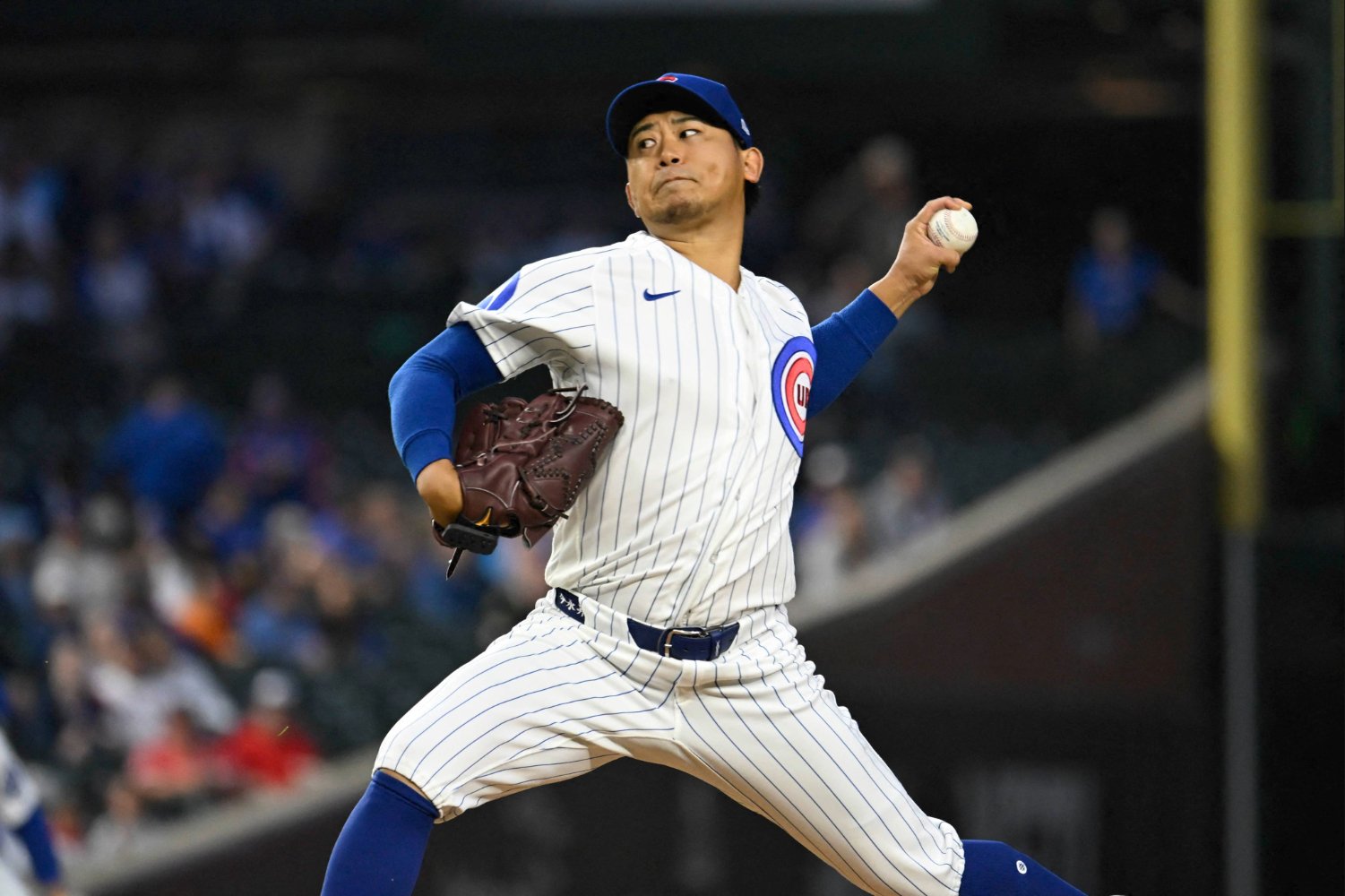 To say it was a disappointing season for the New York Mets would be an understatement. After finishing the year 14 games below .500, there’s plenty of work to be done this offseason, and that should probably begin with improving the starting rotation. Nolan McLean has looked like a quality starter since making his big-league debut in 2025, and Christian Scott flashed his upside this year. But aside from those two, there are more questions than answers with this unit. Someone like free agent left-hander Shota Imanaga could really help stabilize the rotation moving forward. Imanaga comes in as DiamondCentric’s 28th-ranked free agent, and he’s spent his three major-league seasons with the Chicago Cubs after signing as an international free agent out of Japan. He’s been a quality arm, too, posting a 3.45 career ERA and 3.71 expected ERA across 492 1/3 innings, along with 465 strikeouts to just 91 walks. His ability to pound the zone has always been one of his biggest strengths. He’s finished with a walk rate in the 95th percentile or better in all three seasons, and that command has helped him get hitters to chase when he expands the zone. He has a versatile six-pitch mix with different speeds and movement profiles, but he’s leaned heavily on his four-seam fastball and splitter throughout his big-league career. His four-seam doesn’t have overpowering velocity, sitting around 91 mph, but it has outstanding life. He’s also flattened out his arm angle a bit since entering the league, allowing him to generate more arm-side run on the pitch. The same can be said of his splitter. It doesn't have an especially sharp bite, but it runs away from right-handed hitters and comes in about nine miles per hour slower than his fastball. That deception helped the pitch generate whiffs on 41.4% of swings in 2026. Those two pitches accounted for 75% of his pitch selection this season, and they’re the foundation of his success. However, his sweeper adds another element to the mix. It made up another 15% of his usage, and at around 81 mph, it creates a slightly smaller velocity gap with his fastball than the average pitcher’s breaking ball. Still, it has a quality movement profile that gives hitters another look to consider. Imanaga threw the sweeper nearly as often against left-handed hitters as he did his four-seam fastball. When hitters have to respect a fastball that runs up and in but also account for a breaking ball moving in the opposite direction, things can get pretty difficult. That combination helps make his arsenal more effective than the velocity readings alone might suggest. His sinker, curveball and slider accounted for the remaining 10% of his pitch selection. However, his command of the sinker and curveball, in particular, remains a work in progress. Both pitches caught too much of the plate too often, and his sinker was hit extremely hard, allowing an average exit velocity of 92.3 mph. For pitches primarily intended to keep hitters off balance and give them a different look, they don't necessarily need to be located in spots where opposing hitters can do significant damage. In general, fly balls have really hurt Imanaga throughout his career. He has allowed 1.7 home runs per nine innings, and his ground-ball rate ranked in just the 23rd percentile this past season. That was actually a career best, which illustrates how much room there is for improvement in that department. Fortunately, moving from Wrigley Field to Citi Field could help. In 2026, the Mets' home stadium was one of the more pitcher-friendly ballparks in the league, while Wrigley ranked as the fourth-most hitter-friendly park, according to Statcast's Park Factors Leaderboard. Imanaga's four-seam fastball has accounted for most of the damage against him, and he's left it over the plate too often throughout his career. Getting that pitch to run up in the zone more consistently while allowing his secondary offerings to work down will continue to be a point of emphasis. The Mets were already in the top half of the league in home runs allowed this season, giving up 184. They don't need to regress further in that department, so Imanaga's tendency to surrender fly balls is something they'll need to consider before making a significant financial commitment. Still, there's reason to like the fit here, especially given the strength of the Mets' outfield defense with A.J. Ewing and Carson Benge entrenched out there now. So, what would a deal for Imanaga look like? He accepted the qualifying offer from the Cubs this past year at roughly $22 million. Before that, however, Chicago declined a three-year, $57.75 million club option that would have kept him under contract through 2028. That suggests the Mets wouldn't necessarily have to pay him like an ace to get a deal done. There's also the fact that Imanaga will turn 34 next September, making a shorter contract with a slightly higher annual average value a more likely outcome than a lengthy commitment. Despite the Cubs declining his club option, I suspect a lot of that decision stemmed from his poor second half of the 2025 season. Given his overall consistency, I have to imagine Imanaga will be looking for north of $20 million annually on his next deal. I could see a contract similar to the one Michael King signed with the San Diego Padres this past offseason. King received a three-year, $75 million deal that included options after each of the first two years. I'm not sure Imanaga would command quite that much money annually, but the structure could make sense. A three-year deal with multiple opportunities to opt out would give him some financial security while allowing him to return to the market if he pitches well enough to earn a more lucrative contract. Regardless, Imanaga feels like a good blend of a quality starting pitcher who could help stabilize the rotation without requiring an enormous financial commitment. He has his flaws, particularly when it comes to keeping the ball in the yard, but his command, ability to miss bats and diverse pitch mix give him a solid foundation to build on. The Mets have plenty of questions to answer this offseason, and improving their starting staff should be near the top of that list. Imanaga might not be the perfect solution, but he could be a sensible addition who gives them a more reliable rotation heading into 2027.
-
The Mets have options when it comes to upgrading their rotation this winter. Shota Imanaga offers stability, Foster Griffin brings an intriguing new profile, and Brandon Woodruff could provide significant upside if he stays healthy. View full video
-
The Mets have options when it comes to upgrading their rotation this winter. Shota Imanaga offers stability, Foster Griffin brings an intriguing new profile, and Brandon Woodruff could provide significant upside if he stays healthy.
-
The New York Mets and Chicago Cubs are no strangers to doing business with each other. Of course, there’s the infamous Pete Crow-Armstrong trade back in 2021, which has not aged well in the slightest for one of those franchises in particular. But the two teams made another deal this summer that could pay dividends for the Mets. David Stearns sent pitcher Clay Holmes and outfielder Tyrone Taylor to Chicago in exchange for 21-year-old infield prospect Jefferson Rojas. And while there was plenty to like about Rojas when he came over, he might be even better than the Mets initially anticipated. Rojas had posted an .800 OPS with the Cubs’ Double-A affiliate, along with 15 home runs (already a career high) and 17 stolen bases. With solid defensive ability across the infield, he profiled as someone who could be ready for major-league action in the near-future. That’s especially true now. For as good as Rojas was with Chicago, the Mets seemingly unlocked another level of production after bringing him into the organization. He was assigned to Double-A Binghamton upon his arrival, and he absolutely took off. Across 29 games, he recorded 18 extra-base hits, a .929 OPS and three stolen bases. Those are significantly better numbers than he posted during his already impressive stretch with the Cubs, and his performance earned him a promotion to Triple-A Syracuse late in the season. He only appeared in six games at that level, and his strikeout numbers increased fairly substantially... but so did just about everything else. Rojas launched three home runs in those six games, drove in seven runs and scored eight of his own. Most 21-year-olds aren’t even at Triple-A yet, and a lot aren’t even at Double-A. Rojas was already dominating at the highest levels of the minor leagues, so what led to his sudden surge in production? It would be easy to look at a small sample like this and chalk it up to luck. However, his BABIP and walk rate in Binghamton were actually both lower than they were with Nashville, the Cubs’ Double-A affiliate. While there’s always going to be some noise in a relatively small sample, I think the biggest change came in his batted-ball profile. Over the past couple of years at the Double-A level, Rojas had a fly-ball rate of around 36%. He’s not the most powerful hitter on the planet, but he’s got enough pop in his bat to do damage when he elevates the ball. And we saw that in a big way late in the season. His fly-ball rate climbed to 41.1% in Binghamton, and in that six-game stretch with Syracuse, it jumped all the way to 50%. I don’t think it’s a coincidence that his power production increased alongside that change. When Rojas started putting the ball in the air more frequently, he began turning more of his contact into extra-base hits and home runs. The beautiful thing is that he didn’t have to sell out for power to do it, either. In addition to hitting the ball in the air more often, Rojas started using the whole field more effectively. His pull rate dropped from 49% with Chicago to roughly 40% after the trade. Rather than trying to force the ball to his pull side in search of extra-base hits, he took what pitchers gave him and drove the ball hard to all parts of the field. That’s a pretty encouraging sign for a developing hitter; Rojas was able to increase his power production without becoming overly reliant on one part of the field, which should help him continue to make adjustments as he continues to face more advanced pitching. There’s obviously still plenty of room for growth, though. His six-game stint at Triple-A was impressive, but it also came with a very high strikeout rate and a very low walk rate. He’s not going to keep hitting a home run every other game on average forever, and he’ll need to show that he can maintain his production against better pitching over a longer stretch. The good news is that Rojas has already found success at the highest levels of the minors. With another offseason to refine his approach and continue developing his bat, there’s reason to believe he can take another step forward in 2027. Defensively, Rojas has the ability to move around between second base, third base and shortstop. He saw the most action at the hot corner this year, which is probably where he profiles best in the long term. He doesn’t necessarily have the range you’d want from a middle infielder, but he has a strong arm that should serve him well on the left side of the infield. That defensive versatility gives the Mets some flexibility as they figure out where he fits into their future plans. And if his bat continues to develop the way it did after the trade, he could give the organization another high-upside option in the infield. There’s still work to be done before Rojas is ready to become a regular contributor at the major-league level, but the early returns have been awfully encouraging. If he can keep making strides this offseason and carry that momentum into 2027, we could see him at Citi Field at some point next year. Image courtesy of Syracuse Mets View full article
-
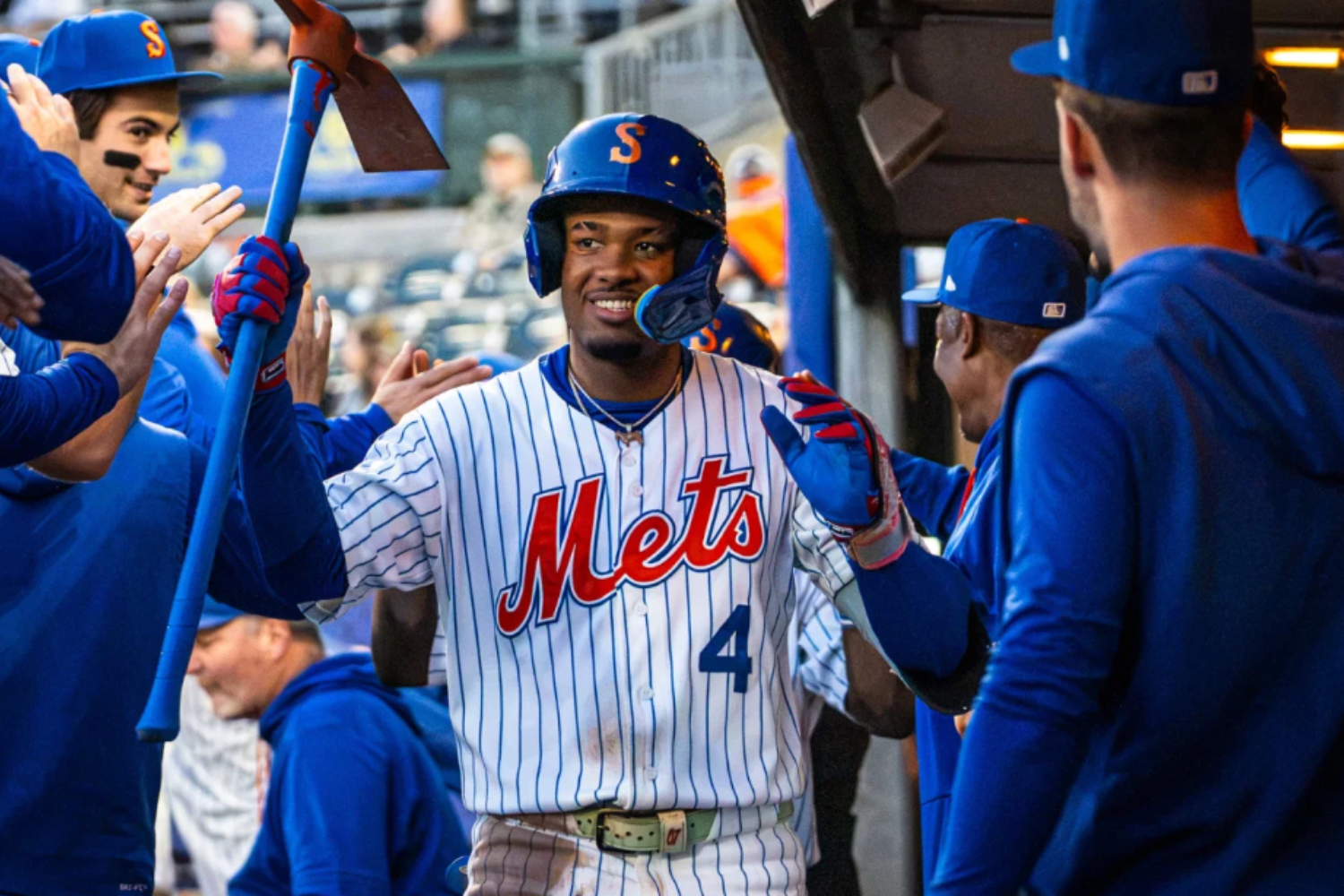 The New York Mets and Chicago Cubs are no strangers to doing business with each other. Of course, there’s the infamous Pete Crow-Armstrong trade back in 2021, which has not aged well in the slightest for one of those franchises in particular. But the two teams made another deal this summer that could pay dividends for the Mets. David Stearns sent pitcher Clay Holmes and outfielder Tyrone Taylor to Chicago in exchange for 21-year-old infield prospect Jefferson Rojas. And while there was plenty to like about Rojas when he came over, he might be even better than the Mets initially anticipated. Rojas had posted an .800 OPS with the Cubs’ Double-A affiliate, along with 15 home runs (already a career high) and 17 stolen bases. With solid defensive ability across the infield, he profiled as someone who could be ready for major-league action in the near-future. That’s especially true now. For as good as Rojas was with Chicago, the Mets seemingly unlocked another level of production after bringing him into the organization. He was assigned to Double-A Binghamton upon his arrival, and he absolutely took off. Across 29 games, he recorded 18 extra-base hits, a .929 OPS and three stolen bases. Those are significantly better numbers than he posted during his already impressive stretch with the Cubs, and his performance earned him a promotion to Triple-A Syracuse late in the season. He only appeared in six games at that level, and his strikeout numbers increased fairly substantially... but so did just about everything else. Rojas launched three home runs in those six games, drove in seven runs and scored eight of his own. Most 21-year-olds aren’t even at Triple-A yet, and a lot aren’t even at Double-A. Rojas was already dominating at the highest levels of the minor leagues, so what led to his sudden surge in production? It would be easy to look at a small sample like this and chalk it up to luck. However, his BABIP and walk rate in Binghamton were actually both lower than they were with Nashville, the Cubs’ Double-A affiliate. While there’s always going to be some noise in a relatively small sample, I think the biggest change came in his batted-ball profile. Over the past couple of years at the Double-A level, Rojas had a fly-ball rate of around 36%. He’s not the most powerful hitter on the planet, but he’s got enough pop in his bat to do damage when he elevates the ball. And we saw that in a big way late in the season. His fly-ball rate climbed to 41.1% in Binghamton, and in that six-game stretch with Syracuse, it jumped all the way to 50%. I don’t think it’s a coincidence that his power production increased alongside that change. When Rojas started putting the ball in the air more frequently, he began turning more of his contact into extra-base hits and home runs. The beautiful thing is that he didn’t have to sell out for power to do it, either. In addition to hitting the ball in the air more often, Rojas started using the whole field more effectively. His pull rate dropped from 49% with Chicago to roughly 40% after the trade. Rather than trying to force the ball to his pull side in search of extra-base hits, he took what pitchers gave him and drove the ball hard to all parts of the field. That’s a pretty encouraging sign for a developing hitter; Rojas was able to increase his power production without becoming overly reliant on one part of the field, which should help him continue to make adjustments as he continues to face more advanced pitching. There’s obviously still plenty of room for growth, though. His six-game stint at Triple-A was impressive, but it also came with a very high strikeout rate and a very low walk rate. He’s not going to keep hitting a home run every other game on average forever, and he’ll need to show that he can maintain his production against better pitching over a longer stretch. The good news is that Rojas has already found success at the highest levels of the minors. With another offseason to refine his approach and continue developing his bat, there’s reason to believe he can take another step forward in 2027. Defensively, Rojas has the ability to move around between second base, third base and shortstop. He saw the most action at the hot corner this year, which is probably where he profiles best in the long term. He doesn’t necessarily have the range you’d want from a middle infielder, but he has a strong arm that should serve him well on the left side of the infield. That defensive versatility gives the Mets some flexibility as they figure out where he fits into their future plans. And if his bat continues to develop the way it did after the trade, he could give the organization another high-upside option in the infield. There’s still work to be done before Rojas is ready to become a regular contributor at the major-league level, but the early returns have been awfully encouraging. If he can keep making strides this offseason and carry that momentum into 2027, we could see him at Citi Field at some point next year.
-
Jefferson Rojas wasted little time making an impression after joining the Mets. His improved batted-ball profile and late-season power surge have put him firmly on the major-league radar heading into 2027. View full video
-
Jefferson Rojas wasted little time making an impression after joining the Mets. His improved batted-ball profile and late-season power surge have put him firmly on the major-league radar heading into 2027.
-
Three Free Agent Starting Pitchers the Mets Should Have on Their Radar
Sam Caulder posted an article in Mets
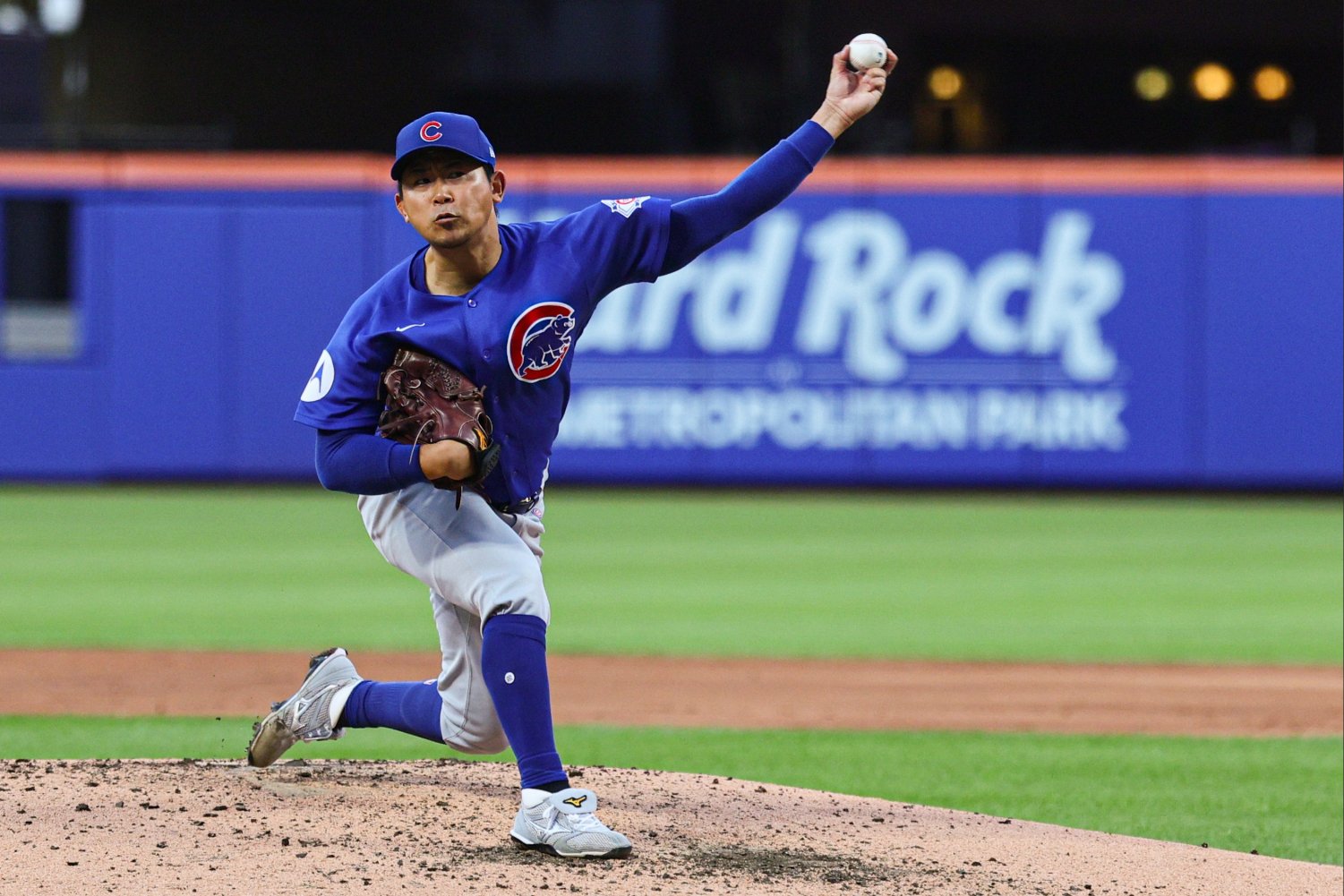 MLB free agency is rapidly approaching, and for a team like the New York Mets, it can’t come soon enough. After a disappointing 2026 season, this is an organization that figures to be busy over the coming months, and one of their biggest areas of need is the starting rotation. New York got strong seasons from guys like Nolan McLean, Christian Scott and Zac Thornton, but there’s still plenty of room for improvement in this group. If the Mets want to get back into contention next year, adding some quality arms to the rotation should be near the top of their offseason checklist. With that in mind, here are three starting pitchers New York should look to target in free agency. Shota Imanaga Imanaga accepted the qualifying offer from the Chicago Cubs this past year at roughly $22 million. Before that, though, Chicago declined a three-year, $57.75 million club option that would have kept him under contract through 2028. That decision could make him an interesting name to watch this winter, depending on how the Cubs approach his future. He finished the 2026 season with a 3.77 ERA and a 1.10 WHIP across 174 1/3 innings. He also recorded 174 strikeouts compared to just 37 walks, showing an ability to work deep into games while limiting free passes. When he’s on, he's capable of being dominant. He recorded 14 quality starts this season, and his six-pitch mix gives him a strong foundation to build on. He ranked in the 82nd percentile or better in chase rate, whiff rate, and walk rate, all of which sometimes coalesce to form torrid hot streaks on the mound. The biggest concern with Imanaga is his inability to consistently keep the ball on the ground. That has contributed to a career home run rate of 1.7 per nine innings, which can become a problem when he isn't locating his pitches as effectively. Still, he feels like a relatively safe option for the Mets. He has the track record to provide quality innings near the middle of the rotation, with the ability to pitch like a frontline starter when everything is working. If New York can land him on a reasonable contract, he'd be a solid addition to this group. Foster Griffin It was somewhat of a tale of two halves for Griffin this season. He was excellent with the Washington Nationals during the first half, posting a 3.06 ERA across 129 1/3 innings while earning his first All-Star Game appearance. However, things took a turn following his trade deadline acquisition by Cleveland. His ERA climbed to 5.19 with the Guardians, his strikeout rate declined, and his walk rate increased. It's fair to wonder whether that second-half performance should give teams some pause, but I still think he's someone the Mets should take a look at this winter. Griffin's skill set has a lot in common with Imanaga's. He's not going to overpower hitters with velocity, but he has a deep arsenal, featuring seven different pitches, and a similar arm slot. That gives him plenty of ways to attack hitters without having to rely on one dominant offering. Like Imanaga, he does a good job of pounding the strike zone and getting hitters to chase pitches outside of it. Another encouraging part of Griffin's profile is his ability to limit hard contact. His hard-hit rate and average exit velocity were both better than league average this season, and he did a nice job of keeping the ball on the ground. Those are important qualities for a pitcher who doesn't necessarily have the stuff to consistently overpower hitters. After spending the previous three years pitching in Japan, Griffin reinvented himself this season and showed that he could be a legitimate major-league starter. His second-half struggles are worth considering, but there's enough in his profile to believe he can be a useful addition to New York's rotation. Brandon Woodruff I know that floating another former David Stearns player with a long track record of not being available isn't going to go over well, but allow me to explain why Woodruff fits if the money is right. Of course, he comes with some added risk because of his injury history. He's been limited to just 110 innings since the start of the 2024 season due to recurring shoulder issues, and he hasn't been healthy for the second half of the season or the postseason for Milwaukee. That's obviously a significant concern for any team considering signing him. The Mets can't afford to add another question mark to their rotation without carefully weighing the potential upside. That upside is the key; when healthy, he's been great. Woodruff has finished with an ERA of 3.20 or lower and an expected ERA of 2.88 or lower in each of the last two seasons, albeit over a limited number of innings. Those numbers show just how effective he can be when he's available. Like Imanaga and Griffin, Woodruff doesn't walk many hitters, gets plenty of chases outside the strike zone, and has a deep arsenal to work with. However, he's even better than the two left-handers at generating soft contact, giving him another way to limit damage when hitters put the ball in play. Even with his velocity declining, Woodruff has still been able to post strikeout rates hovering around 30%. Arm injuries be damned, he remains wildly effective when he can pitch through the pain. Woodruff's track record is hard to ignore, and he feels like someone who could make a real difference in this rotation. Given his recent injury history, New York might also be able to land him without paying top dollar. For a Mets team looking to bounce back in 2027, that could be a risk worth taking.
-
Image courtesy of Vincent Carchietta-Imagn Images MLB free agency is rapidly approaching, and for a team like the New York Mets, it can’t come soon enough. After a disappointing 2026 season, this is an organization that figures to be busy over the coming months, and one of their biggest areas of need is the starting rotation. New York got strong seasons from guys like Nolan McLean, Christian Scott and Zac Thornton, but there’s still plenty of room for improvement in this group. If the Mets want to get back into contention next year, adding some quality arms to the rotation should be near the top of their offseason checklist. With that in mind, here are three starting pitchers New York should look to target in free agency. Shota Imanaga Imanaga accepted the qualifying offer from the Chicago Cubs this past year at roughly $22 million. Before that, though, Chicago declined a three-year, $57.75 million club option that would have kept him under contract through 2028. That decision could make him an interesting name to watch this winter, depending on how the Cubs approach his future. He finished the 2026 season with a 3.77 ERA and a 1.10 WHIP across 174 1/3 innings. He also recorded 174 strikeouts compared to just 37 walks, showing an ability to work deep into games while limiting free passes. When he’s on, he's capable of being dominant. He recorded 14 quality starts this season, and his six-pitch mix gives him a strong foundation to build on. He ranked in the 82nd percentile or better in chase rate, whiff rate, and walk rate, all of which sometimes coalesce to form torrid hot streaks on the mound. The biggest concern with Imanaga is his inability to consistently keep the ball on the ground. That has contributed to a career home run rate of 1.7 per nine innings, which can become a problem when he isn't locating his pitches as effectively. Still, he feels like a relatively safe option for the Mets. He has the track record to provide quality innings near the middle of the rotation, with the ability to pitch like a frontline starter when everything is working. If New York can land him on a reasonable contract, he'd be a solid addition to this group. Foster Griffin It was somewhat of a tale of two halves for Griffin this season. He was excellent with the Washington Nationals during the first half, posting a 3.06 ERA across 129 1/3 innings while earning his first All-Star Game appearance. However, things took a turn following his trade deadline acquisition by Cleveland. His ERA climbed to 5.19 with the Guardians, his strikeout rate declined, and his walk rate increased. It's fair to wonder whether that second-half performance should give teams some pause, but I still think he's someone the Mets should take a look at this winter. Griffin's skill set has a lot in common with Imanaga's. He's not going to overpower hitters with velocity, but he has a deep arsenal, featuring seven different pitches, and a similar arm slot. That gives him plenty of ways to attack hitters without having to rely on one dominant offering. Like Imanaga, he does a good job of pounding the strike zone and getting hitters to chase pitches outside of it. Another encouraging part of Griffin's profile is his ability to limit hard contact. His hard-hit rate and average exit velocity were both better than league average this season, and he did a nice job of keeping the ball on the ground. Those are important qualities for a pitcher who doesn't necessarily have the stuff to consistently overpower hitters. After spending the previous three years pitching in Japan, Griffin reinvented himself this season and showed that he could be a legitimate major-league starter. His second-half struggles are worth considering, but there's enough in his profile to believe he can be a useful addition to New York's rotation. Brandon Woodruff I know that floating another former David Stearns player with a long track record of not being available isn't going to go over well, but allow me to explain why Woodruff fits if the money is right. Of course, he comes with some added risk because of his injury history. He's been limited to just 110 innings since the start of the 2024 season due to recurring shoulder issues, and he hasn't been healthy for the second half of the season or the postseason for Milwaukee. That's obviously a significant concern for any team considering signing him. The Mets can't afford to add another question mark to their rotation without carefully weighing the potential upside. That upside is the key; when healthy, he's been great. Woodruff has finished with an ERA of 3.20 or lower and an expected ERA of 2.88 or lower in each of the last two seasons, albeit over a limited number of innings. Those numbers show just how effective he can be when he's available. Like Imanaga and Griffin, Woodruff doesn't walk many hitters, gets plenty of chases outside the strike zone, and has a deep arsenal to work with. However, he's even better than the two left-handers at generating soft contact, giving him another way to limit damage when hitters put the ball in play. Even with his velocity declining, Woodruff has still been able to post strikeout rates hovering around 30%. Arm injuries be damned, he remains wildly effective when he can pitch through the pain. Woodruff's track record is hard to ignore, and he feels like someone who could make a real difference in this rotation. Given his recent injury history, New York might also be able to land him without paying top dollar. For a Mets team looking to bounce back in 2027, that could be a risk worth taking. View full article
-
Image courtesy of Brad Penner-Imagn Images The New York Mets’ roster is full of former top prospects. Guys like Juan Soto, Bo Bichette, and Francisco Lindor all fit that description and have had long, successful major league careers. But there’s another Francisco who’s still trying to put everything together: Francisco Alvarez. The 24-year-old catcher hasn’t quite reached the level many expected when he was one of the top prospects in baseball a few years ago. However, there have been plenty of glimpses of what he can become, and I think we saw more of those flashes during the 2026 season. Across 420 plate appearances, Alvarez hit .233 with a .311 on-base percentage and a .710 OPS. Those numbers aren’t particularly inspiring, and his 99 OPS+ suggests he was basically a league-average hitter. But while the surface-level production wasn’t anything special, there was plenty to like about what he did at the plate this season. For starters, Alvarez consistently made hard contact. His average exit velocity of 90.8 mph ranked in the 80th percentile among major-league hitters, while his hard-hit rate was even better, landing in the 86th percentile. Pair those with a barrel rate in the 96th percentile, and the underlying numbers suggest he probably deserved better results than he actually got. His expected slugging percentage was 32 points higher than his actual mark, as an example of just one obvious area in which he's due for positive regression. Not many hitters consistently hit the ball as hard as he does, and that kind of quality contact gives him a solid foundation to build on. The problem, however, is that he doesn't make enough contact. Alvarez has struggled with the swing-and-miss part of his game since reaching the upper levels of the minor leagues, and 2026 was no exception. Both his whiff and strikeout rates were career lows this season. He swung through more than one of every three pitches he offered at and struck out in more than three of every 10 plate appearances. Both numbers ranked in the sixth percentile or worse among qualified hitters. That's a tough combination for any batter to overcome, especially one who relies on power to do most of his damage. Plenty of power-first hitters struggle with strikeouts because they're willing to sacrifice more contact in exchange for louder contact. But Alvarez needs to find a better balance if he's going to maximize his offensive potential. I'd also like to see him get the ball in the air more often. His fly-ball rate has hovered around 35% over the past couple of years, and he's paired that with a relatively low line-drive rate. Given how hard he hits the ball, getting more balls into the air could help him turn some of those hard-hit balls into extra-base hits and improve his overall production. Of course, Alvarez's development isn't just about what he does at the plate. As a catcher, there's another side of his game that needs attention, and his defense behind the plate remains a work in progress. The biggest issue this season was his ability to block pitches in the dirt. Alvarez finished with minus-13 blocks above average, the worst mark of any major-league catcher. It's an area where he's struggled throughout his career, but the numbers were particularly concerning in 2026. However, it wasn't all bad defensively. He was a strong pitch framer, giving the Mets some value in an area that doesn't always show up in traditional statistics. He also took a step forward when it came to controlling the running game, throwing out 27% of opposing basestealers—that was a career high for him. Teams are beginning to respect his arm more than they have in the past, and when they do test him, he had a lot more success than most catchers would. Overall, I don't think the surface-level numbers tell the entire story of Alvarez's 2026 season. His offensive production was underwhelming, but the quality of contact he made was encouraging, and he provided some real defensive value outside of his struggles with blocking pitches. There are still areas he needs to improve. He has to make more consistent contact at the plate, find ways to elevate the ball more frequently and become a more reliable presence behind the plate. Those aren't minor adjustments, but they're also not impossible hurdles for a 24-year-old catcher to overcome. View full article
-
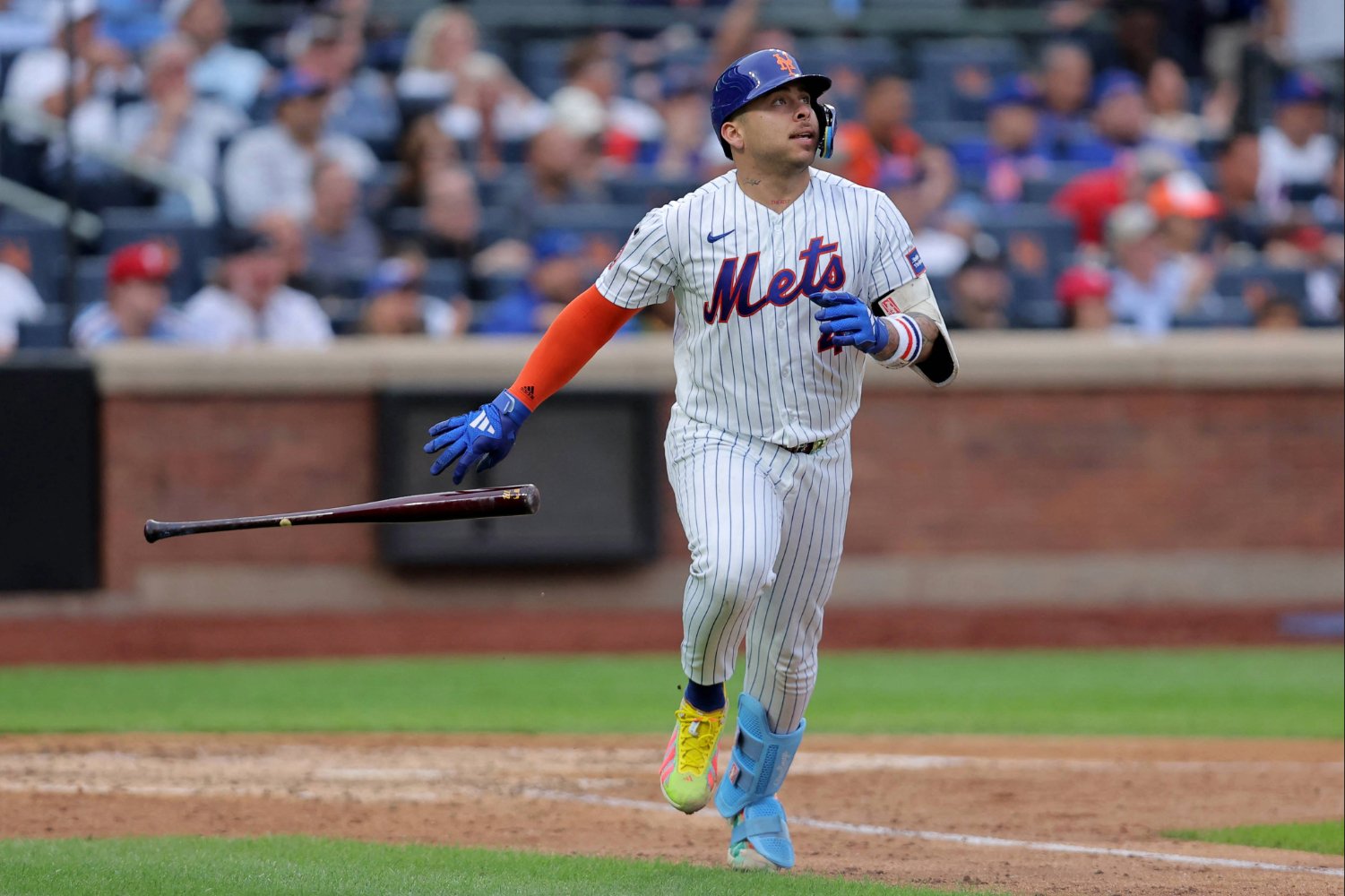 The New York Mets’ roster is full of former top prospects. Guys like Juan Soto, Bo Bichette, and Francisco Lindor all fit that description and have had long, successful major league careers. But there’s another Francisco who’s still trying to put everything together: Francisco Alvarez. The 24-year-old catcher hasn’t quite reached the level many expected when he was one of the top prospects in baseball a few years ago. However, there have been plenty of glimpses of what he can become, and I think we saw more of those flashes during the 2026 season. Across 420 plate appearances, Alvarez hit .233 with a .311 on-base percentage and a .710 OPS. Those numbers aren’t particularly inspiring, and his 99 OPS+ suggests he was basically a league-average hitter. But while the surface-level production wasn’t anything special, there was plenty to like about what he did at the plate this season. For starters, Alvarez consistently made hard contact. His average exit velocity of 90.8 mph ranked in the 80th percentile among major-league hitters, while his hard-hit rate was even better, landing in the 86th percentile. Pair those with a barrel rate in the 96th percentile, and the underlying numbers suggest he probably deserved better results than he actually got. His expected slugging percentage was 32 points higher than his actual mark, as an example of just one obvious area in which he's due for positive regression. Not many hitters consistently hit the ball as hard as he does, and that kind of quality contact gives him a solid foundation to build on. The problem, however, is that he doesn't make enough contact. Alvarez has struggled with the swing-and-miss part of his game since reaching the upper levels of the minor leagues, and 2026 was no exception. Both his whiff and strikeout rates were career lows this season. He swung through more than one of every three pitches he offered at and struck out in more than three of every 10 plate appearances. Both numbers ranked in the sixth percentile or worse among qualified hitters. That's a tough combination for any batter to overcome, especially one who relies on power to do most of his damage. Plenty of power-first hitters struggle with strikeouts because they're willing to sacrifice more contact in exchange for louder contact. But Alvarez needs to find a better balance if he's going to maximize his offensive potential. I'd also like to see him get the ball in the air more often. His fly-ball rate has hovered around 35% over the past couple of years, and he's paired that with a relatively low line-drive rate. Given how hard he hits the ball, getting more balls into the air could help him turn some of those hard-hit balls into extra-base hits and improve his overall production. Of course, Alvarez's development isn't just about what he does at the plate. As a catcher, there's another side of his game that needs attention, and his defense behind the plate remains a work in progress. The biggest issue this season was his ability to block pitches in the dirt. Alvarez finished with minus-13 blocks above average, the worst mark of any major-league catcher. It's an area where he's struggled throughout his career, but the numbers were particularly concerning in 2026. However, it wasn't all bad defensively. He was a strong pitch framer, giving the Mets some value in an area that doesn't always show up in traditional statistics. He also took a step forward when it came to controlling the running game, throwing out 27% of opposing basestealers—that was a career high for him. Teams are beginning to respect his arm more than they have in the past, and when they do test him, he had a lot more success than most catchers would. Overall, I don't think the surface-level numbers tell the entire story of Alvarez's 2026 season. His offensive production was underwhelming, but the quality of contact he made was encouraging, and he provided some real defensive value outside of his struggles with blocking pitches. There are still areas he needs to improve. He has to make more consistent contact at the plate, find ways to elevate the ball more frequently and become a more reliable presence behind the plate. Those aren't minor adjustments, but they're also not impossible hurdles for a 24-year-old catcher to overcome.
-
Few catchers can match Francisco Alvarez's raw power, but turning that potential into consistent production has been a different story. Here's what stood out from his 2026 season.
-
Few catchers can match Francisco Alvarez's raw power, but turning that potential into consistent production has been a different story. Here's what stood out from his 2026 season. View full video
-
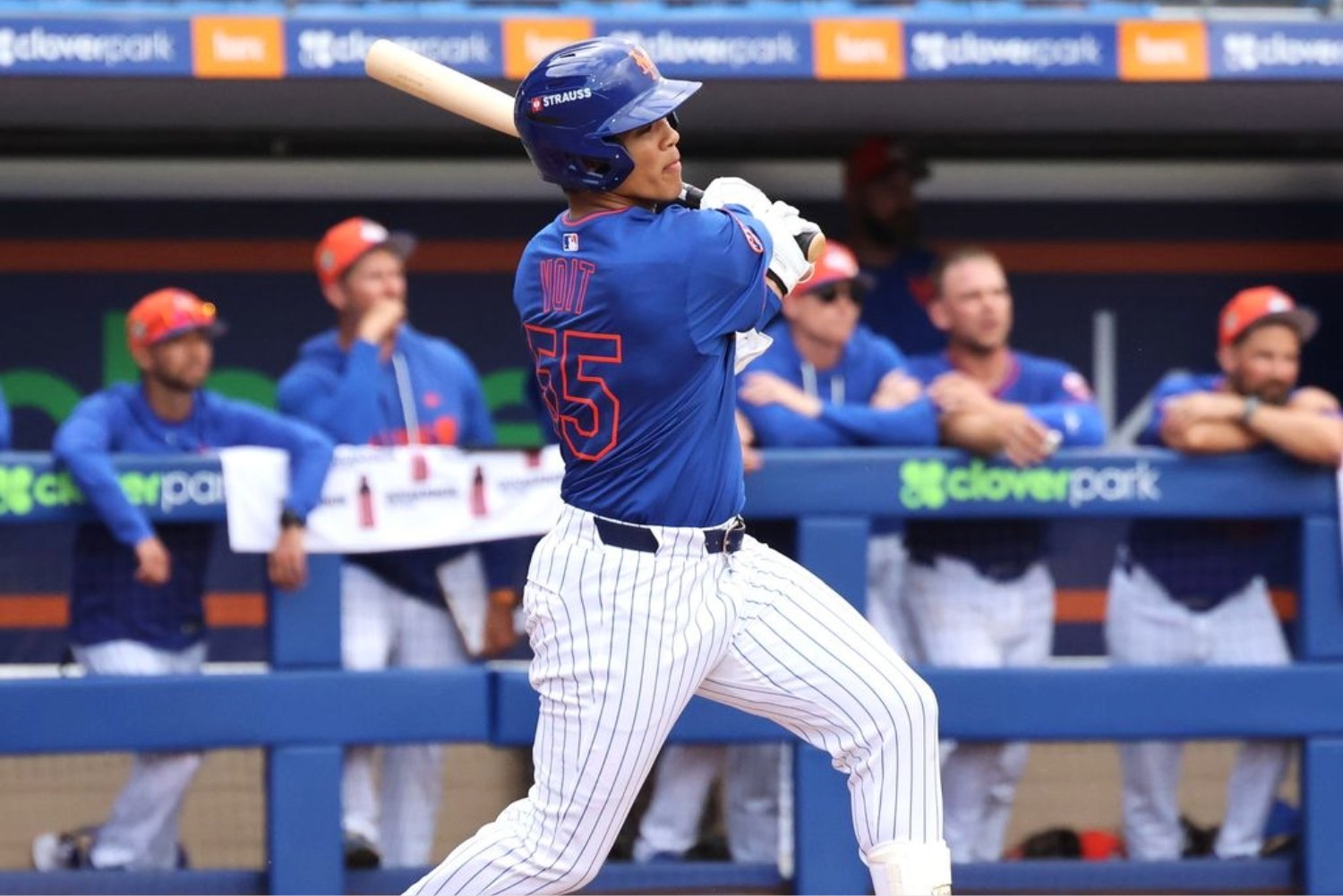 The shortstop position for the New York Mets is very much set in stone for the next handful of years, with Francisco Lindor under contract through 2031. But that doesn't mean there won't be room for another middle infielder to make his way into the team's long-term plans. Enter Mitch Voit, who was selected 38th overall by the Mets in the 2025 MLB Draft out of the University of Michigan. His first full season of professional baseball didn't necessarily jump off the page at first, but a late-season promotion to Double-A revealed a lot to be excited about. And after watching how he finished the year, I'm extremely high on Voit's outlook. Voit began the 2026 season with High-A Brooklyn, where he recorded a .242 batting average, .349 on-base percentage, and .745 OPS across 347 plate appearances. He also collected 23 extra-base hits and stole 36 bases, flashing the well-rounded profile that earned him first-round consideration in the first place. Yet those aren't exceptional numbers. There were some encouraging signs, particularly his ability to get on base and make an impact on the basepaths, but his overall production left something to be desired. The Mets, however, saw enough to promote him to Double-A Binghamton late in the season. And that's when things really started to click. Across 136 plate appearances over 29 games, Voit looked like a completely different hitter. He slashed .347/.430/.517, good for a .947 OPS, while recording 15 extra-base hits and nine stolen bases. The jump in production was significant, especially considering he was facing more advanced pitching at a higher level of the minors. Now, it would be easy to look at those numbers and chalk them up to a small sample size. After all, 29 games isn't enough to draw any definitive conclusions about a young hitter's long-term outlook. But I don't think that's the case here. One of the most difficult transitions for any prospect is the jump from High-A to Double-A. Pitchers at that level tend to have better stuff and more advanced command, making it a significant test for young hitters as they work their way toward the big leagues. Typically, you'd expect a prospect's strikeout rate to climb during that transition; Voit's did the opposite. After striking out in 20.2% of his plate appearances at High-A, he lowered that mark to just 17.6% at Double-A. Even better, he maintained a 10% walk rate while making more consistent hard contact. He wasn't just benefiting from a few balls finding holes or putting together a hot streak fueled by unsustainable results. He was making consistent contact, continuing to work counts, and hitting the ball with more authority against better competition. That's not to say a strong month at Double-A guarantees future success, but it's certainly a lot more encouraging than a sudden jump in batting average alone. When you look at the type of hitter Voit is becoming, there's reason to believe he can continue to produce as he climbs through the minors. He's probably never going to be a 30-homer threat, but Voit doesn't necessarily need that kind of power to become an effective everyday player. Instead, his offensive profile is built around making consistent contact and driving the ball into the gaps. Line drives accounted for 27.2% of his batted balls in 2026, already an encouraging mark for a young hitter still adjusting to professional pitching. At Double-A, that figure jumped north of 36%. That’s a big part of why Voit was able to hit nearly .350 over his 29-game stint with Binghamton. When a hitter routinely squares up the baseball and produces line drives, he's going to give himself plenty of opportunities to reach base and generate extra-base hits, even without elite raw power. Of course, maintaining a line-drive rate above 36% over a longer stretch is a different challenge entirely. Those numbers will likely fluctuate as Voit faces more advanced pitching and continues to develop. Still, the underlying approach is promising. Defensively, he has the tools to stick at short. He has the athleticism, and his background as a two-way player at Michigan during his freshman and sophomore seasons would certainly suggest he has the arm strength to stick at the position. The Mets clearly liked those traits enough to give him additional opportunities at shortstop, even though he appeared in just one game at short during his collegiate career. Lindor is going to be the Mets' shortstop for as long as he's around, though, so Voit isn't exactly going to have an easy path to that position in New York. Fortunately, he's also a very capable second baseman, and it's a position he's already familiar with from his college days. That gives the Mets some flexibility as they determine where he fits best defensively moving forward. Having the ability to handle both middle-infield positions is a valuable trait, especially for a prospect whose offensive profile could translate into a regular big-league role. In effect, Voit doesn't need to displace Lindor to have a future in New York. I'd imagine he’ll begin the 2027 season back at Double-A, where he'll have another opportunity to show that his late-season breakout was a sign of things to come. I wouldn't expect him to replicate the gaudy numbers he put up during his final month of the 2026 season over a full year. That's a difficult standard for any hitter to maintain, particularly as opposing pitchers get more familiar with his approach. But we've seen what he's capable of, and the encouraging underlying numbers give us reasons to believe there's more room for growth. Voit is still early in his professional career, and another full offseason of development could help him build on the adjustments he made throughout 2026. If he can carry that improved contact quality and plate discipline into next season, he could quickly establish himself as the most intriguing infield prospect in the Mets' system.
-
Image courtesy of Ed Delany (Metsmerized) The shortstop position for the New York Mets is very much set in stone for the next handful of years, with Francisco Lindor under contract through 2031. But that doesn't mean there won't be room for another middle infielder to make his way into the team's long-term plans. Enter Mitch Voit, who was selected 38th overall by the Mets in the 2025 MLB Draft out of the University of Michigan. His first full season of professional baseball didn't necessarily jump off the page at first, but a late-season promotion to Double-A revealed a lot to be excited about. And after watching how he finished the year, I'm extremely high on Voit's outlook. Voit began the 2026 season with High-A Brooklyn, where he recorded a .242 batting average, .349 on-base percentage, and .745 OPS across 347 plate appearances. He also collected 23 extra-base hits and stole 36 bases, flashing the well-rounded profile that earned him first-round consideration in the first place. Yet those aren't exceptional numbers. There were some encouraging signs, particularly his ability to get on base and make an impact on the basepaths, but his overall production left something to be desired. The Mets, however, saw enough to promote him to Double-A Binghamton late in the season. And that's when things really started to click. Across 136 plate appearances over 29 games, Voit looked like a completely different hitter. He slashed .347/.430/.517, good for a .947 OPS, while recording 15 extra-base hits and nine stolen bases. The jump in production was significant, especially considering he was facing more advanced pitching at a higher level of the minors. Now, it would be easy to look at those numbers and chalk them up to a small sample size. After all, 29 games isn't enough to draw any definitive conclusions about a young hitter's long-term outlook. But I don't think that's the case here. One of the most difficult transitions for any prospect is the jump from High-A to Double-A. Pitchers at that level tend to have better stuff and more advanced command, making it a significant test for young hitters as they work their way toward the big leagues. Typically, you'd expect a prospect's strikeout rate to climb during that transition; Voit's did the opposite. After striking out in 20.2% of his plate appearances at High-A, he lowered that mark to just 17.6% at Double-A. Even better, he maintained a 10% walk rate while making more consistent hard contact. He wasn't just benefiting from a few balls finding holes or putting together a hot streak fueled by unsustainable results. He was making consistent contact, continuing to work counts, and hitting the ball with more authority against better competition. That's not to say a strong month at Double-A guarantees future success, but it's certainly a lot more encouraging than a sudden jump in batting average alone. When you look at the type of hitter Voit is becoming, there's reason to believe he can continue to produce as he climbs through the minors. He's probably never going to be a 30-homer threat, but Voit doesn't necessarily need that kind of power to become an effective everyday player. Instead, his offensive profile is built around making consistent contact and driving the ball into the gaps. Line drives accounted for 27.2% of his batted balls in 2026, already an encouraging mark for a young hitter still adjusting to professional pitching. At Double-A, that figure jumped north of 36%. That’s a big part of why Voit was able to hit nearly .350 over his 29-game stint with Binghamton. When a hitter routinely squares up the baseball and produces line drives, he's going to give himself plenty of opportunities to reach base and generate extra-base hits, even without elite raw power. Of course, maintaining a line-drive rate above 36% over a longer stretch is a different challenge entirely. Those numbers will likely fluctuate as Voit faces more advanced pitching and continues to develop. Still, the underlying approach is promising. Defensively, he has the tools to stick at short. He has the athleticism, and his background as a two-way player at Michigan during his freshman and sophomore seasons would certainly suggest he has the arm strength to stick at the position. The Mets clearly liked those traits enough to give him additional opportunities at shortstop, even though he appeared in just one game at short during his collegiate career. Lindor is going to be the Mets' shortstop for as long as he's around, though, so Voit isn't exactly going to have an easy path to that position in New York. Fortunately, he's also a very capable second baseman, and it's a position he's already familiar with from his college days. That gives the Mets some flexibility as they determine where he fits best defensively moving forward. Having the ability to handle both middle-infield positions is a valuable trait, especially for a prospect whose offensive profile could translate into a regular big-league role. In effect, Voit doesn't need to displace Lindor to have a future in New York. I'd imagine he’ll begin the 2027 season back at Double-A, where he'll have another opportunity to show that his late-season breakout was a sign of things to come. I wouldn't expect him to replicate the gaudy numbers he put up during his final month of the 2026 season over a full year. That's a difficult standard for any hitter to maintain, particularly as opposing pitchers get more familiar with his approach. But we've seen what he's capable of, and the encouraging underlying numbers give us reasons to believe there's more room for growth. Voit is still early in his professional career, and another full offseason of development could help him build on the adjustments he made throughout 2026. If he can carry that improved contact quality and plate discipline into next season, he could quickly establish himself as the most intriguing infield prospect in the Mets' system. View full article
-
His power might not jump off the page, but Mitch Voit brings contact skills, speed, and defensive versatility to the table. After a strong finish at Double-A, the Mets prospect is quickly becoming one to watch. View full video
-
His power might not jump off the page, but Mitch Voit brings contact skills, speed, and defensive versatility to the table. After a strong finish at Double-A, the Mets prospect is quickly becoming one to watch.
-
Jonah Tong took a major step forward in 2026, and the underlying numbers suggest his breakout was anything but a fluke. If he can build on what he showed, the Mets could have one of baseball’s most exciting young arms. View full video
-
Jonah Tong took a major step forward in 2026, and the underlying numbers suggest his breakout was anything but a fluke. If he can build on what he showed, the Mets could have one of baseball’s most exciting young arms.
-
After dealing Huascar Brazoban and Brooks Raley, the Mets landed Gabe Davis, Zach Franklin, Luke Gabrysh, and John Spikerman. Here's how each prospect fits into New York's future. View full video
-
After dealing Huascar Brazoban and Brooks Raley, the Mets landed Gabe Davis, Zach Franklin, Luke Gabrysh, and John Spikerman. Here's how each prospect fits into New York's future.
-
After a disappointing season, the Mets decided it was time to move on from Freddy Peralta. Breaking down the trade, the reasoning behind it, and what comes next for New York. Who are Gary Gill Hill, Aidan Smith, and Emilien Pitre, the Mets' return in the trade? We break it down. View full video
-
After a disappointing season, the Mets decided it was time to move on from Freddy Peralta. Breaking down the trade, the reasoning behind it, and what comes next for New York. Who are Gary Gill Hill, Aidan Smith, and Emilien Pitre, the Mets' return in the trade? We break it down.