Yirsandy Rodríguez
-
Posts
89 -
Joined
-
Last visited
Content Type
Profiles
New York Mets News, Rumors & Analysis
New York Mets Videos
2026 New York Mets Top Prospect Rankings
New York Mets Trade & Free Agent Rumors
New York Mets Fan Guides & Resources
2026 New York Mets Draft Picks & Signing Bonuses
Forums
Blogs
Events
Store
Downloads
Gallery
Everything posted by Yirsandy Rodríguez
-
 The New York Mets are, reportedly, among the teams interested in Alec Bohm. When I read the news, the first thing I thought about was not the great urgency the Mets have at first base, but how many real differences exist between the most recent versions of Mark Vientos and Bohm, since it is clear that neither of them went through a good season in 2026. Although Bohm bounced back a little this year, in these last two seasons he has been far from the hitter who finished with 97 RBIs in two consecutive seasons during 2023 and 2024. Vientos, for his part, just finished the worst season of his career, with a negative-1.1 fWAR and the lowest production in home runs, RBIs, batting average, on-base percentage, slugging and BABIP. However, and you have probably noticed where I am going with this, when we compare Vientos and Bohm over the span of these last few seasons, some things they have in common stand out, and the only thing that has been different is that both began their respective careers as third basemen and have had to move to first base early because of their major defensive problems. I think there is no discussion that Vientos’ power is more outstanding, but he also strikes out more—I will not talk about how terrible both of them are as baserunners—which gives Bohm the advantage because of his greater contact ability, although both are highly aggressive hitters who have a lot of trouble walking. On defense, Bohm has been the worst third baseman of his generation if we go by DRS, but, taking OAA into account, the difference is close again and Vientos loses a little ground as a first baseman. I think it is quite clear that both are very similar players and, given that Bohm has a cleaner track record health-wise and has more experience, he seems like a better version of Vientos. Let it be clear that I am not taking credit away from Bohm, who took on much more prominent roles than Vientos with the Phillies in recent years. However, there is no way I can see this as a real opportunity for improvement for the team. This is not a free agency class with great first basemen, but there are better options out there. Ty France, for instance, is still available. Plus, even if the Mets were to reach an agreement, we would have to see how Bohm would take to a semi-platoon role, since Jared Young should also be part of the conversation. The incumbent plays better defense at first base, with +2 DRS in 641⅔ innings there this year, in addition to his consistent performance against right-handed pitchers (120 wRC+). Although there is no way a possible acquisition of Bohm would inspire a great deal of confidence in the organization's plans, at least he should work against left-handed pitchers, whom he hit well last year, producing an .816 OPS with a 120 wRC+, by far a better performance than his marked drop to a .643 OPS and 77 wRC+ against right-handers. At least those latter marks were better than Vientos, who was once again terrible against right-handers, with a .538 OPS and 48 wRC+. But if that's the only bar we're trying to clear, the Mets aren't going to be much better in 2027. Image courtesy of John Jones-Imagn Images View full article
-
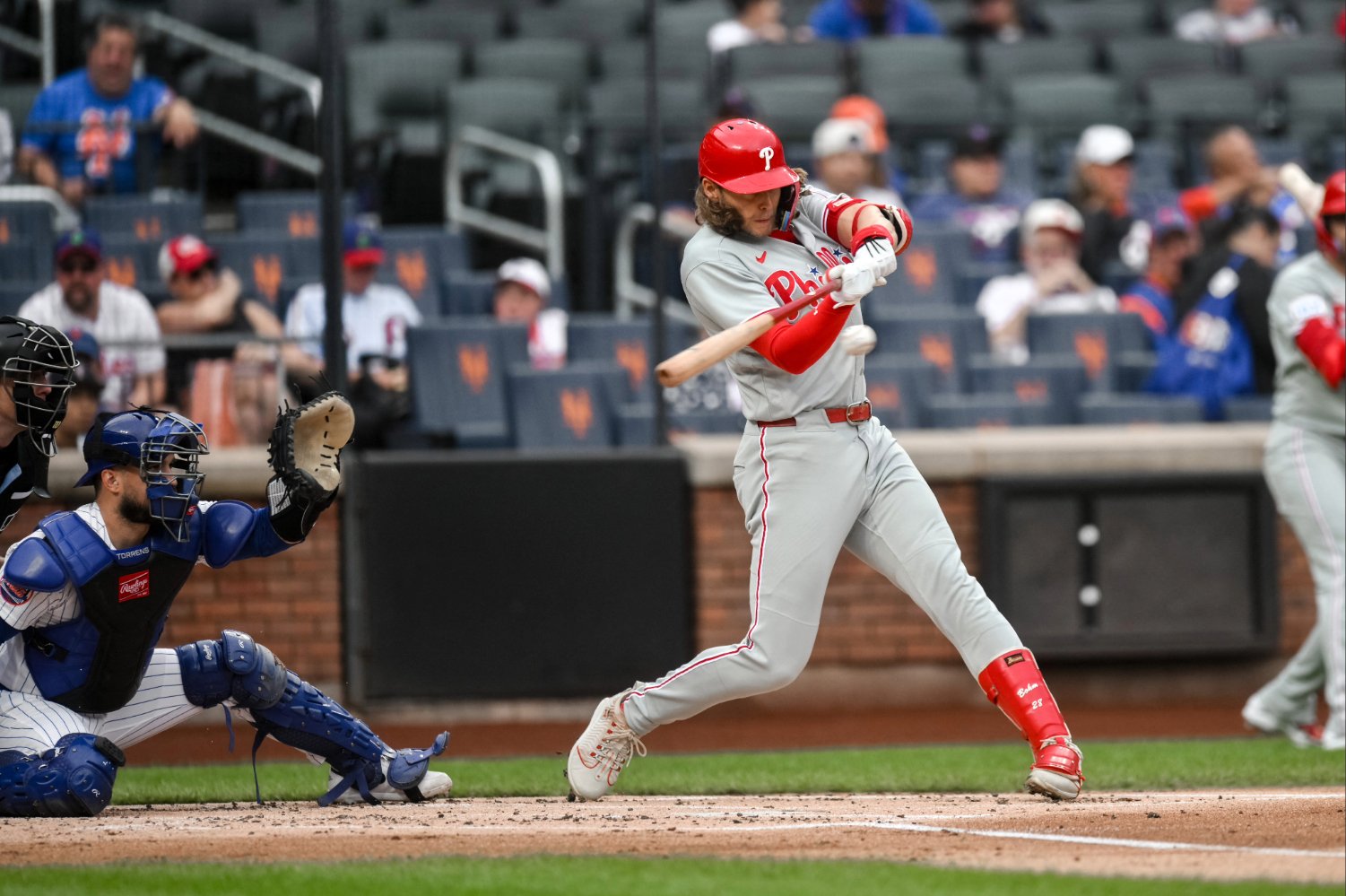 The New York Mets are, reportedly, among the teams interested in Alec Bohm. When I read the news, the first thing I thought about was not the great urgency the Mets have at first base, but how many real differences exist between the most recent versions of Mark Vientos and Bohm, since it is clear that neither of them went through a good season in 2026. Although Bohm bounced back a little this year, in these last two seasons he has been far from the hitter who finished with 97 RBIs in two consecutive seasons during 2023 and 2024. Vientos, for his part, just finished the worst season of his career, with a negative-1.1 fWAR and the lowest production in home runs, RBIs, batting average, on-base percentage, slugging and BABIP. However, and you have probably noticed where I am going with this, when we compare Vientos and Bohm over the span of these last few seasons, some things they have in common stand out, and the only thing that has been different is that both began their respective careers as third basemen and have had to move to first base early because of their major defensive problems. I think there is no discussion that Vientos’ power is more outstanding, but he also strikes out more—I will not talk about how terrible both of them are as baserunners—which gives Bohm the advantage because of his greater contact ability, although both are highly aggressive hitters who have a lot of trouble walking. On defense, Bohm has been the worst third baseman of his generation if we go by DRS, but, taking OAA into account, the difference is close again and Vientos loses a little ground as a first baseman. I think it is quite clear that both are very similar players and, given that Bohm has a cleaner track record health-wise and has more experience, he seems like a better version of Vientos. Let it be clear that I am not taking credit away from Bohm, who took on much more prominent roles than Vientos with the Phillies in recent years. However, there is no way I can see this as a real opportunity for improvement for the team. This is not a free agency class with great first basemen, but there are better options out there. Ty France, for instance, is still available. Plus, even if the Mets were to reach an agreement, we would have to see how Bohm would take to a semi-platoon role, since Jared Young should also be part of the conversation. The incumbent plays better defense at first base, with +2 DRS in 641⅔ innings there this year, in addition to his consistent performance against right-handed pitchers (120 wRC+). Although there is no way a possible acquisition of Bohm would inspire a great deal of confidence in the organization's plans, at least he should work against left-handed pitchers, whom he hit well last year, producing an .816 OPS with a 120 wRC+, by far a better performance than his marked drop to a .643 OPS and 77 wRC+ against right-handers. At least those latter marks were better than Vientos, who was once again terrible against right-handers, with a .538 OPS and 48 wRC+. But if that's the only bar we're trying to clear, the Mets aren't going to be much better in 2027.
-
One advantage that has made a genuine difference in the New York Mets’ pitching over the last two seasons has been the ability of their left-handed relievers to strike out hitters and avoid walks, keeping their K-BB% hovering above 16%. However, they have had different problems in 2025 and 2026 that should be a focus of attention for next season. Last year, hitters posted a .320 BABIP against that contingent, their highest mark since the 2020 season. That problem found some solution in 2026, when the left-handers combined to allow a .290 BABIP out of the bullpen, but then another complicated situation arose, and that was that hitters improved their HR/FB rate from 7.9% to 10.9%. With the exception of Brooks Raley (4.4%) and Nate Lavender (4.2%), the rest of the left-handers allowed a rate above 10%: Cionel Perez (25.0%), Jefry Yan (20.0%), Richard Lovelady (16.7%), A.J. Minter (11.4%), David Peterson (11.1%) and Sean Manaea (10.2%). In addition, most of them were vulnerable with runners on base. Among the pitchers still on the roster, Manaea (12.9 BB%) and Yan (12.2 BB%) were the most erratic arms. With the exception of Minter and Lavender, the rest posted walk rates above 6.0% with runners on base. Obviously, that is the exact opposite effect of what we want to see from the left-handed pitchers in a bullpen. The good news, within the chaos, is that the Mets took an interesting turn in the second half of the season, when it seemed that the departures of Raley and Minter would limit the bullpen’s left-handed power. It was quite the opposite, thanks to Lavender remaining consistent and being basically the only arm capable of handling pressure moments, driving a reduction in xFIP from 3.95 to 2.93, with a surprising 32.9% strikeout rate in 21 appearances. However, it is clear that Lavender will not be able to carry this load alone for an entire season, and we still need to see if he will manage to maintain the best version we saw this year when the workload increases and the league begins to adjust against his pitches. That said, the Mets have recently revealed that they will look for arms capable of handling the pressure, and there are several free agents who fit that profile, even with projections well above the value that Minter and Raley provided. One of my favorite choices at this point is left-hander Alex Vesia, who has garnered a strong reputation as a championship-caliber reliever in the Los Angeles Dodgers' bullpen. Two things I love about Vesia are that he has been accustomed to dealing with pressure and has been a consistent pitcher throughout his career, with the ability to take on large workloads. In his last five seasons, he has pitched in at least 56 games, with an average of 68 appearances per 162 games, accumulating 5.6 bWAR in 326 appearances during that period. Among all the free-agent relievers currently available on the market, Vesia has the highest strikeout rate (31.2%), even surpassing Adrian Morejon, plus the lowest xBA (.164) allowed, with the second-best xERA (2.68) and the second-best whiff rate (33.6%), in both aspects behind Morejon. He has also been a tormentor of left-handed hitters, limiting them to a career .170/.252/.277 slash line, with 189 strikeouts and just 49 walks in 548 matchups. In 2026, he had the highest number of matchups of his career against left-handed hitters (106) and limited them to a .471 OPS. Vesia does have a major flaw: his high walk rates, which often make him get himself into complicated situations. This year, he did not escape those problems, as his walk rate fell from the 28th percentile to the 4th, after finishing with a 16.0 BB% rate against right-handers, his worst mark since 2021, and 10.0% against left-handers, the highest since 2022. Still, Vesia remains effective enough to solve most problems under pressure. He has done so every year with his three elite pitches, his four-seam fastball, a sweeping slider that has been his main strikeout weapon, and a devastating changeup that led the league with a 48.5% whiff rate in 2026. If the Mets can look past his occasional control issues, he could become a key piece of their relief corps for the foreseeable future. Image courtesy of Michael McLoone-Imagn Images View full article
-
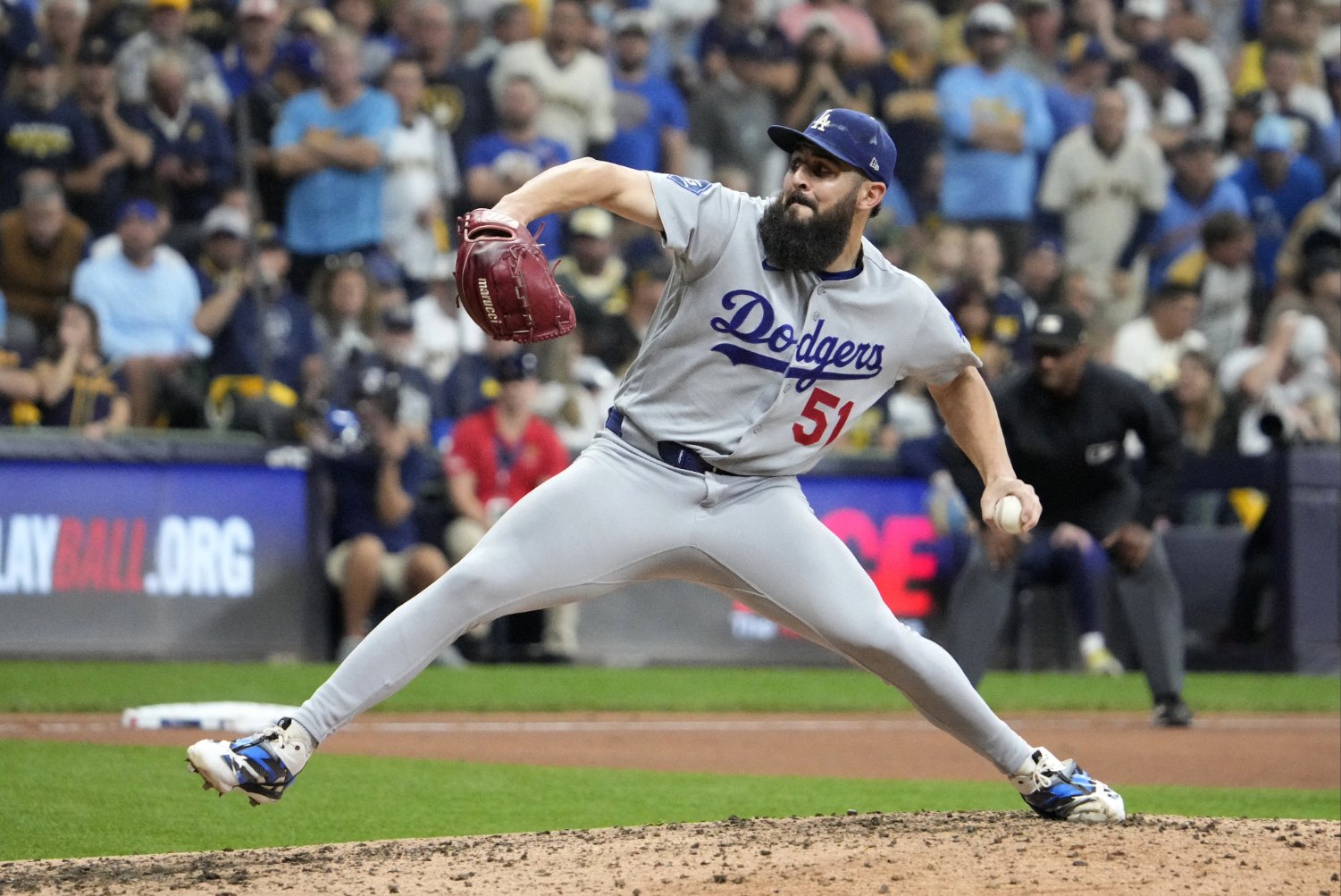 One advantage that has made a genuine difference in the New York Mets’ pitching over the last two seasons has been the ability of their left-handed relievers to strike out hitters and avoid walks, keeping their K-BB% hovering above 16%. However, they have had different problems in 2025 and 2026 that should be a focus of attention for next season. Last year, hitters posted a .320 BABIP against that contingent, their highest mark since the 2020 season. That problem found some solution in 2026, when the left-handers combined to allow a .290 BABIP out of the bullpen, but then another complicated situation arose, and that was that hitters improved their HR/FB rate from 7.9% to 10.9%. With the exception of Brooks Raley (4.4%) and Nate Lavender (4.2%), the rest of the left-handers allowed a rate above 10%: Cionel Perez (25.0%), Jefry Yan (20.0%), Richard Lovelady (16.7%), A.J. Minter (11.4%), David Peterson (11.1%) and Sean Manaea (10.2%). In addition, most of them were vulnerable with runners on base. Among the pitchers still on the roster, Manaea (12.9 BB%) and Yan (12.2 BB%) were the most erratic arms. With the exception of Minter and Lavender, the rest posted walk rates above 6.0% with runners on base. Obviously, that is the exact opposite effect of what we want to see from the left-handed pitchers in a bullpen. The good news, within the chaos, is that the Mets took an interesting turn in the second half of the season, when it seemed that the departures of Raley and Minter would limit the bullpen’s left-handed power. It was quite the opposite, thanks to Lavender remaining consistent and being basically the only arm capable of handling pressure moments, driving a reduction in xFIP from 3.95 to 2.93, with a surprising 32.9% strikeout rate in 21 appearances. However, it is clear that Lavender will not be able to carry this load alone for an entire season, and we still need to see if he will manage to maintain the best version we saw this year when the workload increases and the league begins to adjust against his pitches. That said, the Mets have recently revealed that they will look for arms capable of handling the pressure, and there are several free agents who fit that profile, even with projections well above the value that Minter and Raley provided. One of my favorite choices at this point is left-hander Alex Vesia, who has garnered a strong reputation as a championship-caliber reliever in the Los Angeles Dodgers' bullpen. Two things I love about Vesia are that he has been accustomed to dealing with pressure and has been a consistent pitcher throughout his career, with the ability to take on large workloads. In his last five seasons, he has pitched in at least 56 games, with an average of 68 appearances per 162 games, accumulating 5.6 bWAR in 326 appearances during that period. Among all the free-agent relievers currently available on the market, Vesia has the highest strikeout rate (31.2%), even surpassing Adrian Morejon, plus the lowest xBA (.164) allowed, with the second-best xERA (2.68) and the second-best whiff rate (33.6%), in both aspects behind Morejon. He has also been a tormentor of left-handed hitters, limiting them to a career .170/.252/.277 slash line, with 189 strikeouts and just 49 walks in 548 matchups. In 2026, he had the highest number of matchups of his career against left-handed hitters (106) and limited them to a .471 OPS. Vesia does have a major flaw: his high walk rates, which often make him get himself into complicated situations. This year, he did not escape those problems, as his walk rate fell from the 28th percentile to the 4th, after finishing with a 16.0 BB% rate against right-handers, his worst mark since 2021, and 10.0% against left-handers, the highest since 2022. Still, Vesia remains effective enough to solve most problems under pressure. He has done so every year with his three elite pitches, his four-seam fastball, a sweeping slider that has been his main strikeout weapon, and a devastating changeup that led the league with a 48.5% whiff rate in 2026. If the Mets can look past his occasional control issues, he could become a key piece of their relief corps for the foreseeable future.
-
When it comes to consistency, Raisel Iglesias has been one of the best closers of his generation. He is not a reliever who impresses with powerful raw stuff—since 2021, he has not ranked above the 73rd percentile in fastball velocity—but he has a lethal combination of changeup, sinker, and slider that has allowed him to remain among the elite at generating swings and misses and strikeouts. Iglesias’ changeup ranked in the 80th percentile in the league in 2026 in run value, recovering from a drop to 29th place in 2025. This shows that, when his command remains consistent and his best weapon is in play, he can still be a reliable closer. In fact, no pitcher has recorded more saves than him since 2023, accumulating 130 in 146 opportunities (89.0%), a percentage that has only been surpassed by Josh Hader (92.4%) and Jhoan Duran (89.1%). Iglesias has accumulated at least 30 saves in six of his ten MLB seasons since becoming a closer with the Cincinnati Reds in 2017, including two of the last three in 2024 and 2026 as the closer for the Atlanta Braves. Part of that stability is precisely what the New York Mets bullpen needed in 2026. Although it was not as disastrous as in 2025, when they finished with the lowest save percentage of this decade (59.7%), the Mets clearly need some help in the late innings of games. Another key point that we cannot overlook is that New York recorded just 49 save opportunities throughout the 2026 season, the lowest mark for a full season since the 51 in 2002, when this statistic began being recorded in the official MLB databases. This can be interpreted in several ways, since there will not be many save opportunities if the collective does not function and, especially, the offense is not capable of providing enough leads. If you can't score and you can't prevent the opponent from scoring runs, it is very difficult for you to generate more save opportunities—which is exactly why the Mets need to make the most of the ones they get. These trends further reinforce the need for the Mets to be aggressive in free agency to try to solve their bullpen problems, which lost several impact arms when Luke Weaver, Huascar Brazoban, Brooks Raley, and A.J. Minter were traded at the deadline. Added to that loss is the inconsistency of Devin Williams, who has been another major disappointment, as he has not been able to return to the level he previously displayed with the Milwaukee Brewers. Although Williams was placed on the injured list on August 10 after suffering a right shoulder strain, which opened an opportunity for Kodai Senga as a closer, his season-ending stretch once again raised many doubts. He finished with a 5.11 ERA and four saves in six opportunities during his final 13 appearances of the season. So, for the Mets, Iglesias’ proven consistency could provide a boost to bring stability back to the bullpen. MLB Trade Rumors has his value pegged at $17 million over one year, which is the going rate for a high-quality closer. Paying him and Williams a combined $34 million next year is an unsavory concept, but as far as high-leverage relievers go, Iglesias is probably going to be the most affordable of the bunch. Image courtesy of Dale Zanine-Imagn Images View full article
-
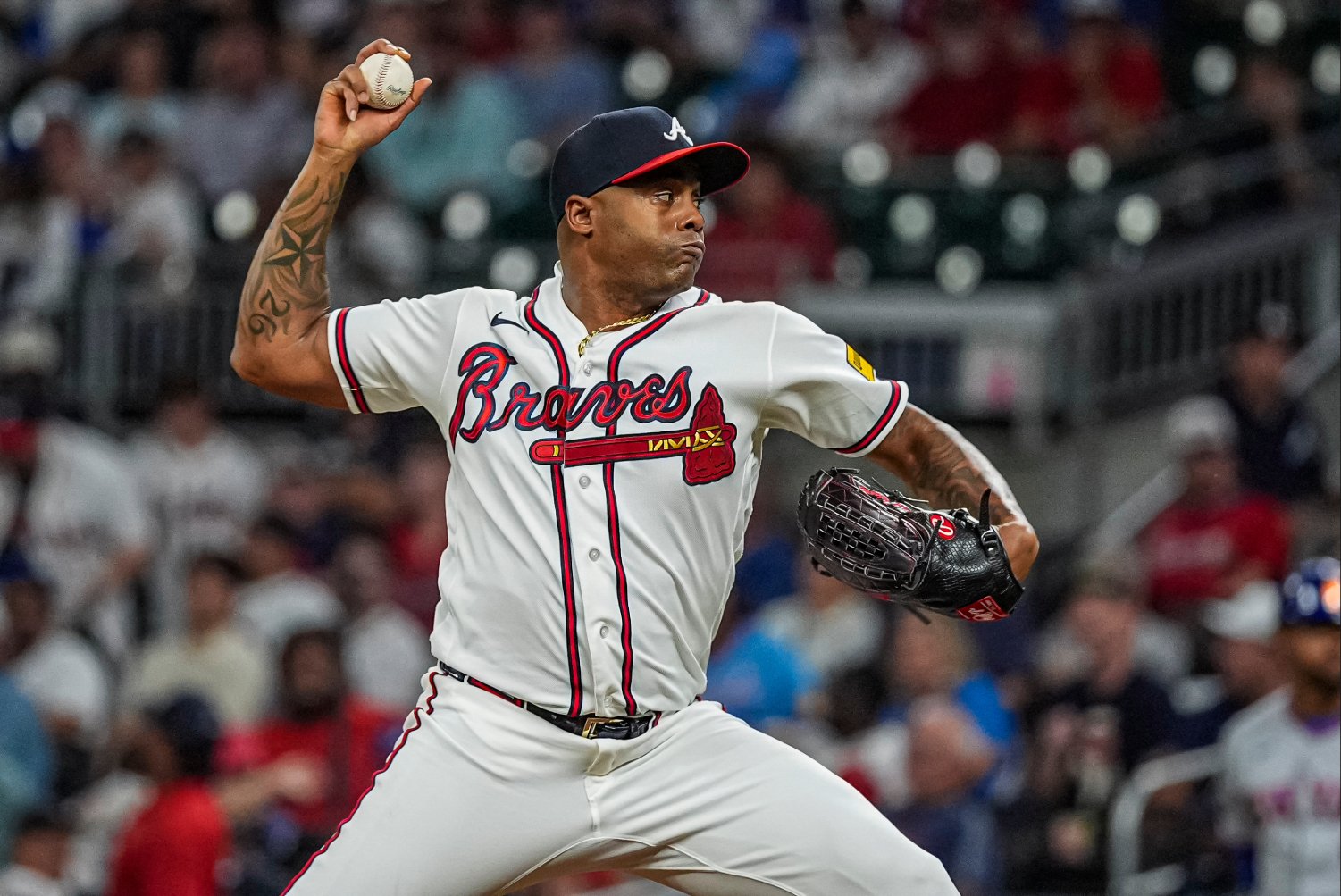 When it comes to consistency, Raisel Iglesias has been one of the best closers of his generation. He is not a reliever who impresses with powerful raw stuff—since 2021, he has not ranked above the 73rd percentile in fastball velocity—but he has a lethal combination of changeup, sinker, and slider that has allowed him to remain among the elite at generating swings and misses and strikeouts. Iglesias’ changeup ranked in the 80th percentile in the league in 2026 in run value, recovering from a drop to 29th place in 2025. This shows that, when his command remains consistent and his best weapon is in play, he can still be a reliable closer. In fact, no pitcher has recorded more saves than him since 2023, accumulating 130 in 146 opportunities (89.0%), a percentage that has only been surpassed by Josh Hader (92.4%) and Jhoan Duran (89.1%). Iglesias has accumulated at least 30 saves in six of his ten MLB seasons since becoming a closer with the Cincinnati Reds in 2017, including two of the last three in 2024 and 2026 as the closer for the Atlanta Braves. Part of that stability is precisely what the New York Mets bullpen needed in 2026. Although it was not as disastrous as in 2025, when they finished with the lowest save percentage of this decade (59.7%), the Mets clearly need some help in the late innings of games. Another key point that we cannot overlook is that New York recorded just 49 save opportunities throughout the 2026 season, the lowest mark for a full season since the 51 in 2002, when this statistic began being recorded in the official MLB databases. This can be interpreted in several ways, since there will not be many save opportunities if the collective does not function and, especially, the offense is not capable of providing enough leads. If you can't score and you can't prevent the opponent from scoring runs, it is very difficult for you to generate more save opportunities—which is exactly why the Mets need to make the most of the ones they get. These trends further reinforce the need for the Mets to be aggressive in free agency to try to solve their bullpen problems, which lost several impact arms when Luke Weaver, Huascar Brazoban, Brooks Raley, and A.J. Minter were traded at the deadline. Added to that loss is the inconsistency of Devin Williams, who has been another major disappointment, as he has not been able to return to the level he previously displayed with the Milwaukee Brewers. Although Williams was placed on the injured list on August 10 after suffering a right shoulder strain, which opened an opportunity for Kodai Senga as a closer, his season-ending stretch once again raised many doubts. He finished with a 5.11 ERA and four saves in six opportunities during his final 13 appearances of the season. So, for the Mets, Iglesias’ proven consistency could provide a boost to bring stability back to the bullpen. MLB Trade Rumors has his value pegged at $17 million over one year, which is the going rate for a high-quality closer. Paying him and Williams a combined $34 million next year is an unsavory concept, but as far as high-leverage relievers go, Iglesias is probably going to be the most affordable of the bunch.
-
The New York Mets’ rotation has young arms with potential, but relying solely on their development to solve the group’s shortcomings is an unnecessary risk. It's clear that they need reinforcements after a 2026 season marked by performance and availability problems. There are several pitchers (hint: Tarik Skubal) who have been floated as good fits in Queens, and veteran Sonny Gray is one of the starters we should not rule out as one of the interesting alternatives after rejecting his $30 million player option for 2027 and becoming a free agent. If you need durability and an experienced pitcher still capable of performing like an ace, Gray is your man. He was one of the American League’s elite starters in 2026 and once again showed that he can hold a rotation together for a good part of the schedule. He is coming off a 2.72 ERA, the second-lowest of his career, in 169 innings, with 18 wins and 184 strikeouts. Why might the risk be worth it? The Mets are in need of leadership on the pitching staff, which is why they traded for Freddy Peralta last offseason. Unfortunately, the Dominican right-hander was never able to establish himself enough as the head of the rotation. On the other hand, Gray carried the Red Sox in a season that began full of turbulence, in which they could barely count on their ace Garrett Crochet. He has pitched at least 160 innings in each of the last four years and has done so eight times in 12 full seasons in the major leagues, never failing to reach 100 innings in a full season. Among the 54 qualified starters with at least 500 innings pitched since 2023, Gray ranks sixth in xFIP (3.31) and seventh in fWAR (16.2). That said, Gray’s biggest concern regarding his performance (aside from his age) has been his drop in strikeout rate from 10.1 K/9 in 2025 to 7.93, his worst since he recorded 7.23 in 2016 during his last full season with the Athletics. That made him dependent on the great defense of the Red Sox, which the Mets can't replicate quite yet. Gray compensated for a good part of that risk with better control of hard contact, reducing his home runs allowed from 25 to 15 and raising his ground-ball rate to 47.9%. However, it was not enough to avoid contact in general, as his whiff rate dropped from 27.5% to 23.1%, while hitters made contact on 90.4% of their swings inside the zone and 54.1% outside it. FanGraphs projects a 168-inning season, a 3.81 ERA, and 3.0 WAR for 2027, which would be really strong production for a 37-year-old. Some may balk at the Mets handing another aging starter big money (most projections have him around $25-30 million per year over two or three years), but Gray just keeps getting better as he gets older. Save for Skubal, he might be the best pitcher available this offseason. Image courtesy of Brad Penner-Imagn Images View full article
-
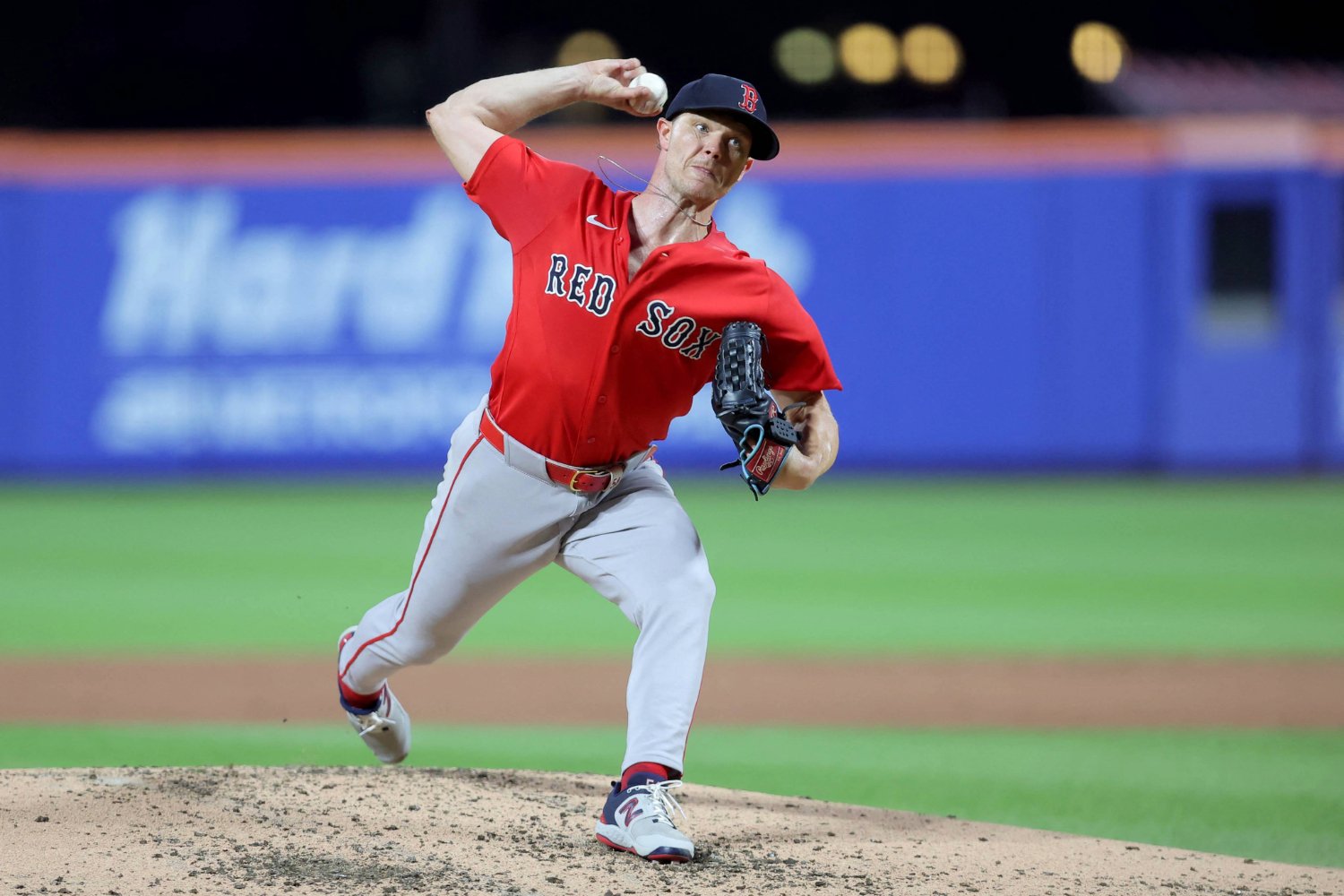 The New York Mets’ rotation has young arms with potential, but relying solely on their development to solve the group’s shortcomings is an unnecessary risk. It's clear that they need reinforcements after a 2026 season marked by performance and availability problems. There are several pitchers (hint: Tarik Skubal) who have been floated as good fits in Queens, and veteran Sonny Gray is one of the starters we should not rule out as one of the interesting alternatives after rejecting his $30 million player option for 2027 and becoming a free agent. If you need durability and an experienced pitcher still capable of performing like an ace, Gray is your man. He was one of the American League’s elite starters in 2026 and once again showed that he can hold a rotation together for a good part of the schedule. He is coming off a 2.72 ERA, the second-lowest of his career, in 169 innings, with 18 wins and 184 strikeouts. Why might the risk be worth it? The Mets are in need of leadership on the pitching staff, which is why they traded for Freddy Peralta last offseason. Unfortunately, the Dominican right-hander was never able to establish himself enough as the head of the rotation. On the other hand, Gray carried the Red Sox in a season that began full of turbulence, in which they could barely count on their ace Garrett Crochet. He has pitched at least 160 innings in each of the last four years and has done so eight times in 12 full seasons in the major leagues, never failing to reach 100 innings in a full season. Among the 54 qualified starters with at least 500 innings pitched since 2023, Gray ranks sixth in xFIP (3.31) and seventh in fWAR (16.2). That said, Gray’s biggest concern regarding his performance (aside from his age) has been his drop in strikeout rate from 10.1 K/9 in 2025 to 7.93, his worst since he recorded 7.23 in 2016 during his last full season with the Athletics. That made him dependent on the great defense of the Red Sox, which the Mets can't replicate quite yet. Gray compensated for a good part of that risk with better control of hard contact, reducing his home runs allowed from 25 to 15 and raising his ground-ball rate to 47.9%. However, it was not enough to avoid contact in general, as his whiff rate dropped from 27.5% to 23.1%, while hitters made contact on 90.4% of their swings inside the zone and 54.1% outside it. FanGraphs projects a 168-inning season, a 3.81 ERA, and 3.0 WAR for 2027, which would be really strong production for a 37-year-old. Some may balk at the Mets handing another aging starter big money (most projections have him around $25-30 million per year over two or three years), but Gray just keeps getting better as he gets older. Save for Skubal, he might be the best pitcher available this offseason.
-
It wasn't difficult to predict, but the New York Mets struggled badly at first base this year. In his end-of-season press conference, David Stearns acknowledged that the organization will look for external alternatives to strengthen the position. Obviously, none of those available on the free-agent market will come close to offering Pete Alonso’s offensive production, but some of them could somewhat offset what has been lost in the wake of his departure. We have discussed several candidates here, among whom Jake Bauers stood out, though he will have to respond to a pending $23.15 million qualifying offer from the Milwaukee Brewers. Among the available candidates is 32-year-old Ty France, who elected free agency on October 29 after starring in one of the most interesting comebacks of the season with the San Diego Padres. The first baseman went from needing an opportunity through a minor-league contract to producing a .295/.363/.502 slash line with 21 home runs, 72 RBIs, and a 141 wRC+. France posted career highs with 3.6 fWAR—practically matching his combined 4.1 total between the 2022 and 2025 seasons—a .207 ISO, a 7.4% walk rate, and a .342 BABIP, the best among all qualified first basemen in the majors. That offensive improvement brings him quite close to what had been his previous best stretch as a hitter when he posted 5.8 fWAR and hit 28 home runs between the 2022 and 2023 seasons with the Seattle Mariners, with the added value of improvements in contact quality and plate discipline. France finished in the 86th percentile in exit velocity and the 84th in Hard-Hit%, but I feel we should be cautious about his power, since his slugging percentage exceeded his xSLG by 81 points. So, we would have to see whether he can sustain his outstanding BABIP, especially when considering his chase rate rose to 34.5% and his whiff rate sat at 28.1%. Even with some flaws in his offensive game, France still possesses a huge floor thanks to a recent leap in defensive performance, finishing among the Gold Glove finalists at first base this year. After posting -12 Outs Above Average at the position in 2024, France moved to +10 in 2025 and won the American League Gold Glove. This year, he finished in the 93rd percentile in OAA and was the second-most efficient first baseman in the league at picking throws of all difficulty levels, with a +5 Receiving OAA mark, despite his 5’10” height not being ideal for the cold corner. France’s ability around the first base bag saved his teammates from throwing errors and avoided complications for the Padres’ pitching staff. Mark Vientos and Jared Young, who were usually responsible for the Mets’ first base duties, finished with +1 Receiving OAA combined, but Vientos was a disaster in every other aspect, finishing with -8 Fielding Run Value. Most likely, France will seek a multi-year contract, with a total value between $30 and $40 million, although some projections point to a smaller investment. Either way, the Mets would be able to afford him, and he'd bring a well-rounded skillset to Queens that would go a long way toward replacing Alonso. Image courtesy of Denis Poroy-Imagn Images View full article
-
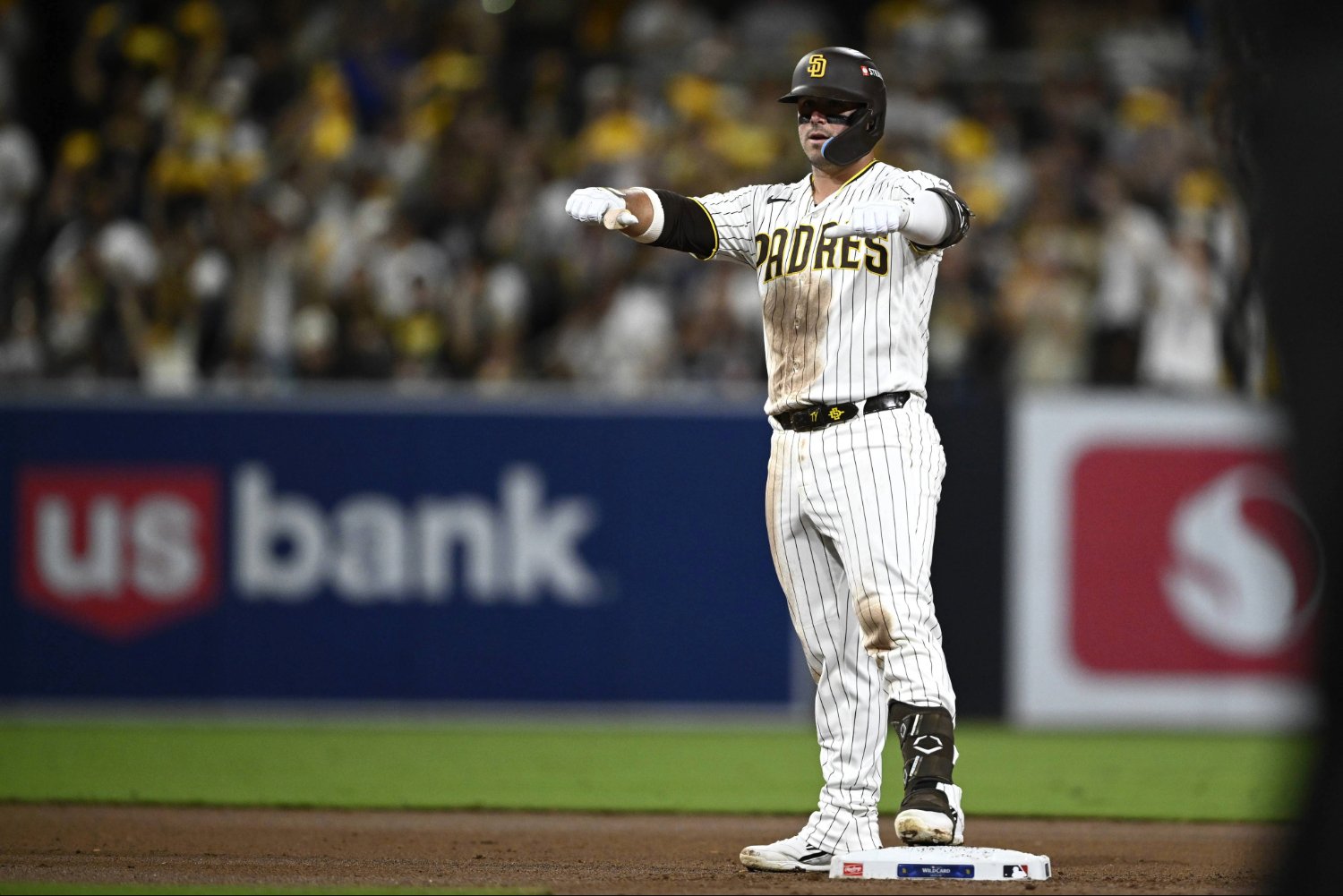 It wasn't difficult to predict, but the New York Mets struggled badly at first base this year. In his end-of-season press conference, David Stearns acknowledged that the organization will look for external alternatives to strengthen the position. Obviously, none of those available on the free-agent market will come close to offering Pete Alonso’s offensive production, but some of them could somewhat offset what has been lost in the wake of his departure. We have discussed several candidates here, among whom Jake Bauers stood out, though he will have to respond to a pending $23.15 million qualifying offer from the Milwaukee Brewers. Among the available candidates is 32-year-old Ty France, who elected free agency on October 29 after starring in one of the most interesting comebacks of the season with the San Diego Padres. The first baseman went from needing an opportunity through a minor-league contract to producing a .295/.363/.502 slash line with 21 home runs, 72 RBIs, and a 141 wRC+. France posted career highs with 3.6 fWAR—practically matching his combined 4.1 total between the 2022 and 2025 seasons—a .207 ISO, a 7.4% walk rate, and a .342 BABIP, the best among all qualified first basemen in the majors. That offensive improvement brings him quite close to what had been his previous best stretch as a hitter when he posted 5.8 fWAR and hit 28 home runs between the 2022 and 2023 seasons with the Seattle Mariners, with the added value of improvements in contact quality and plate discipline. France finished in the 86th percentile in exit velocity and the 84th in Hard-Hit%, but I feel we should be cautious about his power, since his slugging percentage exceeded his xSLG by 81 points. So, we would have to see whether he can sustain his outstanding BABIP, especially when considering his chase rate rose to 34.5% and his whiff rate sat at 28.1%. Even with some flaws in his offensive game, France still possesses a huge floor thanks to a recent leap in defensive performance, finishing among the Gold Glove finalists at first base this year. After posting -12 Outs Above Average at the position in 2024, France moved to +10 in 2025 and won the American League Gold Glove. This year, he finished in the 93rd percentile in OAA and was the second-most efficient first baseman in the league at picking throws of all difficulty levels, with a +5 Receiving OAA mark, despite his 5’10” height not being ideal for the cold corner. France’s ability around the first base bag saved his teammates from throwing errors and avoided complications for the Padres’ pitching staff. Mark Vientos and Jared Young, who were usually responsible for the Mets’ first base duties, finished with +1 Receiving OAA combined, but Vientos was a disaster in every other aspect, finishing with -8 Fielding Run Value. Most likely, France will seek a multi-year contract, with a total value between $30 and $40 million, although some projections point to a smaller investment. Either way, the Mets would be able to afford him, and he'd bring a well-rounded skillset to Queens that would go a long way toward replacing Alonso.
-
Not everything was destroyed at the trade deadline, but the New York Mets will have to rebuild part of their bullpen after losing Luke Weaver and Huascar Brazoban, two of their best arms in 2026. Nate Lavender's was one of the group’s revelations and he should receive a greater opportunity after he recorded a 1.66 ERA in 21⅔ innings down the stretch; despite his short stint, Lavender finished with the third-highest fWAR in the bullpen at 0.9, only behind Weaver (1.2) and Brazoban (1.0). However, he alone can't make up for all the talent the relief corps has lost. Devin Williams left doubts after recording a 4.43 ERA and 4.65 BB/9, and when he got hurt, Kodai Senga received opportunities and finished as the team’s closer. Senga will probably fight to return to the starting rotation next season, which is not certain either, but in any case, the Mets should not depend on either pitcher to carry the bullpen next year. Thus, it might take a pursuit of another marquee free agent to shore up the high-leverage group. If there is an elite arm on the free-agent market capable of meeting those needs, it's Adrian Morejon. In 2026, he recorded a 2.83 ERA, 107 strikeouts, and 28 walks in 86 innings and 76 appearances. Morejon has paved the way for closer Mason Miller over these last two seasons, but he has all the necessary characteristics to assume the closer role on any team. Morejon increased his strikeout rate from 26.0% in 2025 to 30.4% in 2026 and reduced his walks from 8.5% to 8.0%, a lethal adjustment for a pitcher capable of sustaining high velocity, raising the average velocity of his sinker from 97.7 to 99.5 mph. Without a doubt, velocity was key to the great leap in level in Morejon’s arsenal, who saw his strikeout rate jump from the 64th percentile to the 93rd and his whiff rate from the 37th to the 97th. Although his sinker had a +12 Run Value and continued to be his most-used pitch (47.5%), the changeup went from 6.6% to 23.1% usage and became just as strong of a weapon, generating a 56% whiff rate and limiting hitters to a .156 average and .182 slugging percentage. That evolution changed Morejon’s strategy, since he began using the changeup more in decisive situations and two-strike counts. Note that he also finished pitching 86 innings in 76 appearances, a new personal record, with 25 of them being appearances in which he pitched more than one inning. A former starter, there should be no doubt about his ability to hold up even with a big workload on his plate. Of course, there is concern about Morejon’s health, as he missed the last three games of the Division Series against the Milwaukee Brewers due to shoulder discomfort. There's no reason to believe that such an issue will be a long-term problem, but it is worth considering after the Mets dealt with so many injuries in 2026. The other interesting point here would be the obstacles that his signing would represent. The Padres extended him a qualifying offer, which Morejon will have to accept or reject before November 17. If he rejects it and signs with New York before a possible lockout, the Mets could lose their two highest available selections after the first round—the second-highest and the fifth-highest picks—and $1 million from their international signing bonus pool, according to the current rules for teams that pay the luxury tax. That's an enormous cost for a reliever. Still, Morejon might be the rare bullpen arm who is worth that kind of investment. He's one of the best left-handed pitchers in baseball and would bring a brand new dynamic to late-game situations in Queens. Image courtesy of Vincent Carchietta-Imagn Images View full article
-
Mets Free Agency Wish List: Adrian Morejon Is Worth the Enormous Cost
Yirsandy Rodríguez posted an article in Mets
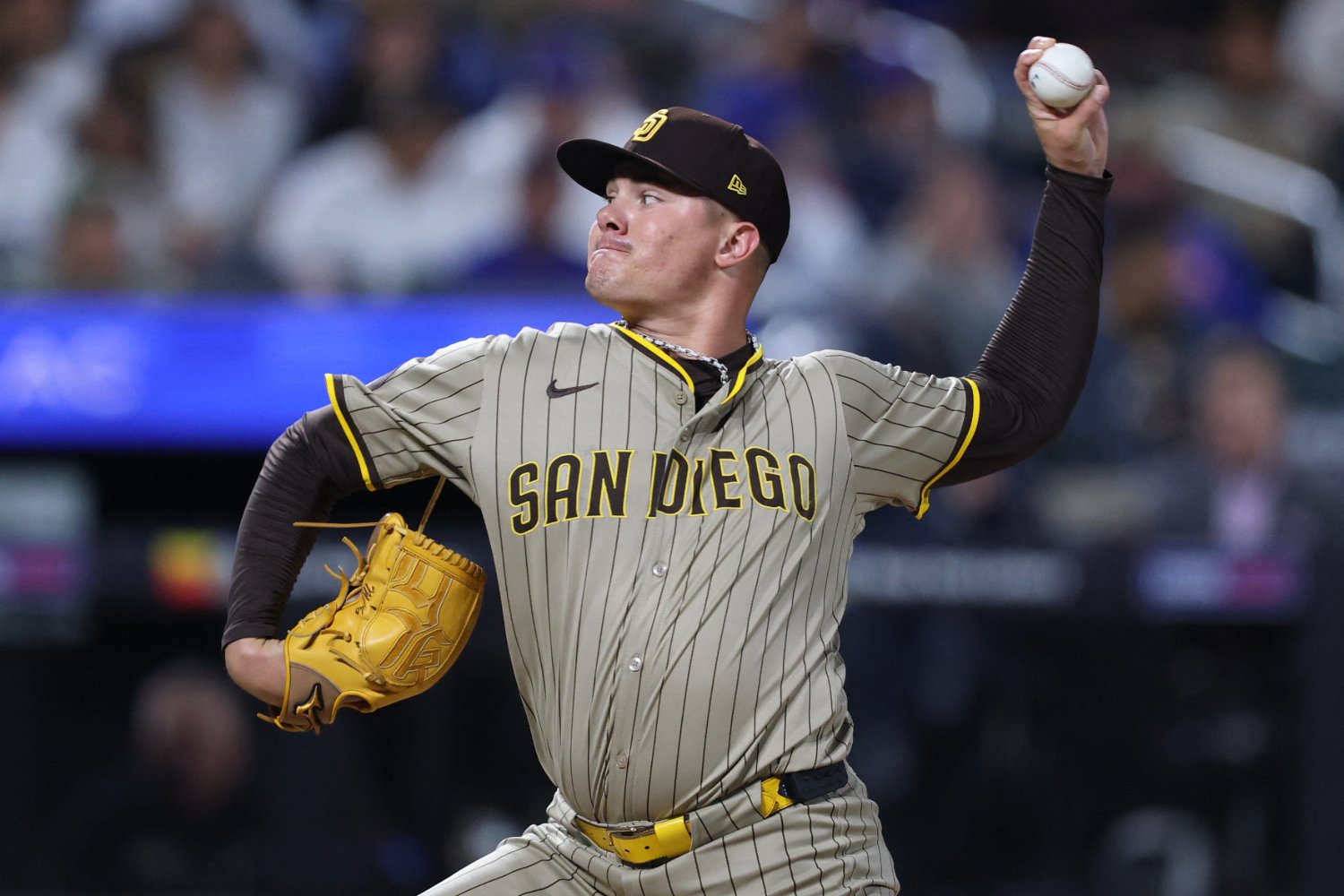 Not everything was destroyed at the trade deadline, but the New York Mets will have to rebuild part of their bullpen after losing Luke Weaver and Huascar Brazoban, two of their best arms in 2026. Nate Lavender's was one of the group’s revelations and he should receive a greater opportunity after he recorded a 1.66 ERA in 21⅔ innings down the stretch; despite his short stint, Lavender finished with the third-highest fWAR in the bullpen at 0.9, only behind Weaver (1.2) and Brazoban (1.0). However, he alone can't make up for all the talent the relief corps has lost. Devin Williams left doubts after recording a 4.43 ERA and 4.65 BB/9, and when he got hurt, Kodai Senga received opportunities and finished as the team’s closer. Senga will probably fight to return to the starting rotation next season, which is not certain either, but in any case, the Mets should not depend on either pitcher to carry the bullpen next year. Thus, it might take a pursuit of another marquee free agent to shore up the high-leverage group. If there is an elite arm on the free-agent market capable of meeting those needs, it's Adrian Morejon. In 2026, he recorded a 2.83 ERA, 107 strikeouts, and 28 walks in 86 innings and 76 appearances. Morejon has paved the way for closer Mason Miller over these last two seasons, but he has all the necessary characteristics to assume the closer role on any team. Morejon increased his strikeout rate from 26.0% in 2025 to 30.4% in 2026 and reduced his walks from 8.5% to 8.0%, a lethal adjustment for a pitcher capable of sustaining high velocity, raising the average velocity of his sinker from 97.7 to 99.5 mph. Without a doubt, velocity was key to the great leap in level in Morejon’s arsenal, who saw his strikeout rate jump from the 64th percentile to the 93rd and his whiff rate from the 37th to the 97th. Although his sinker had a +12 Run Value and continued to be his most-used pitch (47.5%), the changeup went from 6.6% to 23.1% usage and became just as strong of a weapon, generating a 56% whiff rate and limiting hitters to a .156 average and .182 slugging percentage. That evolution changed Morejon’s strategy, since he began using the changeup more in decisive situations and two-strike counts. Note that he also finished pitching 86 innings in 76 appearances, a new personal record, with 25 of them being appearances in which he pitched more than one inning. A former starter, there should be no doubt about his ability to hold up even with a big workload on his plate. Of course, there is concern about Morejon’s health, as he missed the last three games of the Division Series against the Milwaukee Brewers due to shoulder discomfort. There's no reason to believe that such an issue will be a long-term problem, but it is worth considering after the Mets dealt with so many injuries in 2026. The other interesting point here would be the obstacles that his signing would represent. The Padres extended him a qualifying offer, which Morejon will have to accept or reject before November 17. If he rejects it and signs with New York before a possible lockout, the Mets could lose their two highest available selections after the first round—the second-highest and the fifth-highest picks—and $1 million from their international signing bonus pool, according to the current rules for teams that pay the luxury tax. That's an enormous cost for a reliever. Still, Morejon might be the rare bullpen arm who is worth that kind of investment. He's one of the best left-handed pitchers in baseball and would bring a brand new dynamic to late-game situations in Queens.
-
He is not the typical first baseman from whom you can expect a lot of power, but Jake Bauers’ resurgence with the Milwaukee Brewers this year has proven his ability to be a full-time starter in the big leagues. Bauers, 30, finished the regular season with career highs in home runs (26), RBI (86), runs scored (93), walk rate (16.3%), isolated power (.218), BABIP (.320), xwOBA (.371), and an offensive line of .266/.389/.484, with a 143 wRC+ and 3.6 fWAR. Bauers' elite plate discipline led him to finish among the hitters with the lowest chase rate (21.7%) and the fifth-highest walk rate in the entire league. These strengths, along with his major baserunning improvements success, make one of the most interesting free agents for teams like the New York Mets, who desperately need to solve their problems at first base. After letting Pete Alonso go, one of the most questionable decisions of the Steven Cohen era, the Mets bet on Jorge Polanco to replace him at first base. The experiment lasted only two games and 20 defensive innings before injuries took him off the field. From there, the team looked for alternatives that failed to make up for Alonso’s offensive loss. At the end of the season, the Mets used eight different players at the position, and none of them was able to record 300 or more plate appearances. Jared Young was the one who offered the most stable performance, with a .270/.325/.431 line and a 110 wRC+ in 292 plate appearances as a first baseman over 81 games. He played 642 innings, and his defense, although it was not brilliant, was above average, with +1 Fielding Run Value. The other solution New York often found was Mark Vientos, who had a disastrous season both offensively and defensively. When he played as a first baseman, he recorded a disappointing 66 wRC+ in 237 plate appearances. His production was much better against left-handed pitchers (119 wRC+), but against right-handers, he saw his slugging percentage fall from .513 to .208 and recorded only a 48 wRC+. His defensive metrics were the worst on the entire team (-8 FRV). Brett Baty (77 wRC+ and -2 FRV) was another frequent cold corner option, and his results were also terrible when he played as a first baseman in 23 games. Since 2025, among all first basemen with at least 400 plate appearances, Bauers is the only one with a positive cumulative BsR (1.2), FanGraphs’ all-encompassing baserunning statistic. He also has the second-best wRC+ (146), behind the Athletics’ Nick Kurtz (151), and the second-highest on-base percentage (.395), only behind TJ Rumfield (.401). Those two offensive aspects help define his consistency, which would bring a whole new dimension to the Mets' infield. The Mets, of course, will have more options besides Bauers, such as Ty France and Paul Goldschmidt, two players with experience who could also be available on the market. However, I don’t think the San Diego Padres will let France go after his breakout campaign. Maybe Goldschmidt will be available as another option that we should not rule out. Now, if the Mets had to choose between Bauers, Goldschmidt, and other possible alternatives like Josh Bell, Nathaniel Lowe, Ryan Mountcastle, or Rowdy Tellez, Bauers would still be the most intriguing free agent. A lot of that is because it's impossible to avoid the impact he's made in the postseason, which has represented the most demanding test for Bauers. Beyond winning the NLCS MVP award, several of his at-bats have marked these playoffs: from his unforgettable 11-pitch battle, which ended with a two-run home run against left-hander Blake Snell in the seventh inning of Game 3 of the NLCS against the Los Angeles Dodgers, to the single against Drew Rasmussen in the first inning of Game 2 of the World Series, with which he contributed to an early rally after the Rays opened with a 4-0 lead on the scoreboard. Of course, Bauers will not replace Alonso; there's few players on earth capable of doing that. But as a postseason-tested veteran with a well-rounded game, he'd go a long way toward helping the Mets rebuild their lineup. Image courtesy of USA TODAY Network via Reuters Connect View full article
-
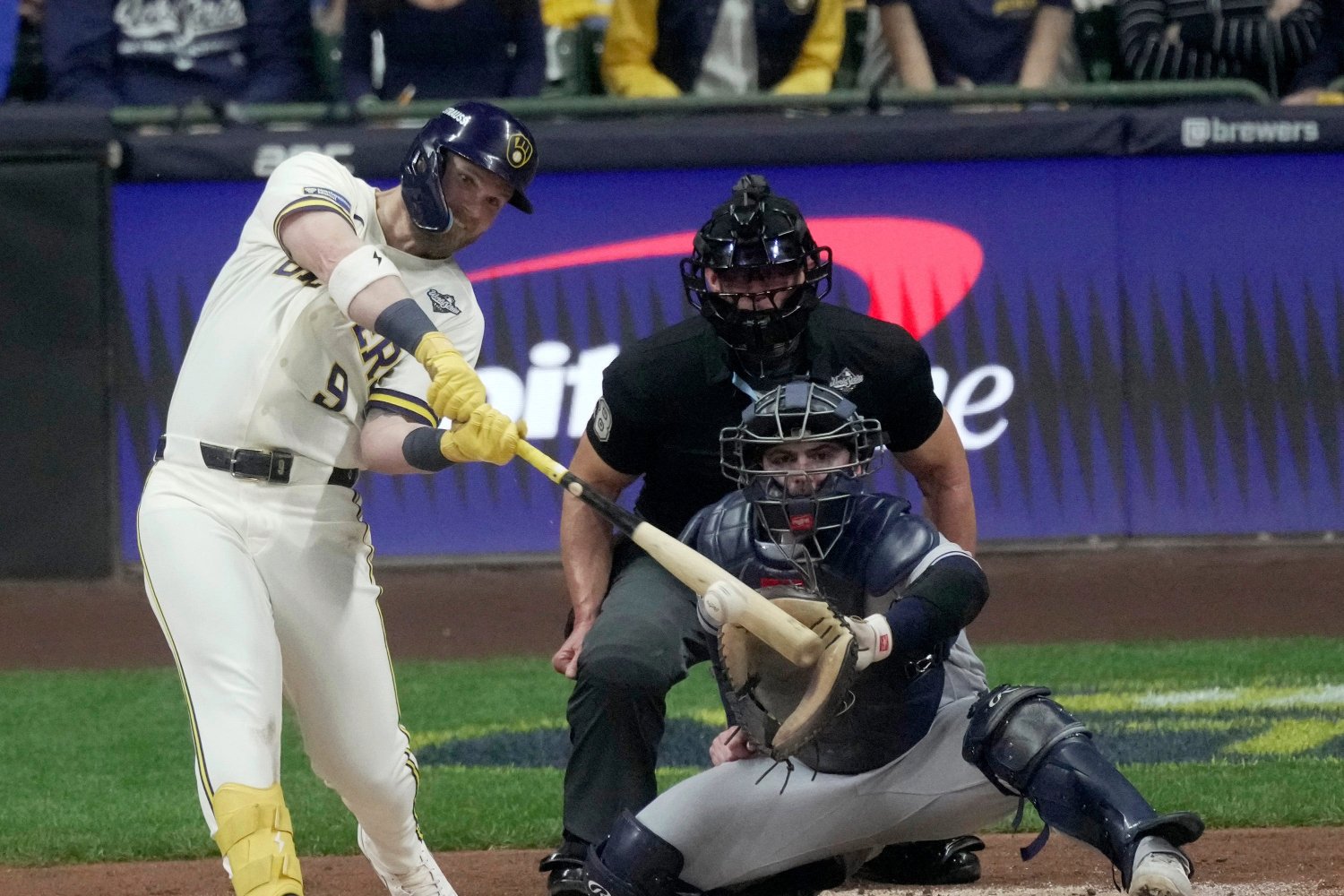 He is not the typical first baseman from whom you can expect a lot of power, but Jake Bauers’ resurgence with the Milwaukee Brewers this year has proven his ability to be a full-time starter in the big leagues. Bauers, 30, finished the regular season with career highs in home runs (26), RBI (86), runs scored (93), walk rate (16.3%), isolated power (.218), BABIP (.320), xwOBA (.371), and an offensive line of .266/.389/.484, with a 143 wRC+ and 3.6 fWAR. Bauers' elite plate discipline led him to finish among the hitters with the lowest chase rate (21.7%) and the fifth-highest walk rate in the entire league. These strengths, along with his major baserunning improvements success, make one of the most interesting free agents for teams like the New York Mets, who desperately need to solve their problems at first base. After letting Pete Alonso go, one of the most questionable decisions of the Steven Cohen era, the Mets bet on Jorge Polanco to replace him at first base. The experiment lasted only two games and 20 defensive innings before injuries took him off the field. From there, the team looked for alternatives that failed to make up for Alonso’s offensive loss. At the end of the season, the Mets used eight different players at the position, and none of them was able to record 300 or more plate appearances. Jared Young was the one who offered the most stable performance, with a .270/.325/.431 line and a 110 wRC+ in 292 plate appearances as a first baseman over 81 games. He played 642 innings, and his defense, although it was not brilliant, was above average, with +1 Fielding Run Value. The other solution New York often found was Mark Vientos, who had a disastrous season both offensively and defensively. When he played as a first baseman, he recorded a disappointing 66 wRC+ in 237 plate appearances. His production was much better against left-handed pitchers (119 wRC+), but against right-handers, he saw his slugging percentage fall from .513 to .208 and recorded only a 48 wRC+. His defensive metrics were the worst on the entire team (-8 FRV). Brett Baty (77 wRC+ and -2 FRV) was another frequent cold corner option, and his results were also terrible when he played as a first baseman in 23 games. Since 2025, among all first basemen with at least 400 plate appearances, Bauers is the only one with a positive cumulative BsR (1.2), FanGraphs’ all-encompassing baserunning statistic. He also has the second-best wRC+ (146), behind the Athletics’ Nick Kurtz (151), and the second-highest on-base percentage (.395), only behind TJ Rumfield (.401). Those two offensive aspects help define his consistency, which would bring a whole new dimension to the Mets' infield. The Mets, of course, will have more options besides Bauers, such as Ty France and Paul Goldschmidt, two players with experience who could also be available on the market. However, I don’t think the San Diego Padres will let France go after his breakout campaign. Maybe Goldschmidt will be available as another option that we should not rule out. Now, if the Mets had to choose between Bauers, Goldschmidt, and other possible alternatives like Josh Bell, Nathaniel Lowe, Ryan Mountcastle, or Rowdy Tellez, Bauers would still be the most intriguing free agent. A lot of that is because it's impossible to avoid the impact he's made in the postseason, which has represented the most demanding test for Bauers. Beyond winning the NLCS MVP award, several of his at-bats have marked these playoffs: from his unforgettable 11-pitch battle, which ended with a two-run home run against left-hander Blake Snell in the seventh inning of Game 3 of the NLCS against the Los Angeles Dodgers, to the single against Drew Rasmussen in the first inning of Game 2 of the World Series, with which he contributed to an early rally after the Rays opened with a 4-0 lead on the scoreboard. Of course, Bauers will not replace Alonso; there's few players on earth capable of doing that. But as a postseason-tested veteran with a well-rounded game, he'd go a long way toward helping the Mets rebuild their lineup.
-
The defense, which was without a doubt the most concerning point for the New York Mets after signing Bo Bichette for $126 million, ended up not causing a huge headache. His adaptation to playing third base was one of the biggest uncertainties from the moment Bichette arrived at spring training, and not only because he had never played even a single inning at third base throughout his career. The big problem was that Bichette had just finished the worst defensive season of his career, recording -10 Fielding Run Value in the 1,139 innings he played at shortstop for the Toronto Blue Jays in 2025. Much of the inconsistency was in his range, so the fact that he was facing a new position required an intense process for Bichette, who at the beginning did not seem comfortable at all. The final results, though, were truly encouraging, as he finished with +1 Out Above Average, only the second positive mark of his career, and the first since 2024 when he was involved in 244 plays as a shortstop. As a third baseman, his problems completing plays to his right became less frequent, but his range remained limited when he tried to field balls hit to his left. In the time he played at shortstop, about 391 innings during Francisco Lindor’s absence due to injury, Bichette recorded -2 OAA, which ended up influencing his overall -2 FRV result in 2026. So, while he kept his head above water with the glove, what did fall short of expectations was his offense, the main thing that made Bichette a sought-after free agent. For the first time in a qualified season throughout his career, his bat’s contribution fell below average after finishing with a 96 wRC+, a noticeable drop-off from 2025 when he posted a 134 mark. However, it is worth noting that much of Bichette’s problem finding his rhythm at the plate came because of an extremely slow start during the first two months of the season, when his wRC+ sat at just 64. The underlying metrics were far more positive during that early slump, and in June, he improved to a 140 wRC+ and produced a .321/.342/.541 line, with five home runs, seven doubles, one triple, and 18 RBIs, and finished tied for fourth in the league in hits. The streak continued, and he recorded at least one hit in 22 of 26 games from June 11 to July 8, hitting .336/.365/.533 (36-for-107), with five home runs during that period. From there, the expected statistics that offered hope began to turn in his favor. Bichette had hit just .213 (52-for-244) in his first 61 games of the campaign, but then he heated up, and for the rest of the way his swing produced as it usually does, providing plenty of contact. He hit .289 (114-for-394) in his last 99 games of the season—from June 3 onward—and during that period, he tied for seventh in the majors in hits. Another key point in his season was his timely hitting, leading the lineup with 59 RBIs when he had runners in scoring position. So, in a way, Bichette delivered the big bat the Mets needed and stayed healthy, to the point of setting a personal record with 160 games played. It was not an ideal debut season, but there's plenty for him to build on next year now that he's officially opted into his contract for 2027. Image courtesy of Matt Marton-Imagn Images View full article
-
Bo Bichette Returns to Mets After Summer Revival At the Plate
Yirsandy Rodríguez posted an article in Mets
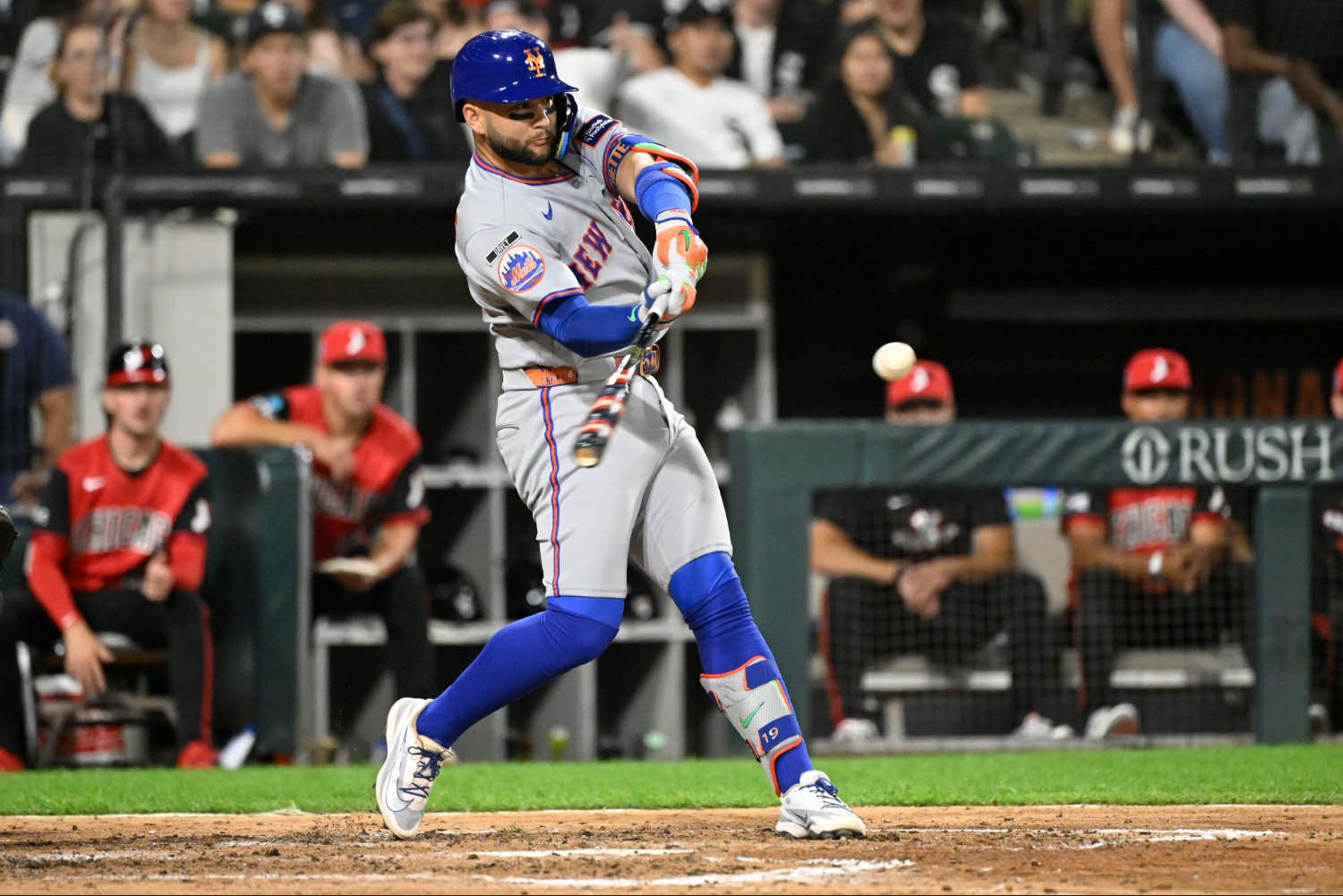 The defense, which was without a doubt the most concerning point for the New York Mets after signing Bo Bichette for $126 million, ended up not causing a huge headache. His adaptation to playing third base was one of the biggest uncertainties from the moment Bichette arrived at spring training, and not only because he had never played even a single inning at third base throughout his career. The big problem was that Bichette had just finished the worst defensive season of his career, recording -10 Fielding Run Value in the 1,139 innings he played at shortstop for the Toronto Blue Jays in 2025. Much of the inconsistency was in his range, so the fact that he was facing a new position required an intense process for Bichette, who at the beginning did not seem comfortable at all. The final results, though, were truly encouraging, as he finished with +1 Out Above Average, only the second positive mark of his career, and the first since 2024 when he was involved in 244 plays as a shortstop. As a third baseman, his problems completing plays to his right became less frequent, but his range remained limited when he tried to field balls hit to his left. In the time he played at shortstop, about 391 innings during Francisco Lindor’s absence due to injury, Bichette recorded -2 OAA, which ended up influencing his overall -2 FRV result in 2026. So, while he kept his head above water with the glove, what did fall short of expectations was his offense, the main thing that made Bichette a sought-after free agent. For the first time in a qualified season throughout his career, his bat’s contribution fell below average after finishing with a 96 wRC+, a noticeable drop-off from 2025 when he posted a 134 mark. However, it is worth noting that much of Bichette’s problem finding his rhythm at the plate came because of an extremely slow start during the first two months of the season, when his wRC+ sat at just 64. The underlying metrics were far more positive during that early slump, and in June, he improved to a 140 wRC+ and produced a .321/.342/.541 line, with five home runs, seven doubles, one triple, and 18 RBIs, and finished tied for fourth in the league in hits. The streak continued, and he recorded at least one hit in 22 of 26 games from June 11 to July 8, hitting .336/.365/.533 (36-for-107), with five home runs during that period. From there, the expected statistics that offered hope began to turn in his favor. Bichette had hit just .213 (52-for-244) in his first 61 games of the campaign, but then he heated up, and for the rest of the way his swing produced as it usually does, providing plenty of contact. He hit .289 (114-for-394) in his last 99 games of the season—from June 3 onward—and during that period, he tied for seventh in the majors in hits. Another key point in his season was his timely hitting, leading the lineup with 59 RBIs when he had runners in scoring position. So, in a way, Bichette delivered the big bat the Mets needed and stayed healthy, to the point of setting a personal record with 160 games played. It was not an ideal debut season, but there's plenty for him to build on next year now that he's officially opted into his contract for 2027.
-
As is usually the case for a rookie, it was a season of challenges and lessons for A.J. Ewing and, if I had to choose a breakout player for the New York Mets from 2026, I would go with him. I love Carson Benge and enjoyed his season from Opening Day onward, but we had much higher expectations for what he would be capable of doing with his tools given his history as one of the top prospects in the organization. In contrast, Ewing began the 2026 season with the Binghamton Rumble Ponies, the Double-A team. There, he hit .349 (22-for-63), with two home runs, six doubles, one triple, seven RBIs, 16 runs scored, 17 walks, 12 stolen bases, a .481 OBP, and a .571 slugging percentage in 18 games. He was then promoted to Triple-A Syracuse on April 27, and his bat continued to produce, as he posted a .326/.392/.435 slash line, with three doubles, one triple, four RBIs, nine runs scored, and five stolen bases in 12 games with the Syracuse Mets. His performance earned him a spot on the MLB roster on May 12. His debut at just 21 years old generated a lot of excitement because of the way he burst onto the scene at a time when the team was still trying to find its rhythm. He went 1-for-2 with a triple, two RBIs, three walks, two runs scored, and one stolen base in his major-league debut on May 12 against the Detroit Tigers. That performance made him the first Mets player to hit a triple in his debut, joining Leroy Stanton (9/28/1970), Eric Cammack (7/5/00), and Marco Scutaro (7/22/02) as the only Mets players to smack a triple as their first career hit. The three walks he drew—including one that drove in a run with the bases loaded in the eighth inning—also made franchise history for a debut. From that point forward, Ewing showed his ability to handle big situations and succeed with several of his main tools, such as his speed, his ability to play elite defense in center field, and his contact ability, which looked much better when we analyze his expected stats. Throughout the season, it was reasonable to expect a little anxiety at the plate as Ewing got used to playing every day and the league began attacking him in his weaker areas, such as his struggles against sliders and changeups, which were exposed all the time. However, his identity as a hitter did not change much, and that is one of the most interesting aspects of his season looking ahead. Ewing stayed true to his plan and did not even fall apart during his worst moments. He continued to control his aggression, which is not very common among such young hitters facing baseball’s highest level. He finished in the 69th percentile in chase rate, the 52nd percentile in walk rate, and the 59th percentile in hard-hit rate, three metrics in which he was more stable than Benge. Here, we can see some interesting differences between the two players, as Benge was much more consistent at hitting the ball and, in general, was a more complete player in every aspect of the game. I am not looking at this as a comparison simply to find out who is better, because it is clear that Benge had the better rookie season. However, if you look at all the different metrics, the differences between them are not that far apart. Benge had a greater offensive impact, but I feel that if Ewing can work on improving his contact and maintain the quality of his balls in play, the difference we are seeing in their expected stats could favor him a little more. One of Ewing’s biggest problems was strikeouts, and 49.8% of them came against pitches that were not fastballs. Although he struggled against fastballs in the upper third of the strike zone (he swung under them with troubling frequency) Ewing averaged a .286 xBA against fastballs. In contrast, breaking balls and changeups were a lethal combination and left him with a 36.2% whiff rate and just a .218 xBA. As for baserunning and defense, both Benge and Ewing performed at a high level, with just two interesting differences. Benge showed incredible arm strength, but Ewing was much better in OAA and finished in the 94th percentile in sprint speed, leaving Benge (82nd percentile) in the dust. Ewing also knew how to use his speed to become a threat on the bases. He led all rookies with 25 stolen bases and set the franchise record for a rookie, surpassing the previous mark of 24 set by Mookie Wilson in 1981. Both Benge and Ewing were fun to watch, and the most interesting thing is that, in a disastrous season, both were able to make the most of their opportunities and have now become two of the franchise’s most promising figures heading into 2027. Image courtesy of Vincent Carchietta-Imagn Images View full article
-
- 1
-

-
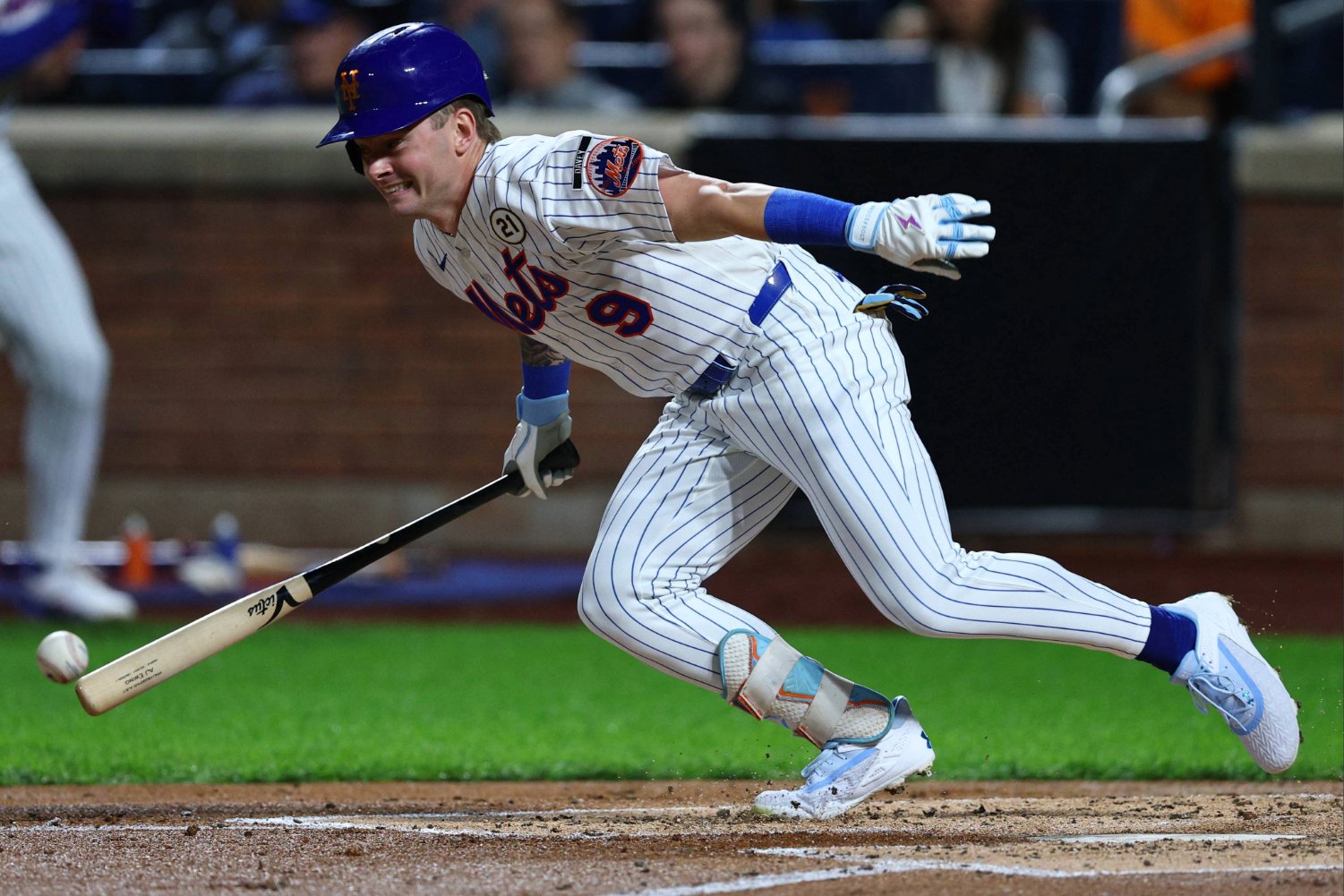 As is usually the case for a rookie, it was a season of challenges and lessons for A.J. Ewing and, if I had to choose a breakout player for the New York Mets from 2026, I would go with him. I love Carson Benge and enjoyed his season from Opening Day onward, but we had much higher expectations for what he would be capable of doing with his tools given his history as one of the top prospects in the organization. In contrast, Ewing began the 2026 season with the Binghamton Rumble Ponies, the Double-A team. There, he hit .349 (22-for-63), with two home runs, six doubles, one triple, seven RBIs, 16 runs scored, 17 walks, 12 stolen bases, a .481 OBP, and a .571 slugging percentage in 18 games. He was then promoted to Triple-A Syracuse on April 27, and his bat continued to produce, as he posted a .326/.392/.435 slash line, with three doubles, one triple, four RBIs, nine runs scored, and five stolen bases in 12 games with the Syracuse Mets. His performance earned him a spot on the MLB roster on May 12. His debut at just 21 years old generated a lot of excitement because of the way he burst onto the scene at a time when the team was still trying to find its rhythm. He went 1-for-2 with a triple, two RBIs, three walks, two runs scored, and one stolen base in his major-league debut on May 12 against the Detroit Tigers. That performance made him the first Mets player to hit a triple in his debut, joining Leroy Stanton (9/28/1970), Eric Cammack (7/5/00), and Marco Scutaro (7/22/02) as the only Mets players to smack a triple as their first career hit. The three walks he drew—including one that drove in a run with the bases loaded in the eighth inning—also made franchise history for a debut. From that point forward, Ewing showed his ability to handle big situations and succeed with several of his main tools, such as his speed, his ability to play elite defense in center field, and his contact ability, which looked much better when we analyze his expected stats. Throughout the season, it was reasonable to expect a little anxiety at the plate as Ewing got used to playing every day and the league began attacking him in his weaker areas, such as his struggles against sliders and changeups, which were exposed all the time. However, his identity as a hitter did not change much, and that is one of the most interesting aspects of his season looking ahead. Ewing stayed true to his plan and did not even fall apart during his worst moments. He continued to control his aggression, which is not very common among such young hitters facing baseball’s highest level. He finished in the 69th percentile in chase rate, the 52nd percentile in walk rate, and the 59th percentile in hard-hit rate, three metrics in which he was more stable than Benge. Here, we can see some interesting differences between the two players, as Benge was much more consistent at hitting the ball and, in general, was a more complete player in every aspect of the game. I am not looking at this as a comparison simply to find out who is better, because it is clear that Benge had the better rookie season. However, if you look at all the different metrics, the differences between them are not that far apart. Benge had a greater offensive impact, but I feel that if Ewing can work on improving his contact and maintain the quality of his balls in play, the difference we are seeing in their expected stats could favor him a little more. One of Ewing’s biggest problems was strikeouts, and 49.8% of them came against pitches that were not fastballs. Although he struggled against fastballs in the upper third of the strike zone (he swung under them with troubling frequency) Ewing averaged a .286 xBA against fastballs. In contrast, breaking balls and changeups were a lethal combination and left him with a 36.2% whiff rate and just a .218 xBA. As for baserunning and defense, both Benge and Ewing performed at a high level, with just two interesting differences. Benge showed incredible arm strength, but Ewing was much better in OAA and finished in the 94th percentile in sprint speed, leaving Benge (82nd percentile) in the dust. Ewing also knew how to use his speed to become a threat on the bases. He led all rookies with 25 stolen bases and set the franchise record for a rookie, surpassing the previous mark of 24 set by Mookie Wilson in 1981. Both Benge and Ewing were fun to watch, and the most interesting thing is that, in a disastrous season, both were able to make the most of their opportunities and have now become two of the franchise’s most promising figures heading into 2027.
-
Image courtesy of Raymond Carlin III-Imagn Images Maybe the end of Brett Baty’s 2026 season left some off with a different sentiment the one he inspired among fans for most of the year. In a way, that is what tends to happen when a player finishes strong and leaves us with a positive final impression. But at the end of the day, Baty’s streak of producing a 1.088 OPS over a 10-game stretch between August 16 and September 25 was not enough to change the outcome of a season filled with inconsistencies. That is why I have a feeling similar to the one I had last season, especially when looking at Baty’s final line before getting into the factors that caused his regressions. In many ways, he was the same hitter. 2025 season: .254/.313/.435, 18 HR, 50 RBIs, 53 R, .304 BABIP, 109 wRC+, 2.2 fWAR in 432 PAs. 2026 season: .236/.309/.371, 11 HR, 56 RBIs, 53 R, .304 BABIP, 91 wRC+, 1.0 fWAR in 473 PAs. Those lines are remarkably similar, for better and worse. The same runs scored, the same BABIP, and a similar ability to maintain his plate discipline, combined with fewer home runs but more RBIs. The drop-off in wRC+ and fWAR was steeper than you'd think, but he was still fundamentally the same hitter. However, there were two aspects that had the biggest impact on Baty’s season: his inability hit left-handed pitchers, as well as the inconsistency caused by his drops in bat speed. As for the first point, it's not that we should have expected progress in his power against lefties. He has never managed to develop it and is heading into his sixth season in the majors. But, in the hypothetical case that this becomes his next goal, he would first have to improve his contact. I don’t think this will surprise you, but Baty hit all 11 of his home runs in 2026 against right-handed pitchers; against lefties, he finished with a .225 slugging percentage, just a .050 ISO, and only three RBIs in 91 plate appearances. His career OPS against lefties is .534 in 317 plate appearances. Even so, the Mets continued with their philosophy of keeping Baty in certain matchups and situations against left-handed pitchers, although they could have reduced his playing time even further, given his absolutely nonexistent track record of production in those matchups. It is understandable that going up to bat and handling at-bats against any pitcher is Baty’s job, and it is clear that he got much of that playing time because New York’s offense was a failure amid injuries and inconsistencies. Either way, this has been just another chapter in Baty’s career and in the Mets’ inability to make their offense work. That said, let’s focus on one of the aspects that ended up generating greater expectations for Baty’s swing, especially during the second half of the season: his bat speed. As he swung faster, his numbers underwent a considerable change in the second half of the season. Split / Metric PA HR K% xBA xSLG BABIP Whiff% EV (MPH) Barrel/BBE% Avg. Bat Speed Bat Speed Under 70 mph 49 0 53.1% .121 .142 .273 44.8% 72.3 0.0% 59.6 Bat Speed 70+ 339 11 19.5% .284 .489 .317 26.6% 91.8 11.0% 75.8 First Half 328 4 27.1% .236 .374 .299 28.8% 89.3 8.7% 72.8 There you can see all the major changes, but pay attention to two key details. When Baty’s bat speed exceeded 70 mph, his power seemed to unlock: he hit all his home runs, became less vulnerable with two strikes, reduced his whiff rate by nearly 20%, and recorded all his barrels. When Baty stayed below 70 mph in bat speed, his .142 xSLG was the worst on the team all year. While most hitters tend to produce better contact with slower swings (bat "control" and bat "speed" are often considered a trade-off), Baty doesn't seem to have the same issue. Perhaps it's a confidence thing, but when he's gripping and ripping it, better results tend to follow. We'll see how the Mets react to this data with their offseason plan for Baty, but his role as a platoon threat on this roster is crystal clear for now. View full article
-
The More Brett Baty Changes, the More Things Stay the Same
Yirsandy Rodríguez posted an article in Mets
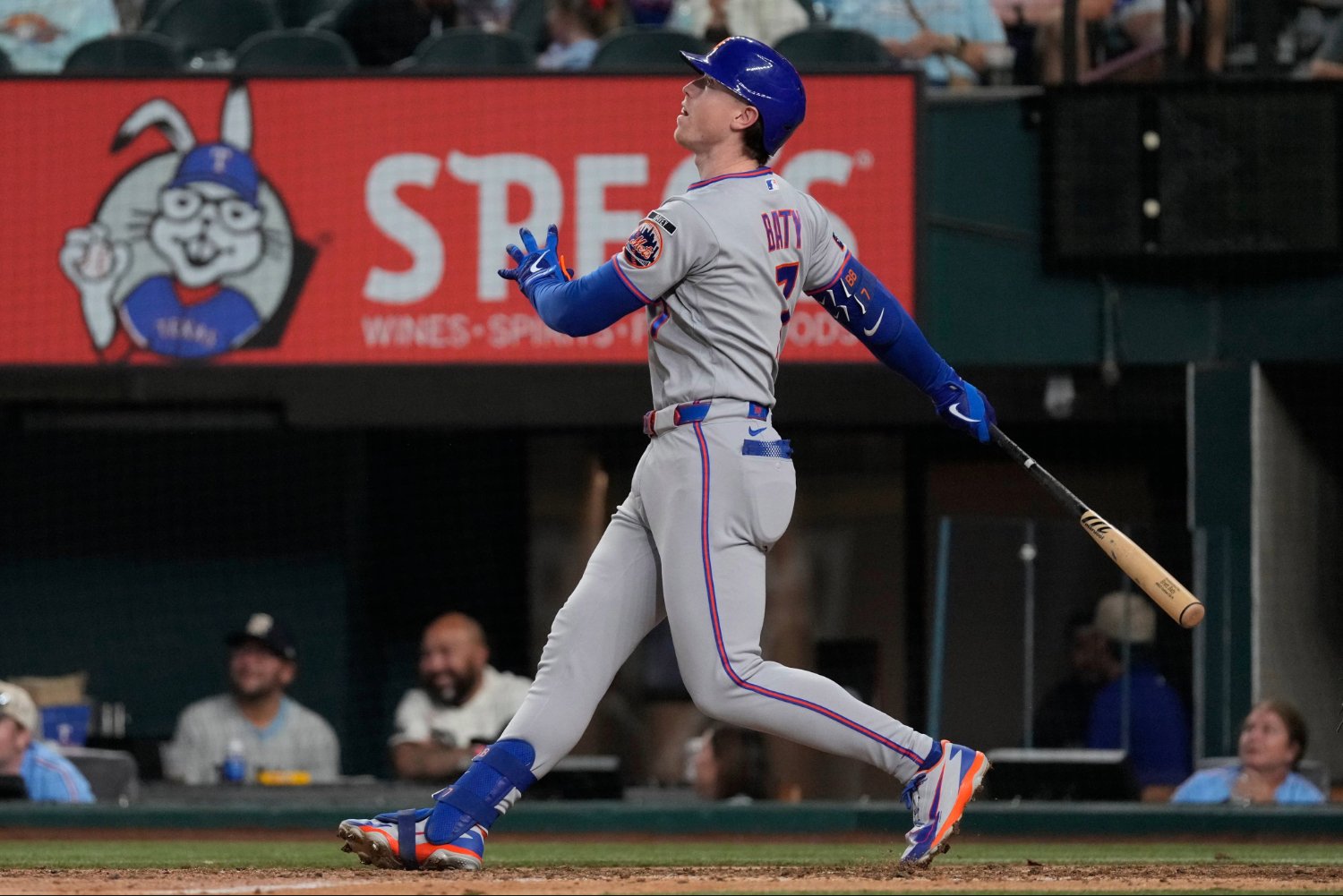 Maybe the end of Brett Baty’s 2026 season left some off with a different sentiment the one he inspired among fans for most of the year. In a way, that is what tends to happen when a player finishes strong and leaves us with a positive final impression. But at the end of the day, Baty’s streak of producing a 1.088 OPS over a 10-game stretch between August 16 and September 25 was not enough to change the outcome of a season filled with inconsistencies. That is why I have a feeling similar to the one I had last season, especially when looking at Baty’s final line before getting into the factors that caused his regressions. In many ways, he was the same hitter. 2025 season: .254/.313/.435, 18 HR, 50 RBIs, 53 R, .304 BABIP, 109 wRC+, 2.2 fWAR in 432 PAs. 2026 season: .236/.309/.371, 11 HR, 56 RBIs, 53 R, .304 BABIP, 91 wRC+, 1.0 fWAR in 473 PAs. Those lines are remarkably similar, for better and worse. The same runs scored, the same BABIP, and a similar ability to maintain his plate discipline, combined with fewer home runs but more RBIs. The drop-off in wRC+ and fWAR was steeper than you'd think, but he was still fundamentally the same hitter. However, there were two aspects that had the biggest impact on Baty’s season: his inability hit left-handed pitchers, as well as the inconsistency caused by his drops in bat speed. As for the first point, it's not that we should have expected progress in his power against lefties. He has never managed to develop it and is heading into his sixth season in the majors. But, in the hypothetical case that this becomes his next goal, he would first have to improve his contact. I don’t think this will surprise you, but Baty hit all 11 of his home runs in 2026 against right-handed pitchers; against lefties, he finished with a .225 slugging percentage, just a .050 ISO, and only three RBIs in 91 plate appearances. His career OPS against lefties is .534 in 317 plate appearances. Even so, the Mets continued with their philosophy of keeping Baty in certain matchups and situations against left-handed pitchers, although they could have reduced his playing time even further, given his absolutely nonexistent track record of production in those matchups. It is understandable that going up to bat and handling at-bats against any pitcher is Baty’s job, and it is clear that he got much of that playing time because New York’s offense was a failure amid injuries and inconsistencies. Either way, this has been just another chapter in Baty’s career and in the Mets’ inability to make their offense work. That said, let’s focus on one of the aspects that ended up generating greater expectations for Baty’s swing, especially during the second half of the season: his bat speed. As he swung faster, his numbers underwent a considerable change in the second half of the season. Split / Metric PA HR K% xBA xSLG BABIP Whiff% EV (MPH) Barrel/BBE% Avg. Bat Speed Bat Speed Under 70 mph 49 0 53.1% .121 .142 .273 44.8% 72.3 0.0% 59.6 Bat Speed 70+ 339 11 19.5% .284 .489 .317 26.6% 91.8 11.0% 75.8 First Half 328 4 27.1% .236 .374 .299 28.8% 89.3 8.7% 72.8 There you can see all the major changes, but pay attention to two key details. When Baty’s bat speed exceeded 70 mph, his power seemed to unlock: he hit all his home runs, became less vulnerable with two strikes, reduced his whiff rate by nearly 20%, and recorded all his barrels. When Baty stayed below 70 mph in bat speed, his .142 xSLG was the worst on the team all year. While most hitters tend to produce better contact with slower swings (bat "control" and bat "speed" are often considered a trade-off), Baty doesn't seem to have the same issue. Perhaps it's a confidence thing, but when he's gripping and ripping it, better results tend to follow. We'll see how the Mets react to this data with their offseason plan for Baty, but his role as a platoon threat on this roster is crystal clear for now.
-
Image courtesy of Wendell Cruz-Imagn Images The New York Mets’ season could well be divided into two completely different parts. First, the team’s initial stretch when they played to a 36-50 record between March and June, a disappointing run that sank the team’s expectations and inevitably turned them into sellers when the trade deadline arrived. When Carlos Mendoza was fired on June 26, one day after the 4-3, ten-inning loss to the Chicago Cubs at Citi Field, the Mets were playing to a 34-47 record. After that, managed by Andy Green, who was recently named the team’s full-time manager on a three-year contract, they played basically .500 ball with a 40-41 record. The results have been much more encouraging with Green, as the team went 38-38 after the start of July, including a 27-24 mark after August 1. With no chance to compete for a return to the postseason, the Mets gave several promising players an opportunity down the stretch. At the same time, they received some interesting signals during the second half of this season that generated some key expectations looking ahead to the 2027 season. Carson Benge and A.J. Ewing Rebuild Mets' Outfield In One Season Benge had a rookie season that exceeded my expectations. He posted a 118 wRC+ and 4.3 fWAR all while becoming the first rookie with a 20-20 season in franchise history. But when I look at his performance, the first number that, in a certain way, makes me think is his 654 plate appearances. At 23 years old, he has been an everyday player and his consistency adds much more value to his performance in his rookie season. But it was in this second half of the season when Benge surprised the most, batting .310/.373/.471, with nine home runs, 34 RBIs and a 136 wRC+ in 62 games. But offensive value is not the only way Benge impacts the game. The great defensive complement that has made him the most powerful arm in the game and one of the best outfielders in the league also comes into play. Statcast credits him with +7 defensive runs, the best mark in MLB, with +8 runs generated by runners thrown out and +7 by keeping them at their base. He has had the impressive ability to change games with his throws, standing out in both power and accuracy, in addition to his ability to move around the outfield. And this is where Ewing also enters the conversation. Ewing, 21, recorded 2.0 fWAR and a 97 wRC+ in 492 plate appearances during his rookie season, joining Benge to form a duo that has stabilized the Mets’ defense following the departures of Luis Robert Jr. and Tyrone Taylor. Ewing has struggled offensively—mostly with problems against breaking balls—seeing his wRC+ fall from 121 in the first half to just 77 after the All-Star break, but his defense has been above average, recording +2 FRV. Although his tools have not been on Benge’s level, Ewing has enough talent to take a leap to another level in the future. Daniel Duarte and Nate Lavender Emerge As Relief Aces Duarte and Lavender were not only the two pitchers with the most innings accumulated in this second half of the season in the Mets’ bullpen, they also lead with a combined 1.4 fWAR, which represents 74% of the 1.9 fWAR recorded by all of the team’s relievers. The other 21 pitchers the Mets have used combine for 0.5 fWAR. Still, there is a difference between Duarte and Lavender that could shape a decision going forward. In high-leverage situations, Duarte was vulnerable, seeing his xFIP rise from 3.84 to 6.21 in 21 matchups. It may seem like a small sample, but it is equivalent to an average of one key at-bat for each of the 21 relief appearances he has made in this second half of the season. In fact, Duarte has been the pitcher who has faced the most pressure situations in the entire Mets bullpen. Duarte has shown that he can rely on his almost unhittable sweeper—opponents went 2-for-27 with 15 strikeouts against it—but he still has not been able to make the adjustments with his cutter. In contrast, Lavender was a master under pressure, with a 2.42 xFIP (the best on the team with at least 10 batters faced in high-leverage situations), a 12.3 K/9 rate and no walks. Kodai Senga Saves His Career With Switch To Bullpen Look, I’ll be honest: I still don’t trust Senga enough, but it is a fact that he solved some of his control problems, struck out more batters, and was much more effective in a relief role. After his fateful start, when he pitched to an 0-8 record and 8.66 ERA with a 6.50 FIP in his first 13 appearances of the season, Senga was able to hold his own after being moved into the closer role. In his next 18 outings, he recorded eight saves in nine opportunities, improving to a 3.78 ERA and 4.00 FIP. The Mets played to a 13-5 record during that stretch with Senga’s contribution as the closer. The forkball remains the Japanese right-hander’s lethal weapon, with which he has struck out 56% of his opponents (42 of 75), but his fastball remains an enigma, and hitters have crushed his sweeper and cutter, batting .500 and .345, respectively. I’d like to know what you think, but I still haven’t gotten used to the idea of Senga being the most suitable pitcher to be the closer in the future. Either way, he seems to have regained a little confidence, and I’m sure this version of him can be useful in some type of role within the pitching staff for the 2027 season. View full article
-
3 Most Important Takeaways From Mets' Impressive Second Half
Yirsandy Rodríguez posted an article in Mets
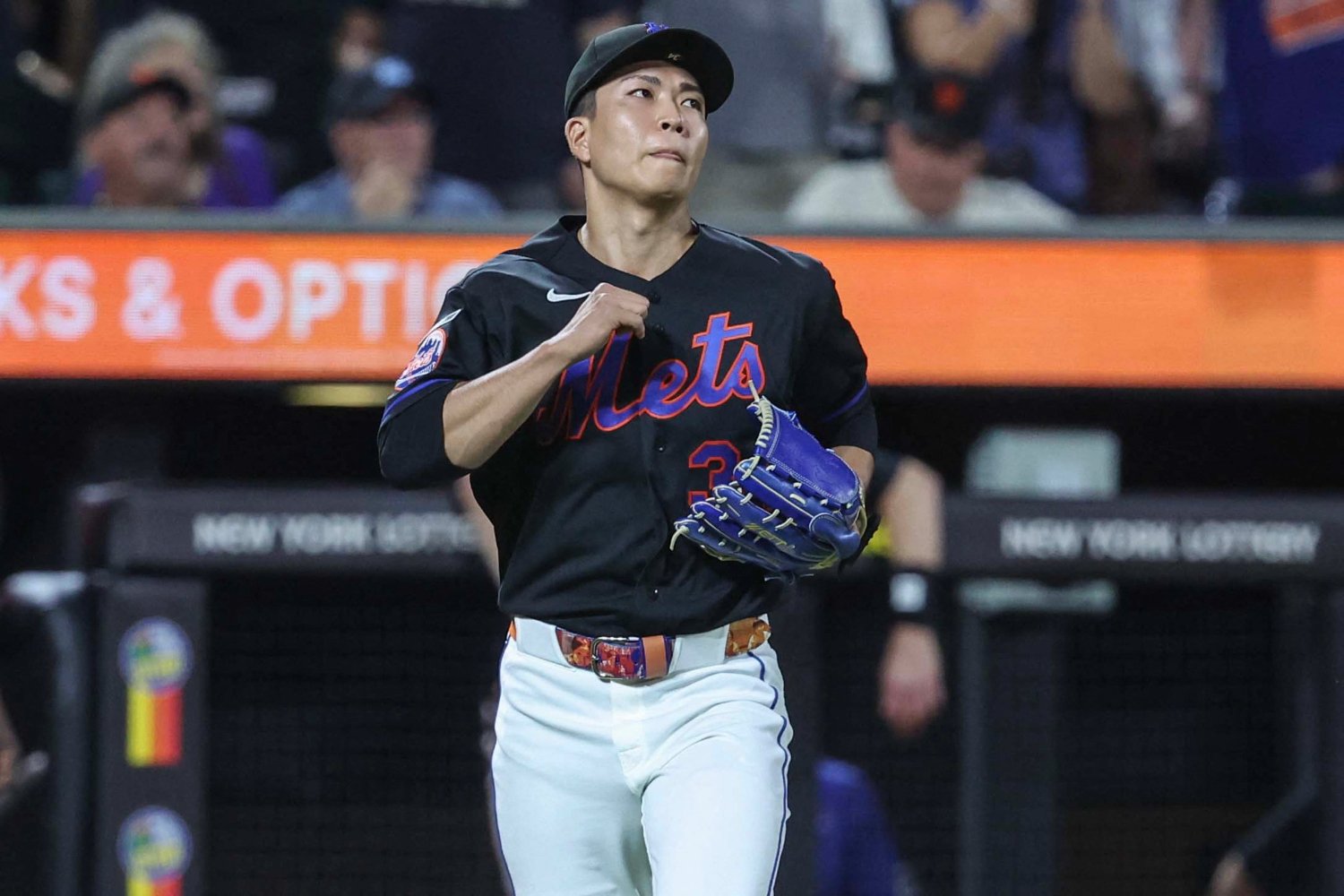 The New York Mets’ season could well be divided into two completely different parts. First, the team’s initial stretch when they played to a 36-50 record between March and June, a disappointing run that sank the team’s expectations and inevitably turned them into sellers when the trade deadline arrived. When Carlos Mendoza was fired on June 26, one day after the 4-3, ten-inning loss to the Chicago Cubs at Citi Field, the Mets were playing to a 34-47 record. After that, managed by Andy Green, who was recently named the team’s full-time manager on a three-year contract, they played basically .500 ball with a 40-41 record. The results have been much more encouraging with Green, as the team went 38-38 after the start of July, including a 27-24 mark after August 1. With no chance to compete for a return to the postseason, the Mets gave several promising players an opportunity down the stretch. At the same time, they received some interesting signals during the second half of this season that generated some key expectations looking ahead to the 2027 season. Carson Benge and A.J. Ewing Rebuild Mets' Outfield In One Season Benge had a rookie season that exceeded my expectations. He posted a 118 wRC+ and 4.3 fWAR all while becoming the first rookie with a 20-20 season in franchise history. But when I look at his performance, the first number that, in a certain way, makes me think is his 654 plate appearances. At 23 years old, he has been an everyday player and his consistency adds much more value to his performance in his rookie season. But it was in this second half of the season when Benge surprised the most, batting .310/.373/.471, with nine home runs, 34 RBIs and a 136 wRC+ in 62 games. But offensive value is not the only way Benge impacts the game. The great defensive complement that has made him the most powerful arm in the game and one of the best outfielders in the league also comes into play. Statcast credits him with +7 defensive runs, the best mark in MLB, with +8 runs generated by runners thrown out and +7 by keeping them at their base. He has had the impressive ability to change games with his throws, standing out in both power and accuracy, in addition to his ability to move around the outfield. And this is where Ewing also enters the conversation. Ewing, 21, recorded 2.0 fWAR and a 97 wRC+ in 492 plate appearances during his rookie season, joining Benge to form a duo that has stabilized the Mets’ defense following the departures of Luis Robert Jr. and Tyrone Taylor. Ewing has struggled offensively—mostly with problems against breaking balls—seeing his wRC+ fall from 121 in the first half to just 77 after the All-Star break, but his defense has been above average, recording +2 FRV. Although his tools have not been on Benge’s level, Ewing has enough talent to take a leap to another level in the future. Daniel Duarte and Nate Lavender Emerge As Relief Aces Duarte and Lavender were not only the two pitchers with the most innings accumulated in this second half of the season in the Mets’ bullpen, they also lead with a combined 1.4 fWAR, which represents 74% of the 1.9 fWAR recorded by all of the team’s relievers. The other 21 pitchers the Mets have used combine for 0.5 fWAR. Still, there is a difference between Duarte and Lavender that could shape a decision going forward. In high-leverage situations, Duarte was vulnerable, seeing his xFIP rise from 3.84 to 6.21 in 21 matchups. It may seem like a small sample, but it is equivalent to an average of one key at-bat for each of the 21 relief appearances he has made in this second half of the season. In fact, Duarte has been the pitcher who has faced the most pressure situations in the entire Mets bullpen. Duarte has shown that he can rely on his almost unhittable sweeper—opponents went 2-for-27 with 15 strikeouts against it—but he still has not been able to make the adjustments with his cutter. In contrast, Lavender was a master under pressure, with a 2.42 xFIP (the best on the team with at least 10 batters faced in high-leverage situations), a 12.3 K/9 rate and no walks. Kodai Senga Saves His Career With Switch To Bullpen Look, I’ll be honest: I still don’t trust Senga enough, but it is a fact that he solved some of his control problems, struck out more batters, and was much more effective in a relief role. After his fateful start, when he pitched to an 0-8 record and 8.66 ERA with a 6.50 FIP in his first 13 appearances of the season, Senga was able to hold his own after being moved into the closer role. In his next 18 outings, he recorded eight saves in nine opportunities, improving to a 3.78 ERA and 4.00 FIP. The Mets played to a 13-5 record during that stretch with Senga’s contribution as the closer. The forkball remains the Japanese right-hander’s lethal weapon, with which he has struck out 56% of his opponents (42 of 75), but his fastball remains an enigma, and hitters have crushed his sweeper and cutter, batting .500 and .345, respectively. I’d like to know what you think, but I still haven’t gotten used to the idea of Senga being the most suitable pitcher to be the closer in the future. Either way, he seems to have regained a little confidence, and I’m sure this version of him can be useful in some type of role within the pitching staff for the 2027 season.
-
Image courtesy of Steven Bisig-Imagn Images After a season in which several of the New York Mets’ main expectations have resulted in failure, the organization will have to resolve many questions heading into 2027. Some of the most important problems are not about reconfiguring the pitching rotation and finding the best offensive options, though. Throughout the year, defense has been one of the team’s weakest points. This year, the Mets have been close to finishing with their second consecutive season registering a negative FRV. The drop from 2024 to 2026 has been very significant, and they are about to close this campaign with the worst range mark (-18) among their infield and outfield players. Let’s start with the best part, which has been the catching position with the great work of Luis Torrens and, although to a lesser extent, Francisco Álvarez, who has played above average. Torrens is also among the best catchers in MLB, ranking ninth in Catcher Framing Runs (+5), Blocks Above Average (+6), and 12th in Catcher’s CS Above Average (+3). However, the additions of Bo Bichette at third base, Marcus Semien at second, and Jorge Polanco’s short time at first base were a failure. A difficult season could have been expected from Bichette, given his adjustment to a position change to third base. But Semien was coming off a +8 FRV season with the Texas Rangers and winning a Gold Glove. As the metrics show, he has been the Mets’ worst defender all season, far behind the contributions of Jeff McNeil (+2) in 2025. Regarding Bichette, I don’t think we should be that surprised given his history as a shortstop with the Toronto Blue Jays. His –1 FRV does not look that bad if we compare it with his entire defensive history, and we have to keep in mind that it combines all of Bichette’s work this year. We cannot forget that his playing time has been divided into 893 innings as a third baseman and 391 at shortstop, when Francisco Lindor was on the injured list. So, in what was supposed to be his full-time position this year, Bichette was much better, recording a +1 FRV at the hot corner, far better than his mark of –2 at shortstop. Lindor, after his return, has been an average player, falling below the value he usually provides. The infield problems are completed by a long list of experiments at first base, where Mark Vientos (-7) was as deficient as Pete Alonso (-7) was last year. Jared Young and even Luis Torrens have provided better value in the short time they played at first. Likewise, Young and Brett Baty have added defensive depth by playing several positions. Entering the outfield analysis, I wonder where the Mets would be without Carson Benge and A.J. Ewing, who have worked wonders defensively in addition to saving multiple plays with the strength of their arms. Benge’s arm is among the best of all right fielders in the league, while Ewing has impressed with his range. In contrast, in his return to left field, Juan Soto has been a defensive weakness (-5 FRV). Still, his presence on that side of the grass has cost the Mets fewer runs compared to his previous season in right field, when he finished with –13 FRV. I still believe that if Soto manages to stay healthy and works with the consistency that characterizes him, perhaps he can improve his defense a little more in his second year back at his old position. But, as we have seen here, the Mets have many questions to answer about how they are going to improve the team at several key positions, especially with the different defensive problems of Bichette, Semien and Polanco, three of their infield starters. View full article
- 1 reply
-
- 1
-
-
- juan soto
- bo bichette
- (and 4 more)
-
Mets Have Major Defensive Questions To Answer Heading Into 2027
Yirsandy Rodríguez posted an article in Mets
 After a season in which several of the New York Mets’ main expectations have resulted in failure, the organization will have to resolve many questions heading into 2027. Some of the most important problems are not about reconfiguring the pitching rotation and finding the best offensive options, though. Throughout the year, defense has been one of the team’s weakest points. This year, the Mets have been close to finishing with their second consecutive season registering a negative FRV. The drop from 2024 to 2026 has been very significant, and they are about to close this campaign with the worst range mark (-18) among their infield and outfield players. Let’s start with the best part, which has been the catching position with the great work of Luis Torrens and, although to a lesser extent, Francisco Álvarez, who has played above average. Torrens is also among the best catchers in MLB, ranking ninth in Catcher Framing Runs (+5), Blocks Above Average (+6), and 12th in Catcher’s CS Above Average (+3). However, the additions of Bo Bichette at third base, Marcus Semien at second, and Jorge Polanco’s short time at first base were a failure. A difficult season could have been expected from Bichette, given his adjustment to a position change to third base. But Semien was coming off a +8 FRV season with the Texas Rangers and winning a Gold Glove. As the metrics show, he has been the Mets’ worst defender all season, far behind the contributions of Jeff McNeil (+2) in 2025. Regarding Bichette, I don’t think we should be that surprised given his history as a shortstop with the Toronto Blue Jays. His –1 FRV does not look that bad if we compare it with his entire defensive history, and we have to keep in mind that it combines all of Bichette’s work this year. We cannot forget that his playing time has been divided into 893 innings as a third baseman and 391 at shortstop, when Francisco Lindor was on the injured list. So, in what was supposed to be his full-time position this year, Bichette was much better, recording a +1 FRV at the hot corner, far better than his mark of –2 at shortstop. Lindor, after his return, has been an average player, falling below the value he usually provides. The infield problems are completed by a long list of experiments at first base, where Mark Vientos (-7) was as deficient as Pete Alonso (-7) was last year. Jared Young and even Luis Torrens have provided better value in the short time they played at first. Likewise, Young and Brett Baty have added defensive depth by playing several positions. Entering the outfield analysis, I wonder where the Mets would be without Carson Benge and A.J. Ewing, who have worked wonders defensively in addition to saving multiple plays with the strength of their arms. Benge’s arm is among the best of all right fielders in the league, while Ewing has impressed with his range. In contrast, in his return to left field, Juan Soto has been a defensive weakness (-5 FRV). Still, his presence on that side of the grass has cost the Mets fewer runs compared to his previous season in right field, when he finished with –13 FRV. I still believe that if Soto manages to stay healthy and works with the consistency that characterizes him, perhaps he can improve his defense a little more in his second year back at his old position. But, as we have seen here, the Mets have many questions to answer about how they are going to improve the team at several key positions, especially with the different defensive problems of Bichette, Semien and Polanco, three of their infield starters.
-
Image courtesy of John Jones-Imagn Images If we judged Mark Vientos’ season by simply looking at his .218/.267/.405 line that comes with 13 home runs, 39 RBIs, a 84 wRC+ and –0.1 fWAR, it would be easy to reach the conclusion that it has been a mediocre year at best. And, yes, Vientos has never come close to being the hitter who impressed when he hit 27 home runs in the 2024 season, and then played the postseason like a veteran accustomed to being under the October lights. Since then, his offense has fallen below expectations. It is true that he has had to battle injuries, but in his playing time he has been a negative player for the team in any way you analyze his contribution. I love FanGraphs for this type of breakdown, and there you can see Vientos with -1.3 BsR, -6.7 Off and -11.8 Def. In other words, he's been a below-average player in every aspect of the game in 2026. He has not been able to take advantage of the opportunity to move to first base, and the metrics show that he has been a disaster. Among 86 qualified first basemen, Vientos is second with the worst Fielding Run Value (-7), being surpassed only by Bryce Harper (-10). That is the reason why the Mets have been one of the teams with the most first basemen used, and all of them have put on a better defensive performance than Vientos. Jared Young (+1), Brett Baty (-2) and even catcher Luis Torrens (+0) average a higher Fielding Run Value. In fact, the only defensive aspect in which Vientos has excelled is in the new First Base Receiving metric, where he ranks 15th with +1 Receiving OAA. Either way, the point here is that Vientos is not producing anything the Mets need out of a franchise cornerstone at the cold corner. If we look toward 2027, there is only one way for his offensive profile to fit into the lineup. It is the only skill Vientos has not yet lost, and it is his ability to hit against left-handed pitchers. At the same time, that has been one of the Mets’ main problems, as their right-handed hitters have registered the second-lowest BABIP (.268) against left-handed pitchers in the entire league, the third-worst on-base percentage (.301), and the ninth-worst wRC+ (96). Name wRC+ G PA HR RBI BB% K% ISO BABIP wOBA Mark Vientos 140 57 111 8 21 6.3% 20.7% .284 .278 .375 Bo Bichette 111 90 177 6 23 8.5% 16.9% .181 .286 .333 Luis Torrens 104 47 81 4 14 7.4% 19.8% .205 .245 .323 Marcus Semien 88 75 138 3 11 10.9% 21.0% .108 .278 .298 Francisco Lindor 87 59 130 5 13 11.5% 14.6% .174 .198 .297 Francisco Alvarez 70 60 108 3 7 12.0% 34.3% .106 .278 .271 Here are all the Mets’ qualified right-handed hitters with at least 80 plate appearances against left-handed pitchers this season. Vientos leads in the main production metrics, and his wRC+ and ISO are among the top 20 in the entire league. This is not a new story for the Mets, as Vientos has always been consistent against southpaws (even if he's rarely ever been so against right-handers). Handedness BB/K ISO wOBA wRC+ Season Handedness BB/K ISO wOBA wRC+ vs R 0.13 .000 .129 -21 2022 vs L 1.00 .222 .357 135 vs R 0.20 .172 .278 75 2023 vs L 0.07 .131 .250 56 vs R 0.27 .251 .347 125 2024 vs L 0.19 .246 .375 144 vs R 0.27 .169 .299 92 2025 vs L 0.23 .203 .315 104 vs R 0.19 .123 .236 47 2026 vs L 0.30 .284 .375 140 vs R 0.24 .184 .297 90 Total vs L 0.21 .221 .336 116 In 2024, his breakout season, it was the only one in which Vientos managed to find the balance when he recorded a 125 wRC+ with 20 of his 27 home runs against right-handed pitchers. During the following campaigns, you can see how his performance has hinged almost entirely on his ability to crush left-handed pitching. The main potential of the Mets’ lineup is in their left-handed and switch-hitting batters, led by Juan Soto, Francisco Lindor, Carson Benge, A.J. Ewing, and Jorge Polanco (plus Jared Young and Brett Baty). In that plan for 2027, Vientos fits as a high-profile right-handed platoon hitter. That may not be quite the role we all envisioned when he was a top-tier prospect rising through the farm system, but it appears to be his best bet to salvaging his tenure with the Mets. View full article