


Cade Lalim
-
Posts
36 -
Joined
-
Last visited
-
Days Won
1
Content Type
Profiles
News
New York Mets Videos
2026 New York Mets Top Prospects Ranking
New York Mets Free Agent & Trade Rumors, Notes, & Tidbits
Guides & Resources
The New York Mets Players Project
2026 New York Mets Draft Tracker: Picks & Bonuses
Forums
Blogs
Events
Store
Downloads
Gallery
Everything posted by Cade Lalim
-
Image courtesy of © Wendell Cruz-Imagn Images Over the winter heading into the 2026 season, the Miami Malins inked Christopher Morel to a one-year major league deal to be their starting first baseman. He made the initial 26-man roster but suffered a left oblique strain during batting practice on Opening Day causing him to be scratched from the lineup and hit the 10-day injured list the following day. Morel was activated a month later on April 27, but let’s just say his tenure with the Marlins didn’t go as planned. Across 22 games and 73 plate appearances, he put up an abysmal .162/.219/.206 slash line along with just three extra-base hits and one run driven in. Due to his poor performance, Morel was released from the organization on June 26 after being outrighted to Triple-A Jacksonville the week prior. It didn’t take long for him to find a new home, as the New York Mets quickly signed him to a minor-league contract on July 1, where Morel would spend the next month and a half with Triple-A Syracuse. Christopher Morel’s Potential Role with the Mets The Mets organization noticed his struggles and let Morel take a breather for a while in Triple-A, giving him a chance to reset. It paid off quite nicely as he mashed 12 home runs and seven doubles along with a .321 batting average and 1.098 OPS. He was a run-producing machine collecting 29 RBIs while scoring 23 himself. His excellent minor-league showing earned him a call to the Mets on August 17. Morel's call-up came at just the right time since the Mets had to place Jorge Polanco on the injured list just days after, thinning the depth on the roster. Even though Polanco was the club's primary designated hitter, his absence still leaves playing time open for other players. With Morel being pretty much limited to first base at this point, he’ll split time with Jared Young who’s been one of the Mets best hitters all-season to this point. Even though Morel has only logged 13 plate appearances with the Mets thus far, a potential platoon situation could be an option for the pair. Young is a lefty-bat who’s really struggled against southpaws this season, batting .205 with a .544 OPS. He’s been a lot more productive against righties, owning a .282 average and .818 OPS across 206 at-bats. While Morel has been up and down against southpaws throughout his career, a true plan role could be a way to give him some playing time and get Young out of the lineup when facing lefty pitchers. Over 539 career plate appearances against left-handed pitchers, Morel is hitting .202 along with a .669 OPS and 44 extra-base hits. In the midst of his fifth major-league season and on his fourth different team, Morel could offer a nice veteran presence for the final stretch of the season and could actually deliver some respectable offensive numbers. His 74 career home runs and contagious energy are, at the very least, paths to excitement for a team that hasn't done much worth celebrating in 2026. View full article
-
Mets Should See How Christopher Morel Responds To Platoon Role In September
Cade Lalim posted an article in Mets
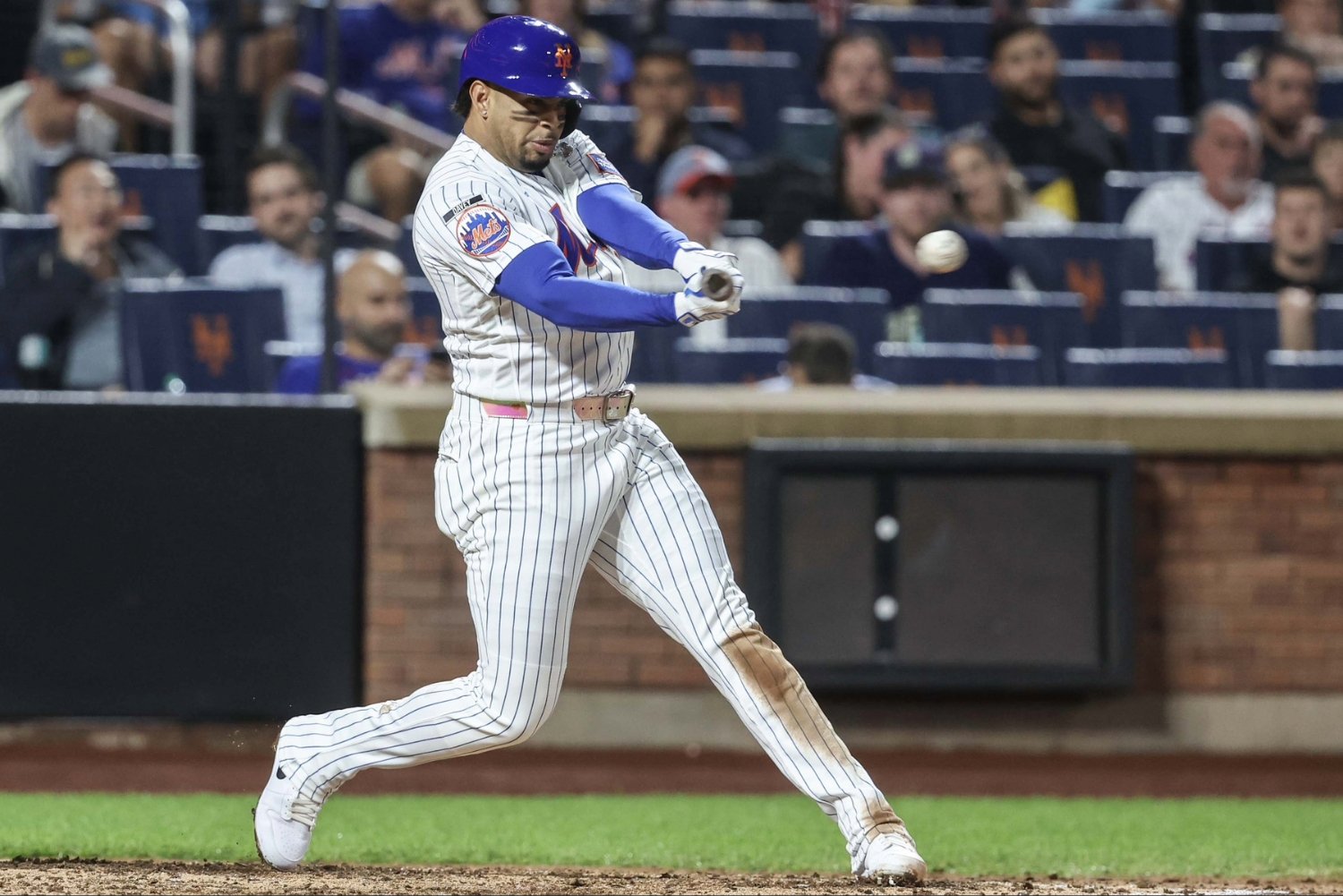 Over the winter heading into the 2026 season, the Miami Malins inked Christopher Morel to a one-year major league deal to be their starting first baseman. He made the initial 26-man roster but suffered a left oblique strain during batting practice on Opening Day causing him to be scratched from the lineup and hit the 10-day injured list the following day. Morel was activated a month later on April 27, but let’s just say his tenure with the Marlins didn’t go as planned. Across 22 games and 73 plate appearances, he put up an abysmal .162/.219/.206 slash line along with just three extra-base hits and one run driven in. Due to his poor performance, Morel was released from the organization on June 26 after being outrighted to Triple-A Jacksonville the week prior. It didn’t take long for him to find a new home, as the New York Mets quickly signed him to a minor-league contract on July 1, where Morel would spend the next month and a half with Triple-A Syracuse. Christopher Morel’s Potential Role with the Mets The Mets organization noticed his struggles and let Morel take a breather for a while in Triple-A, giving him a chance to reset. It paid off quite nicely as he mashed 12 home runs and seven doubles along with a .321 batting average and 1.098 OPS. He was a run-producing machine collecting 29 RBIs while scoring 23 himself. His excellent minor-league showing earned him a call to the Mets on August 17. Morel's call-up came at just the right time since the Mets had to place Jorge Polanco on the injured list just days after, thinning the depth on the roster. Even though Polanco was the club's primary designated hitter, his absence still leaves playing time open for other players. With Morel being pretty much limited to first base at this point, he’ll split time with Jared Young who’s been one of the Mets best hitters all-season to this point. Even though Morel has only logged 13 plate appearances with the Mets thus far, a potential platoon situation could be an option for the pair. Young is a lefty-bat who’s really struggled against southpaws this season, batting .205 with a .544 OPS. He’s been a lot more productive against righties, owning a .282 average and .818 OPS across 206 at-bats. While Morel has been up and down against southpaws throughout his career, a true plan role could be a way to give him some playing time and get Young out of the lineup when facing lefty pitchers. Over 539 career plate appearances against left-handed pitchers, Morel is hitting .202 along with a .669 OPS and 44 extra-base hits. In the midst of his fifth major-league season and on his fourth different team, Morel could offer a nice veteran presence for the final stretch of the season and could actually deliver some respectable offensive numbers. His 74 career home runs and contagious energy are, at the very least, paths to excitement for a team that hasn't done much worth celebrating in 2026.
 -
Image courtesy of © Matt Marton-Imagn Images Over the winter heading into the 2026 season, the New York Mets signed third baseman Bo Bichette to a three-year contract with player options for the 2027 and 2028 seasons -- the total deal would be worth $126 million. The only problem is that the Mets have not seen the numbers from Bichette that he’d put up during his seven-year tenure with the Toronto Blue Jays. In Toronto, he owned a .290 batting average and .806 OPS to go along with 111 home runs and 437 runs driven in. Yet his offensive abilities have fallen off a cliff during his first year with the Mets as he currently sports a .266 batting average and .706 OPS with 13 homers and 65 runs batted in. That's not awful production, but certainly not what you'd expect from two-time All-Star Bichette. With the 2026 season nearly over, Bichette has only managed to put together two months of quality offensive production. He really struggled to start the season from April to May, where his OPS sat below .600 and it was looking like his contract might be a bust. He then provided a quick glimpse of hope in June, when he managed a .321 average and .883 OPS along with 13 extra-base hits and 18 runs driven in. At the time, it looked like he was starting to figure things out at the dish and might actually return to form for the rest of the season. Well, his performance fell back in July, hence his .275/.320/.308 slash line for the month. It would have been easy for him to roll over, accept his and the Mets' fate, and just opt-in to his $42 million salary for 2027. But that's not what happened. Bichette has played 18 games so far in August and it has proven to be the most effective stretch of time we’ve seen from him in a Mets uniform. Across a small sample size of 77 plate appearances, the third baseman has posted an excellent .329/.390/.557 slash line along with a 163 wRC+. His 0.9 fWAR during the month of August accounts for half of total fWAR for the season, which is both an indictment of his early play and a reminder of how good he can be when everything is clicking. He’s definitely on pace to make this month his best offensive stretch for the entire season. What Has Led to Bo Bichette’s Uptick In Performance? What’s actually been the biggest factor to Bichette’s inconsistency month-to-month has been his batted-ball tendencies. When he does a good job consistently hitting line drives is when we’ve seen him perform best, but when he starts to get rolled over and hit the ball on the ground is when he struggles. He's a free-swinger, which is contributing to this specific inconsistency. During Bichette’s best two months at the plate (June and August), his line-drive rate has been above 26%. For the whole season, Bichette owns a 21% line-drive rate. Now in August where he’s putting up his best monthly batting average for the season, his line-drive rate is at a season-best 28.8% mark. Over Bichette’s career, his two highest line-drive rates for an individual season resulted in a season batting average over a .300 mark (26% in 2020 and 27.4% in 2023). It’s not the only time when he's hit for at least a .300 average, but that gives us a pretty good idea of when he's his performing at optimal efficiency. Similarly, the reason why Bichette’s August performance has been even better than June is because he’s lifting the ball more in general and not hitting the ball on the ground as much. Thus far in August, he’s managed a 38.5% groundball rate, which is even better than his 44% clip back in June. Naturally, because he's lifting the ball more, Bichette has shown pretty good power in August, hitting two home runs, five doubles, and one triple. The question that most fans will have about this hot streak is whether or not it will affect his eventual option decision at the end of the year. It's going to be tough for him to turn down $42 million after his earlier struggles (especially with the lockout looming), but if he keeps hitting like this through the end of September, the Mets may need to reevaluate their third base plans in 2027 and beyond. View full article
-
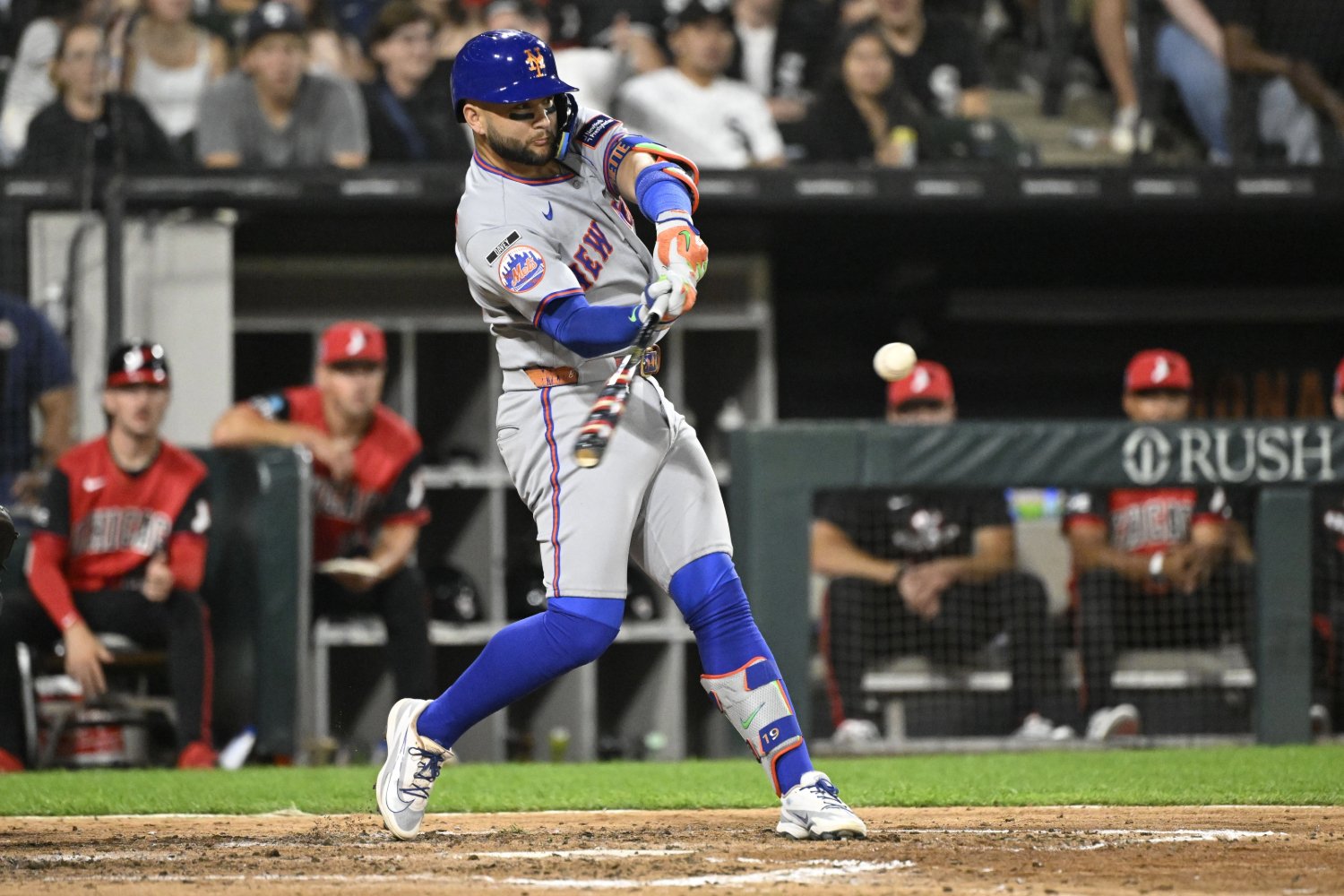 Over the winter heading into the 2026 season, the New York Mets signed third baseman Bo Bichette to a three-year contract with player options for the 2027 and 2028 seasons -- the total deal would be worth $126 million. The only problem is that the Mets have not seen the numbers from Bichette that he’d put up during his seven-year tenure with the Toronto Blue Jays. In Toronto, he owned a .290 batting average and .806 OPS to go along with 111 home runs and 437 runs driven in. Yet his offensive abilities have fallen off a cliff during his first year with the Mets as he currently sports a .266 batting average and .706 OPS with 13 homers and 65 runs batted in. That's not awful production, but certainly not what you'd expect from two-time All-Star Bichette. With the 2026 season nearly over, Bichette has only managed to put together two months of quality offensive production. He really struggled to start the season from April to May, where his OPS sat below .600 and it was looking like his contract might be a bust. He then provided a quick glimpse of hope in June, when he managed a .321 average and .883 OPS along with 13 extra-base hits and 18 runs driven in. At the time, it looked like he was starting to figure things out at the dish and might actually return to form for the rest of the season. Well, his performance fell back in July, hence his .275/.320/.308 slash line for the month. It would have been easy for him to roll over, accept his and the Mets' fate, and just opt-in to his $42 million salary for 2027. But that's not what happened. Bichette has played 18 games so far in August and it has proven to be the most effective stretch of time we’ve seen from him in a Mets uniform. Across a small sample size of 77 plate appearances, the third baseman has posted an excellent .329/.390/.557 slash line along with a 163 wRC+. His 0.9 fWAR during the month of August accounts for half of total fWAR for the season, which is both an indictment of his early play and a reminder of how good he can be when everything is clicking. He’s definitely on pace to make this month his best offensive stretch for the entire season. What Has Led to Bo Bichette’s Uptick In Performance? What’s actually been the biggest factor to Bichette’s inconsistency month-to-month has been his batted-ball tendencies. When he does a good job consistently hitting line drives is when we’ve seen him perform best, but when he starts to get rolled over and hit the ball on the ground is when he struggles. He's a free-swinger, which is contributing to this specific inconsistency. During Bichette’s best two months at the plate (June and August), his line-drive rate has been above 26%. For the whole season, Bichette owns a 21% line-drive rate. Now in August where he’s putting up his best monthly batting average for the season, his line-drive rate is at a season-best 28.8% mark. Over Bichette’s career, his two highest line-drive rates for an individual season resulted in a season batting average over a .300 mark (26% in 2020 and 27.4% in 2023). It’s not the only time when he's hit for at least a .300 average, but that gives us a pretty good idea of when he's his performing at optimal efficiency. Similarly, the reason why Bichette’s August performance has been even better than June is because he’s lifting the ball more in general and not hitting the ball on the ground as much. Thus far in August, he’s managed a 38.5% groundball rate, which is even better than his 44% clip back in June. Naturally, because he's lifting the ball more, Bichette has shown pretty good power in August, hitting two home runs, five doubles, and one triple. The question that most fans will have about this hot streak is whether or not it will affect his eventual option decision at the end of the year. It's going to be tough for him to turn down $42 million after his earlier struggles (especially with the lockout looming), but if he keeps hitting like this through the end of September, the Mets may need to reevaluate their third base plans in 2027 and beyond.
 -
Image courtesy of © Charles LeClaire-Imagn Images Sean Manaea has never been one to blow you away with his stuff, but his craftiness has allowed him to have a successful career thus far. He’s never been named to an All-Star roster, but Manaea did successfully complete a no-hitter on April 21, 2018 against the Boston Red Sox when he was still with the Oakland Athletics. He’s been a steady workhorse over his career and teams always value players who can show to be consistent with their performance. After a solid first season with the New York Mets in 2024 where he pitched to a 3.47 ERA and 1.08 WHIP, the organization signed him to a three-year, $75 million contract extension which will keep him in Queens through the 2027 season. Manaea’s 2024 season with the Mets was his best thus far with the club, as he missed time in 2025 due to an injury, leading to worse results upon his return. Thankfully, he has turned his performance around in 2026 and is in the midst of a nice bounce-back season. Breaking Down Sean Manaea's Excellent Second-Half Showing Since the Mets returned to action after the All-Star Break, Manaea has looked really good for the most part over five second-half starts thus far. Aside from his July 18 start against the Philadelphia Phillies where he allowed four earned runs across 4.2 innings, Manaea has allowed two or fewer runs in his next four starts while completing at least six innings of work. That performance translates to a superb 3.03 ERA. If you remove that ugly start in Philadelphia, Manaea owns a 2.16 ERA over his last four start, having allowed just four earned runs across 25 innings. In a span of three straight starts against three highly-talented lineups including the Dodgers, Braves, and Guardians, Manaea tossed six innings each time out while allowing two runs or fewer. He didn’t strike out many batters but was certainly effective. During his recent road start against the Pittsburgh Pirates on August 9, Manaea was really good through his seven innings of work, only recording 91 pitches in the process. He showed really good command as 69 of those pitches landed for strikes which translates to an excellent 75.8% mark. Overall, he allowed just one earned run off of just three hits. The best part is that he didn’t issue a single walk and struck out a season-high 11 batters. After a rough 2025 campaign where Manaea posted a 5.64 ERA, the Mets decided that it would be best for the southpaw to pitch out of the bullpen this year, where he served as a long-reliever until mid-June. Over 43 innings spanning 14 appearances out of the bullpen, Manaea owned a 5.02 ERA and 1.44 WHIP before transitioning back to the rotation. His move back to a starting role has been very successful thus far as he’s pitched to a much-better 3.50 ERA and 1.23 WHIP. Manaea’s pitch-mix has evolved over time and it has been interesting to see how he’s still been effective even with the oddities in his arsenal of pitches. He only used three pitches from 2016 to 2019, but now he has the option of five different offerings. Even though his fastballs only average around 91 mph, his excellent seven feet of his extension helps create a faster deceived velocity for hitters. As previously mentioned, Manaea’s pure stuff isn’t very overwhelming and it hasn’t generated a lot of swing as miss as a whole, but he’s still managing to strikeout a respectable 23.3% of opponents. This is in part to him being able to produce an above-average amount of swings out of the zone (chase rate), which is also why he's been generating lots of soft contact this summer. The Mets are currently in evaluation mode after selling at the trade deadline. Nolan McLean, Zac Thornton, and Christian Scott are all making a case to be a part of the 2027 rotation, while top prospect Jonah Tong will be under consideration as well. If Manaea can carry forward his success through the end of this season, he should have an inside track on that final spot, serving as the veteran leader of a young and talented group. View full article
-
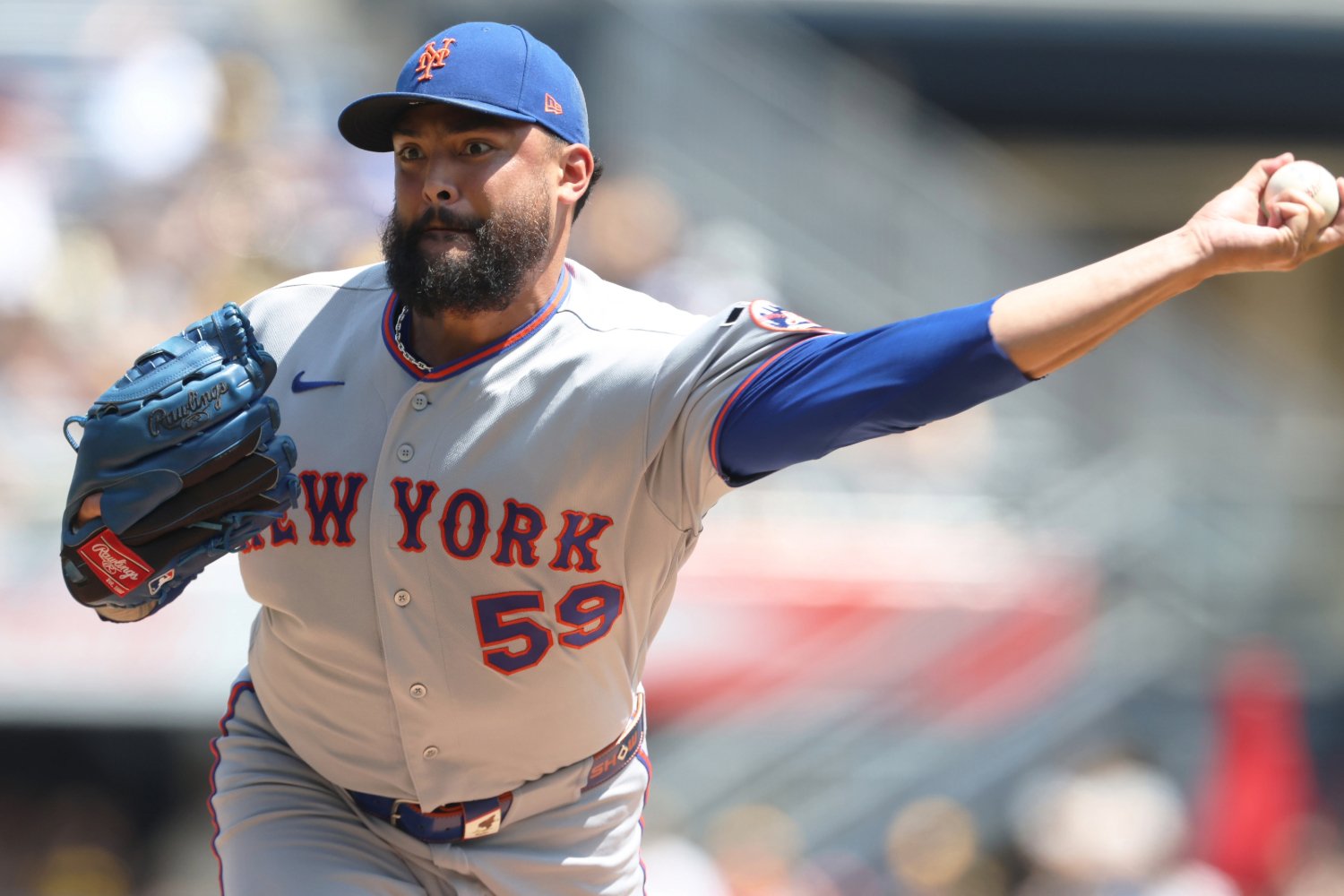 Sean Manaea has never been one to blow you away with his stuff, but his craftiness has allowed him to have a successful career thus far. He’s never been named to an All-Star roster, but Manaea did successfully complete a no-hitter on April 21, 2018 against the Boston Red Sox when he was still with the Oakland Athletics. He’s been a steady workhorse over his career and teams always value players who can show to be consistent with their performance. After a solid first season with the New York Mets in 2024 where he pitched to a 3.47 ERA and 1.08 WHIP, the organization signed him to a three-year, $75 million contract extension which will keep him in Queens through the 2027 season. Manaea’s 2024 season with the Mets was his best thus far with the club, as he missed time in 2025 due to an injury, leading to worse results upon his return. Thankfully, he has turned his performance around in 2026 and is in the midst of a nice bounce-back season. Breaking Down Sean Manaea's Excellent Second-Half Showing Since the Mets returned to action after the All-Star Break, Manaea has looked really good for the most part over five second-half starts thus far. Aside from his July 18 start against the Philadelphia Phillies where he allowed four earned runs across 4.2 innings, Manaea has allowed two or fewer runs in his next four starts while completing at least six innings of work. That performance translates to a superb 3.03 ERA. If you remove that ugly start in Philadelphia, Manaea owns a 2.16 ERA over his last four start, having allowed just four earned runs across 25 innings. In a span of three straight starts against three highly-talented lineups including the Dodgers, Braves, and Guardians, Manaea tossed six innings each time out while allowing two runs or fewer. He didn’t strike out many batters but was certainly effective. During his recent road start against the Pittsburgh Pirates on August 9, Manaea was really good through his seven innings of work, only recording 91 pitches in the process. He showed really good command as 69 of those pitches landed for strikes which translates to an excellent 75.8% mark. Overall, he allowed just one earned run off of just three hits. The best part is that he didn’t issue a single walk and struck out a season-high 11 batters. After a rough 2025 campaign where Manaea posted a 5.64 ERA, the Mets decided that it would be best for the southpaw to pitch out of the bullpen this year, where he served as a long-reliever until mid-June. Over 43 innings spanning 14 appearances out of the bullpen, Manaea owned a 5.02 ERA and 1.44 WHIP before transitioning back to the rotation. His move back to a starting role has been very successful thus far as he’s pitched to a much-better 3.50 ERA and 1.23 WHIP. Manaea’s pitch-mix has evolved over time and it has been interesting to see how he’s still been effective even with the oddities in his arsenal of pitches. He only used three pitches from 2016 to 2019, but now he has the option of five different offerings. Even though his fastballs only average around 91 mph, his excellent seven feet of his extension helps create a faster deceived velocity for hitters. As previously mentioned, Manaea’s pure stuff isn’t very overwhelming and it hasn’t generated a lot of swing as miss as a whole, but he’s still managing to strikeout a respectable 23.3% of opponents. This is in part to him being able to produce an above-average amount of swings out of the zone (chase rate), which is also why he's been generating lots of soft contact this summer. The Mets are currently in evaluation mode after selling at the trade deadline. Nolan McLean, Zac Thornton, and Christian Scott are all making a case to be a part of the 2027 rotation, while top prospect Jonah Tong will be under consideration as well. If Manaea can carry forward his success through the end of this season, he should have an inside track on that final spot, serving as the veteran leader of a young and talented group.
 -
Image courtesy of © Vincent Carchietta-Imagn Images Juan Soto has undoubtedly been the New York Mets' best hitter all season, but after winning hitter of the month honors for June 2026, someone else took the crown for the month of July. It was a close race between the three hitters mentioned below, but Francisco Lindor ultimately came away with the prize. The Mets offense throughout the 2026 season thus far has been pretty underwhelming and they currently rank 28th overall in fWAR (7.6) ahead of only the Cincinnati Reds (7.1) and Colorado Rockies (6.9). Still, the team's batters took a big step forward during the month of July which propelled them up to the 11th-best offense in the league for the month, according to FanGraphs. Ranking Mets' Best Hitters In July No. 3 Francisco Alvarez, C There were numerous players who could’ve been selected here for the third spot, but Francisco Alvarez had the slight edge over Soto, Carson Benge, Jared Young, and A.J. Ewing. He managed a .267 batting average last month to go along with four extra-base hits that included three home runs. His performance in July wasn’t quite as spectacular as Lindor or Taylor, but he did have a respectable stretch of 74 plate appearances. Alvarez did a good job getting on base at a .405 clip, which was largely as a result of him drawing walks at an excellent 17.6% rate. He’s always shown the ability to walk and get on-base at an average pace but he took it to another level last month. Alvarez’ .267 batting average for the month was pretty good for his expectations, as he is a career .235 hitter. He had the second highest average on balls in play with a .351 clip that only trailed Benge with a .381 mark. His 139 wRC+ ranked third on the Mets for batters with at least 50 plate appearances, only trailing the two names below. No. 2 Tyrone Taylor, OF Taylor almost took the crown for the month of July and it could be argued that there wasn’t much of a difference between his performance and Lindor’s. The only variance is that he only made 50 plate appearances and his overall results weren’t quite as impressive. Over Taylor’s smaller sample, he hit for a .326 batting average which led the team, and also collected 10 extra-base hits. He hit six home runs, lined four doubles, and drove in 12 runs. Taylor displayed the most pure-power, hence his .512 isolated power and .837 slugging percentage -- both marks led all Mets hitters in July. He stayed disciplined at the plate over the course of the month where he drew walks 12% of the time, which was encouraging to see since over his career that’s not been the case with a 5.3% mark. Taylor’s strikeouts were a smidge high at a 24% clip. His two-and-a-half year tenure with the Mets ended on a good note, as he was traded to the Chicago Cubs at the deadline along with right-hander Clay Holmes. Out of all major-league hitters with at least 50 plate appearances for the month of July, Taylor led the group with an incredible 235 wRC+. No. 1 Francisco Lindor, SS Lindor earns this honor after leading the club with 107 plate appearances. His .258 batting average wasn’t the best on the squad, but he did mash six home runs while driving in 17 runs in the process. The biggest part of Lindor’s success in July was the power he displayed on offense when he collected 10 extra-base hits including three doubles and one triple. This resulted in a .505 slugging percentage for the month which was higher than his .420 mark for the season. His .247 isolated power topped his season and career marks. Lindor’s approach and discipline at the plate remained the same quality that we’ve seen from him since he debuted in Cleveland back in 2015. Lindor drew walks 12.1% of the time while maintaining an excellent 18.7% strikeout rate. Overall he had a great all-around offensive performance in July, leading to a 140 wRC+. If he keeps this up, the Mets should be right back in the thick of the hunt in 2027. View full article
-
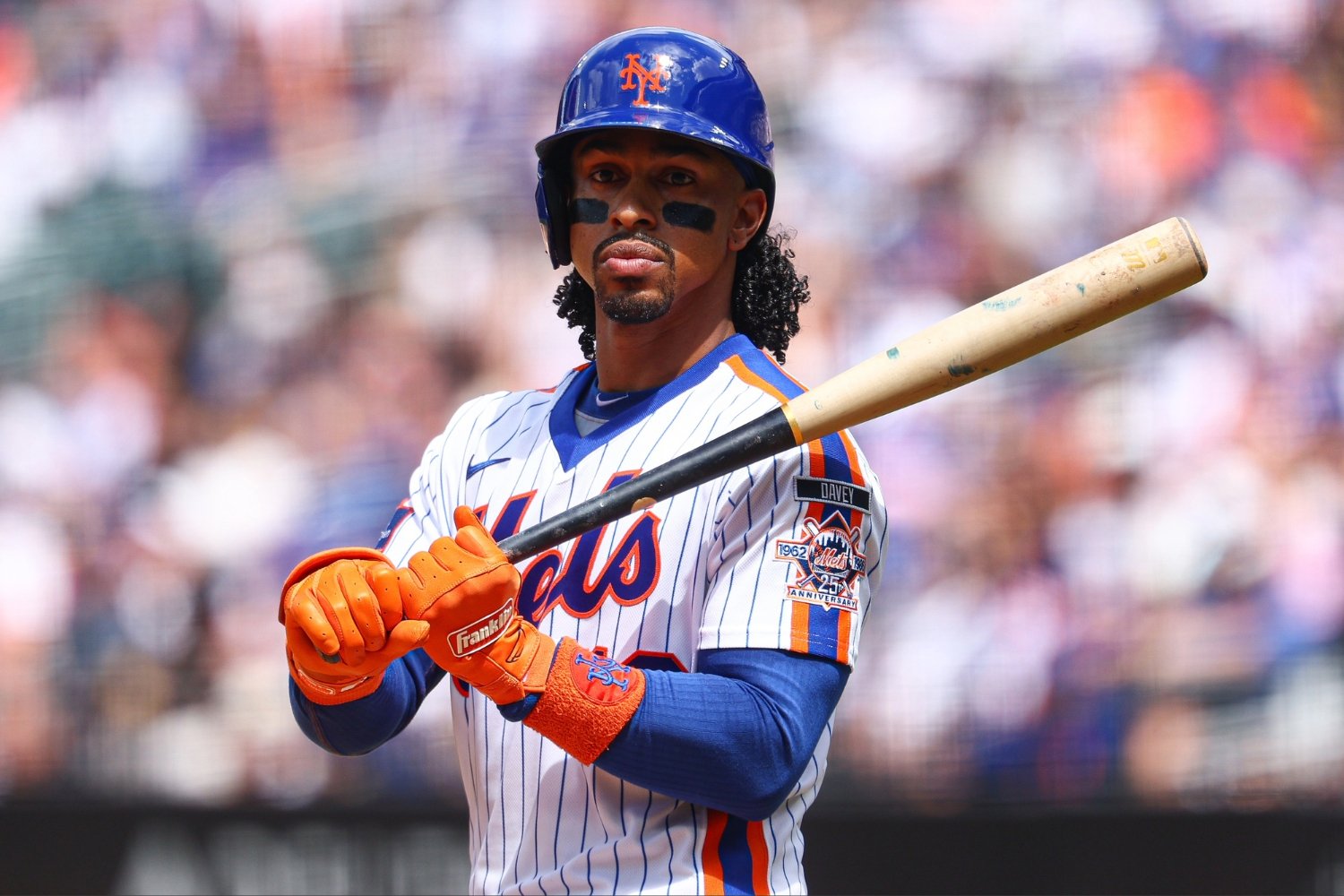 Juan Soto has undoubtedly been the New York Mets' best hitter all season, but after winning hitter of the month honors for June 2026, someone else took the crown for the month of July. It was a close race between the three hitters mentioned below, but Francisco Lindor ultimately came away with the prize. The Mets offense throughout the 2026 season thus far has been pretty underwhelming and they currently rank 28th overall in fWAR (7.6) ahead of only the Cincinnati Reds (7.1) and Colorado Rockies (6.9). Still, the team's batters took a big step forward during the month of July which propelled them up to the 11th-best offense in the league for the month, according to FanGraphs. Ranking Mets' Best Hitters In July No. 3 Francisco Alvarez, C There were numerous players who could’ve been selected here for the third spot, but Francisco Alvarez had the slight edge over Soto, Carson Benge, Jared Young, and A.J. Ewing. He managed a .267 batting average last month to go along with four extra-base hits that included three home runs. His performance in July wasn’t quite as spectacular as Lindor or Taylor, but he did have a respectable stretch of 74 plate appearances. Alvarez did a good job getting on base at a .405 clip, which was largely as a result of him drawing walks at an excellent 17.6% rate. He’s always shown the ability to walk and get on-base at an average pace but he took it to another level last month. Alvarez’ .267 batting average for the month was pretty good for his expectations, as he is a career .235 hitter. He had the second highest average on balls in play with a .351 clip that only trailed Benge with a .381 mark. His 139 wRC+ ranked third on the Mets for batters with at least 50 plate appearances, only trailing the two names below. No. 2 Tyrone Taylor, OF Taylor almost took the crown for the month of July and it could be argued that there wasn’t much of a difference between his performance and Lindor’s. The only variance is that he only made 50 plate appearances and his overall results weren’t quite as impressive. Over Taylor’s smaller sample, he hit for a .326 batting average which led the team, and also collected 10 extra-base hits. He hit six home runs, lined four doubles, and drove in 12 runs. Taylor displayed the most pure-power, hence his .512 isolated power and .837 slugging percentage -- both marks led all Mets hitters in July. He stayed disciplined at the plate over the course of the month where he drew walks 12% of the time, which was encouraging to see since over his career that’s not been the case with a 5.3% mark. Taylor’s strikeouts were a smidge high at a 24% clip. His two-and-a-half year tenure with the Mets ended on a good note, as he was traded to the Chicago Cubs at the deadline along with right-hander Clay Holmes. Out of all major-league hitters with at least 50 plate appearances for the month of July, Taylor led the group with an incredible 235 wRC+. No. 1 Francisco Lindor, SS Lindor earns this honor after leading the club with 107 plate appearances. His .258 batting average wasn’t the best on the squad, but he did mash six home runs while driving in 17 runs in the process. The biggest part of Lindor’s success in July was the power he displayed on offense when he collected 10 extra-base hits including three doubles and one triple. This resulted in a .505 slugging percentage for the month which was higher than his .420 mark for the season. His .247 isolated power topped his season and career marks. Lindor’s approach and discipline at the plate remained the same quality that we’ve seen from him since he debuted in Cleveland back in 2015. Lindor drew walks 12.1% of the time while maintaining an excellent 18.7% strikeout rate. Overall he had a great all-around offensive performance in July, leading to a 140 wRC+. If he keeps this up, the Mets should be right back in the thick of the hunt in 2027.
 -
Image courtesy of IMAGN IMAGES via Reuters Connect On Thursday night, it was reported by ESPN’s Jeff Passan that the New York Mets were sending lefty reliever A.J. Minter to the Minnesota Twins in exchange for a pair of minor leaguers: Billy Amick and Bruin Agbayani. It marks the first trade from the Mets, who are expected to move a lot of players by the August 3 deadline. Amick has been a borderline Top-20 prospect at Twins Daily throughout the last two years. The team's second-round pick in 2024, he was hitting .217/.338/.482 with 14 doubles, 23 homers and 72 RBIs at Double-A Wichita. He has the classic traits of a corner infielder, hitting for a low batting average while displaying a good amount of power. While he's logged time at both first and third base, Amick is projected to fit best at first base long-term considering that his range isn't great and the fact that his overall defensive profile could use some work. Agbayani, son of former big leaguer (and, specifically, New York Met) Benny Agbayani, was the Twins' sixth-round pick in the 2025 draft. The 19-year-old was limited to just 10 games this season and hit .268/.412/.342 with two doubles. He had nine walks to just three strikeouts. Unfortunately, his season began late due to injury, and after those 10 games, he went back on the IL and has not played since. While Amick is more of a power bat and doesn't offer much else, Agbayani is much more of a toolsy player, with his speed being the best attribute of his game. He's more of a contact hitter and won't hit for much power right now, but the power can certainly develop down the road considering he's still only 19 years old and has muscle to add to his 6'2", 185-pound frame. Even though Agbayani was primarily a shortstop during his high school days, industry officials think he'll project better as a second baseman due to his poor range and reaction time. The Twins were still giving him a shot at shortstop in Single-A, but he also logged innings at second base. What are your thoughts on the trade? Another lefty reliever, low-30s, with good stuff and an injury history the last few years for two intriguing prospects outside of the Twins' Top 20 prospects. View full article
-
Mets Trade A.J. Minter to the Twins In Exchange for Two Prospects
Cade Lalim posted an article in Mets
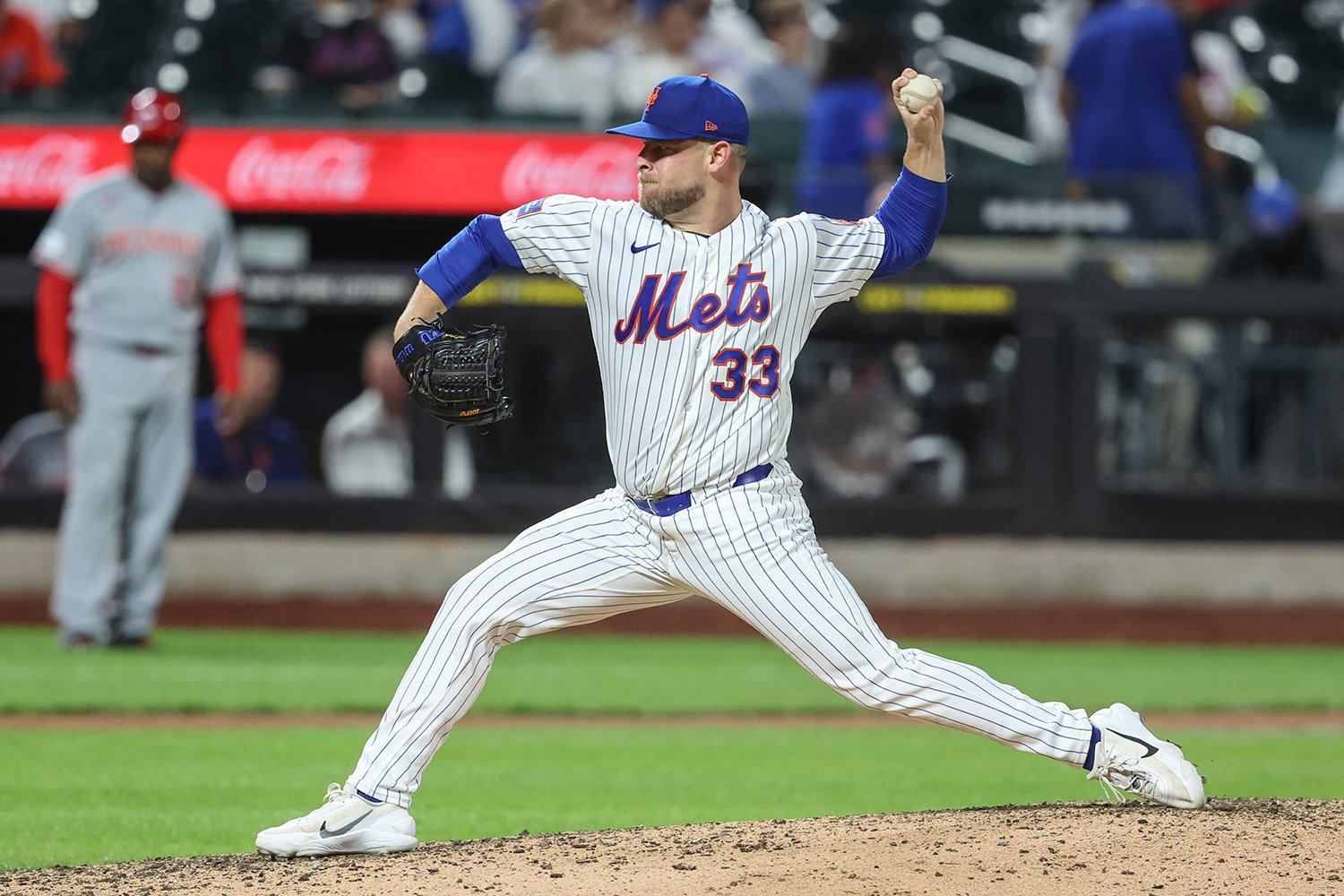 On Thursday night, it was reported by ESPN’s Jeff Passan that the New York Mets were sending lefty reliever A.J. Minter to the Minnesota Twins in exchange for a pair of minor leaguers: Billy Amick and Bruin Agbayani. It marks the first trade from the Mets, who are expected to move a lot of players by the August 3 deadline. Amick has been a borderline Top-20 prospect at Twins Daily throughout the last two years. The team's second-round pick in 2024, he was hitting .217/.338/.482 with 14 doubles, 23 homers and 72 RBIs at Double-A Wichita. He has the classic traits of a corner infielder, hitting for a low batting average while displaying a good amount of power. While he's logged time at both first and third base, Amick is projected to fit best at first base long-term considering that his range isn't great and the fact that his overall defensive profile could use some work. Agbayani, son of former big leaguer (and, specifically, New York Met) Benny Agbayani, was the Twins' sixth-round pick in the 2025 draft. The 19-year-old was limited to just 10 games this season and hit .268/.412/.342 with two doubles. He had nine walks to just three strikeouts. Unfortunately, his season began late due to injury, and after those 10 games, he went back on the IL and has not played since. While Amick is more of a power bat and doesn't offer much else, Agbayani is much more of a toolsy player, with his speed being the best attribute of his game. He's more of a contact hitter and won't hit for much power right now, but the power can certainly develop down the road considering he's still only 19 years old and has muscle to add to his 6'2", 185-pound frame. Even though Agbayani was primarily a shortstop during his high school days, industry officials think he'll project better as a second baseman due to his poor range and reaction time. The Twins were still giving him a shot at shortstop in Single-A, but he also logged innings at second base. What are your thoughts on the trade? Another lefty reliever, low-30s, with good stuff and an injury history the last few years for two intriguing prospects outside of the Twins' Top 20 prospects.
 -
Image courtesy of © Vincent Carchietta-Imagn Images Out of all the players that the New York Mets will likely trade before this year's deadline, Clay Holmes will draw some of the most interest from teams looking to add before the final push to the postseason. He’s in the second season of a three-year, $38 million contract that he signed entering the 2025 season -- although part of the deal included a $12 million player option for the 2027 campaign. Holmes had a good start to the 2026 season, pitching to a 2.39 ERA and 1.10 WHIP across his first nine starts before being interrupted due to a freak injury. On May 15 in a start against the New York Yankees, Spencer Jones destroyed a 111.1 mph line drive that deflected off the right leg of Holmes; it wound up fracturing his fibula, which landed him on the 60-day injured list. He recently began a rehab assignment on July 18, where Holmes has since made two minor league starts -- one in Triple-A and the most recent one in Single-A. According to Robert Murray of FanSided, scouts from the White Sox, Rays, Dodgers, Rangers, Diamondbacks, and Phillies were all in attendance to watch Holmes’ most recent rehab start on July 28 with the St. Lucie Mets. In a report from The Athletic, two executives believed Holmes looked major-league ready. With all that being said, there is certainly a hot market for the veteran right-hander despite his injury, and it wouldn’t be shocking if a deal comes together within the next week. In other words, has Holmes made his last appearance within the Mets organization? Assessing Clay Holmes' Trade Value Ahead of Deadline Holmes made his major-league debut with the Pittsburgh Pirates during the 2018 and was pretty much solely a relief pitcher until converting to a starter when joining the Mets for the 2025 season. Over a span of seven seasons from 2018-2024 between the Pirates and Yankees, only four of his 311 games came as a starting pitcher. During his time as a reliever, he primarily worked with a three-pitch mix consisting of a sinker, slider, and sweeper. After converting to a full-time starter, he added a changeup, cutter, and curveball while eliminating his slider. He still relies heavily on the sinker/sweeper combo but had to add some other offerings to better fit a starting role. Considering the amount of groundballs Holmes is able to generate (55.3%), a team with good infield defense might be the best fit in order to maximize his noticeable strength. His raw stuff isn’t bad, but batters will tend to put the ball in play. This is a result of Holmes’ not getting much swing and miss on his offerings (21.9%) which has led to a below-average 20.9% strikeout rate. Put another way, this season, opponents are making contact with 80.5% of all pitches while making contact with 90.8% of offerings in the zone -- both marks are higher than average. The weird thing about Holmes’ profile is that he limits barrels to an excellent 5.3% clip, but still manages to get hit pretty hard. His 44% hard-hit rate places him in the 13th percentile and opponents average exit velocity of 89.8 mph also puts him below average in the 28th percentile. The good thing in his case is that those hard-bit balls have only resulted in three home runs across 52.2 innings this season, good enough for an exceptional 0.5 HR/9 ratio. Even though his stuff isn’t going to overpower opponents and create lots of swing and miss, Holmes still has found ways to be effective and that’s why teams will be bidding for him over the next few days. Per Baseball Savant, all of his fastball, breaking, and off-speed run values rank at least in the 70th percentile or better. Is he outperforming his 2.39 ERA? Yes, and his 3.70 xFIP proves that, but teams will still definitely take the chance to bring in a seasoned veteran for the final few months and maybe even the postseason to bolster their rotation. His freak injury has derailed any chance of the Mets receiving a haul, but a high-upside prospect or a couple of low-level fliers should be the minimum ask from David Stearns and the front office. View full article
-
Can Mets Salvage Clay Holmes' Trade Market Despite Long-Term Leg Injury?
Cade Lalim posted an article in Mets
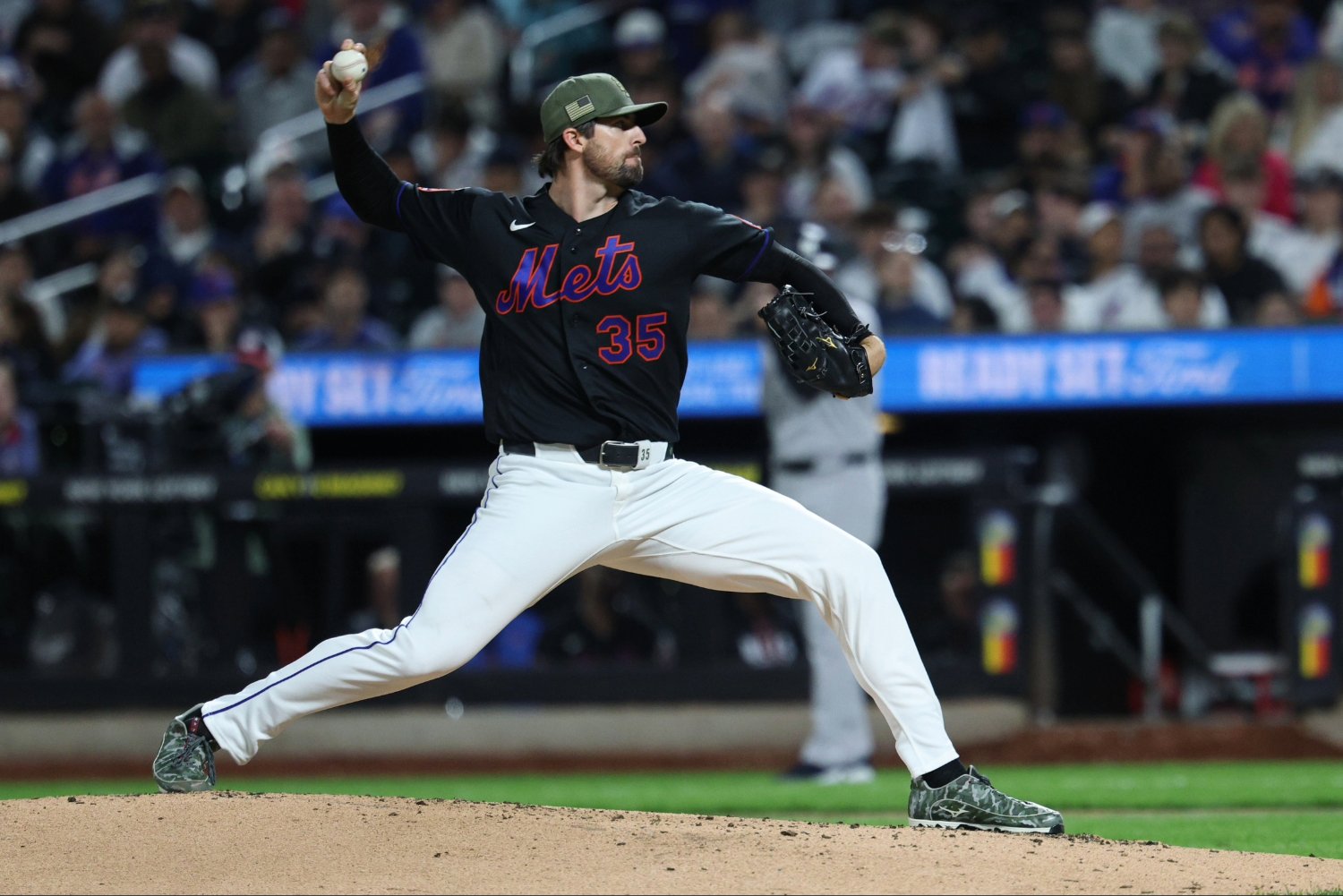 Out of all the players that the New York Mets will likely trade before this year's deadline, Clay Holmes will draw some of the most interest from teams looking to add before the final push to the postseason. He’s in the second season of a three-year, $38 million contract that he signed entering the 2025 season -- although part of the deal included a $12 million player option for the 2027 campaign. Holmes had a good start to the 2026 season, pitching to a 2.39 ERA and 1.10 WHIP across his first nine starts before being interrupted due to a freak injury. On May 15 in a start against the New York Yankees, Spencer Jones destroyed a 111.1 mph line drive that deflected off the right leg of Holmes; it wound up fracturing his fibula, which landed him on the 60-day injured list. He recently began a rehab assignment on July 18, where Holmes has since made two minor league starts -- one in Triple-A and the most recent one in Single-A. According to Robert Murray of FanSided, scouts from the White Sox, Rays, Dodgers, Rangers, Diamondbacks, and Phillies were all in attendance to watch Holmes’ most recent rehab start on July 28 with the St. Lucie Mets. In a report from The Athletic, two executives believed Holmes looked major-league ready. With all that being said, there is certainly a hot market for the veteran right-hander despite his injury, and it wouldn’t be shocking if a deal comes together within the next week. In other words, has Holmes made his last appearance within the Mets organization? Assessing Clay Holmes' Trade Value Ahead of Deadline Holmes made his major-league debut with the Pittsburgh Pirates during the 2018 and was pretty much solely a relief pitcher until converting to a starter when joining the Mets for the 2025 season. Over a span of seven seasons from 2018-2024 between the Pirates and Yankees, only four of his 311 games came as a starting pitcher. During his time as a reliever, he primarily worked with a three-pitch mix consisting of a sinker, slider, and sweeper. After converting to a full-time starter, he added a changeup, cutter, and curveball while eliminating his slider. He still relies heavily on the sinker/sweeper combo but had to add some other offerings to better fit a starting role. Considering the amount of groundballs Holmes is able to generate (55.3%), a team with good infield defense might be the best fit in order to maximize his noticeable strength. His raw stuff isn’t bad, but batters will tend to put the ball in play. This is a result of Holmes’ not getting much swing and miss on his offerings (21.9%) which has led to a below-average 20.9% strikeout rate. Put another way, this season, opponents are making contact with 80.5% of all pitches while making contact with 90.8% of offerings in the zone -- both marks are higher than average. The weird thing about Holmes’ profile is that he limits barrels to an excellent 5.3% clip, but still manages to get hit pretty hard. His 44% hard-hit rate places him in the 13th percentile and opponents average exit velocity of 89.8 mph also puts him below average in the 28th percentile. The good thing in his case is that those hard-bit balls have only resulted in three home runs across 52.2 innings this season, good enough for an exceptional 0.5 HR/9 ratio. Even though his stuff isn’t going to overpower opponents and create lots of swing and miss, Holmes still has found ways to be effective and that’s why teams will be bidding for him over the next few days. Per Baseball Savant, all of his fastball, breaking, and off-speed run values rank at least in the 70th percentile or better. Is he outperforming his 2.39 ERA? Yes, and his 3.70 xFIP proves that, but teams will still definitely take the chance to bring in a seasoned veteran for the final few months and maybe even the postseason to bolster their rotation. His freak injury has derailed any chance of the Mets receiving a haul, but a high-upside prospect or a couple of low-level fliers should be the minimum ask from David Stearns and the front office.
 -
Image courtesy of © Wendell Cruz-Imagn Images Despite having the second-highest payroll in the league, the New York Mets have not been able to put it together this season and currently sit 18 games under .500. What seemed to be a promising offseason after they brought in Freddy Peralta, Bo Bichette, and Luis Robert Jr., it’s shaping up to be another disappointing season after barely missing the postseason in 2025. With the trade deadline looming closer on Aug. 3, the Mets have found themselves in a position to be sellers while having quite a few pieces to be moved. Freddy Peralta and Tyrone Taylor are obvious candidates considering they are both on expiring contracts, but they also have a pair of relievers in A.J. Minter and Brooks Raley who would fill short-term needs in contenders' bullpens. Out of all players on the Mets roster, Minter and Raley surely have the highest chance to finish the season with another club. Being able to find good lefty relievers can sometimes be a tough task, making their respective strong seasons extremely attractive on the trade market. A.J. Minter, LHP After a dominant stretch with the Atlanta Braves from 2017 through 2024 where he posted a 3.28 ERA and 1.20 WHIP, Minter has carried over his success to the Mets since joining the club for the start of the 2025 campaign. He signed a two-year, $22 million contract leading up to the start of last season, but his year was cut short after just 13 appearances when he suffered a season ending lat injury in his throwing arm. Minter’s 2026 campaign had a delayed start while continuing to recover from his injury, but he’s since pitched to a solid 2.45 ERA across 22 innings after making his season debut on May 26. While his 2.45 ERA looks promising, his FIP sits a bit higher at a 4.11 mark due to already surrendering four home runs and only striking out 20.5% of batters. Putting that aside, the veteran has done an exceptional job controlling counts, hence his 2.3% walk rate. He won’t get hit very hard and does a good job inducing chases outside the zone, but his stuff isn’t very overwhelming and doesn’t get that many ground balls. For a veteran like Minter who’s constantly shown the ability to be reliable at the major-league level, he will be a very popular name thrown around in trade talks and teams will value what he brings to the table. That he's a southpaw capable of shutting down left-handed hitters only boosts his stock further. A top-10 organizational prospect and a low-level flier would be a reasonable price to set. Brooks Raley, LHP Raley, similar to Minter, has battled a pretty significant injury in recent times -- in May of 2024, he underwent Tommy John surgery which limited him to 32.2 between the 2024 and 2025 seasons. Since being activated last July, Raley has returned to being one of the better relievers in the game. In 37.2 innings this year spanning 42 games, Raley owns a 2.15 ERA and 1.17 WHIP while also accumulating 1.3 bWAR. The best part about Raley’s profile is his elite ability to not give up many hard-hit balls. His 4.9% barrel rate ranks in the 88th percentile while his 31.1% hard-hit rate places him in the 91st percentile -- between the pairing of those elite metrics, Raley has only allowed two home runs so far this season. He’s a deceptive lefty who throws across his body with a pretty flat 32° release point. It works well for someone who relies heavily on a sweeper and cutter. While his stuff isn’t going to generate much chase or swing and miss, Raley’s blend of breaking balls and a flat arm slot makes it hard for batters to square up. He also comes at a cheaper salary than Minter ($4.75 million compared to $11 million), meaning he could garner a slightly larger return package, though it should be comparable. View full article
- 4 replies
-
- 2
-

-
- brooks raley
- aj minter
- (and 1 more)
-
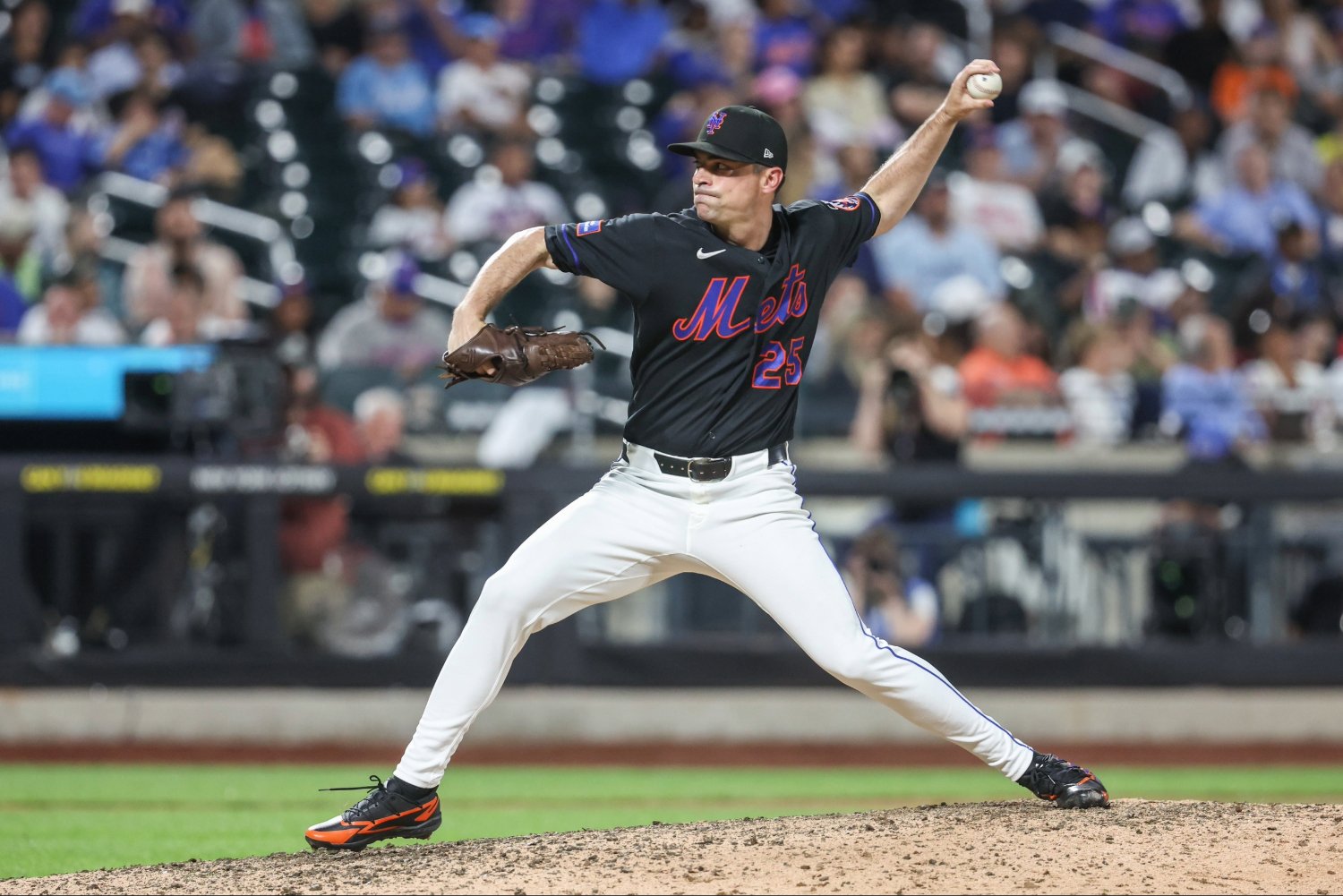 Despite having the second-highest payroll in the league, the New York Mets have not been able to put it together this season and currently sit 18 games under .500. What seemed to be a promising offseason after they brought in Freddy Peralta, Bo Bichette, and Luis Robert Jr., it’s shaping up to be another disappointing season after barely missing the postseason in 2025. With the trade deadline looming closer on Aug. 3, the Mets have found themselves in a position to be sellers while having quite a few pieces to be moved. Freddy Peralta and Tyrone Taylor are obvious candidates considering they are both on expiring contracts, but they also have a pair of relievers in A.J. Minter and Brooks Raley who would fill short-term needs in contenders' bullpens. Out of all players on the Mets roster, Minter and Raley surely have the highest chance to finish the season with another club. Being able to find good lefty relievers can sometimes be a tough task, making their respective strong seasons extremely attractive on the trade market. A.J. Minter, LHP After a dominant stretch with the Atlanta Braves from 2017 through 2024 where he posted a 3.28 ERA and 1.20 WHIP, Minter has carried over his success to the Mets since joining the club for the start of the 2025 campaign. He signed a two-year, $22 million contract leading up to the start of last season, but his year was cut short after just 13 appearances when he suffered a season ending lat injury in his throwing arm. Minter’s 2026 campaign had a delayed start while continuing to recover from his injury, but he’s since pitched to a solid 2.45 ERA across 22 innings after making his season debut on May 26. While his 2.45 ERA looks promising, his FIP sits a bit higher at a 4.11 mark due to already surrendering four home runs and only striking out 20.5% of batters. Putting that aside, the veteran has done an exceptional job controlling counts, hence his 2.3% walk rate. He won’t get hit very hard and does a good job inducing chases outside the zone, but his stuff isn’t very overwhelming and doesn’t get that many ground balls. For a veteran like Minter who’s constantly shown the ability to be reliable at the major-league level, he will be a very popular name thrown around in trade talks and teams will value what he brings to the table. That he's a southpaw capable of shutting down left-handed hitters only boosts his stock further. A top-10 organizational prospect and a low-level flier would be a reasonable price to set. Brooks Raley, LHP Raley, similar to Minter, has battled a pretty significant injury in recent times -- in May of 2024, he underwent Tommy John surgery which limited him to 32.2 between the 2024 and 2025 seasons. Since being activated last July, Raley has returned to being one of the better relievers in the game. In 37.2 innings this year spanning 42 games, Raley owns a 2.15 ERA and 1.17 WHIP while also accumulating 1.3 bWAR. The best part about Raley’s profile is his elite ability to not give up many hard-hit balls. His 4.9% barrel rate ranks in the 88th percentile while his 31.1% hard-hit rate places him in the 91st percentile -- between the pairing of those elite metrics, Raley has only allowed two home runs so far this season. He’s a deceptive lefty who throws across his body with a pretty flat 32° release point. It works well for someone who relies heavily on a sweeper and cutter. While his stuff isn’t going to generate much chase or swing and miss, Raley’s blend of breaking balls and a flat arm slot makes it hard for batters to square up. He also comes at a cheaper salary than Minter ($4.75 million compared to $11 million), meaning he could garner a slightly larger return package, though it should be comparable.
 -
Image courtesy of © Brad Penner-Imagn Images While it's impossible to prove the correlation, the New York Mets have been playing better since top prospect A.J. Ewing made his major league debut. They have since gone 6-1, after beginning the season with a disappointing 15-25 record. He joins Juan Soto and former top prospect Carson Benge who all look to anchor the Mets outfield for years to come. Once Benge and Ewing really start to consistently produce at the big-league level, the Mets could have one of the best outfield trio’s in all of baseball. Ewing started the season in the minors, starting with the Binghamton Rumble Ponies before getting promoted to the Syracuse Mets in late April. Between both levels, he owned a .339 batting average complimented by a .961 OPS. He racked up 13 extra-base hits while walking more than he struck out (22/20 ratio). Throughout his minor-league career, Ewing has made a reputation out of providing professional at-bats, hence his 14.3% walk rate and 21.8% strikeout clip. Being an on-base machine -- favoring contact over power and drawing plenty of walks -- he’ll be a nice addition to a Mets offense that ranks 29th in on-base percentage (.295). This profile we’ve come accustomed to with Ewing has carried over the majors thus far. He’s already notched his first career home run and triple. His bat speed is below average, only averaging 69.8 mph, which isn’t going to lead to much power in the future. His minimal bat speed is what’s behind his 46.2% of batted balls hit up the center. Ewing is only pulling 23.1% of balls, which is below the 37.4% league-average mark. As expected, he’ll likely be a guy who’ll be able to spray the baseball all over the yard with gap-to-gap power. So far, Ewing’s average batted-ball exit velocity hasn’t been overwhelming, averaging 88.3 mph. You can see this translate from his minor-league play, as he only hit 15 home runs over four minor league seasons with a .290 batting average. Although Ewing may not blow fans away with his power, he’ll certainly bring a fun style of play to the Mets. On top of his aforementioned hit tool, Ewing has incredible speed, topping out at 29.2 feet per second thus far with the Mets, putting him in the 95th percentile among all MLB players. He’s considered a plus defender and should be easily able to man center field effectively. He won't produce a 185 wRC+ forever, but he won't have to thanks to his speed and defense. He’s only played seven games but is sporting a .467 on-base percentage. Ewing’s excellent approach at the plate has translated well, as he’s walked seven times, equal to his number of punchouts. Ewing is doing a great job not expanding the zone only chasing 18.2% of the time -- way better than the league average 28.5% mark. He’s only squaring up 22.6% of batted balls but is still doing a good job making contact and limiting his whiff rate to 18.4%. In just his small sample size, Ewing already ranks tied for fourth among Mets hitters with 0.4 fWAR, only trailing Juan Soto (0.9), Francisco Lindor (0.6), and Francisco Alvarez (0.5). Perhaps that's an indictment on the scuffling lineup, but it's also proof that the rookie has the goods to become part of baseball's most exciting outfield in short order. View full article
-
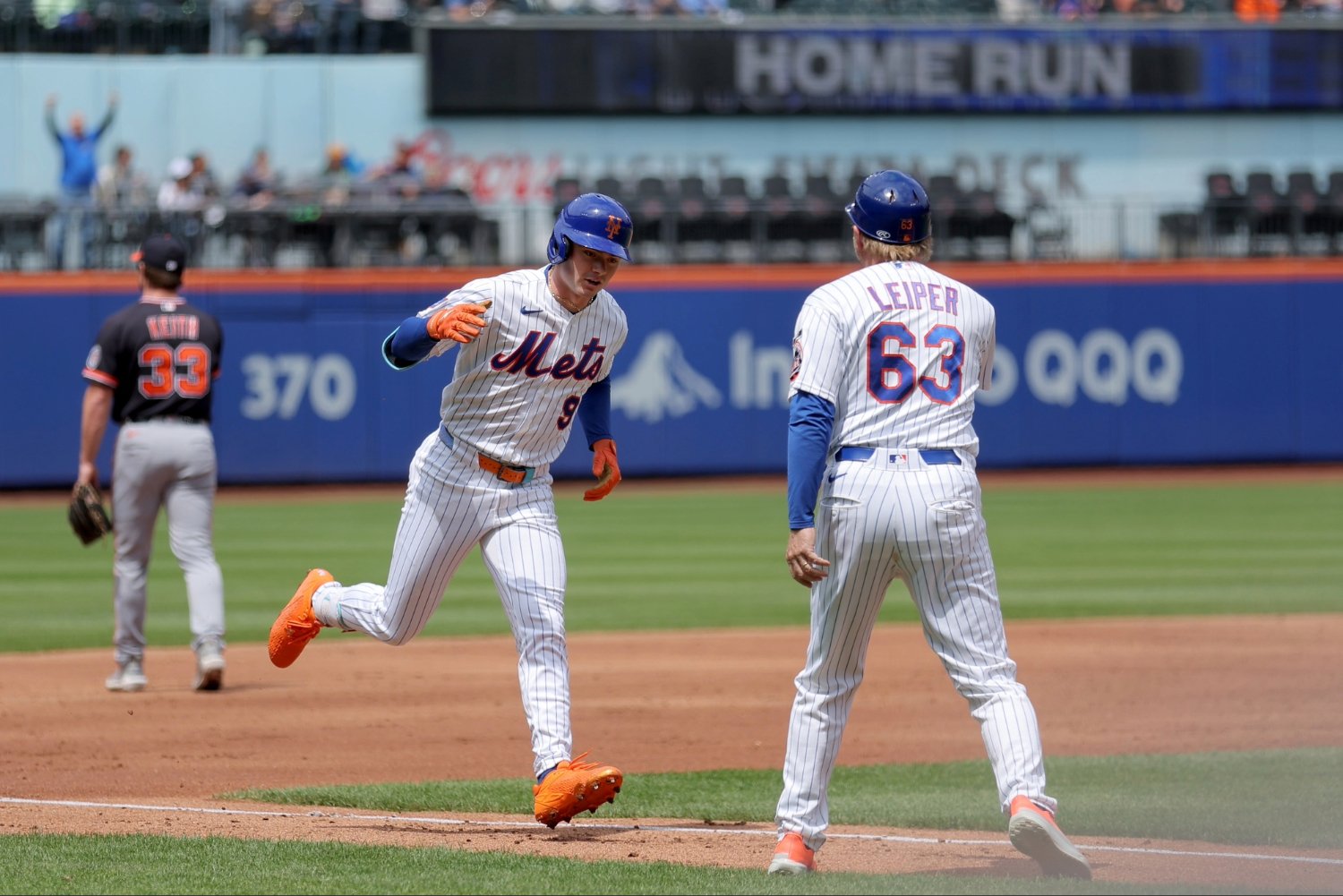 While it's impossible to prove the correlation, the New York Mets have been playing better since top prospect A.J. Ewing made his major league debut. They have since gone 6-1, after beginning the season with a disappointing 15-25 record. He joins Juan Soto and former top prospect Carson Benge who all look to anchor the Mets outfield for years to come. Once Benge and Ewing really start to consistently produce at the big-league level, the Mets could have one of the best outfield trio’s in all of baseball. Ewing started the season in the minors, starting with the Binghamton Rumble Ponies before getting promoted to the Syracuse Mets in late April. Between both levels, he owned a .339 batting average complimented by a .961 OPS. He racked up 13 extra-base hits while walking more than he struck out (22/20 ratio). Throughout his minor-league career, Ewing has made a reputation out of providing professional at-bats, hence his 14.3% walk rate and 21.8% strikeout clip. Being an on-base machine -- favoring contact over power and drawing plenty of walks -- he’ll be a nice addition to a Mets offense that ranks 29th in on-base percentage (.295). This profile we’ve come accustomed to with Ewing has carried over the majors thus far. He’s already notched his first career home run and triple. His bat speed is below average, only averaging 69.8 mph, which isn’t going to lead to much power in the future. His minimal bat speed is what’s behind his 46.2% of batted balls hit up the center. Ewing is only pulling 23.1% of balls, which is below the 37.4% league-average mark. As expected, he’ll likely be a guy who’ll be able to spray the baseball all over the yard with gap-to-gap power. So far, Ewing’s average batted-ball exit velocity hasn’t been overwhelming, averaging 88.3 mph. You can see this translate from his minor-league play, as he only hit 15 home runs over four minor league seasons with a .290 batting average. Although Ewing may not blow fans away with his power, he’ll certainly bring a fun style of play to the Mets. On top of his aforementioned hit tool, Ewing has incredible speed, topping out at 29.2 feet per second thus far with the Mets, putting him in the 95th percentile among all MLB players. He’s considered a plus defender and should be easily able to man center field effectively. He won't produce a 185 wRC+ forever, but he won't have to thanks to his speed and defense. He’s only played seven games but is sporting a .467 on-base percentage. Ewing’s excellent approach at the plate has translated well, as he’s walked seven times, equal to his number of punchouts. Ewing is doing a great job not expanding the zone only chasing 18.2% of the time -- way better than the league average 28.5% mark. He’s only squaring up 22.6% of batted balls but is still doing a good job making contact and limiting his whiff rate to 18.4%. In just his small sample size, Ewing already ranks tied for fourth among Mets hitters with 0.4 fWAR, only trailing Juan Soto (0.9), Francisco Lindor (0.6), and Francisco Alvarez (0.5). Perhaps that's an indictment on the scuffling lineup, but it's also proof that the rookie has the goods to become part of baseball's most exciting outfield in short order.
 -
Image courtesy of © John Jones-Imagn Images Amidst the New York Mets' scuffling to start the season, the bullpen has actually performed exceptionally well. They currently rank ninth in MLB in ERA (3.64) and third in strikeouts (177). The only problem is that the Mets' relievers have been overused. They’ve pitched 165.2 innings, which is the eighth-largest total in the majors. Some of that success is coming from a pitcher who has never seen a consistent role out of the bullpen since making his major-league debut in 2021 with the Los Angeles Angels. We’re talking about Austin Warren, who’s in the midst of his sixth big-league season, but hasn’t pitched more than 20.1 innings in a single campaign thus far. Warren pitched for the Angels from 2021 to 2023 before being designated for assignment in February of 2024. He underwent Tommy John surgery in May of 2023 after only pitching in two games. Warren survived the winter with the Angels, but was designated for assignment in February of 2024. The San Francisco Giants picked him up a couple days later but didn’t get activated until July as he continued to recover from UCL surgery. The Giants called him up in August where he’d log 10.2 innings pitching to a 1.69 ERA and 1.31 WHIP. Warren stayed in the Giants organization until January of 2025, when they designated him or assignment and he found his new home with the New York Mets. Austin Warren's Strong Results with Mets Warren has been with the Mets organization ever since they claimed him last spring. He saw a lot of brief stints last year in the majors only pitching 9.1 innings, but he threw 50.2 frames with the Syracuse Mets. Jumping ahead to this year, Warren has already pitched 11 innings which is his most in a season since his 2022 campaign. He has been effective in relief, owning a 0.82 ERA to go along with a 1.09 WHIP. He is striking out 29.5% of batters, equivalent to a 10.6 K/9 ratio. It’s still such a small sample to look at, but he’s performed well. His 0.82 ERA is amazing, but will be tough to sustain. His underlying peripherals suggest he could maintain solid production even if he regresses, hence his 3.30 FIP and 3.22 SIERA. His expected earned run average sits at 3.52 which is good, but again showing where his real results would likely be with a larger sample size. He could improve his walk rate that currently sits at 11.4%, a below-average mark that, if improved, could make Warren an even more reliable bullpen arm. Two Pitches That Look Good, but Will Regress Over Time While Warren has featured six differently tagged pitches this year, he relies mainly on his sweeper (51%) and sinker (21%). Both of these offerings are getting the job done right now, but the underlying numbers suggest that they might start to get hit harder as he logs more innings. Overall, batters are making contact with 93.2% of Warren’s strikes, putting him in the bottom second percentile. His sweeper is his best offering looking at the pitch traits and shape. It’s averaged 85.4 mph with -15.4 inches of horizontal break. Warren’s sweeper is getting an incredible 2776 RPM’s of spin. It’s his best pitch by Stuff+ (113), per TJStats. Opponents are hitting just .200 against the pitch, but it has a .290 expected batting average. On top of that, it’s only generating an 18.2% swing-and-miss rate, signaling Warren’s sweeper is not as effective as it could be. The pitch is also responsible for a below-average .347 xwOBA. When Warren isn’t throwing his sweeper, he goes to his sinker more often than not. It grades out a tick below average (99 Stuff+) but has done its job thus far -- batters have yet to record a hit against it. Still, keep in mind he’s only thrown it 36 times and has poor underlying numbers. Warren’s sinker is only generating 8.3% whiff and also has a poor .348 xwOBA on its ledger. Warren also throws a four-seam fastball and curveball, which have both been generating good expected numbers, but given their extremely limited usage, it's hard to draw any firm conclusions at the moment. This is a guy who lives and dies with his primary offerings, which might make him due for regression as opposing hitters see his best stuff more often. Nevertheless, he's been one of the most valuable relievers in the Mets' bullpen thus far, making him a much-needed win on David Stearns' track record. View full article
-
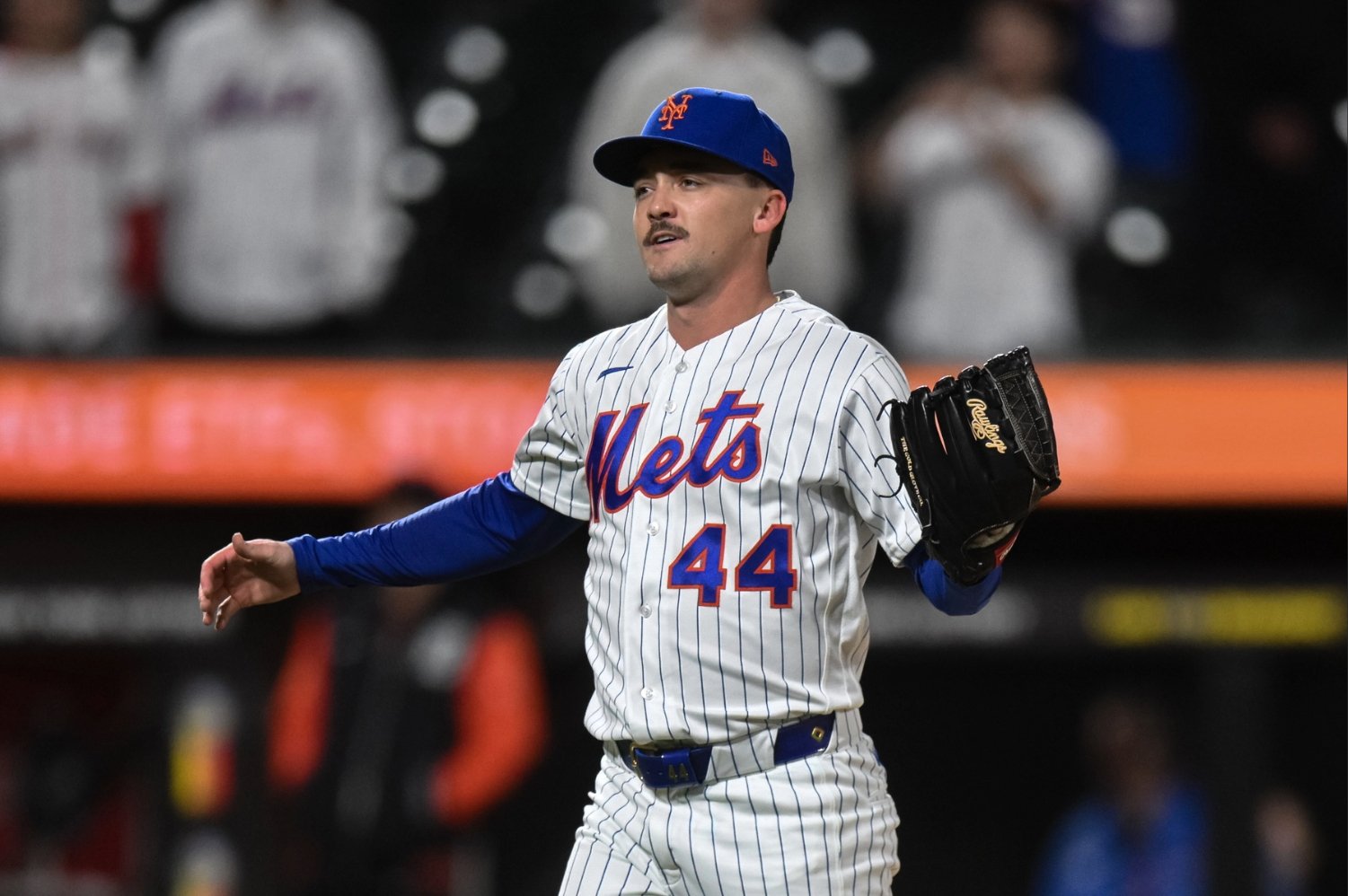 Amidst the New York Mets' scuffling to start the season, the bullpen has actually performed exceptionally well. They currently rank ninth in MLB in ERA (3.64) and third in strikeouts (177). The only problem is that the Mets' relievers have been overused. They’ve pitched 165.2 innings, which is the eighth-largest total in the majors. Some of that success is coming from a pitcher who has never seen a consistent role out of the bullpen since making his major-league debut in 2021 with the Los Angeles Angels. We’re talking about Austin Warren, who’s in the midst of his sixth big-league season, but hasn’t pitched more than 20.1 innings in a single campaign thus far. Warren pitched for the Angels from 2021 to 2023 before being designated for assignment in February of 2024. He underwent Tommy John surgery in May of 2023 after only pitching in two games. Warren survived the winter with the Angels, but was designated for assignment in February of 2024. The San Francisco Giants picked him up a couple days later but didn’t get activated until July as he continued to recover from UCL surgery. The Giants called him up in August where he’d log 10.2 innings pitching to a 1.69 ERA and 1.31 WHIP. Warren stayed in the Giants organization until January of 2025, when they designated him or assignment and he found his new home with the New York Mets. Austin Warren's Strong Results with Mets Warren has been with the Mets organization ever since they claimed him last spring. He saw a lot of brief stints last year in the majors only pitching 9.1 innings, but he threw 50.2 frames with the Syracuse Mets. Jumping ahead to this year, Warren has already pitched 11 innings which is his most in a season since his 2022 campaign. He has been effective in relief, owning a 0.82 ERA to go along with a 1.09 WHIP. He is striking out 29.5% of batters, equivalent to a 10.6 K/9 ratio. It’s still such a small sample to look at, but he’s performed well. His 0.82 ERA is amazing, but will be tough to sustain. His underlying peripherals suggest he could maintain solid production even if he regresses, hence his 3.30 FIP and 3.22 SIERA. His expected earned run average sits at 3.52 which is good, but again showing where his real results would likely be with a larger sample size. He could improve his walk rate that currently sits at 11.4%, a below-average mark that, if improved, could make Warren an even more reliable bullpen arm. Two Pitches That Look Good, but Will Regress Over Time While Warren has featured six differently tagged pitches this year, he relies mainly on his sweeper (51%) and sinker (21%). Both of these offerings are getting the job done right now, but the underlying numbers suggest that they might start to get hit harder as he logs more innings. Overall, batters are making contact with 93.2% of Warren’s strikes, putting him in the bottom second percentile. His sweeper is his best offering looking at the pitch traits and shape. It’s averaged 85.4 mph with -15.4 inches of horizontal break. Warren’s sweeper is getting an incredible 2776 RPM’s of spin. It’s his best pitch by Stuff+ (113), per TJStats. Opponents are hitting just .200 against the pitch, but it has a .290 expected batting average. On top of that, it’s only generating an 18.2% swing-and-miss rate, signaling Warren’s sweeper is not as effective as it could be. The pitch is also responsible for a below-average .347 xwOBA. When Warren isn’t throwing his sweeper, he goes to his sinker more often than not. It grades out a tick below average (99 Stuff+) but has done its job thus far -- batters have yet to record a hit against it. Still, keep in mind he’s only thrown it 36 times and has poor underlying numbers. Warren’s sinker is only generating 8.3% whiff and also has a poor .348 xwOBA on its ledger. Warren also throws a four-seam fastball and curveball, which have both been generating good expected numbers, but given their extremely limited usage, it's hard to draw any firm conclusions at the moment. This is a guy who lives and dies with his primary offerings, which might make him due for regression as opposing hitters see his best stuff more often. Nevertheless, he's been one of the most valuable relievers in the Mets' bullpen thus far, making him a much-needed win on David Stearns' track record.
 -
Image courtesy of © Ron Chenoy-Imagn Images After the Mets lost closer Edwin Diaz to the Los Angeles Dodgers over the offseason, they made a splash and signed Devin Williams to take his place. He’s under contract for three seasons, but hasn’t gotten off to a great start. Williams earned the honors of National League Rookie of the Year back in 2020 and was made two All-Star rosters while with the Milwaukee Brewers. The Brewers are heavily driven by analytics and are considered to be one of the best teams year in and out with roster construction, especially when it comes to pitching. Ever since getting shipped out of Milwaukee, Williams hasn't been the same. Part of this could be as a result of him dealing with a back stress fracture during the 2024 season that limited him to just 22 games. In December that year, the Brewers sent him to the New York Yankees in a deal that would bring back Caleb Durbin and Nestor Cortes. The profile on Williams is simple: He doesn't have elite velocity, but will miss bats with his stuff and limit hard contact. His nasty changeup allowed him to fetch excellent ground ball rates during his best years. While he has maintained his ability to strike out a surplus of batters, his ability to get batters to hit the ball on the ground has seen a decline with the Mets this year. Why Is Devin Williams Generating Fewer Groundballs with the Mets? Williams’ changeup constantly has graded out to be well above average according to Stuff+. From 2020-2025, his changeup has graded as high as 140 and as low as 114 according to FanGraphs Stuff+. This year, it’s taken a significant and concerning dive down to 82. Diving into the traits of his changeup, it lost a noticeable amount of vertical drop this year. That offering had an incredible 44.3 inches of vertical drop last year which is his career best, but has sat between 40 and 42 inches throughout his career. So far in 2026 with the Mets, his changeup is only averaging 38.9 inches of vertical drop. That has led to Williams having the lowest groundball percentage of his career; his groundball rate has averaged 46.9%, but he's down to 37.9% in 2026. This is reflected very clearly if you look at Williams’ run value on off-speed pitches, which only accounts for his changeup. It currently has a run value of -2 (8th percentile), but it’s been as high as 15 during the 2023 season. Batters are whiffing less against it and it has not been as effective at putting opponents away. Williams’ changeup has drawn a 40.4 swing-and-miss rate which is down from where it’s sat between 43% and 48% in the past. That figure is still pretty elite, but margins like these are the difference between an All-Star closer and a middling reliever. Will Devin Williams Return to Elite Form? For a guy who’s relied heavily on his changeup for success, it’s definitely concerning to see decline in the effectiveness of his best pitch. During his best years, he went to his changeup between 57-63% of offerings. This year is the first time in Williams’ career that he’s used his four-seamer more than his changeup. Williams hasn’t seen great results when batters put his changeup in play. Opponents are hitting .357 against the pitch with a .424 xSLG and .410 xOBA. While the expected batting average against his changeup is lower at .257, batters are still crushing the pitch with a .500 slugging percentage. He’s been a tad unlucky thus far through 11 innings of work. While his 6.55 ERA doesn’t look good, Williams has a 3.49 xERA and a 2.69 FIP. Seeing his FIP under three is what’s encouraging with Williams. He owns a career 2.46 mark in that category because of his high strikeout rate while not allowing many home runs. It might be the Mets wanting him to use his fastball more, or maybe he’s just not confident with his changeup right now. There is still plenty of time left in the year for Williams to figure things out, but it’ll be important to monitor how effective his "airbender" will be going forward. View full article
-
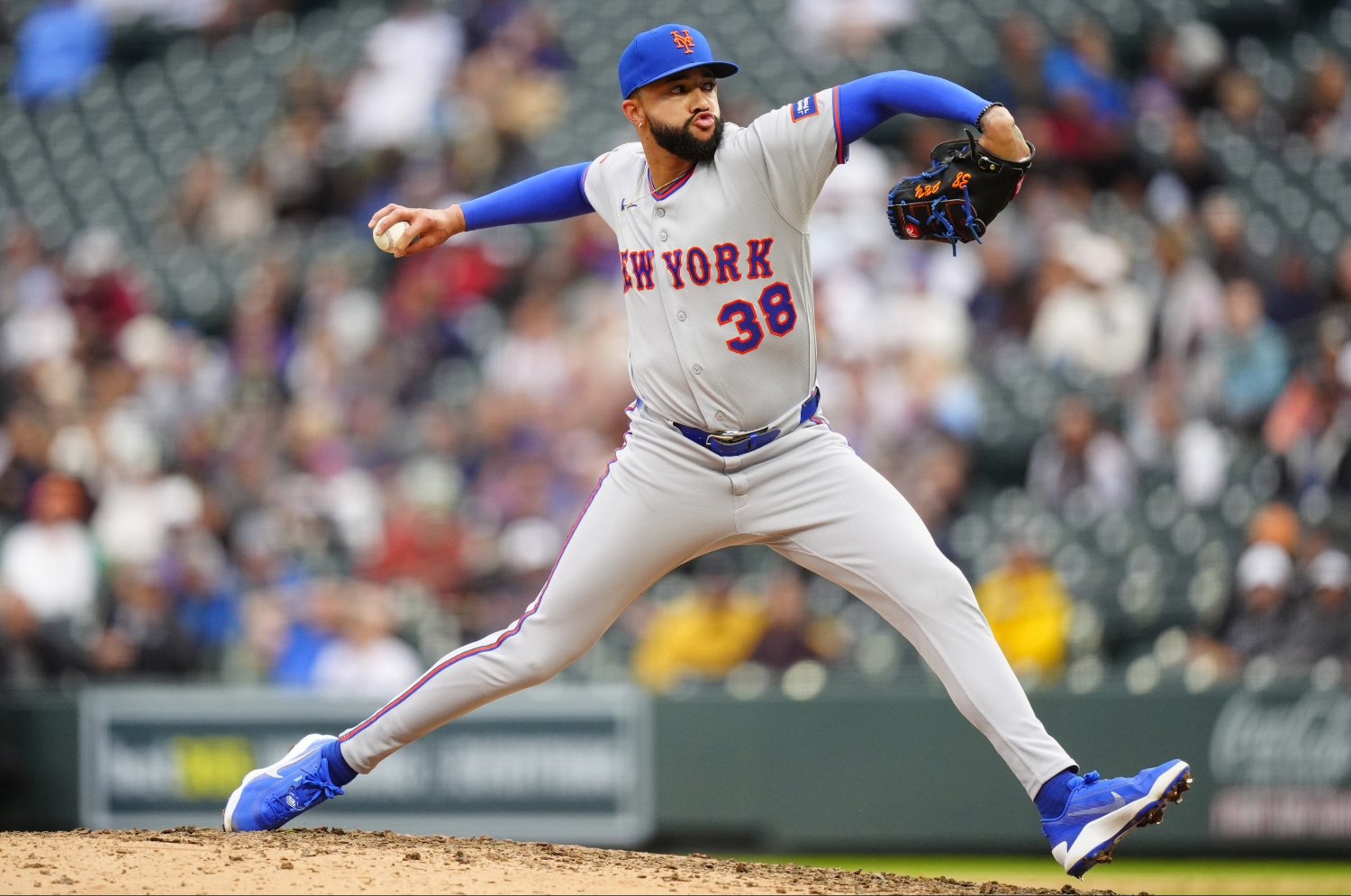 After the Mets lost closer Edwin Diaz to the Los Angeles Dodgers over the offseason, they made a splash and signed Devin Williams to take his place. He’s under contract for three seasons, but hasn’t gotten off to a great start. Williams earned the honors of National League Rookie of the Year back in 2020 and was made two All-Star rosters while with the Milwaukee Brewers. The Brewers are heavily driven by analytics and are considered to be one of the best teams year in and out with roster construction, especially when it comes to pitching. Ever since getting shipped out of Milwaukee, Williams hasn't been the same. Part of this could be as a result of him dealing with a back stress fracture during the 2024 season that limited him to just 22 games. In December that year, the Brewers sent him to the New York Yankees in a deal that would bring back Caleb Durbin and Nestor Cortes. The profile on Williams is simple: He doesn't have elite velocity, but will miss bats with his stuff and limit hard contact. His nasty changeup allowed him to fetch excellent ground ball rates during his best years. While he has maintained his ability to strike out a surplus of batters, his ability to get batters to hit the ball on the ground has seen a decline with the Mets this year. Why Is Devin Williams Generating Fewer Groundballs with the Mets? Williams’ changeup constantly has graded out to be well above average according to Stuff+. From 2020-2025, his changeup has graded as high as 140 and as low as 114 according to FanGraphs Stuff+. This year, it’s taken a significant and concerning dive down to 82. Diving into the traits of his changeup, it lost a noticeable amount of vertical drop this year. That offering had an incredible 44.3 inches of vertical drop last year which is his career best, but has sat between 40 and 42 inches throughout his career. So far in 2026 with the Mets, his changeup is only averaging 38.9 inches of vertical drop. That has led to Williams having the lowest groundball percentage of his career; his groundball rate has averaged 46.9%, but he's down to 37.9% in 2026. This is reflected very clearly if you look at Williams’ run value on off-speed pitches, which only accounts for his changeup. It currently has a run value of -2 (8th percentile), but it’s been as high as 15 during the 2023 season. Batters are whiffing less against it and it has not been as effective at putting opponents away. Williams’ changeup has drawn a 40.4 swing-and-miss rate which is down from where it’s sat between 43% and 48% in the past. That figure is still pretty elite, but margins like these are the difference between an All-Star closer and a middling reliever. Will Devin Williams Return to Elite Form? For a guy who’s relied heavily on his changeup for success, it’s definitely concerning to see decline in the effectiveness of his best pitch. During his best years, he went to his changeup between 57-63% of offerings. This year is the first time in Williams’ career that he’s used his four-seamer more than his changeup. Williams hasn’t seen great results when batters put his changeup in play. Opponents are hitting .357 against the pitch with a .424 xSLG and .410 xOBA. While the expected batting average against his changeup is lower at .257, batters are still crushing the pitch with a .500 slugging percentage. He’s been a tad unlucky thus far through 11 innings of work. While his 6.55 ERA doesn’t look good, Williams has a 3.49 xERA and a 2.69 FIP. Seeing his FIP under three is what’s encouraging with Williams. He owns a career 2.46 mark in that category because of his high strikeout rate while not allowing many home runs. It might be the Mets wanting him to use his fastball more, or maybe he’s just not confident with his changeup right now. There is still plenty of time left in the year for Williams to figure things out, but it’ll be important to monitor how effective his "airbender" will be going forward.
 -
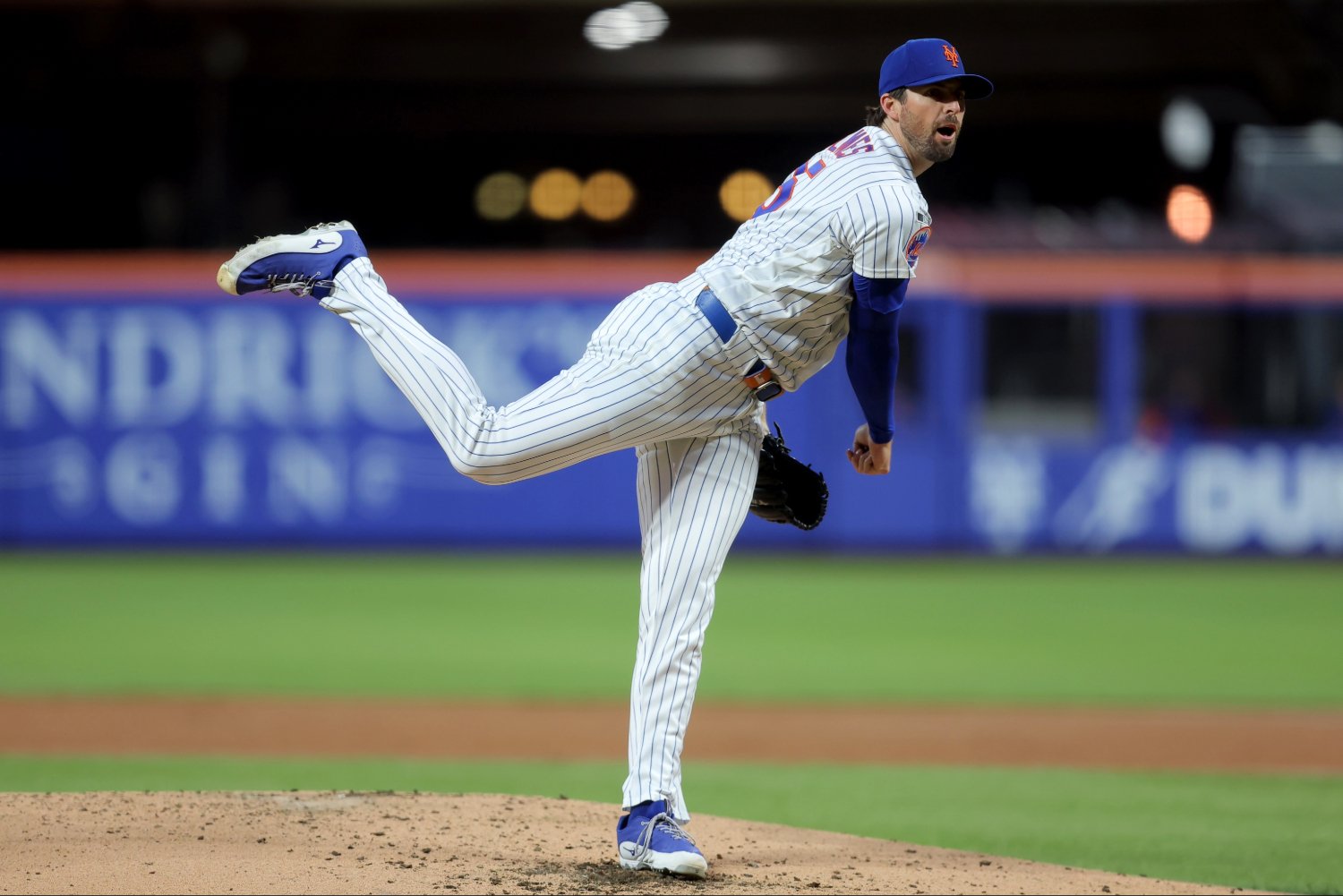 Even though it’s very early in the year and Clay Holmes has only made five starts, if you leave out the one game he pitched in 2020, he’s currently sporting his lowest ERA of his career. You’d think that a guy with a 2.10 ERA and 1.03 WHIP would be dominant, but has Holmes really been as good as his surface numbers suggest? Holmes’ underlying data suggests that he’s been outperforming his expected stats, hence his 4.28 FIP and 4.35 SIERA. Even his expected earned run average is double his ERA, sitting at 4.20. There are a couple of different factors that are playing into Holmes’ situation. So far through 30 innings of work, Holmes has only struck out 19 batters, which is a 15.8% clip. It’s a below-average mark putting him in the 18th percentile. He hasn’t allowed an unhealthy amount of walks, but he is currently giving out free passes at a near-league-average 8.3% rate, good for the 59th percentile among all qualified pitchers. He’s done a respectable job of keeping balls in the yard, only giving up three home runs thus far. That equals a 0.9 HR/9 IP ratio, which is more than workable; him allowing home runs at a league-average clip isn’t what’s really blowing up his FIP and SIERA. Clay Holmes' Change of Role and Results Since Joining Mets Since Holmes joined the Mets last season, his FIP sits at 4.17, whereas it had previously been in the threes and twos dating back to the 2021 season with the Yankees. This is as a result of him striking out less batters causing his FIP to rise, while maintaining around the same walk rate. Since his early campaigns in Pittsburgh, each year since 2021 he’s been walking around 8% of batters. Holmes has never lacked the ability to compensate for that with strikeouts. He averaged around a 26% strikeout rate between 2021 and 2024, while with the Pirates and Yankees. During this stretch of four seasons, his FIP sat between 2.65 (his best) and 3.28 (his worst). Remember that Holmes was primarily a reliever his whole career until joining the Mets. When he worked out of the bullpen, he worked with three pitches; a sinker, slider, and sweeper. Since converting to a starter, he’s worked with at least five different pitches each of the last two seasons, including a cutter that's getting bashed to the tune of a .500 slugging percentage. This is the difficult of converting relievers. They often don't have deep-enough arsenals to power past lineups multiple times through. Better command will go a long way, but Holmes' underlying numbers will remain terrifying until and unless he can find a mix of more than two or three pitches that works.
 -
Image courtesy of © Brad Penner-Imagn Images Even though it’s very early in the year and Clay Holmes has only made five starts, if you leave out the one game he pitched in 2020, he’s currently sporting his lowest ERA of his career. You’d think that a guy with a 2.10 ERA and 1.03 WHIP would be dominant, but has Holmes really been as good as his surface numbers suggest? Holmes’ underlying data suggests that he’s been outperforming his expected stats, hence his 4.28 FIP and 4.35 SIERA. Even his expected earned run average is double his ERA, sitting at 4.20. There are a couple of different factors that are playing into Holmes’ situation. So far through 30 innings of work, Holmes has only struck out 19 batters, which is a 15.8% clip. It’s a below-average mark putting him in the 18th percentile. He hasn’t allowed an unhealthy amount of walks, but he is currently giving out free passes at a near-league-average 8.3% rate, good for the 59th percentile among all qualified pitchers. He’s done a respectable job of keeping balls in the yard, only giving up three home runs thus far. That equals a 0.9 HR/9 IP ratio, which is more than workable; him allowing home runs at a league-average clip isn’t what’s really blowing up his FIP and SIERA. Clay Holmes' Change of Role and Results Since Joining Mets Since Holmes joined the Mets last season, his FIP sits at 4.17, whereas it had previously been in the threes and twos dating back to the 2021 season with the Yankees. This is as a result of him striking out less batters causing his FIP to rise, while maintaining around the same walk rate. Since his early campaigns in Pittsburgh, each year since 2021 he’s been walking around 8% of batters. Holmes has never lacked the ability to compensate for that with strikeouts. He averaged around a 26% strikeout rate between 2021 and 2024, while with the Pirates and Yankees. During this stretch of four seasons, his FIP sat between 2.65 (his best) and 3.28 (his worst). Remember that Holmes was primarily a reliever his whole career until joining the Mets. When he worked out of the bullpen, he worked with three pitches; a sinker, slider, and sweeper. Since converting to a starter, he’s worked with at least five different pitches each of the last two seasons, including a cutter that's getting bashed to the tune of a .500 slugging percentage. This is the difficult of converting relievers. They often don't have deep-enough arsenals to power past lineups multiple times through. Better command will go a long way, but Holmes' underlying numbers will remain terrifying until and unless he can find a mix of more than two or three pitches that works. View full article
-
Image courtesy of © Brad Penner-Imagn Images Despite the New York Mets’ early struggles that required them to snap a 12-game losing streak dating back to April 8, Huascar Brazoban has been a rare bright spot on the roster. The righty is in his fifth major-league season and has appeared in 10 games thus far. Over 10.2 innings, Brazobán has yet to allow a run and has only issued two walks; resulting in an excellent 0.94 WHIP. He’s also done a good job forcing soft contact and has yet to give up a barrel so far. Likewise, batters have an average exit velocity of 86.7 mph off him, ranking in the 80th percentile. Combine that with the fact that the 36-year-old has been good at limiting walks, and you get a pitcher with a 1.83 FIP. If there's a hole to poke, it's in his middling strikeout numbers, but that's not abnormal, with his career strikeout rate sitting at 24.3%, just a tad better than league average. Brazobán's signature pitch is his sinker, which has a Stuff+ grade of 101, per FanGraphs, leading to an excellent 53.3% groundball rate. He works mainly with only two offerings -- his sinker and a changeup -- but does occasionally mix in a four-seam, cutter, and slider that have only accounted for 14% of his pitches this year. Interestingly, his pitch usage has evolved over time; during his first three seasons, he featured all four pitches and used them all at around the same rate. Last year, he leaned more into favoring his changeup and sinker to the point that they combined for a 75% usage rate. The same trend has carried into 2026, but he’s used his sinker more this year, whereas he favored his changeup more last season. His cutter was his main pitch with the Marlins, but the Mets smartly weened him off the pitch, which flashed subpar ride up in the zone. Of everything we've discussed so far, what's most worth revisiting is his newfound command of the strike zone. Brazobán has had a reputation in the past for issuing walks at a pretty high rate. He’s seemed to have fixed this problem in his 10 games so far, hence his 4.8% walk rate. For his career, Brazobán has walked batters 11.5% of the time. which is worse than the league average mark of 8.4% during that stretch. Notably, his career Location+ according is 96, signaling that he is below average when it comes to locating and commanding his pitches. This year, it’s up to 108, which is a career best. Naturally, he's been throwing more strikes this year than previous seasons, with roughly two-thirds of his offerings going for strikes, a career high. That's the sign of a confident reliever who knows he can challenge batters and win while living in the zone. The Mets' bullpens has had its ups and downs this season, especially when it comes to the late innings, but through most of April, Brazobán has been unshakeable on the mound. Bright spots are few and far between on this roster right now, but the 36-year-old set-up man has certainly been one of them. View full article
-
 Despite the New York Mets’ early struggles that required them to snap a 12-game losing streak dating back to April 8, Huascar Brazoban has been a rare bright spot on the roster. The righty is in his fifth major-league season and has appeared in 10 games thus far. Over 10.2 innings, Brazobán has yet to allow a run and has only issued two walks; resulting in an excellent 0.94 WHIP. He’s also done a good job forcing soft contact and has yet to give up a barrel so far. Likewise, batters have an average exit velocity of 86.7 mph off him, ranking in the 80th percentile. Combine that with the fact that the 36-year-old has been good at limiting walks, and you get a pitcher with a 1.83 FIP. If there's a hole to poke, it's in his middling strikeout numbers, but that's not abnormal, with his career strikeout rate sitting at 24.3%, just a tad better than league average. Brazobán's signature pitch is his sinker, which has a Stuff+ grade of 101, per FanGraphs, leading to an excellent 53.3% groundball rate. He works mainly with only two offerings -- his sinker and a changeup -- but does occasionally mix in a four-seam, cutter, and slider that have only accounted for 14% of his pitches this year. Interestingly, his pitch usage has evolved over time; during his first three seasons, he featured all four pitches and used them all at around the same rate. Last year, he leaned more into favoring his changeup and sinker to the point that they combined for a 75% usage rate. The same trend has carried into 2026, but he’s used his sinker more this year, whereas he favored his changeup more last season. His cutter was his main pitch with the Marlins, but the Mets smartly weened him off the pitch, which flashed subpar ride up in the zone. Of everything we've discussed so far, what's most worth revisiting is his newfound command of the strike zone. Brazobán has had a reputation in the past for issuing walks at a pretty high rate. He’s seemed to have fixed this problem in his 10 games so far, hence his 4.8% walk rate. For his career, Brazobán has walked batters 11.5% of the time. which is worse than the league average mark of 8.4% during that stretch. Notably, his career Location+ according is 96, signaling that he is below average when it comes to locating and commanding his pitches. This year, it’s up to 108, which is a career best. Naturally, he's been throwing more strikes this year than previous seasons, with roughly two-thirds of his offerings going for strikes, a career high. That's the sign of a confident reliever who knows he can challenge batters and win while living in the zone. The Mets' bullpens has had its ups and downs this season, especially when it comes to the late innings, but through most of April, Brazobán has been unshakeable on the mound. Bright spots are few and far between on this roster right now, but the 36-year-old set-up man has certainly been one of them.
 -
Image courtesy of © Jim Rassol-Imagn Images The New York Mets' farm system remains loaded with notable prospects, and now that Grand Central Mets' Top 20 rankings have reached the top ten, we can really hone in on those with huge upside and long-term star potential. If you missed any of the prospects ranked 11-20, you can find them here (11-15) and here (16-20). No. 10 Nick Morabito (Syracuse Mets) Morabito is an outfielder who the Mets drafted in the second round of the 2022 draft out of Gonzaga College High School. He’s definitely a speed and defense first outfielder with little power, but has shown to be a solid contact hitter in the minors. In seasons where he has logged at-least 475 at-bats, his isolated power has not exceeded .112 and has been as low as .086. His 70-grade speed is by far his best tool and it’s shown so far. He totalled 59 stolen bags in 2024, and stole 49 last year. His smaller frame of 5’10”, 185 pounds fits his style of play well. He’s shown defensive versatility and has played all three outfield spots in the minors. Since making his affiliated debut in 2022 with the FCL Mets, he has steadily climbed through the system logging time at every affiliate in the Mets system. So far across five minor league seasons, he’s got a slash line of .293/.383/.391 with 56 doubles and only 12 home runs. In 2024 at High-A, he posted a .294 batting average with a 18.7% strikeout rate. Last year in Double-A, his batting average dropped to .273, while his strikeout rate climbed to 23.4%. Morabito was assigned to the Triple-A Syracuse Mets this season, where he’s looked good so far. Entering his age-23 season and showing that he can play at all levels, he is projected to debut in the majors sometime this season after being added to the 40-man over the winter. No. 9 Mitch Voit (Brooklyn Cyclones) Voit was the Mets' first-round draft pick last summer, selected 38th overall out of the University of Michigan. He spent three seasons with Michigan, two of them as a two-way player. He decided not to pitch anymore during his junior year, after undergoing internal brace surgery on his throwing arm in 2024. After being drafted last summer, he later made his affiliated debut with the Single-A St. Lucie Mets, where he appeared in 22 games, proving below-average offensive results. He only collected three extra-base hits including a home run, while hitting for a .235 average with a 89 wRC+. His poor .059 isolated power tells us that he didn’t hit for much power at all. He did show solid plate discipline walking 13.1% of the time, but he did strike out at a 24.2% clip as well. By stealing 20 bags, he also provided some nice value on the basepaths. He’s a very versatile defender, and appeared at every position except catcher while in college. So far while in the Mets system, he’s only logged innings at second, third, and short. His arm strength is considered a plus tool. Even though he showed minimal power in his first minor-league season, it is something that will come with time and development. He’s got 50-grade power and hit 35 home runs while in college. This year, entering his age-21 season, he was promoted to the Brooklyn Cyclones, the High-A Mets affiliate. He is projected to make his major league debut around 2028. His defensive versatility could help him climb faster through the minors, opening more opportunities at various levels. No. 8 Elian Pena (St. Lucie Mets) Pena was the No. 3 ranked international prospect in the class of 2025 per MLB Pipeline, behind only Roki Sasaki and Josuar Gonzalez. He was signed by the Mets as a 17-year old and to a deal worth $5 million. Pena was given an overall grade of 60 and has five average-to-above average tools, his best being his hit tool, but he’s also really talented defensively. Pena is a lefty batter who throws right, and still has some growing to do. He stands 5’10” weighing 180 pounds, signaling he still has room to add muscle to his frame. Last year, Pena was assigned to the Dominican Summer League to play for the DSL Mets Orange during his age-17 season. He showed signs of being an all-around offensive player as he hit for average and power, hence his .236 ISO, while being a threat on the basepaths and drawing walks. Across 55 games, Pena posted a slash line of .292/.421/.528 while hitting nine home runs and thirteen doubles. His plate discipline is what really elevates his game, though; he walked and struck out 36 times each, giving him an elite 16.1 strikeout percentage and walk percentage. Pena also swiped 21 bags, only being caught four times. This year, Pena was assigned to the St. Lucie Mets, which is the Single-A affiliate of the organization. Still only 18 years old, he is just about three years younger than the average player in Single-A this season, making him far ahead of schedule in his development. Francisco Lindor is a free agent after the 2031 season, which is a little after Pena is projected to debut in the majors. If he keeps developing and producing, he’s on track to be the Mets' shortstop of the future. No. 7 Jack Wenninger (Syracuse Mets) Wenninger has spent four seasons in the Mets' minor-league system since being drafted in the sixth round of the 2023 MLB draft out of the University of Illinois. He was part of a Mets draft class including notable arms Nolan McLean and Brandon Sproat. He stands 6’4” with a high arm angle, making him an intimidating presence on the mound. He’s moved through the minors as a starting pitcher with 47 of his 54 outings coming as a starter. Wenninger features a four-pitch mix headlined by his nasty splitter, as well with a four-seamer, curveball, and slider. His fastball has sat around 95 mph, but has touched 98. His deadly splitter is part of what has fueled his 10.3 SO/9 ratio in the minors. After being drafted in 2023, he made his affiliated debut later in the year but only pitched 2.1 innings across two games coming at rookie ball and Single-A. Wenninger split the 2024 season between Single-A and High-A. His ERA was high at Single-A at 5.90, but improved to 4.57 with the High-A Brooklyn Cyclones. Between both levels, he struck out an impressive 11 batters per nine. He also did a great job of not allowing home runs, only allowing 11 across 150 innings. Last year, we saw him spend the whole season with the Binghamton Rumble Ponies, the Mets' Double-A affiliate. He had a really good year spanning 26 starts, pitching to an impressive 2.92 ERA with a 1.15 WHIP. His theme of tons of strikeouts and limiting long balls continued, which was really good to see at a higher level of play. In 2024, Wenninger’s FIP outpaced his ERA, but last year in Double-A, his 3.36 FIP was the higher of the two. Now 24 years old and starting this season in Triple-A, he is on track to debut at some point this year or next year in the majors. He is projected to be a middle-to-back end starter at the big-league level. Even though he’ll likely be major-league ready at some point this year, it might be hard for him to find his way on the roster considering that Jonah Tong and Christian Scott are also sitting in Triple-A. Wenninger will also be Rule 5 eligible this winter, making him a near-lock to be added to the 40-man in the offseason if he has to wait until 2027 for his debut. No. 6 Jacob Reimer (Binghamton Rumble Ponies) Reimer is a first and third baseman whom the Mets selected in the fourth round of the 2022 MLB Draft out of Yucaipa High School in California. Reimer was committed to the University of Washington, but instead got drafted and signed for $775,000. Since then, he’s seen time at all minor league levels except for Triple-A. He is a 22-year-old standing six feet and weighing 205 pounds. He hits for power with an average hit tool, but has below average speed and defense. Reimer saw brief minor-league action in 2022 appearing in seven games for the FCL Mets, posting an .892 OPS while walking more than he struck out. He’s since bounced around spending time at multiple levels each season. He spent the 2023 season across three levels from rookie ball to High-A while hitting for a .265 average and a .774 OPS. That year, he drew a good amount of walks while maintaining an average strikeout rate. His 2024 campaign was delayed due to a hamstring injury he suffered during spring, training limiting him to only 25 games. His batting average fell to .218 , and didn’t hit for much power. His wRC+ sat at a league-average 100. He had a great bounce-back season last year, bringing his prospect stock back up. He split the season between High-A and Double-A playing in 61 games at each level. He mashed in High-A posting a 163 wRC+ with eight homers; he saw a slight dip at Double-A with a 150 wRC+, but did hit nine home runs. His power returned with an impressive .209 ISO mark, coming from 32 doubles, five triples, and 17 homers. Overall last season, he had a solid 11.1 walk percentage and a 21.5 strikeout rate, with an above-average .338 BABIP. If Reimer builds on his success from last year, a call-up to Syracuse should be in his near future. Like Wenninger, he will be eligible for the Rule 5 draft this winter and will have to be added to the 40-man roster by then if the Mets don't want to potentially lose him to another club. View full article
