


Andres Chavez
-
Posts
60 -
Joined
-
Last visited
Content Type
Profiles
News
New York Mets Videos
2026 New York Mets Top Prospects Ranking
New York Mets Free Agent & Trade Rumors, Notes, & Tidbits
Guides & Resources
The New York Mets Players Project
2026 New York Mets Draft Tracker: Picks & Bonuses
Forums
Blogs
Events
Store
Downloads
Gallery
Everything posted by Andres Chavez
-
Image courtesy of © Kim Klement Neitzel-Imagn Images Decline is every superstar’s worst fear. Father Time, after all, remains undefeated in professional sports, and every player, impactful or not, will start experiencing skills erosion at some point. Francisco Lindor of the New York Mets is no exception. No, we don’t necessarily think Lindor has reached the point of no return. He has had a rough year from the word "go," getting hamate bone surgery done in February and racing against time just to be ready for the start of the season. Then, he suffered a moderate left calf strain in late April. Lindor is hitting a rather mediocre .228/.312/.422 with 16 home runs and a 105 wRC+. In the second half, however, the 32-year-old shortstop is slashing a much better .238/.324/.464 with a 118 wRC+. Since the start of July, he has hit 13 home runs, so he has gotten better as he has been further removed from his injuries. Funnily enough, Lindor hasn't necessarily rediscovered his peak form since the All-Star break, with a 46 percent hard-hit rate in the second half. That would be well above the league average, but it’s actually lower than his 50 percent mark in the first half. So, why has he been able to put up some impressive power numbers after the Midsummer Classic? Well, basically, it's because he has taken the power-hitting book and applied its two most basic principles: pulling the ball very often and lifting it. Breaking Down Francisco Lindor's Latest Makeover For the season, Lindor has a 0.78 ground-ball-fly ball ratio and a 49.8 percent pull rate per FanGraphs. The latter is actually a career-high. He has taken things to another level since the All-Star Game, though. After the break, he has hit 0.61 balls in the ground for every fly ball and has a pull rate of 51.1 percent. Hitting the ball in the air and pulling it has given a lot of folks a remarkable career at the MLB level, but it’s much harder to achieve than it seems, at least consistently. Lindor, a seasoned and talented veteran who knows everything there’s to know about the game and the nuances of hitting, is doing it. What’s the sacrifice with this approach? Contact, essentially, and a lower batting average as a direct consequence. Basically, his power is up, and his batting average is down. Even if his overall production has been undoubtedly better since the break, his average is still a rather low .238. Is this the new Lindor, though? Is it safe to assume this is what we will see from him as he ages? It all depends on health, specifically given the injuries sustained this season. Calf strains are particularly tricky and can limit lower-body explosiveness, and hamate bone surgery almost always saps power in the following weeks or months because the muscles and tendons around the area are debilitated. Perhaps a healthier Lindor can produce closer to what he has done for his entire career rather than this low-average, high-power version. Or, maybe he decides this is the best path for him going forward. Perhaps this is what his body will allow him to do from this point on. Home runs are, after all, the quickest avenue to run production in the majors. View full article
-
 Decline is every superstar’s worst fear. Father Time, after all, remains undefeated in professional sports, and every player, impactful or not, will start experiencing skills erosion at some point. Francisco Lindor of the New York Mets is no exception. No, we don’t necessarily think Lindor has reached the point of no return. He has had a rough year from the word "go," getting hamate bone surgery done in February and racing against time just to be ready for the start of the season. Then, he suffered a moderate left calf strain in late April. Lindor is hitting a rather mediocre .228/.312/.422 with 16 home runs and a 105 wRC+. In the second half, however, the 32-year-old shortstop is slashing a much better .238/.324/.464 with a 118 wRC+. Since the start of July, he has hit 13 home runs, so he has gotten better as he has been further removed from his injuries. Funnily enough, Lindor hasn't necessarily rediscovered his peak form since the All-Star break, with a 46 percent hard-hit rate in the second half. That would be well above the league average, but it’s actually lower than his 50 percent mark in the first half. So, why has he been able to put up some impressive power numbers after the Midsummer Classic? Well, basically, it's because he has taken the power-hitting book and applied its two most basic principles: pulling the ball very often and lifting it. Breaking Down Francisco Lindor's Latest Makeover For the season, Lindor has a 0.78 ground-ball-fly ball ratio and a 49.8 percent pull rate per FanGraphs. The latter is actually a career-high. He has taken things to another level since the All-Star Game, though. After the break, he has hit 0.61 balls in the ground for every fly ball and has a pull rate of 51.1 percent. Hitting the ball in the air and pulling it has given a lot of folks a remarkable career at the MLB level, but it’s much harder to achieve than it seems, at least consistently. Lindor, a seasoned and talented veteran who knows everything there’s to know about the game and the nuances of hitting, is doing it. What’s the sacrifice with this approach? Contact, essentially, and a lower batting average as a direct consequence. Basically, his power is up, and his batting average is down. Even if his overall production has been undoubtedly better since the break, his average is still a rather low .238. Is this the new Lindor, though? Is it safe to assume this is what we will see from him as he ages? It all depends on health, specifically given the injuries sustained this season. Calf strains are particularly tricky and can limit lower-body explosiveness, and hamate bone surgery almost always saps power in the following weeks or months because the muscles and tendons around the area are debilitated. Perhaps a healthier Lindor can produce closer to what he has done for his entire career rather than this low-average, high-power version. Or, maybe he decides this is the best path for him going forward. Perhaps this is what his body will allow him to do from this point on. Home runs are, after all, the quickest avenue to run production in the majors.
 -
Image courtesy of © David Richard-Imagn Images In late June, the New York Mets moved struggling pitcher Kodai Senga to the bullpen. Since then, the only game he started was when the team decided to scratch the soon-to-be-traded Freddy Peralta, so he’s officially a relief pitcher now. To be fair, the experiment hasn’t gone terribly well from a results standpoint in the strictest sense, as he has a 5.40 ERA in 20 innings with a 23:12 K:BB ratio and a 4.53 FIP. However, most of those frames came as part of outings in which he was asked to give the club more than three outs. Of the nine games he pitched in since he became a full-time reliever (including that unexpected start), Senga has pitched exactly one inning in four of them. Here are his stats in those appearances: no hits, no runs, two walks, five strikeouts. There’s a reason behind this dominance: Senga can throw much harder in one-inning spurts, without pacing himself over four, five, or six frames. His four-seamer is sitting in the 96-99 mph range in his new role, and the velocity of his secondary offerings is also up. Now that he seems keen to get most of the save opportunities while Devin Williams is on the injured list, we will see the Mets deploy Senga more frequently in this manner. Besides the obvious increase in velocity, it allows him to focus on the ‘ghost fork’ as the main secondary offering almost exclusively. The formula worked to near-perfection on Monday, when he notched his first MLB save. That day, he threw 18 pitches: 11 four-seamers, four forkballs, two sweepers, and a cutter. The heater touched 99.9 mph, and even though it just earned him one called strike and no whiffs, it helped him get a weak 85.5-mph fly out. He got two strikeouts with his signature ‘ghost fork’, a pitch that clocked 2.9 mph faster than his yearly average in the outing. As Mets fans probably know by now, everything will come down to command with Senga. Even his most dominant version, the one that earned him second place in the NL Rookie of the Year Award voting in 2023, walked 4.17 batters per nine innings. This year, the number is up to 6.42. That’s just not going to cut it. It would certainly help if Senga got more called strikes or whiffs on the four-seamer. The forkball is an excellent put-away pitch, but we would love to see the primary offering, which is the fastball, become more consistent. The velocity is there, particularly in his new role as a reliever, but this probably isn’t sustainable if it can’t generate more strikes. For now, it will at least keep hitters hones. There are always pitfalls in the transition from starting to relief—not to mention the inherent loss of value once a pitcher stops consuming huge gobs of innings at once—but Senga has the raw stuff to succeed in his new role. With the Mets already planning for 2027 and beyond, it'll be useful to keep experimenting with him in these high-leverage, one-inning situations. View full article
-
Mets' New Kodai Senga Experiment Has Yielded Promising Early Returns
Andres Chavez posted an article in Mets
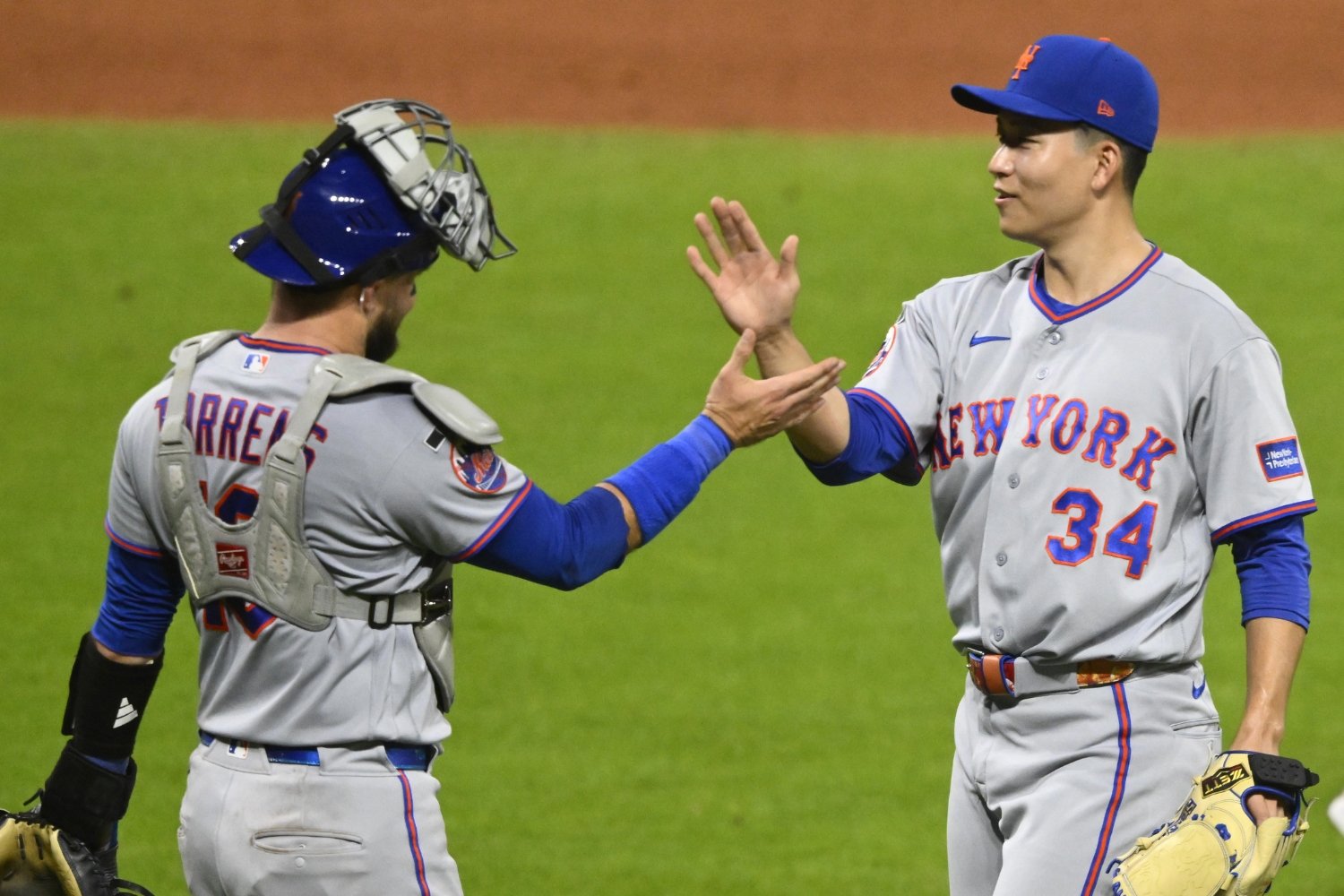 In late June, the New York Mets moved struggling pitcher Kodai Senga to the bullpen. Since then, the only game he started was when the team decided to scratch the soon-to-be-traded Freddy Peralta, so he’s officially a relief pitcher now. To be fair, the experiment hasn’t gone terribly well from a results standpoint in the strictest sense, as he has a 5.40 ERA in 20 innings with a 23:12 K:BB ratio and a 4.53 FIP. However, most of those frames came as part of outings in which he was asked to give the club more than three outs. Of the nine games he pitched in since he became a full-time reliever (including that unexpected start), Senga has pitched exactly one inning in four of them. Here are his stats in those appearances: no hits, no runs, two walks, five strikeouts. There’s a reason behind this dominance: Senga can throw much harder in one-inning spurts, without pacing himself over four, five, or six frames. His four-seamer is sitting in the 96-99 mph range in his new role, and the velocity of his secondary offerings is also up. Now that he seems keen to get most of the save opportunities while Devin Williams is on the injured list, we will see the Mets deploy Senga more frequently in this manner. Besides the obvious increase in velocity, it allows him to focus on the ‘ghost fork’ as the main secondary offering almost exclusively. The formula worked to near-perfection on Monday, when he notched his first MLB save. That day, he threw 18 pitches: 11 four-seamers, four forkballs, two sweepers, and a cutter. The heater touched 99.9 mph, and even though it just earned him one called strike and no whiffs, it helped him get a weak 85.5-mph fly out. He got two strikeouts with his signature ‘ghost fork’, a pitch that clocked 2.9 mph faster than his yearly average in the outing. As Mets fans probably know by now, everything will come down to command with Senga. Even his most dominant version, the one that earned him second place in the NL Rookie of the Year Award voting in 2023, walked 4.17 batters per nine innings. This year, the number is up to 6.42. That’s just not going to cut it. It would certainly help if Senga got more called strikes or whiffs on the four-seamer. The forkball is an excellent put-away pitch, but we would love to see the primary offering, which is the fastball, become more consistent. The velocity is there, particularly in his new role as a reliever, but this probably isn’t sustainable if it can’t generate more strikes. For now, it will at least keep hitters hones. There are always pitfalls in the transition from starting to relief—not to mention the inherent loss of value once a pitcher stops consuming huge gobs of innings at once—but Senga has the raw stuff to succeed in his new role. With the Mets already planning for 2027 and beyond, it'll be useful to keep experimenting with him in these high-leverage, one-inning situations.
 -
Image courtesy of © Charles LeClaire-Imagn Images The New York Mets’ season has been a mess on all levels, but there are certainly some positives to take away from the disappointing 2026 campaign. One of them is, without a doubt, Carson Benge’s continued growth as a player. A few months ago, on April 9, we were all discussing Benge’s rough start. His batting average started with a zero, and his slugging percentage was below .200. No, that’s not a typo. It was tough to watch at times. Fast-forward to mid-August, and the guy has completely turned his season around. He has become an outfield cornerstone, a highly productive young player with a 109 wRC+, a healthy .272/.332/.412 line, 13 home runs, 18 stolen bases, and 60 runs scored in a highly dysfunctional offensive environment. The Game Has Slowed Down For Carson Benge The game has finally slowed down for Benge, and that has been the case for a while. Take, for example, his performance between June 1 and August 7: .279/.335/.455, nine home runs, eight stolen bases, six doubles, three triples, and a 120 wRC+ in 242 plate appearances. The situation improves even more if we focus on his offensive play since the start of July: 296/.358/.472, four home runs, six stolen bases, five doubles, and a 132 wRC+ in 120 plate appearances. What we see over these two separate samples is continued evolution in nearly all hitting departments: bat-to-ball skills, power, and on-base ability. Benge only played 32 games in Double-A and 24 in Triple-A last year. That’s the extent of his upper-minors experience. It was logical to assume that there would be an adjustment period over his first few weeks of exposure to MLB pitching. The Mets remained patient, and that patience is now paying off. Benge Is A True All-Around Star Benge is, quietly, one of the most complete young players in MLB. Not only is he among the leaders in xwOBA, ranking in the 71st percentile, but he also ranks in the 92nd percentile in Baserunning Run Value. Benge’s range in the outfield isn’t the best, but he more than makes up for it with a strong and accurate arm, one of the best in baseball. In fact. he rank in the 98th percentile in Arm Strength and is in the 96th percentile in Arm Value (3). He is also very fast, ranking in the 82nd percentile in sprint speed. As you can see, Benge has turned into quite a solid ballplayer. He does almost everything well on a baseball field, and the best news is that he’s only 23. The Mets and their fans have every reason to believe he can hit another gear in his development. We are already witnessing it, and the sky is the limit for him. There aren’t really many reasons for the Mets and their fans to be excited about the 2026 campaign, but Benge is definitely one of them. He represents the future of the organization, one in which he could potentially compete for some of the most prestigious individual awards. Juan Soto and Francisco Lindor provide the floor, but the 2027 Mets could go as far as Benge wills them. View full article
-
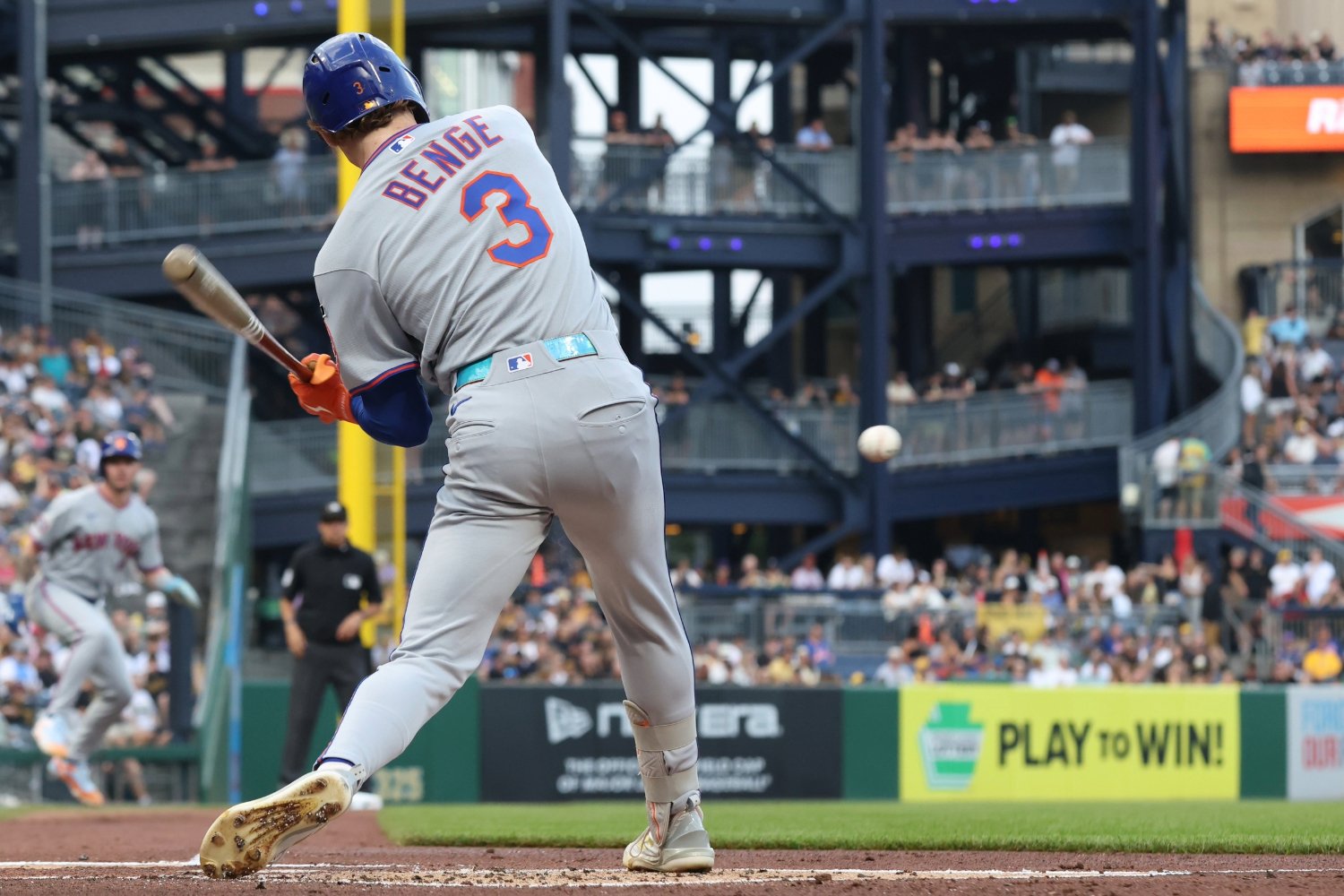 The New York Mets’ season has been a mess on all levels, but there are certainly some positives to take away from the disappointing 2026 campaign. One of them is, without a doubt, Carson Benge’s continued growth as a player. A few months ago, on April 9, we were all discussing Benge’s rough start. His batting average started with a zero, and his slugging percentage was below .200. No, that’s not a typo. It was tough to watch at times. Fast-forward to mid-August, and the guy has completely turned his season around. He has become an outfield cornerstone, a highly productive young player with a 109 wRC+, a healthy .272/.332/.412 line, 13 home runs, 18 stolen bases, and 60 runs scored in a highly dysfunctional offensive environment. The Game Has Slowed Down For Carson Benge The game has finally slowed down for Benge, and that has been the case for a while. Take, for example, his performance between June 1 and August 7: .279/.335/.455, nine home runs, eight stolen bases, six doubles, three triples, and a 120 wRC+ in 242 plate appearances. The situation improves even more if we focus on his offensive play since the start of July: 296/.358/.472, four home runs, six stolen bases, five doubles, and a 132 wRC+ in 120 plate appearances. What we see over these two separate samples is continued evolution in nearly all hitting departments: bat-to-ball skills, power, and on-base ability. Benge only played 32 games in Double-A and 24 in Triple-A last year. That’s the extent of his upper-minors experience. It was logical to assume that there would be an adjustment period over his first few weeks of exposure to MLB pitching. The Mets remained patient, and that patience is now paying off. Benge Is A True All-Around Star Benge is, quietly, one of the most complete young players in MLB. Not only is he among the leaders in xwOBA, ranking in the 71st percentile, but he also ranks in the 92nd percentile in Baserunning Run Value. Benge’s range in the outfield isn’t the best, but he more than makes up for it with a strong and accurate arm, one of the best in baseball. In fact. he rank in the 98th percentile in Arm Strength and is in the 96th percentile in Arm Value (3). He is also very fast, ranking in the 82nd percentile in sprint speed. As you can see, Benge has turned into quite a solid ballplayer. He does almost everything well on a baseball field, and the best news is that he’s only 23. The Mets and their fans have every reason to believe he can hit another gear in his development. We are already witnessing it, and the sky is the limit for him. There aren’t really many reasons for the Mets and their fans to be excited about the 2026 campaign, but Benge is definitely one of them. He represents the future of the organization, one in which he could potentially compete for some of the most prestigious individual awards. Juan Soto and Francisco Lindor provide the floor, but the 2027 Mets could go as far as Benge wills them.
 -
Image courtesy of © Angelina Alcantar/ News Sentinel / USA TODAY NETWORK via Imagn Images The New York Mets went through with their projected fire sale before Monday’s trade deadline, offloading multiple players and netting some interesting pieces for the future. One of those transactions saw them flip starting pitcher Clay Holmes and outfielder Tyrone Taylor in exchange for Cubs’ infield prospect Jefferson Rojas. The Mets made some questionable deals, such as the Luke Weaver trade, but getting Rojas in exchange for a 33-year-old injured pitcher and a part-time outfielder was a coup. What exactly are they getting in the 21-year-old infield prospect? Jefferson Rojas Is Equipped To Be An All-Around Star With Mets The Dominican shortstop, who has mostly played third base this season, is slashing a cool .270/.339/.461 with 15 home runs and 17 stolen bases in Double-A, walking 9.0 percent of the time with a 16.4 percent strikeout rate. His wRC+ is a solid 114, which is quite strong for a 21-year-old in Double-A. The 15 round-trippers already represent a career-best for him, and that’s not all: he also has 19 doubles and a triple. Evidently, Rojas has some power, and he is still young enough to think that he could add more beef to his frame and get a bit more power. Rojas hits lots of line drives (22.6 percent), which is excellent for his batting average prospects, and he has been hitting fewer ground balls, too. Little by little, he is learning to hit the ball hard in the air. MLB Pipeline had this to say about his defensive home, speed, and athletic tools: “Rojas has average speed with good instincts and picks his spots to steal bases. There's some question about his long-term position after he split time between shortstop and second base last year before seeing the majority of his action at third base in 2026. He's an average defender with quick hands and a solid arm capable of making throws from a variety of angles.” It looks like he could be a shortstop early in his career, with a move to third base at some point likely in the cards. He won’t be a liability with a glove on his hand, and he might even become an above-average defender if he slides to second or third. Rojas is athletic but isn’t quite a burner on the bases. Despite this, he has shown he can be an effective, smart baserunner who could steal 15-20 bases per year at peak. The potential for him to become a perennial 20-20 threat from a premium position is there. Rojas went from the Cubs, where he was the second-best prospect behind outfielder Josiah Hartshorn, to the Mets, where he is the clear-cut top guy ahead of Jonah Tong, Jonathan Santucci, and Elian Peña, among others. The Mets are not going to rush him this year, but it will be interesting to see if they challenge him with a move to Triple-A at some point in 2026. In any case, Rojas looks like a future regular on the left side of New York’s infield, or possibly second base. There is a good chance Rojas makes his MLB debut at some point in 2027, probably in the second half if all goes well. Holmes has been excellent in Queens, and Taylor has had his moments, but it’s easy to see why the Mets are being lauded for getting this trade across the finish line. View full article
-
Mets Fans Should Board Jefferson Rojas' Hype Train Right Now
Andres Chavez posted an article in Mets
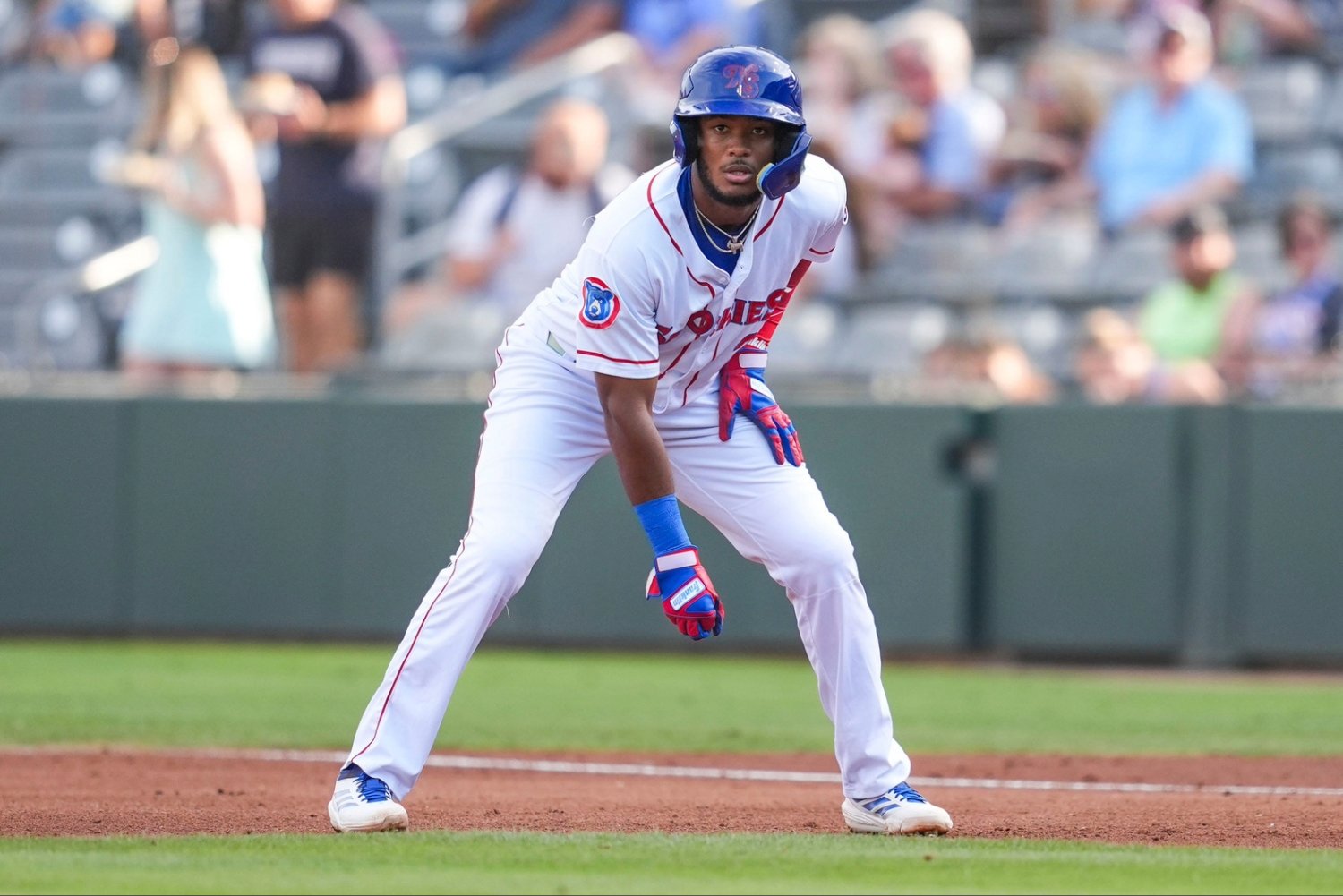 The New York Mets went through with their projected fire sale before Monday’s trade deadline, offloading multiple players and netting some interesting pieces for the future. One of those transactions saw them flip starting pitcher Clay Holmes and outfielder Tyrone Taylor in exchange for Cubs’ infield prospect Jefferson Rojas. The Mets made some questionable deals, such as the Luke Weaver trade, but getting Rojas in exchange for a 33-year-old injured pitcher and a part-time outfielder was a coup. What exactly are they getting in the 21-year-old infield prospect? Jefferson Rojas Is Equipped To Be An All-Around Star With Mets The Dominican shortstop, who has mostly played third base this season, is slashing a cool .270/.339/.461 with 15 home runs and 17 stolen bases in Double-A, walking 9.0 percent of the time with a 16.4 percent strikeout rate. His wRC+ is a solid 114, which is quite strong for a 21-year-old in Double-A. The 15 round-trippers already represent a career-best for him, and that’s not all: he also has 19 doubles and a triple. Evidently, Rojas has some power, and he is still young enough to think that he could add more beef to his frame and get a bit more power. Rojas hits lots of line drives (22.6 percent), which is excellent for his batting average prospects, and he has been hitting fewer ground balls, too. Little by little, he is learning to hit the ball hard in the air. MLB Pipeline had this to say about his defensive home, speed, and athletic tools: “Rojas has average speed with good instincts and picks his spots to steal bases. There's some question about his long-term position after he split time between shortstop and second base last year before seeing the majority of his action at third base in 2026. He's an average defender with quick hands and a solid arm capable of making throws from a variety of angles.” It looks like he could be a shortstop early in his career, with a move to third base at some point likely in the cards. He won’t be a liability with a glove on his hand, and he might even become an above-average defender if he slides to second or third. Rojas is athletic but isn’t quite a burner on the bases. Despite this, he has shown he can be an effective, smart baserunner who could steal 15-20 bases per year at peak. The potential for him to become a perennial 20-20 threat from a premium position is there. Rojas went from the Cubs, where he was the second-best prospect behind outfielder Josiah Hartshorn, to the Mets, where he is the clear-cut top guy ahead of Jonah Tong, Jonathan Santucci, and Elian Peña, among others. The Mets are not going to rush him this year, but it will be interesting to see if they challenge him with a move to Triple-A at some point in 2026. In any case, Rojas looks like a future regular on the left side of New York’s infield, or possibly second base. There is a good chance Rojas makes his MLB debut at some point in 2027, probably in the second half if all goes well. Holmes has been excellent in Queens, and Taylor has had his moments, but it’s easy to see why the Mets are being lauded for getting this trade across the finish line.
 -
Image courtesy of © Vincent Carchietta-Imagn Images On Monday, the New York Mets completed another deal in which they acted as the sellers, sending 36-year-old reliever Huascar Brazobán to the Chicago White Sox in exchange for two prospects: Double-A right-hander Gabe Davis, who was the White Sox’s 18th-best prospect according to MLB Pipeline, and Triple-A righty Zach Franklin. Brazobán has multiple years of cheap control remaining and had posted a solid 2.56 ERA in 52 2/3 innings with the Mets in 2026, but it makes sense to bet on the two young arms they got in the deal to contribute in the near future. How good are they? Can they be counted to help when the Mets are contenders again? Let’s take a look: Gabe Davis Davis was taken in the fifth round of the 2025 MLB Draft by the White Sox, out of Oklahoma State. His college numbers weren’t all that impressive, but his 6’9’’, 234-lb frame and power stuff were enough for Chicago to give him an over-slot deal last year. According to MLB Pipeline, he sits in the 94-97 mph range and touches 100 with his fastball, “which features more downhill plane than arm-side run, so it can get hit when he doesn't command it. His tight upper-80s slider climbs as high as 92 mph, and he can turn it into a harder cutter. His mid-80s changeup lacks consistency but will flash some intriguing fade and tumble.” The scary thing is that Davis can still add some beef to his frame and, perhaps, throw a bit harder. Since the Mets don’t really need him this year, they won’t rush him and will allow him time to develop. This year, the 22-year-old posted a 2.63 ERA in 27 1/3 innings in High-A, with seven walks and 33 punchouts, before struggling in Double-A with a ghastly 8.31 ERA in 34 2/3 frames. He has struck out 37 hitters in Double-A, but his 17 walks are a tad high. The biggest issue at that level, however, has been the 2.86 homers he has allowed per nine innings. Until he can get that number down, he won’t be able to keep advancing. Still, it’s easy to see that the talent is there for him to be a contributor in a year or two for the Mets. He could be a mid-rotation starter if he gets the walks and homers in check, but if not, he may be an impact reliever. Zach Franklin Franklin is not your hot, young prospect; he is 27 and wasn’t in the White Sox’s top 30 list, nor is he in the Mets’. However, you can say he is a polished pitcher who posted a 4.37 ERA in 45 1/3 innings in Chicago’s Triple-A team this year, with 14 walks and 60 strikeouts. Like Davis, Franklin has a bit of a home run problem, allowing 2.18 per nine innings in Triple-A in 2026. He is mostly a reliever, although he can pitch multiple frames per outing. Selected in the 10th round of the 2023 MLB Draft, Franklin was included among the White Sox’s top 20 prospects by FanGraphs’ James Fegan in late 2025. His thoughts on him are, at the very least, interesting: “Between COVID and a medical redshirt season, Franklin was a sixth-year senior at Missouri in 2023 with ugly surface numbers and an uglier delivery when the Sox took a $10,000 flier on him in the 10th round. But his short-armed, vertical-riding mid-90s heater has always piled up whiffs, and while the right-hander is entering his 40-man platform year at age 27, it also comes on the heels of a season that saw him strike out 35.3% of hitters in 56.1 innings while finishing the year at the end of the Triple-A bullpen,” he wrote. Baseball America says he has “a 94 mph fastball that has touched 99 this year with some carry.” He also throws a slider and a mid-80s splitter-changeup that has made strides in recent seasons. Per Fegan, the Sox added a leg kick to Franklin’s mechanics to help keep his weight back at the time of the delivery, and it has been a somewhat successful adjustment. View full article
-
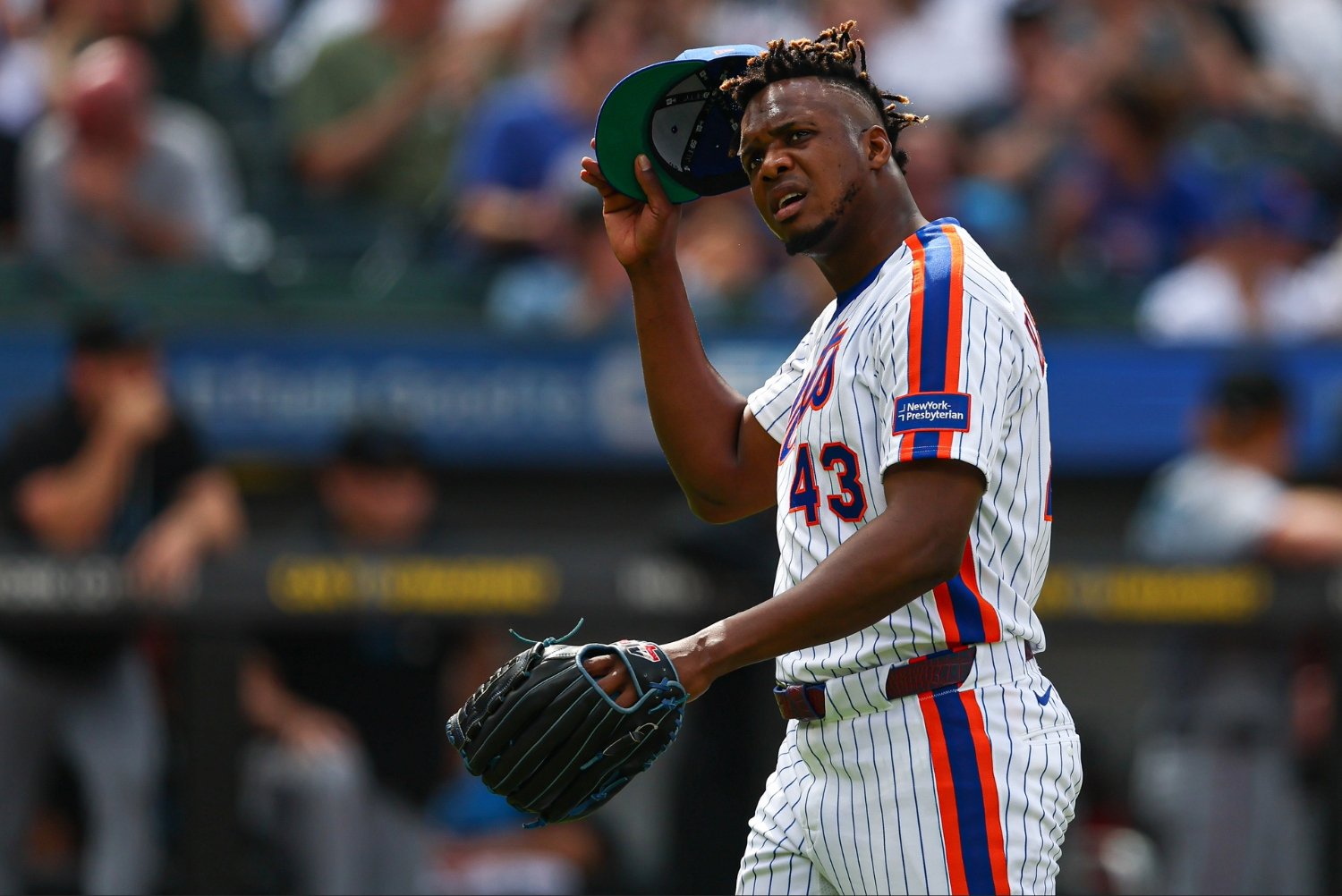 On Monday, the New York Mets completed another deal in which they acted as the sellers, sending 36-year-old reliever Huascar Brazobán to the Chicago White Sox in exchange for two prospects: Double-A right-hander Gabe Davis, who was the White Sox’s 18th-best prospect according to MLB Pipeline, and Triple-A righty Zach Franklin. Brazobán has multiple years of cheap control remaining and had posted a solid 2.56 ERA in 52 2/3 innings with the Mets in 2026, but it makes sense to bet on the two young arms they got in the deal to contribute in the near future. How good are they? Can they be counted to help when the Mets are contenders again? Let’s take a look: Gabe Davis Davis was taken in the fifth round of the 2025 MLB Draft by the White Sox, out of Oklahoma State. His college numbers weren’t all that impressive, but his 6’9’’, 234-lb frame and power stuff were enough for Chicago to give him an over-slot deal last year. According to MLB Pipeline, he sits in the 94-97 mph range and touches 100 with his fastball, “which features more downhill plane than arm-side run, so it can get hit when he doesn't command it. His tight upper-80s slider climbs as high as 92 mph, and he can turn it into a harder cutter. His mid-80s changeup lacks consistency but will flash some intriguing fade and tumble.” The scary thing is that Davis can still add some beef to his frame and, perhaps, throw a bit harder. Since the Mets don’t really need him this year, they won’t rush him and will allow him time to develop. This year, the 22-year-old posted a 2.63 ERA in 27 1/3 innings in High-A, with seven walks and 33 punchouts, before struggling in Double-A with a ghastly 8.31 ERA in 34 2/3 frames. He has struck out 37 hitters in Double-A, but his 17 walks are a tad high. The biggest issue at that level, however, has been the 2.86 homers he has allowed per nine innings. Until he can get that number down, he won’t be able to keep advancing. Still, it’s easy to see that the talent is there for him to be a contributor in a year or two for the Mets. He could be a mid-rotation starter if he gets the walks and homers in check, but if not, he may be an impact reliever. Zach Franklin Franklin is not your hot, young prospect; he is 27 and wasn’t in the White Sox’s top 30 list, nor is he in the Mets’. However, you can say he is a polished pitcher who posted a 4.37 ERA in 45 1/3 innings in Chicago’s Triple-A team this year, with 14 walks and 60 strikeouts. Like Davis, Franklin has a bit of a home run problem, allowing 2.18 per nine innings in Triple-A in 2026. He is mostly a reliever, although he can pitch multiple frames per outing. Selected in the 10th round of the 2023 MLB Draft, Franklin was included among the White Sox’s top 20 prospects by FanGraphs’ James Fegan in late 2025. His thoughts on him are, at the very least, interesting: “Between COVID and a medical redshirt season, Franklin was a sixth-year senior at Missouri in 2023 with ugly surface numbers and an uglier delivery when the Sox took a $10,000 flier on him in the 10th round. But his short-armed, vertical-riding mid-90s heater has always piled up whiffs, and while the right-hander is entering his 40-man platform year at age 27, it also comes on the heels of a season that saw him strike out 35.3% of hitters in 56.1 innings while finishing the year at the end of the Triple-A bullpen,” he wrote. Baseball America says he has “a 94 mph fastball that has touched 99 this year with some carry.” He also throws a slider and a mid-80s splitter-changeup that has made strides in recent seasons. Per Fegan, the Sox added a leg kick to Franklin’s mechanics to help keep his weight back at the time of the delivery, and it has been a somewhat successful adjustment.
 -
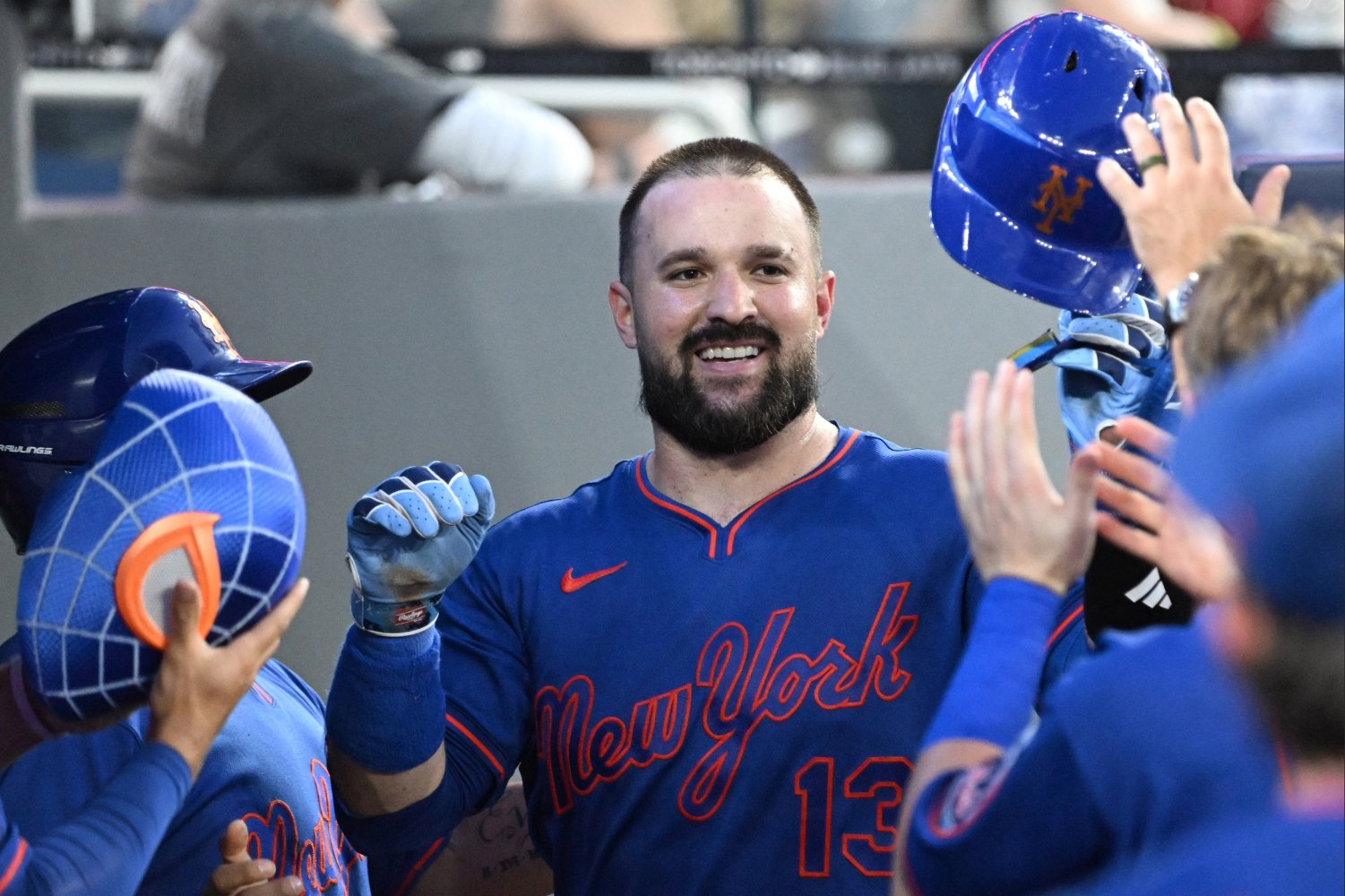 Many contenders are looking for catchers ahead of Monday's trade deadline, but the New York Mets are still reluctant to flip Luis Torrens, according to Jon Heyman of the New York Post. Catchers such as Tyler Stephenson, Ryan Jeffers, and even former top overall draft pick Adley Rutschman are all rumored to be on the market on Monday ahead of the 6:00 pm ET deadline, but the Mets are happy to keep Torrens despite what they could potentially get in return. Heyman specifically said that the Mets have "no plans to move Luis Torrens, one of the best defensive catchers in game." Francisco Álvarez is the unquestioned starter at the position in Queens, but the organization greatly values Torrens’ contributions, particularly behind the plate. Torrens had, as of Monday afternoon, a career-high +12 Defensive Runs Saved (DRS) behind the dish in just 479 1/3 innings, and ranks in the 95th percentile with nine runs of Fielding Run Value (FRV). He hasn’t produced much offensively, slashing .216/.279/.314 with two homers and a 69 wRC+ in 203 plate appearances, but he does most of his work on defense. He is not super cheap, but his salary is manageable for most contenders, as he signed a two-year, $11.5 million deal that keeps him under control through 2028. Still, the Mets don’t want to deal him and don’t have to do it, either.
 -
Many contenders are looking for catchers ahead of Monday's trade deadline, but the New York Mets are still reluctant to flip Luis Torrens, according to Jon Heyman of the New York Post. Catchers such as Tyler Stephenson, Ryan Jeffers, and even former top overall draft pick Adley Rutschman are all rumored to be on the market on Monday ahead of the 6:00 pm ET deadline, but the Mets are happy to keep Torrens despite what they could potentially get in return. Heyman specifically said that the Mets have "no plans to move Luis Torrens, one of the best defensive catchers in game." Francisco Álvarez is the unquestioned starter at the position in Queens, but the organization greatly values Torrens’ contributions, particularly behind the plate. Torrens had, as of Monday afternoon, a career-high +12 Defensive Runs Saved (DRS) behind the dish in just 479 1/3 innings, and ranks in the 95th percentile with nine runs of Fielding Run Value (FRV). He hasn’t produced much offensively, slashing .216/.279/.314 with two homers and a 69 wRC+ in 203 plate appearances, but he does most of his work on defense. He is not super cheap, but his salary is manageable for most contenders, as he signed a two-year, $11.5 million deal that keeps him under control through 2028. Still, the Mets don’t want to deal him and don’t have to do it, either. View full rumor
-
The New York Mets, one of the worst teams in the National League with a 46-63 record, are one of the few true sellers heading into Monday’s trade deadline. One of the players drawing the most attention isn’t even healthy at the moment: starting pitcher Clay Holmes. Holmes, who suffered a fractured fibula in mid-May, tossed four scoreless innings on Tuesday’s rehab start at Low-A St. Lucie, hitting 94 mph on the radar gun. Multiple contenders were in attendance to see his progress. The 33-year-old Holmes has a $12 million player option next year, but should be able to get more than that in the open market, provided he gets the chance. The Mets, according to Jon Heyman, aren’t discussing an extension with the former reliever, so it’s safe to say that the pitcher extending his deal to stay in New York is highly unlikely. His fate seems to be sealed: the likelihood of Holmes pitching for a contender in the second half is quite high. “In this sellers’ market, with precious few frontline starters available, this is a big trade piece. Nearly every contender scouted him in his rehab game,” Heyman wrote on X. Holmes has a 2.39 ERA in 52 2/3 innings with the Mets this year, in nine starts. He has walked 18 and struck out 45, with a 4-4 record. View full rumor
-
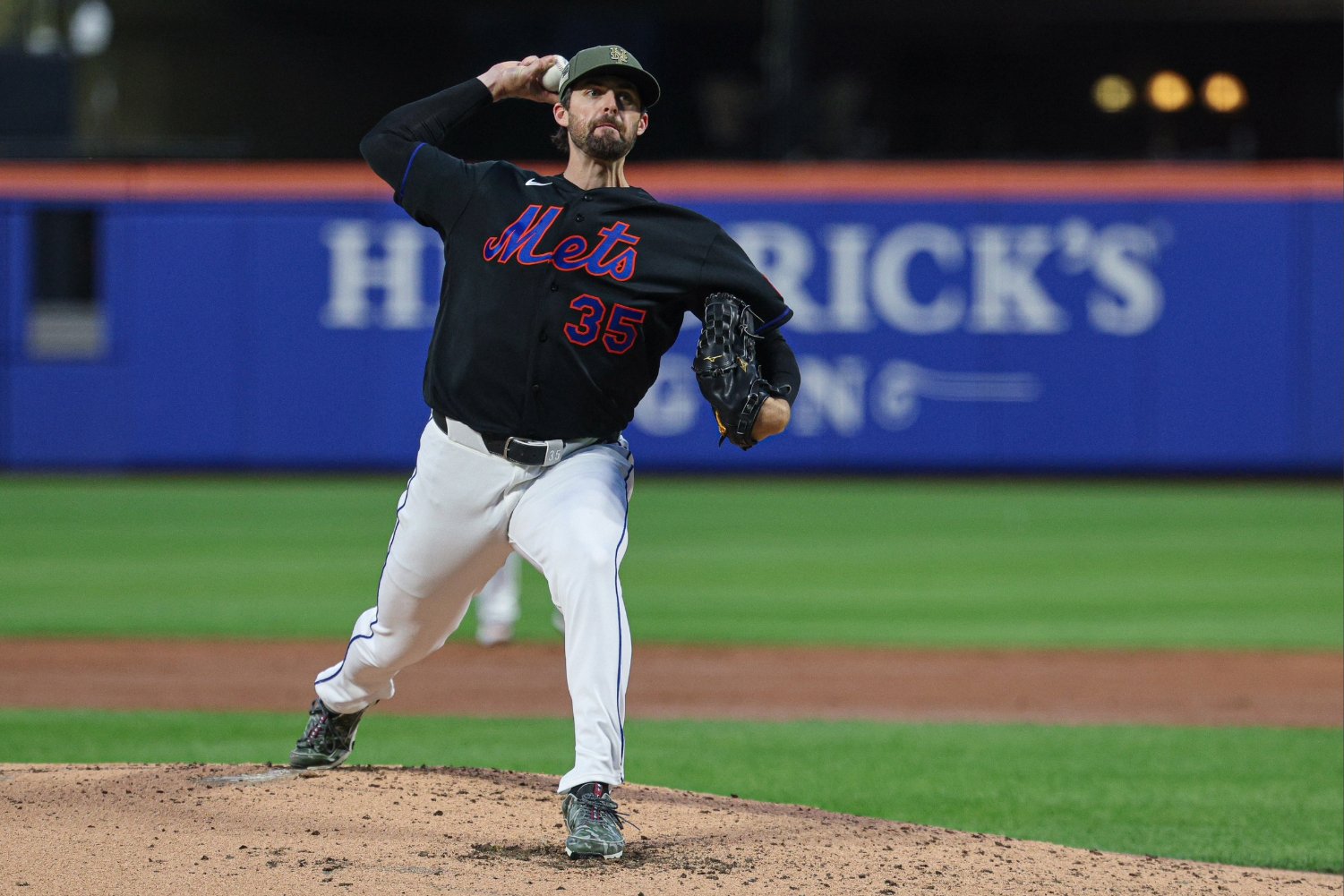 The New York Mets, one of the worst teams in the National League with a 46-63 record, are one of the few true sellers heading into Monday’s trade deadline. One of the players drawing the most attention isn’t even healthy at the moment: starting pitcher Clay Holmes. Holmes, who suffered a fractured fibula in mid-May, tossed four scoreless innings on Tuesday’s rehab start at Low-A St. Lucie, hitting 94 mph on the radar gun. Multiple contenders were in attendance to see his progress. The 33-year-old Holmes has a $12 million player option next year, but should be able to get more than that in the open market, provided he gets the chance. The Mets, according to Jon Heyman, aren’t discussing an extension with the former reliever, so it’s safe to say that the pitcher extending his deal to stay in New York is highly unlikely. His fate seems to be sealed: the likelihood of Holmes pitching for a contender in the second half is quite high. “In this sellers’ market, with precious few frontline starters available, this is a big trade piece. Nearly every contender scouted him in his rehab game,” Heyman wrote on X. Holmes has a 2.39 ERA in 52 2/3 innings with the Mets this year, in nine starts. He has walked 18 and struck out 45, with a 4-4 record.
 -
Image courtesy of © Michael McLoone-Imagn Images The New York Mets will be one of the most active teams ahead of the trade deadline, just not in the exact way they envisioned before the start of the season. They are expected to be among the few sellers in baseball, looking to offload most of their veterans before August 3. They are expected to keep a short list of players off limits, though. Juan Soto, A.J. Ewing, Carson Benge, Nolan McLean, Francisco Alvarez, and Juan Soto are some of them. Is it time to add rookie left-hander Zac Thornton to that exclusive list? After tossing six shutout innings against the Milwaukee Brewers earlier this week, the southpaw now boasts a 1.93 ERA in four starts at the MLB level this season. Is he the newest Mets’ pitching star? Understanding What the Mets Have In Rookie Zac Thornton Thornton, a fifth-round pick out of Grand Canyon University in Phoenix back in 2023, averages 92 mph with his four-seam fastball. He also boasts a mediocre 19.5 percent strikeout rate in the extremely small sample of 23 1/3 innings. To make matters worse, Thornton had as many whiffs, six, as he allowed hard-hit balls in that start against the Brewers. Overall, his 21.3 percent whiff rate would rank him in the bottom quarter of the league if he qualified. The point, if you haven’t caught it by now, is clear: Thornton is no ace. He doesn’t have McLean’s ceiling, in case you were asking. That, however, doesn’t mean he can’t be a quality piece in a major-league rotation, which takes us to our point: Thornton is well worth keeping around. We are talking about a 24-year-old left-hander with six full seasons of cheap team control who has shown an ability to throw strikes in his first four MLB outings. He is walking just 2.31 batters per nine frames in the limited sample, so even though he is just striking out 6.56 hitters per nine, he has proven effective at keeping traffic off the basepaths. Before being called up to the majors, he had a 4.30 ERA and a 5.46 FIP in 37 2/3 Triple-A innings. He was a completely different pitcher, with 4.30 walks per nine and 9.08 strikeouts per nine. What could have happened is that the Triple-A coaching staff might have given him different indications than the Mets’ staff did once he was called up. Or, you know, he is still trying to find his identity. In any case, we have seen enough to be intrigued. Thornton uses six pitches: a cutter (41.4 percent), a four-seamer (27.4 percent), a sweeper (14.6 percent), a sinker (11.8 percent), a changeup (3.1 percent), and a curveball (1.6 percent). The sweeper has earned him a solid 34.8 percent whiff rate so far. The cutter is the foundation of his repertoire. He generally targets the low-and-in corner against righties, which would be the low-and-away part of the zone for lefties, and generally does a good job locating the pitch: Thornton is a pitcher who needs to show excellent command to thrive. That has mostly been the case so far in his first four starts, but MLB hitters will make him pay when he doesn’t because he doesn’t really have overpowering stuff. It’s what caps his ceiling. Here’s what MLB Pipeline has to say about him: “His fastball velocity only sits 89-92 mph (occasionally popping 95), but with some deception and ride on the heater, he can still put it past bats at the top rail. His 83-86 mph slider remains his best pitch. It’s a two-plane breaker that he can spot exceptionally well to the gloveside, and he isn’t afraid of bringing it in on righties. His upper-80s cutter gives him another chase-heavy pitch. His 82-84 mph changeup and slow mid-70s curveball occasionally get folded in but find the zone much less often than his other offerings.” The slider they are referring to is basically what Baseball Savant calls his sweeper. It helps that he can use it against both righties and lefties and that he has excellent command of it. All things considered, Thornton’s deep repertoire, solid control, and craftiness on the mound, not to mention a ‘bulldog mentality’ as described by MLB Pipeline, give him a chance to be a solid back-end starter for the Mets. As long as fans don’t expect him to be an ace, he can be a valuable piece of the next competitive team this organization fields. View full article
-
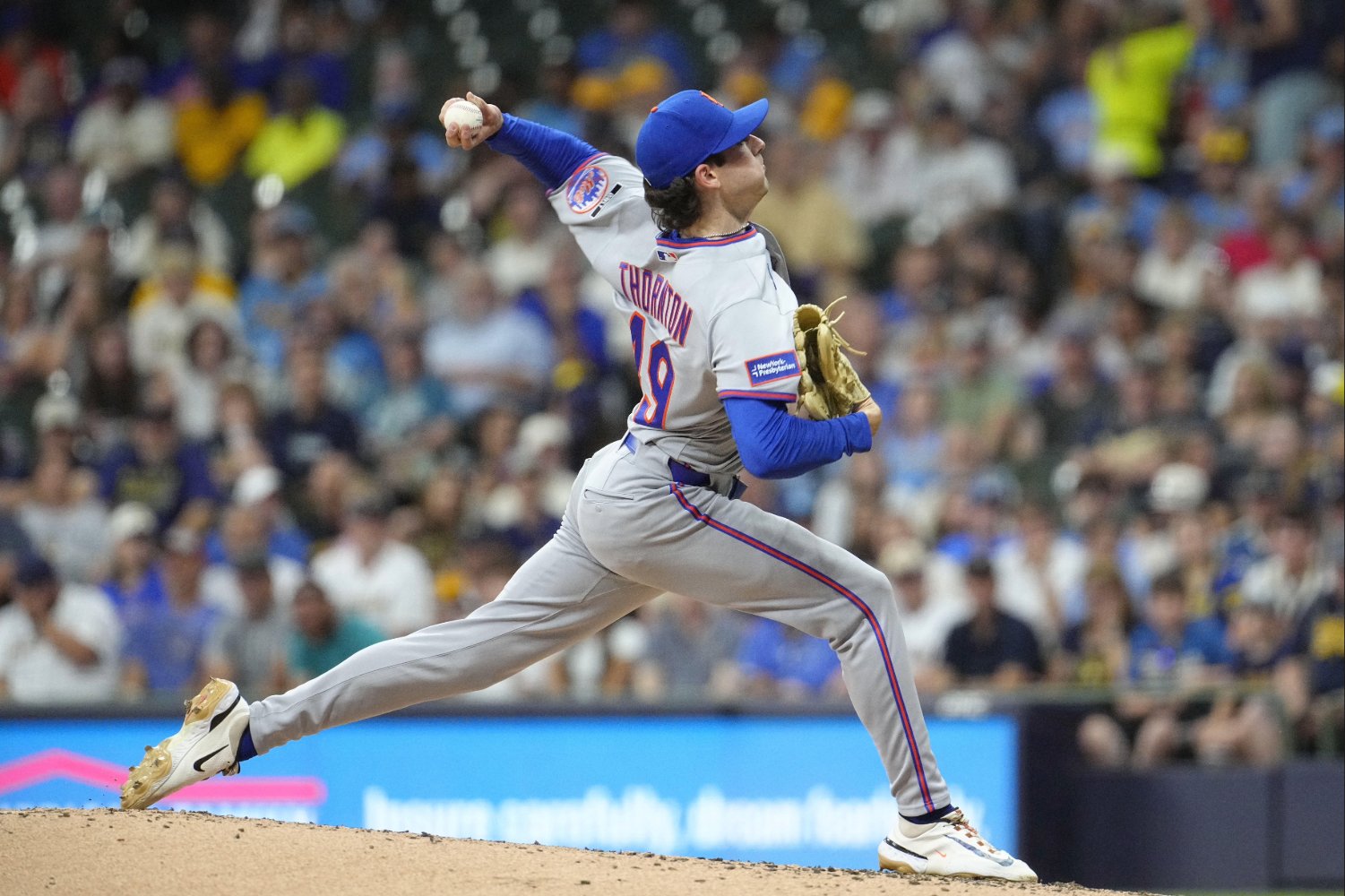 The New York Mets will be one of the most active teams ahead of the trade deadline, just not in the exact way they envisioned before the start of the season. They are expected to be among the few sellers in baseball, looking to offload most of their veterans before August 3. They are expected to keep a short list of players off limits, though. Juan Soto, A.J. Ewing, Carson Benge, Nolan McLean, Francisco Alvarez, and Juan Soto are some of them. Is it time to add rookie left-hander Zac Thornton to that exclusive list? After tossing six shutout innings against the Milwaukee Brewers earlier this week, the southpaw now boasts a 1.93 ERA in four starts at the MLB level this season. Is he the newest Mets’ pitching star? Understanding What the Mets Have In Rookie Zac Thornton Thornton, a fifth-round pick out of Grand Canyon University in Phoenix back in 2023, averages 92 mph with his four-seam fastball. He also boasts a mediocre 19.5 percent strikeout rate in the extremely small sample of 23 1/3 innings. To make matters worse, Thornton had as many whiffs, six, as he allowed hard-hit balls in that start against the Brewers. Overall, his 21.3 percent whiff rate would rank him in the bottom quarter of the league if he qualified. The point, if you haven’t caught it by now, is clear: Thornton is no ace. He doesn’t have McLean’s ceiling, in case you were asking. That, however, doesn’t mean he can’t be a quality piece in a major-league rotation, which takes us to our point: Thornton is well worth keeping around. We are talking about a 24-year-old left-hander with six full seasons of cheap team control who has shown an ability to throw strikes in his first four MLB outings. He is walking just 2.31 batters per nine frames in the limited sample, so even though he is just striking out 6.56 hitters per nine, he has proven effective at keeping traffic off the basepaths. Before being called up to the majors, he had a 4.30 ERA and a 5.46 FIP in 37 2/3 Triple-A innings. He was a completely different pitcher, with 4.30 walks per nine and 9.08 strikeouts per nine. What could have happened is that the Triple-A coaching staff might have given him different indications than the Mets’ staff did once he was called up. Or, you know, he is still trying to find his identity. In any case, we have seen enough to be intrigued. Thornton uses six pitches: a cutter (41.4 percent), a four-seamer (27.4 percent), a sweeper (14.6 percent), a sinker (11.8 percent), a changeup (3.1 percent), and a curveball (1.6 percent). The sweeper has earned him a solid 34.8 percent whiff rate so far. The cutter is the foundation of his repertoire. He generally targets the low-and-in corner against righties, which would be the low-and-away part of the zone for lefties, and generally does a good job locating the pitch: Thornton is a pitcher who needs to show excellent command to thrive. That has mostly been the case so far in his first four starts, but MLB hitters will make him pay when he doesn’t because he doesn’t really have overpowering stuff. It’s what caps his ceiling. Here’s what MLB Pipeline has to say about him: “His fastball velocity only sits 89-92 mph (occasionally popping 95), but with some deception and ride on the heater, he can still put it past bats at the top rail. His 83-86 mph slider remains his best pitch. It’s a two-plane breaker that he can spot exceptionally well to the gloveside, and he isn’t afraid of bringing it in on righties. His upper-80s cutter gives him another chase-heavy pitch. His 82-84 mph changeup and slow mid-70s curveball occasionally get folded in but find the zone much less often than his other offerings.” The slider they are referring to is basically what Baseball Savant calls his sweeper. It helps that he can use it against both righties and lefties and that he has excellent command of it. All things considered, Thornton’s deep repertoire, solid control, and craftiness on the mound, not to mention a ‘bulldog mentality’ as described by MLB Pipeline, give him a chance to be a solid back-end starter for the Mets. As long as fans don’t expect him to be an ace, he can be a valuable piece of the next competitive team this organization fields.
 -
Image courtesy of © Brad Penner-Imagn Images The New York Mets are currently the only NL East team below .500, completely buried in the division and only better than the Colorado Rockies in the National League. To say that things haven’t gone as planned in Queens this year would be an understatement. They won’t say it out loud, but the focus of the 2026 season is now accumulating as many young, talented, and, preferably, near-MLB-ready assets as possible. If, along the way, they can get rid of some pricey and struggling veterans, they surely will be ready to listen. Every case needs to be studied and analyzed individually, though. Of course, it makes more sense to keep certain players than others if they really want to compete next year. The Mets Have A Unique Trade Deadline Opportunity In Front of Them With that in mind, the Mets certainly have talented veterans who might be appealing for contenders: Luis Robert Jr. could become someone’s center fielder, Luke Weaver, Brooks Raley and A.J. Minter are all having amazing seasons and have the track record of success needed to bring in something relevant in return, and Bo Bichette and Jorge Polanco are both proven and versatile despite not really performing well in 2026 and being labeled by many as offseason busts. Additionally, Freddy Peralta is already generating interest despite underperforming with a 5.01 ERA as of Tuesday afternoon. We’re sure the Mets are willing to listen to approaches for every pitcher not named Nolan McLean or Christian Scott. The primary takeaway from the pre-deadline period for the Mets is not the fact that they will probably be active, but instead, that they appear to be in a position of strength at the moment. There aren’t many clear-cut sellers in the market, as most teams are either leading their division or competing for a Wild Card spot. Who Will Join the Mets As Sellers? If we had to name those squads that will clearly sell, the Mets would be joined by the Colorado Rockies, the Los Angeles Angels, the Cincinnati Reds, and the Kansas City Royals. That’s it. Buyers won’t have many options to choose from, perhaps overpricing the precious few assets available. Even the 43-57 Athletics may want to avoid big sales, since they are just 7.5 games behind the AL West lead and 8.5 games out of the last Wild Card spot. If anything, they may support their exciting young core with some win-now veterans, but there’s a big chance, knowing how they operate, that they decide to sell. You can also make the case that the 45-54 Reds, who are just six games out of the last Wild Card berth in the National League, won’t become sellers, further shrinking the potential pool of available players at the deadline. If the Mets move swiftly and decisively, they have a chance to retool their farm with some quality prospects and still compete in 2027. If they manage to get rid of most of the aforementioned players, plus others, they might get a nice haul and replenish their farm. With Juan Soto, Francisco Lindor, Francisco Alvarez, Carson Benge, A.J. Ewing, McLean, and Scott as the foundation, some savvy offloading process ahead of the deadline, and a good offseason, the Mets could conceivably compete next year... provided that there’s a season, of course. View full article
-
Mets Enter Trade Deadline As True Sellers With Tons of Market Leverage
Andres Chavez posted an article in Mets
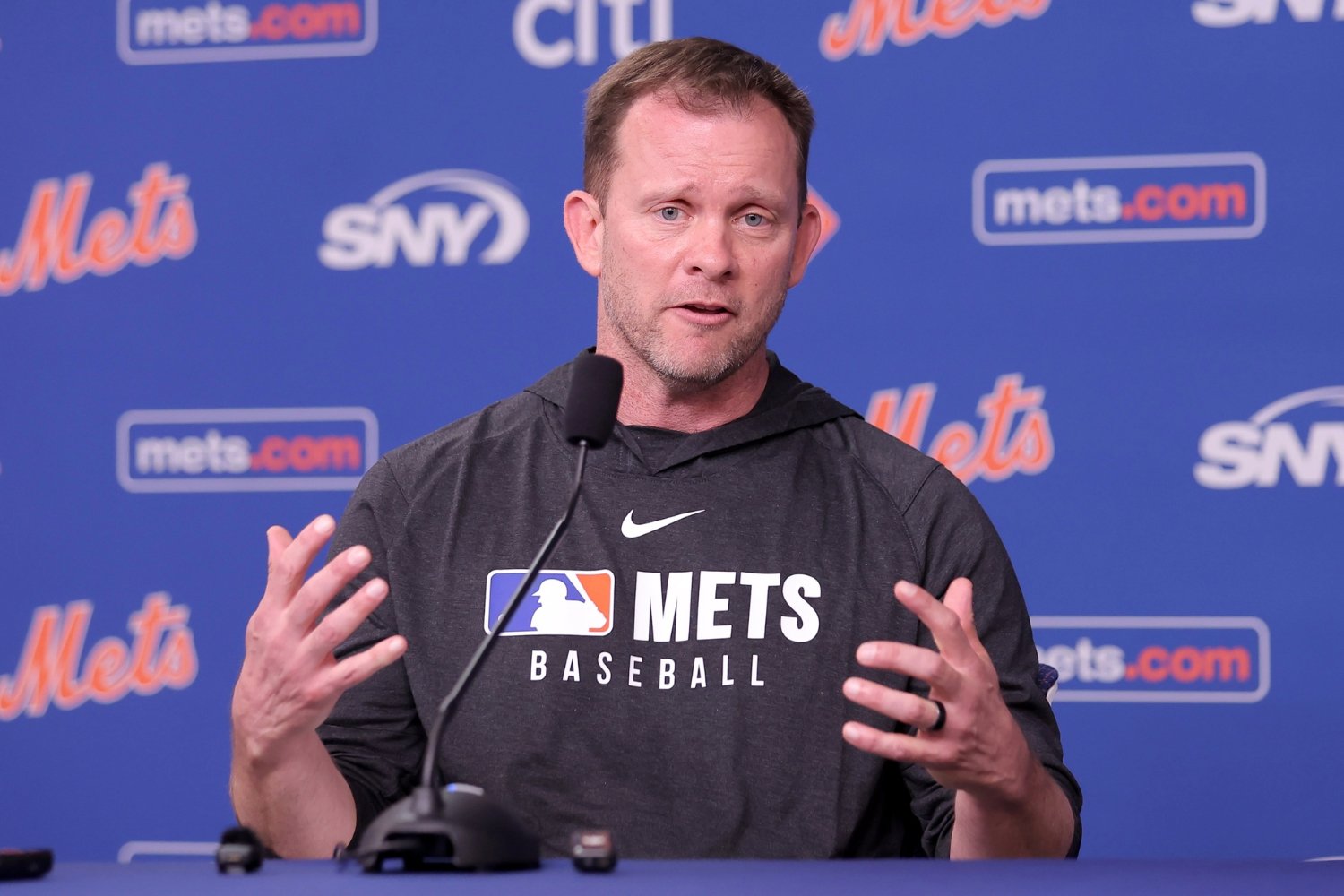 The New York Mets are currently the only NL East team below .500, completely buried in the division and only better than the Colorado Rockies in the National League. To say that things haven’t gone as planned in Queens this year would be an understatement. They won’t say it out loud, but the focus of the 2026 season is now accumulating as many young, talented, and, preferably, near-MLB-ready assets as possible. If, along the way, they can get rid of some pricey and struggling veterans, they surely will be ready to listen. Every case needs to be studied and analyzed individually, though. Of course, it makes more sense to keep certain players than others if they really want to compete next year. The Mets Have A Unique Trade Deadline Opportunity In Front of Them With that in mind, the Mets certainly have talented veterans who might be appealing for contenders: Luis Robert Jr. could become someone’s center fielder, Luke Weaver, Brooks Raley and A.J. Minter are all having amazing seasons and have the track record of success needed to bring in something relevant in return, and Bo Bichette and Jorge Polanco are both proven and versatile despite not really performing well in 2026 and being labeled by many as offseason busts. Additionally, Freddy Peralta is already generating interest despite underperforming with a 5.01 ERA as of Tuesday afternoon. We’re sure the Mets are willing to listen to approaches for every pitcher not named Nolan McLean or Christian Scott. The primary takeaway from the pre-deadline period for the Mets is not the fact that they will probably be active, but instead, that they appear to be in a position of strength at the moment. There aren’t many clear-cut sellers in the market, as most teams are either leading their division or competing for a Wild Card spot. Who Will Join the Mets As Sellers? If we had to name those squads that will clearly sell, the Mets would be joined by the Colorado Rockies, the Los Angeles Angels, the Cincinnati Reds, and the Kansas City Royals. That’s it. Buyers won’t have many options to choose from, perhaps overpricing the precious few assets available. Even the 43-57 Athletics may want to avoid big sales, since they are just 7.5 games behind the AL West lead and 8.5 games out of the last Wild Card spot. If anything, they may support their exciting young core with some win-now veterans, but there’s a big chance, knowing how they operate, that they decide to sell. You can also make the case that the 45-54 Reds, who are just six games out of the last Wild Card berth in the National League, won’t become sellers, further shrinking the potential pool of available players at the deadline. If the Mets move swiftly and decisively, they have a chance to retool their farm with some quality prospects and still compete in 2027. If they manage to get rid of most of the aforementioned players, plus others, they might get a nice haul and replenish their farm. With Juan Soto, Francisco Lindor, Francisco Alvarez, Carson Benge, A.J. Ewing, McLean, and Scott as the foundation, some savvy offloading process ahead of the deadline, and a good offseason, the Mets could conceivably compete next year... provided that there’s a season, of course.
 -
Image courtesy of © Eric Hartline-Imagn Images The 2026 campaign has been an unmitigated disaster for the New York Mets. From several controversial offseason decisions in the construction of the roster to the Francisco Lindor hamate bone surgery and multiple in-season injuries, you can even say things went downhill before the season even started. Speaking of Lindor, some fans believe the last-place Mets, who boast a 40-57 record, should at least listen to potential trade approaches on their franchise shortstop. It’s certainly not a crazy idea. Should they do it, though? Should the Mets entertain the possibility of flipping their star infielder? Let’s just start by saying that any deal involving Lindor is highly unlikely. We are talking about a 32-year-old player making over $30 million per year for five more seasons, plus what’s left of 2026. Teams probably won’t be lining up to acquire a declining player making that much money, especially not with the pending lockout. Mets Will Need to Get Creative to Trade Francisco Lindor It’s certainly not impossible, though. The Mets have proven throughout the years that, at least since Steven Cohen took over, they are willing to cover the salaries of outgoing players in order to maximize the potential return package. To get Drew Gilbert and Ryan Clifford in 2023, the Mets sent Justin Verlander and a huge chunk of cash ($25 million) to Houston. They did the same with Max Scherzer, paying $35 million to the Texas Rangers to get Luisangel Acuna. To do this with Lindor, however, would be much more complex. The Mets still owe him close to $200 million, which is certainly not insignificant money. Complicating matters is the shortstop's 2026 performance. He slashed .216/.298/.373 with five home runs, two stolen bases, 22 runs scored, 12 RBI, and a 90 wRC+ in 40 games and 171 plate appearances in the first half. He had to deal with the hamate bone surgery in February, and then with a calf strain that landed him on the injured list in late April. He was activated in late June but hasn't been anywhere close to his prime self. Keeping Lindor Is In the Mets' Best Interests Fans’ urgency and desire to trade him are understandable to a degree. The season has been, for lack of a better word, a frustrating one. But keeping him is the wisest choice for now. First of all, trading him at this juncture and with all the aforementioned circumstances would be selling low, and there’s no point in doing that. Additionally, he should eventually return to full health and to top form. It might not happen this month or this season at all, but it will happen in all likelihood. It’s easy to forget just how good Lindor was last season, when he was fully healthy. He slashed .267/.346/.466 with 31 home runs, 31 stolen bases, 117 runs scored, and a 129 wRC+. He put up 6.3 fWAR. It might not look like it right now, but Lindor hasn’t forgotten how to play baseball. He just needs to be closer to 100 percent health to show it. Fans might have to temper their expectations a bit for the second half, but even though he is aging, he could be in for a huge bounce-back campaign next year, with the Mets boasting a better team overall. There’s even a chance he starts playing like the Lindor we all know this year, in the second half. Perhaps a trade involving Lindor would become feasible once the new Collective Bargaining Agreement (CBA) is agreed upon. For now, however, the Mets are virtually stuck with him. That might not be such a bad thing — one rough half shouldn’t make people lose perspective on who he is as a player. View full article
-
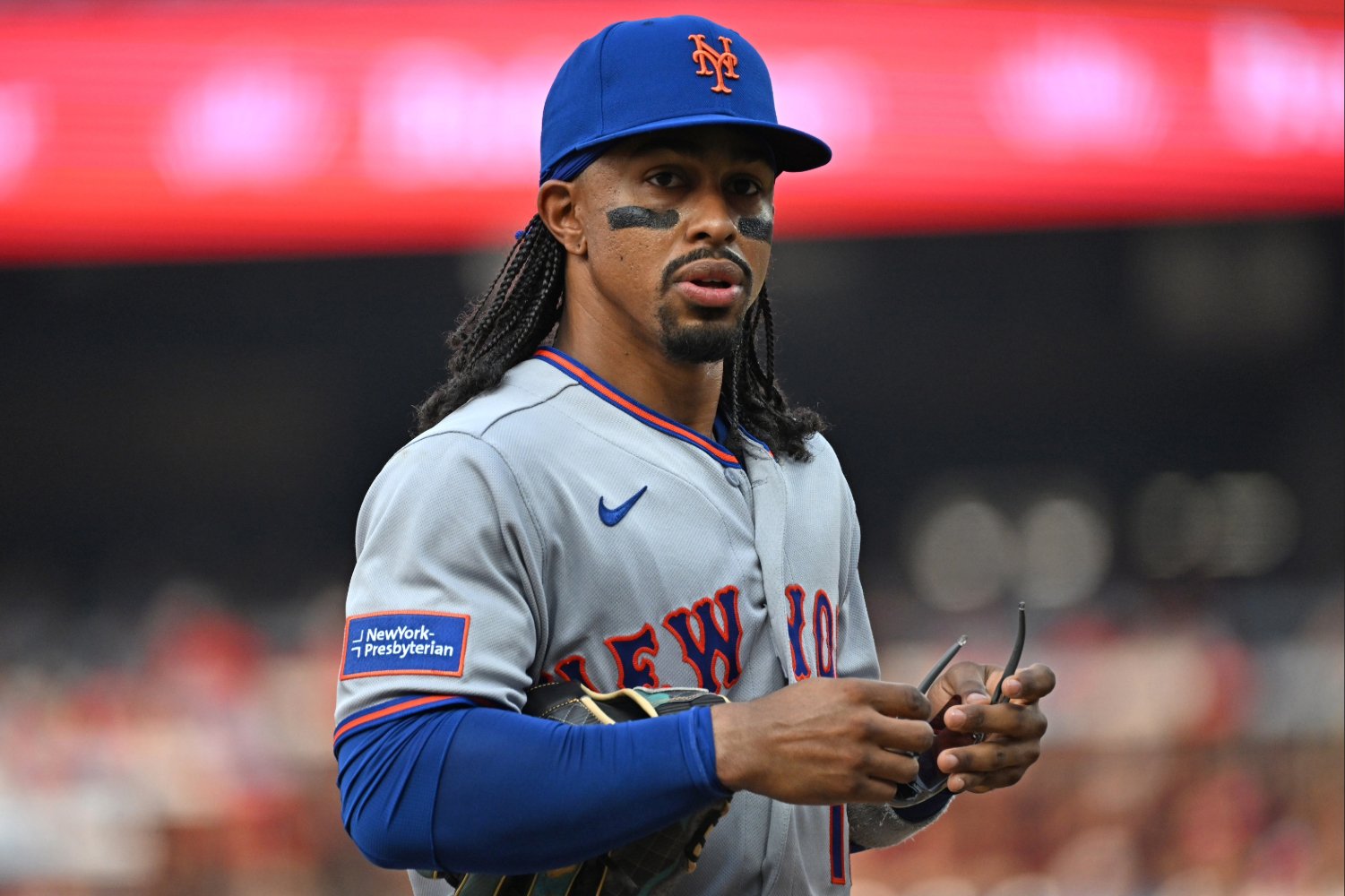 The 2026 campaign has been an unmitigated disaster for the New York Mets. From several controversial offseason decisions in the construction of the roster to the Francisco Lindor hamate bone surgery and multiple in-season injuries, you can even say things went downhill before the season even started. Speaking of Lindor, some fans believe the last-place Mets, who boast a 40-57 record, should at least listen to potential trade approaches on their franchise shortstop. It’s certainly not a crazy idea. Should they do it, though? Should the Mets entertain the possibility of flipping their star infielder? Let’s just start by saying that any deal involving Lindor is highly unlikely. We are talking about a 32-year-old player making over $30 million per year for five more seasons, plus what’s left of 2026. Teams probably won’t be lining up to acquire a declining player making that much money, especially not with the pending lockout. Mets Will Need to Get Creative to Trade Francisco Lindor It’s certainly not impossible, though. The Mets have proven throughout the years that, at least since Steven Cohen took over, they are willing to cover the salaries of outgoing players in order to maximize the potential return package. To get Drew Gilbert and Ryan Clifford in 2023, the Mets sent Justin Verlander and a huge chunk of cash ($25 million) to Houston. They did the same with Max Scherzer, paying $35 million to the Texas Rangers to get Luisangel Acuna. To do this with Lindor, however, would be much more complex. The Mets still owe him close to $200 million, which is certainly not insignificant money. Complicating matters is the shortstop's 2026 performance. He slashed .216/.298/.373 with five home runs, two stolen bases, 22 runs scored, 12 RBI, and a 90 wRC+ in 40 games and 171 plate appearances in the first half. He had to deal with the hamate bone surgery in February, and then with a calf strain that landed him on the injured list in late April. He was activated in late June but hasn't been anywhere close to his prime self. Keeping Lindor Is In the Mets' Best Interests Fans’ urgency and desire to trade him are understandable to a degree. The season has been, for lack of a better word, a frustrating one. But keeping him is the wisest choice for now. First of all, trading him at this juncture and with all the aforementioned circumstances would be selling low, and there’s no point in doing that. Additionally, he should eventually return to full health and to top form. It might not happen this month or this season at all, but it will happen in all likelihood. It’s easy to forget just how good Lindor was last season, when he was fully healthy. He slashed .267/.346/.466 with 31 home runs, 31 stolen bases, 117 runs scored, and a 129 wRC+. He put up 6.3 fWAR. It might not look like it right now, but Lindor hasn’t forgotten how to play baseball. He just needs to be closer to 100 percent health to show it. Fans might have to temper their expectations a bit for the second half, but even though he is aging, he could be in for a huge bounce-back campaign next year, with the Mets boasting a better team overall. There’s even a chance he starts playing like the Lindor we all know this year, in the second half. Perhaps a trade involving Lindor would become feasible once the new Collective Bargaining Agreement (CBA) is agreed upon. For now, however, the Mets are virtually stuck with him. That might not be such a bad thing — one rough half shouldn’t make people lose perspective on who he is as a player.
 -
The New York Mets entered the 2026 campaign with big dreams and postseason aspirations. Fast-forward three and a half months, and it’s safe to say that the season has been a complete disaster. They entered the All-Star break with a 40-57 record, the second-worst in the National League. Obviously, the Mets expected to be at or near the top of their division at this point, not at the bottom. The Washington Nationals, one of the worst teams in the league in recent seasons, are eight games ahead of them. Eight. In the middle of all the disappointment, anger, frustration, and sadness associated with the Mets this year, All-Star outfielder Juan Soto has managed to keep his side of the bargain. He is paid to perform like one of the best hitters in MLB, and he has done just that. Even after missing a few games with a calf injury, Soto’s first half has been nothing short of amazing. He is slashing .290/.405/.562 with a 163 wRC+ that ranks fourth in the league among qualified hitters and second in the Senior Circuit behind James Wood’s 166. Juan Soto Is Still A Top-Tier Offensive Machine Here are some of Soto's National League ranks heading into the second half: Batting average: .290 (15th) On-base percentage: .405 (2nd) Slugging percentage: .562 (2nd) wOBA: .408 (2nd) xwOBA: .432 (2nd) BB%: 16.5 (2nd) K%: 12.9 (9th) fWAR: 2.9 (12th) Not too shabby, huh? It has to be heartbreaking for the Mets to have such a gifted offensive player and have nothing to show for it in the standings, but such is life in the competitive National League. New York made countless roster construction mistakes and is paying a hefty price for them, but none of what has happened to this point is Soto’s fault. Soto might not be a vocal leader. He might not be close friends with everybody in the clubhouse. But he doesn’t have to be those things. He just has to work hard, set an example for the young, up-and-coming hitters, and do his thing on the field. And that’s exactly what he does. At a time in which there are few certainties on the Mets, the organization knows that it can count on their big investment to play to the top of his abilities night in and night out. Throughout his Queens tenure thus far, Soto is slashing a jaw-dropping .272/.399/.537 with a .936 OPS, a 161 OPS+, 64 home runs, and 45 stolen bases in a year and a half. He's everything the team has paid him to be. Francisco Lindor might be struggling with the aftermath of his hamate bone surgery, and the young hitters, except A.J. Ewing and Carson Benge, might have failed to establish themselves as viable contributors. The pitching staff might be among the most inconsistent in baseball, with a 4.27 ERA that ranks 18th among 30 squads. Soto, however, is there in every game, representing a huge threat for opposing pitchers and showing the mental toughness, strength, and immense talent to produce even in adverse circumstances. Many fans are surely mad or disappointed at Steven Cohen and, mainly, David Stearns for some of their offseason decisions in the last two years. And yet, you can be sure that getting Soto was, and is, one of the best things they have done for the franchise since taking over. View full article
-
Despite Rough First Half, Mets Can Take Solace In Having Juan Soto
Andres Chavez posted an article in Mets
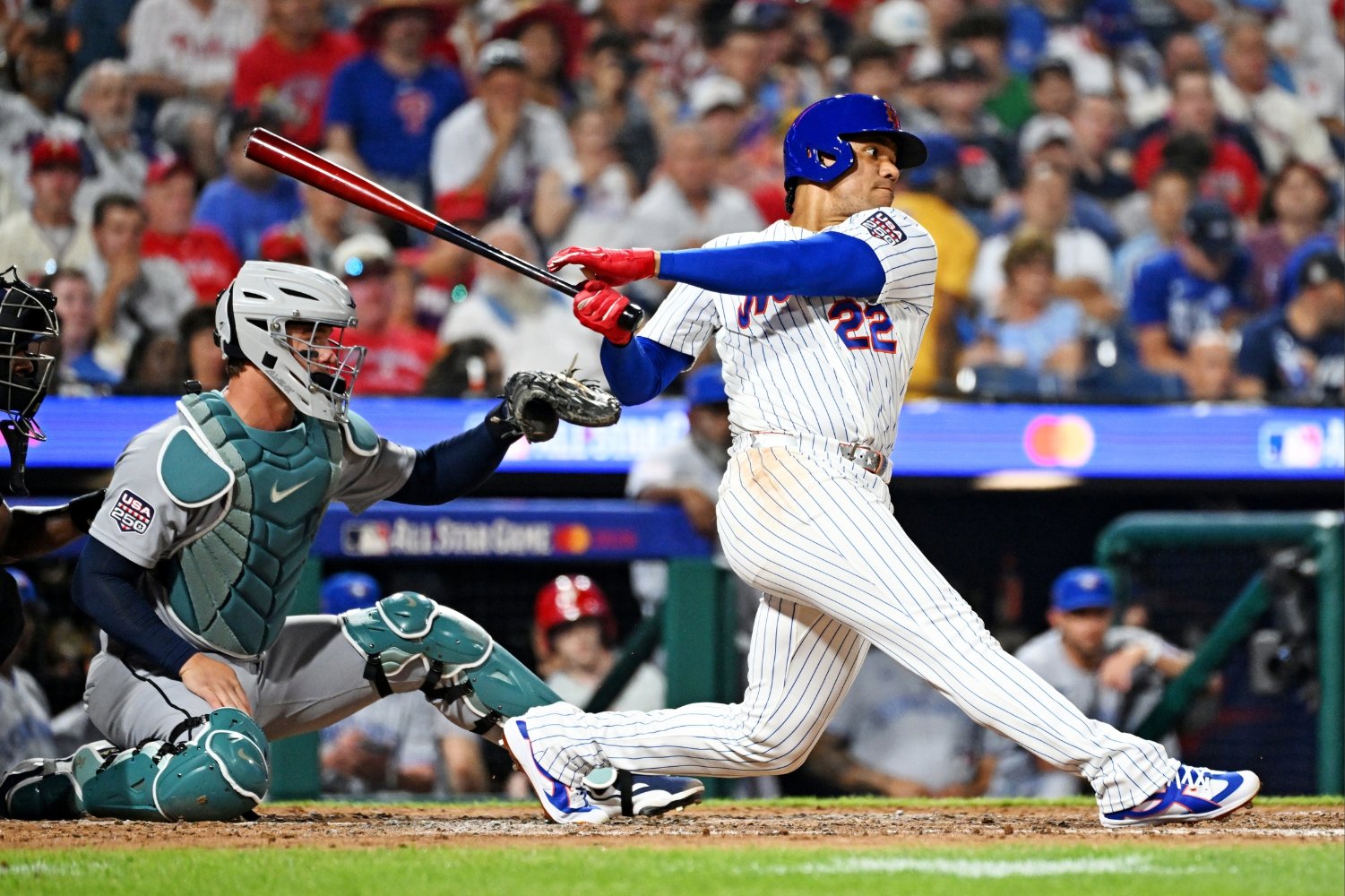 The New York Mets entered the 2026 campaign with big dreams and postseason aspirations. Fast-forward three and a half months, and it’s safe to say that the season has been a complete disaster. They entered the All-Star break with a 40-57 record, the second-worst in the National League. Obviously, the Mets expected to be at or near the top of their division at this point, not at the bottom. The Washington Nationals, one of the worst teams in the league in recent seasons, are eight games ahead of them. Eight. In the middle of all the disappointment, anger, frustration, and sadness associated with the Mets this year, All-Star outfielder Juan Soto has managed to keep his side of the bargain. He is paid to perform like one of the best hitters in MLB, and he has done just that. Even after missing a few games with a calf injury, Soto’s first half has been nothing short of amazing. He is slashing .290/.405/.562 with a 163 wRC+ that ranks fourth in the league among qualified hitters and second in the Senior Circuit behind James Wood’s 166. Juan Soto Is Still A Top-Tier Offensive Machine Here are some of Soto's National League ranks heading into the second half: Batting average: .290 (15th) On-base percentage: .405 (2nd) Slugging percentage: .562 (2nd) wOBA: .408 (2nd) xwOBA: .432 (2nd) BB%: 16.5 (2nd) K%: 12.9 (9th) fWAR: 2.9 (12th) Not too shabby, huh? It has to be heartbreaking for the Mets to have such a gifted offensive player and have nothing to show for it in the standings, but such is life in the competitive National League. New York made countless roster construction mistakes and is paying a hefty price for them, but none of what has happened to this point is Soto’s fault. Soto might not be a vocal leader. He might not be close friends with everybody in the clubhouse. But he doesn’t have to be those things. He just has to work hard, set an example for the young, up-and-coming hitters, and do his thing on the field. And that’s exactly what he does. At a time in which there are few certainties on the Mets, the organization knows that it can count on their big investment to play to the top of his abilities night in and night out. Throughout his Queens tenure thus far, Soto is slashing a jaw-dropping .272/.399/.537 with a .936 OPS, a 161 OPS+, 64 home runs, and 45 stolen bases in a year and a half. He's everything the team has paid him to be. Francisco Lindor might be struggling with the aftermath of his hamate bone surgery, and the young hitters, except A.J. Ewing and Carson Benge, might have failed to establish themselves as viable contributors. The pitching staff might be among the most inconsistent in baseball, with a 4.27 ERA that ranks 18th among 30 squads. Soto, however, is there in every game, representing a huge threat for opposing pitchers and showing the mental toughness, strength, and immense talent to produce even in adverse circumstances. Many fans are surely mad or disappointed at Steven Cohen and, mainly, David Stearns for some of their offseason decisions in the last two years. And yet, you can be sure that getting Soto was, and is, one of the best things they have done for the franchise since taking over.
 -
Image courtesy of © Brad Mills-Imagn Images The rumor mill is in full swing, and with the New York Mets being one of the worst teams in the National League, everything points to them offloading some assets for the right price. Not everyone will be allowed to go, though. We can put the Mets’ players into three tiers: the ones who should be untouchables, those who could potentially go for the right price but the team isn’t inclined to deal, and the ones who should be slapped with the ‘open for business’ label. Untouchable Mets Players SS Francisco Lindor, OF A.J. Ewing, OF Carson Benge, SP Nolan McLean, SP Christian Scott, and OF Juan Soto With an 84 wRC+, Lindor hasn’t really had his finest season. It’s to be expected, though, since he underwent hamate bone surgery and power might take a while to return. He’s still the face of the Mets, though, and should eventually return to his best. Ewing already has seven home runs, nine stolen bases, a 128 wRC+, and solid defensive play in the outfield. He looks every bit like a keeper and should be a mainstay in the Mets’ future plans. The early stages of Benge’s season were rough. Weeks passed, and he didn’t seem capable of getting going at the plate. After a little over three months, however, he boasts a .265/.327/.410 line and a 108 wRC+, which is above the league average. With 11 home runs and 12 stolen bases, he could flirt with a 20-20 campaign in his first year. Not bad for a 23-year-old. It hasn’t always been pretty, but McLean is the face of the Mets’ pitching staff and the guy who will headline their rotation for years to come. His 3.73 ERA differs a lot from last year’s 2.06, but a 3.52 FIP suggests things could be better in the future. McLean strikes people out, does a good job limiting walks, and doesn’t allow too many home runs. He still has the tools to put together Cy Young-caliber seasons in the future, and the Mets shouldn’t even entertain trading him. Christian Scott is 27, so he is not as young as you probably thought he was. However, he is talented, cheap, and controllable, all desirable traits that will keep him in Queens for a long time. This year, he has posted a 3.17 ERA in 54 frames, with a whopping 65 strikeouts. The more innings he accumulates, the more experience he will gain. We don’t need to tell you why Soto is a keeper for the Mets. A symbol of the organization’s newfound financial power, the lefty-hitting outfielder remains a formidable hitter in his prime, sporting a 166 wRC+ with 20 home runs and 3.0 fWAR, even though he missed time with a calf injury. He is a true superstar and a building block for future Mets squads, even if the 2026 campaign hasn’t gone the way he wanted. Could Go For The Right Price C Francisco Alvarez, SP Clay Holmes, RP Luke Weaver There have been rumblings about Álvarez being available, and while he might fall just short of the ‘untouchables’ tier, the Mets would have to be blown away by an offer to consider letting him go. The catcher is sporting a solid 107 wRC+ with nine homers, and is still somehow only 24. The Mets will likely keep him, especially because we have seen his best version offensively, and he is much better than this. His defense behind the plate seems to be trending in the wrong direction, though. Holmes is certainly an interesting case. He is 33, injured, and could become a free agent after the season, so there’s a world in which the Mets explore a trade, considering how much they could get for a potential rental this year. With a 2.39 ERA in 52.2 innings, New York could very much fetch something of value, provided his rehab from a fractured fibula remains on track. He is expected to return in August. Weaver is in the first season of a two-year deal. He has a shiny 1.89 ERA and hasn’t given up an earned run since April, so the Mets would love to keep him with a 2027 run in mind. Unless someone grossly overpays, he will stay in Queens past August 3. Open For Business Everyone else The Mets should be willing to listen to trade approaches on pretty much everyone else on the roster, including many of their offseason acquisitions for this year. We are not saying that a dramatic turnaround is impossible, but it’s not looking particularly likely. Additionally, we are not saying that the Mets should go out and trade everyone not listed in the first two tiers. However, the newcomers, the injured players, the reclamation projects, the aging veterans, the struggling young prospects, and everyone not in the previous groups must be considered ‘tradeable’. That doesn't mean the Mets will just give them away, but they could and should be more open to trades involving these players if the return can help them compete in 2027 and beyond. View full article
- 15 replies
-
- 1
-

-
- francisco lindor
- juan soto
- (and 4 more)
-
Examining New York Mets' List Of 'Untouchables' Ahead Of Trade Deadline
Andres Chavez posted an article in Mets
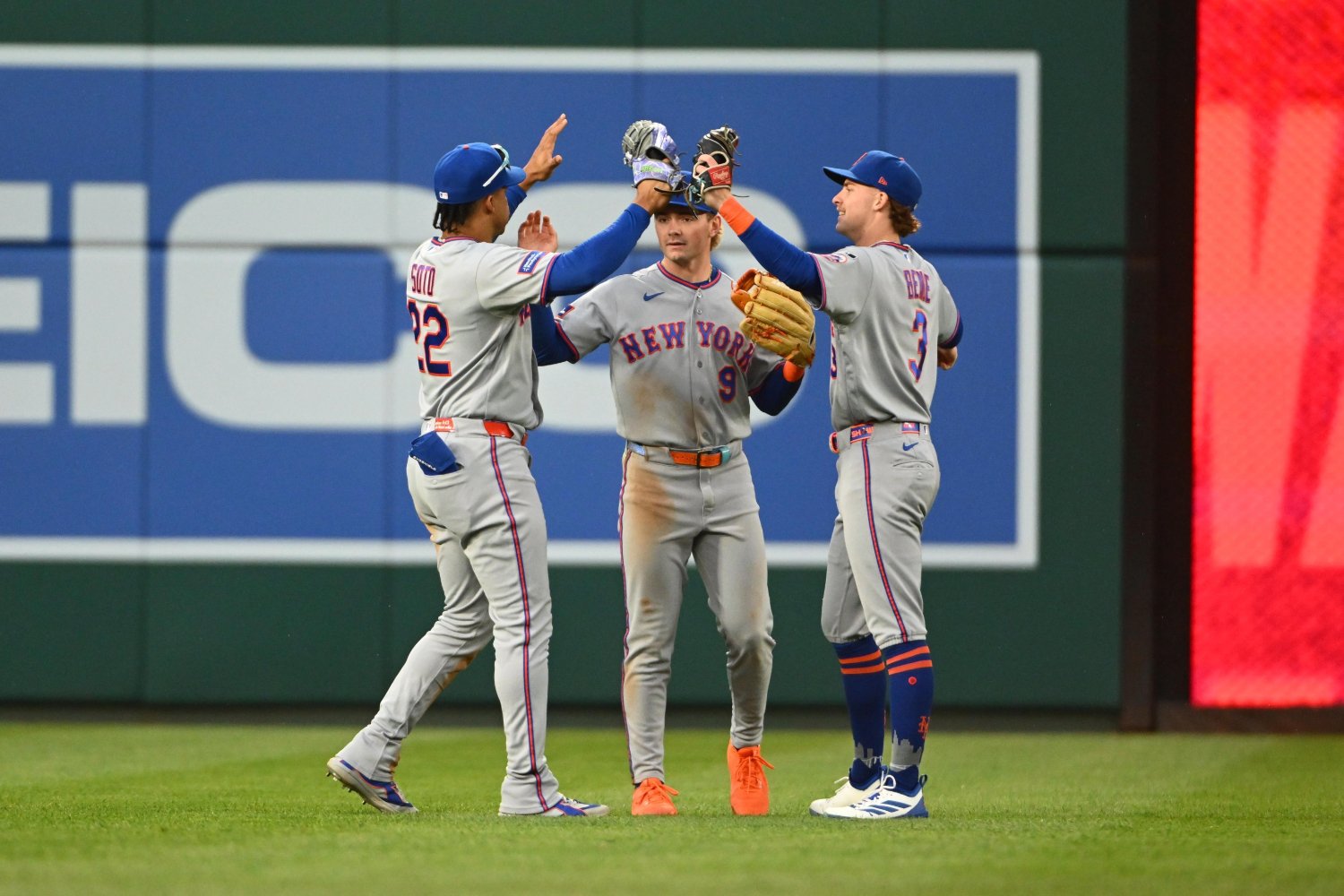 The rumor mill is in full swing, and with the New York Mets being one of the worst teams in the National League, everything points to them offloading some assets for the right price. Not everyone will be allowed to go, though. We can put the Mets’ players into three tiers: the ones who should be untouchables, those who could potentially go for the right price but the team isn’t inclined to deal, and the ones who should be slapped with the ‘open for business’ label. Untouchable Mets Players SS Francisco Lindor, OF A.J. Ewing, OF Carson Benge, SP Nolan McLean, SP Christian Scott, and OF Juan Soto With an 84 wRC+, Lindor hasn’t really had his finest season. It’s to be expected, though, since he underwent hamate bone surgery and power might take a while to return. He’s still the face of the Mets, though, and should eventually return to his best. Ewing already has seven home runs, nine stolen bases, a 128 wRC+, and solid defensive play in the outfield. He looks every bit like a keeper and should be a mainstay in the Mets’ future plans. The early stages of Benge’s season were rough. Weeks passed, and he didn’t seem capable of getting going at the plate. After a little over three months, however, he boasts a .265/.327/.410 line and a 108 wRC+, which is above the league average. With 11 home runs and 12 stolen bases, he could flirt with a 20-20 campaign in his first year. Not bad for a 23-year-old. It hasn’t always been pretty, but McLean is the face of the Mets’ pitching staff and the guy who will headline their rotation for years to come. His 3.73 ERA differs a lot from last year’s 2.06, but a 3.52 FIP suggests things could be better in the future. McLean strikes people out, does a good job limiting walks, and doesn’t allow too many home runs. He still has the tools to put together Cy Young-caliber seasons in the future, and the Mets shouldn’t even entertain trading him. Christian Scott is 27, so he is not as young as you probably thought he was. However, he is talented, cheap, and controllable, all desirable traits that will keep him in Queens for a long time. This year, he has posted a 3.17 ERA in 54 frames, with a whopping 65 strikeouts. The more innings he accumulates, the more experience he will gain. We don’t need to tell you why Soto is a keeper for the Mets. A symbol of the organization’s newfound financial power, the lefty-hitting outfielder remains a formidable hitter in his prime, sporting a 166 wRC+ with 20 home runs and 3.0 fWAR, even though he missed time with a calf injury. He is a true superstar and a building block for future Mets squads, even if the 2026 campaign hasn’t gone the way he wanted. Could Go For The Right Price C Francisco Alvarez, SP Clay Holmes, RP Luke Weaver There have been rumblings about Álvarez being available, and while he might fall just short of the ‘untouchables’ tier, the Mets would have to be blown away by an offer to consider letting him go. The catcher is sporting a solid 107 wRC+ with nine homers, and is still somehow only 24. The Mets will likely keep him, especially because we have seen his best version offensively, and he is much better than this. His defense behind the plate seems to be trending in the wrong direction, though. Holmes is certainly an interesting case. He is 33, injured, and could become a free agent after the season, so there’s a world in which the Mets explore a trade, considering how much they could get for a potential rental this year. With a 2.39 ERA in 52.2 innings, New York could very much fetch something of value, provided his rehab from a fractured fibula remains on track. He is expected to return in August. Weaver is in the first season of a two-year deal. He has a shiny 1.89 ERA and hasn’t given up an earned run since April, so the Mets would love to keep him with a 2027 run in mind. Unless someone grossly overpays, he will stay in Queens past August 3. Open For Business Everyone else The Mets should be willing to listen to trade approaches on pretty much everyone else on the roster, including many of their offseason acquisitions for this year. We are not saying that a dramatic turnaround is impossible, but it’s not looking particularly likely. Additionally, we are not saying that the Mets should go out and trade everyone not listed in the first two tiers. However, the newcomers, the injured players, the reclamation projects, the aging veterans, the struggling young prospects, and everyone not in the previous groups must be considered ‘tradeable’. That doesn't mean the Mets will just give them away, but they could and should be more open to trades involving these players if the return can help them compete in 2027 and beyond.
 -
Image courtesy of © Kamil Krzaczynski-Imagn Images The New York Mets have had to navigate through injuries and unexpected circumstances all year. Even though they have gotten Kodai Senga back from the injured list, they are still dealing with a whole lot of absences. We have listed them all here, sorted by expected timeline. New York Mets' Updated Injury Report: Expected Timelines for Return We'll start with players who should return to Queens before or around the All-Star break, though note that any setbacks can obviously shift these timelines in the wrong direction. Mets Players Who Should Return Soon SS Francisco Lindor The Mets shortstop has been out since April 22 with a calf strain, but is finally starting to turn a corner in his rehab. He played three innings in a simulated game on Monday and could be days away from starting a rehab assignment in the minor leagues, per MLB.com, should additional sim games go well. He had a 93 wRC+ with two homers and two steals in 24 games before hitting the injured list. His return would definitely represent a boost for the Mets. SP Christian Scott On Monday, the Mets placed Scott on the 15-day injured list with a right hip impingement. The move is retroactive to June 12, and it’s seen as a minor issue, so there is a very good chance he makes it back before the end of the month. With a 3.10 ERA and a 1.35 WHIP, Scott had been one of the best and hottest starters on the roster for the Mets. Before allowing four runs in his most recent turn last week, he had an impressive streak of eight consecutive starts with three runs or fewer. IF Jorge Polanco Achilles issues have derailed Polanco’s season to this point. Just when he was getting ready to return, he suffered a difficult setback on June 5 and hasn’t played ever since. In fact, he has been transferred to the 60-day injured list. That, however, was seen as a procedural move. As manager Carlos Mendoza said this week, there’s still a chance Polanco resumes his rehab assignment in a matter of days, not weeks. "I heard he had a good day today, as far as like swinging the bat and all that," the manager said on Monday. "This is a day-to-day type deal." In 14 games at the MLB level this season, the infielder has a .179 batting average and a .532 OPS. IF Ronny Mauricio Mauricio is dealing with a fractured left thumb that he sustained while sliding into first base in early May. He could start a rehab assignment later this week and should be able to return this month if everything goes according to plan. The talented but inconsistent infielder was hitting .219 with a 45 wRC+ in 10 games with New York before hitting the injured list. OF Tyrone Taylor The defensive wizard in center field hit the shelf on May 26, nursing a right hip flexor strain. He resumed running on June 4 and is now performing all baseball activities, so his return is just a matter of getting back into baseball shape. Mendoza said this week that he’s already sprinting at 90 percent effort and making steady progress. Late June seems like a realistic return date for Taylor, who had a disappointing 45 wRC+ at the moment of the injury. Mets Player Who Will Be Out A While Longer OF Luis Robert Jr. Robert has been on the shelf since April 30, nursing a lumbar spine disc herniation. Last week, the outfielder said he hopes to begin running on the field this month. He still has a long way to go before he can be an option to help the Mets, because he needs to run without restrictions, face live pitching, and then go on a rehab assignment. August seems like a good bet for him if there aren’t any setbacks along the way. P Justin Hagenman Hagenman has been a valuable swingman for the Mets since 2025. Unfortunately for him, he went down during a spring training game on March 5 when he fractured a rib. The initial timeline was 4-8 weeks, so he should have returned by now. Instead, he wasn’t even throwing in early June and could be looking at next month in an absolute best-case scenario. August seems more likely, if he returns at all in 2026. SP Clay Holmes Holmes fractured his right fibula on May 16 after being hit by a comebacker. Back then, he was told he needed 6-8 weeks for the injury to heal and another six weeks to build up strength and stamina, so he’s looking at 12-14 weeks since the moment of getting hurt. That makes August a likely return target. The right-hander, owner of a 2.39 ERA in nine starts this year with the Mets, started playing light catch in June so he still has a long way to go. Mets Players Facing Long-term Absences P Tylor Megill Megill underwent Tommy John surgery in September and is already out for the entire 2026 campaign. He is under team control through 2027, so he’s focusing on having a clean, setback-free rehab in order to return to full strength next season. RP Reed Garrett Just like Megill, Garrett underwent Tommy John surgery in October and won’t be an option to return to the Mets until 2027. The steady veteran is under team control through the 2029 campaign. RP Dedniel Nunez Nunez underwent Tommy John surgery last July, so he is highly unlikely to return in 2026. View full article

