Andres Chavez
-
Posts
60 -
Joined
-
Last visited
Content Type
Profiles
News
New York Mets Videos
2026 New York Mets Top Prospects Ranking
New York Mets Free Agent & Trade Rumors, Notes, & Tidbits
Guides & Resources
The New York Mets Players Project
2026 New York Mets Draft Tracker: Picks & Bonuses
Forums
Blogs
Events
Store
Downloads
Gallery
Everything posted by Andres Chavez
-
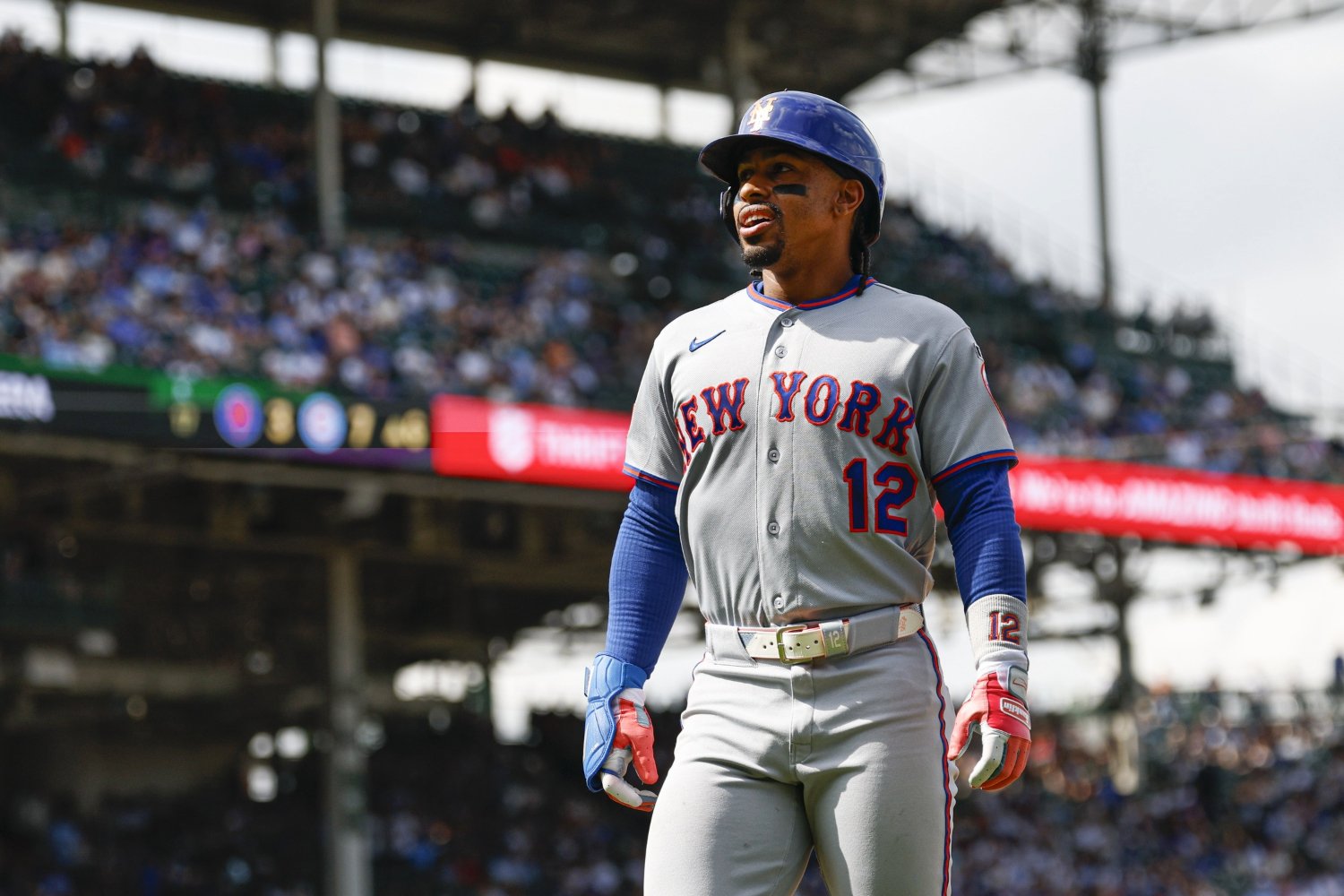 The New York Mets have had to navigate through injuries and unexpected circumstances all year. Even though they have gotten Kodai Senga back from the injured list, they are still dealing with a whole lot of absences. We have listed them all here, sorted by expected timeline. New York Mets' Updated Injury Report: Expected Timelines for Return We'll start with players who should return to Queens before or around the All-Star break, though note that any setbacks can obviously shift these timelines in the wrong direction. Mets Players Who Should Return Soon SS Francisco Lindor The Mets shortstop has been out since April 22 with a calf strain, but is finally starting to turn a corner in his rehab. He played three innings in a simulated game on Monday and could be days away from starting a rehab assignment in the minor leagues, per MLB.com, should additional sim games go well. He had a 93 wRC+ with two homers and two steals in 24 games before hitting the injured list. His return would definitely represent a boost for the Mets. SP Christian Scott On Monday, the Mets placed Scott on the 15-day injured list with a right hip impingement. The move is retroactive to June 12, and it’s seen as a minor issue, so there is a very good chance he makes it back before the end of the month. With a 3.10 ERA and a 1.35 WHIP, Scott had been one of the best and hottest starters on the roster for the Mets. Before allowing four runs in his most recent turn last week, he had an impressive streak of eight consecutive starts with three runs or fewer. IF Jorge Polanco Achilles issues have derailed Polanco’s season to this point. Just when he was getting ready to return, he suffered a difficult setback on June 5 and hasn’t played ever since. In fact, he has been transferred to the 60-day injured list. That, however, was seen as a procedural move. As manager Carlos Mendoza said this week, there’s still a chance Polanco resumes his rehab assignment in a matter of days, not weeks. "I heard he had a good day today, as far as like swinging the bat and all that," the manager said on Monday. "This is a day-to-day type deal." In 14 games at the MLB level this season, the infielder has a .179 batting average and a .532 OPS. IF Ronny Mauricio Mauricio is dealing with a fractured left thumb that he sustained while sliding into first base in early May. He could start a rehab assignment later this week and should be able to return this month if everything goes according to plan. The talented but inconsistent infielder was hitting .219 with a 45 wRC+ in 10 games with New York before hitting the injured list. OF Tyrone Taylor The defensive wizard in center field hit the shelf on May 26, nursing a right hip flexor strain. He resumed running on June 4 and is now performing all baseball activities, so his return is just a matter of getting back into baseball shape. Mendoza said this week that he’s already sprinting at 90 percent effort and making steady progress. Late June seems like a realistic return date for Taylor, who had a disappointing 45 wRC+ at the moment of the injury. Mets Player Who Will Be Out A While Longer OF Luis Robert Jr. Robert has been on the shelf since April 30, nursing a lumbar spine disc herniation. Last week, the outfielder said he hopes to begin running on the field this month. He still has a long way to go before he can be an option to help the Mets, because he needs to run without restrictions, face live pitching, and then go on a rehab assignment. August seems like a good bet for him if there aren’t any setbacks along the way. P Justin Hagenman Hagenman has been a valuable swingman for the Mets since 2025. Unfortunately for him, he went down during a spring training game on March 5 when he fractured a rib. The initial timeline was 4-8 weeks, so he should have returned by now. Instead, he wasn’t even throwing in early June and could be looking at next month in an absolute best-case scenario. August seems more likely, if he returns at all in 2026. SP Clay Holmes Holmes fractured his right fibula on May 16 after being hit by a comebacker. Back then, he was told he needed 6-8 weeks for the injury to heal and another six weeks to build up strength and stamina, so he’s looking at 12-14 weeks since the moment of getting hurt. That makes August a likely return target. The right-hander, owner of a 2.39 ERA in nine starts this year with the Mets, started playing light catch in June so he still has a long way to go. Mets Players Facing Long-term Absences P Tylor Megill Megill underwent Tommy John surgery in September and is already out for the entire 2026 campaign. He is under team control through 2027, so he’s focusing on having a clean, setback-free rehab in order to return to full strength next season. RP Reed Garrett Just like Megill, Garrett underwent Tommy John surgery in October and won’t be an option to return to the Mets until 2027. The steady veteran is under team control through the 2029 campaign. RP Dedniel Nunez Nunez underwent Tommy John surgery last July, so he is highly unlikely to return in 2026.
 -
Jorge Polanco's Setback Robs Mets of Possible Offensive Spark
Andres Chavez posted an article in Mets
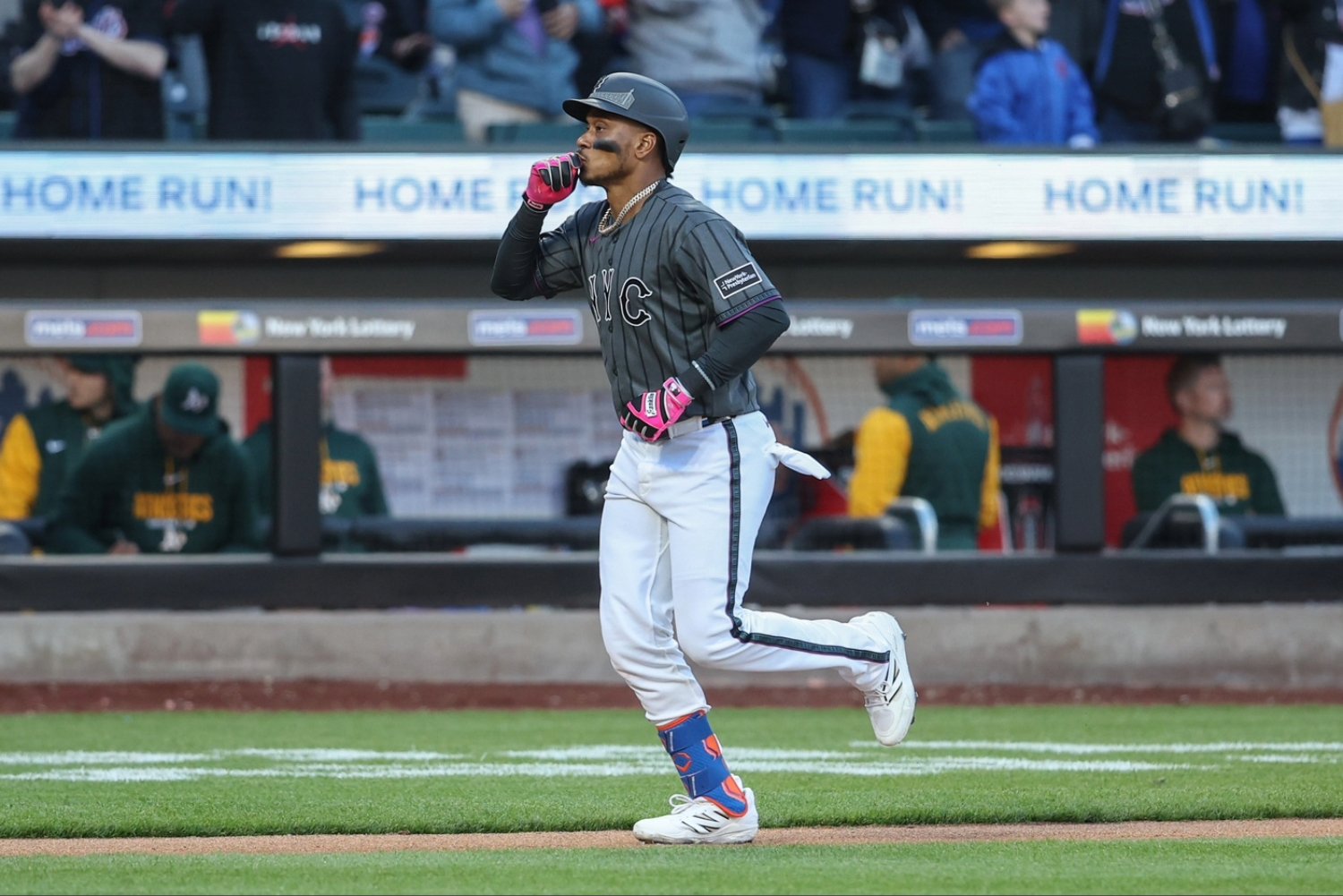 The New York Mets opened their season on March 25. Just five days later, it was reported for the first time that Jorge Polanco, their offseason signing to play first base most days, was dealing with a ‘minor’ Achilles issue. He was on and off the lineup, and on April 9, manager Carlos Mendoza said Polanco might require a trip to the injured list. On April 17, news broke that the infielder and Silver Slugger Award finalist last year with the Seattle Mariners was also dealing with a right wrist injury, an ailment that ended up sending him to the injured list a day later. He played his most recent MLB game for the Mets on April 14. Polanco has suffered a setback on his road to recovery, re-aggravating his ankle. It's unknown when he'll return to the Mets at this point in time, but his continued absence is a frustrating development. The timeline of his first symptoms and placement on the injured list was important for us to explain because they give us a better idea about the reasons behind the player’s rough start to his Mets’ tenure. It's Impossible to Separate the Injuries from Jorge Polanco's Performance Polanco hit .179/.246/.286 with one home run in 14 games and 61 plate appearances. His 53 wRC+ is way worse than the 132 mark he had last year in Seattle. It’s hard to get going with two annoying injuries nagging all the time, though, and also while learning a new position. Still, big things are expected from Polanco, especially since he set the bar so high last year. If he’s truly healthy, he still has time to turn his season around and start producing like the Mets and fans would want him to. That’s the first and most important thing on his priority list: get fully, 100 percent healthy. Once he has done that, we can start focusing on what he needs to do to actually improve on that awful stat line. As you can expect from a player who has experienced such a big drop-off in performance, Polanco’s numbers against every type of pitch have gotten worse. His struggles against fastballs, however, are stunning. Fastballs Were Killing Jorge Polanco He hit .277 with a .542 slugging percentage and a .372 xwOBA vs. fastballs last year, but this season, he is at .083 with a .083 slugging percentage and a .249 xwOBA. He has been much better against breaking balls (.284) and off-speed pitches (.288) without being particularly good at any of them, and keep in mind that the sample available is tiny. However, heaters have killed him. The origins of his struggles against fastballs this year might actually be tied to his Achilles injury. The legs are the foundation of a batter’s swing, and Polanco’s Achilles has been compromised virtually all year. Once he's closer to full health, expect him to pick it up against the most frequently thrown pitch in the league. Polanco was actually hitting lots of line drives (31.1 percent) and pulling the ball in the air at a high rate, so the ingredients for a rebound are there as long as he can improve his timing against fastballs. We shouldn't expect an immediate return to his 2025 form upon returning. That level of offensive excellence takes time, and Polanco hasn’t really had a chance to get into a groove. His latest setback may prevent that from ever happening, but with some luck, he can still make a positive impact on the Mets in 2026.
 -
Image courtesy of © Wendell Cruz-Imagn Images The New York Mets opened their season on March 25. Just five days later, it was reported for the first time that Jorge Polanco, their offseason signing to play first base most days, was dealing with a ‘minor’ Achilles issue. He was on and off the lineup, and on April 9, manager Carlos Mendoza said Polanco might require a trip to the injured list. On April 17, news broke that the infielder and Silver Slugger Award finalist last year with the Seattle Mariners was also dealing with a right wrist injury, an ailment that ended up sending him to the injured list a day later. He played his most recent MLB game for the Mets on April 14. Polanco has suffered a setback on his road to recovery, re-aggravating his ankle. It's unknown when he'll return to the Mets at this point in time, but his continued absence is a frustrating development. The timeline of his first symptoms and placement on the injured list was important for us to explain because they give us a better idea about the reasons behind the player’s rough start to his Mets’ tenure. It's Impossible to Separate the Injuries from Jorge Polanco's Performance Polanco hit .179/.246/.286 with one home run in 14 games and 61 plate appearances. His 53 wRC+ is way worse than the 132 mark he had last year in Seattle. It’s hard to get going with two annoying injuries nagging all the time, though, and also while learning a new position. Still, big things are expected from Polanco, especially since he set the bar so high last year. If he’s truly healthy, he still has time to turn his season around and start producing like the Mets and fans would want him to. That’s the first and most important thing on his priority list: get fully, 100 percent healthy. Once he has done that, we can start focusing on what he needs to do to actually improve on that awful stat line. As you can expect from a player who has experienced such a big drop-off in performance, Polanco’s numbers against every type of pitch have gotten worse. His struggles against fastballs, however, are stunning. Fastballs Were Killing Jorge Polanco He hit .277 with a .542 slugging percentage and a .372 xwOBA vs. fastballs last year, but this season, he is at .083 with a .083 slugging percentage and a .249 xwOBA. He has been much better against breaking balls (.284) and off-speed pitches (.288) without being particularly good at any of them, and keep in mind that the sample available is tiny. However, heaters have killed him. The origins of his struggles against fastballs this year might actually be tied to his Achilles injury. The legs are the foundation of a batter’s swing, and Polanco’s Achilles has been compromised virtually all year. Once he's closer to full health, expect him to pick it up against the most frequently thrown pitch in the league. Polanco was actually hitting lots of line drives (31.1 percent) and pulling the ball in the air at a high rate, so the ingredients for a rebound are there as long as he can improve his timing against fastballs. We shouldn't expect an immediate return to his 2025 form upon returning. That level of offensive excellence takes time, and Polanco hasn’t really had a chance to get into a groove. His latest setback may prevent that from ever happening, but with some luck, he can still make a positive impact on the Mets in 2026. View full article
-
Image courtesy of © Brad Penner-Imagn Images Luke Weaver, one of the New York Mets’ stellar relief pitching signings in the offseason, allowed two runs in an April 30 outing against the Washington Nationals, completing a seven-game stretch in which he allowed eight earned runs in seven frames, for a 10.29 ERA. After that, however, his improvement has been undeniable. Following that rough stretch that started on April 9 and finished at the end of the month, Weaver has been excellent and has managed to lower his season ERA to a fine 3.22 (with a 3.38 FIP) in 22.1 innings. That’s certainly an improvement over the 3.62 ERA he had last season, one that masked a rough September in which he posted a 9.64 ERA. As you can see, the lack of a reliable breaking ball might always result in some inconsistency, but the right-hander has been able to right the ship in recent weeks for the Mets and he deserves credit for it. A Perfect Stretch Since that April 30 outing, the changeup artist has been perfect in May. This month, he has an immaculate 0.00 ERA in 10.1 innings, with six hits allowed, four walks, and a whopping 15 strikeouts. His 1.63 FIP over that span suggests that it has been more skill than luck, too. We can divide Weaver’s 2026 campaign so far into three parts: a successful start in which he posted five straight scoreless appearances until April 7, the aforementioned struggles between April 9 and 30, and his most recent stretch of dominance. Again, consistency might not be his middle name, but when Weaver is healthy and has gotten into a nice rhythm, he is a solid setup man, even if his repertoire is a bit unorthodox. If he can somehow make enough strides with his cutter, he might be able to increase his ceiling. It’s much easier said than done, though. Weaver’s four-seam fastball and changeup have returned a .269 and a .228 xwOBA, respectively. The cutter, on the other hand, has a much worse .536 xwOBA. This metric tries to describe performance based on quantity and quality of contact, which suggests that this specific pitch has lacked command and has been rocked by hitters. Luke Weaver Has His Limitations The problem with Weaver is that while his changeup has some filthy movement, we have seen what hitters can do to it when they are sitting on it. So, he needs elite fastball command or for that cutter to improve if he’s going to hit his ceiling. Despite having stretches in which he looks borderline unplayable, Weaver has certainly salvaged his career with his move to the bullpen. The Mets decided to invest, and all things considered, it’s fair to say their faith has been rewarded with his performance so far. Even with the occasional meltdown, Weaver has proven he can be a solid eighth-inning guy or a high-leverage weapon for the Mets. He has certainly been on a nice run in May, and for the sake of the team, they should hope that it continues. View full article
-
Luke Weaver's May Resurgence Is Proof Things Can Get Better For Mets
Andres Chavez posted an article in Mets
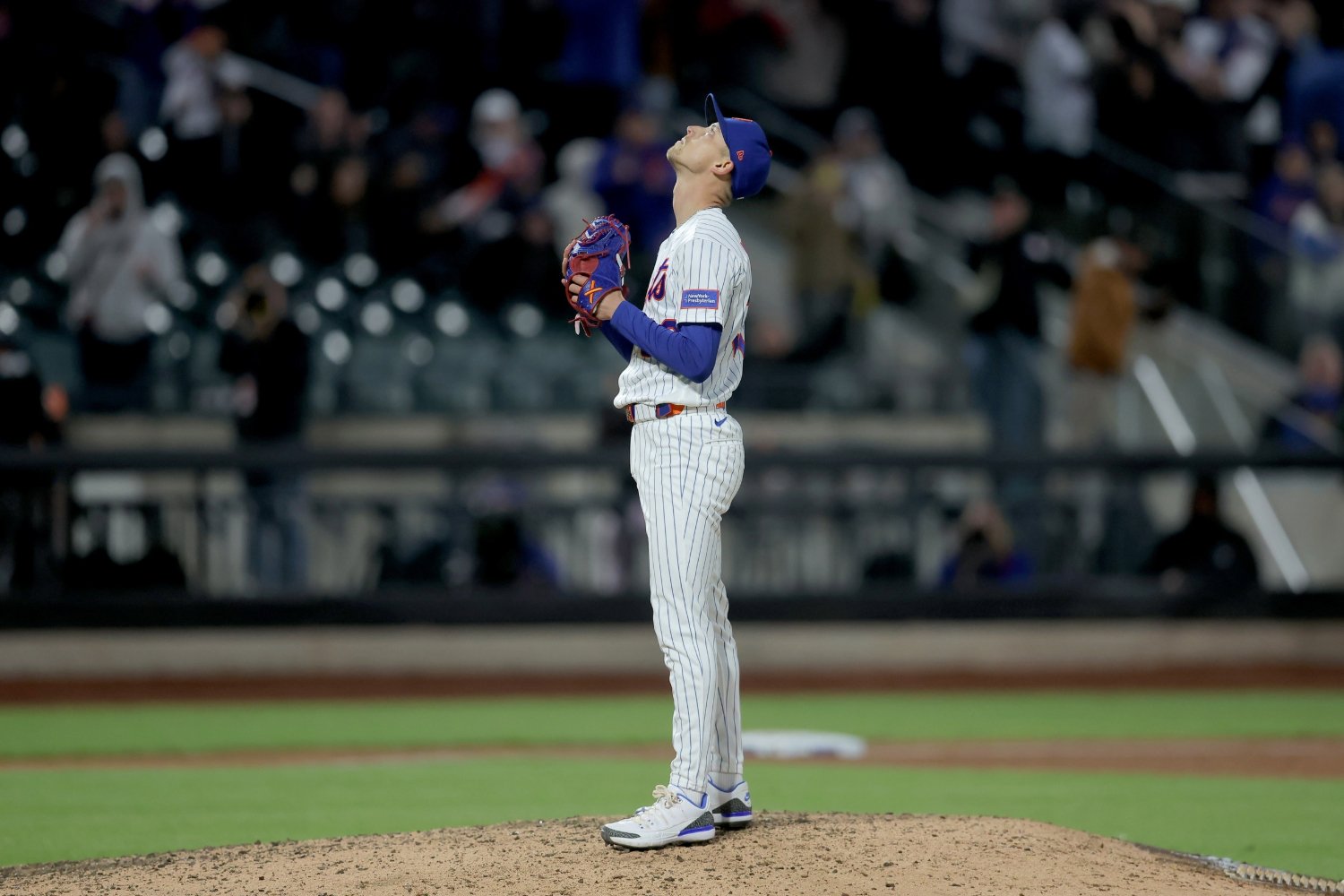 Luke Weaver, one of the New York Mets’ stellar relief pitching signings in the offseason, allowed two runs in an April 30 outing against the Washington Nationals, completing a seven-game stretch in which he allowed eight earned runs in seven frames, for a 10.29 ERA. After that, however, his improvement has been undeniable. Following that rough stretch that started on April 9 and finished at the end of the month, Weaver has been excellent and has managed to lower his season ERA to a fine 3.22 (with a 3.38 FIP) in 22.1 innings. That’s certainly an improvement over the 3.62 ERA he had last season, one that masked a rough September in which he posted a 9.64 ERA. As you can see, the lack of a reliable breaking ball might always result in some inconsistency, but the right-hander has been able to right the ship in recent weeks for the Mets and he deserves credit for it. A Perfect Stretch Since that April 30 outing, the changeup artist has been perfect in May. This month, he has an immaculate 0.00 ERA in 10.1 innings, with six hits allowed, four walks, and a whopping 15 strikeouts. His 1.63 FIP over that span suggests that it has been more skill than luck, too. We can divide Weaver’s 2026 campaign so far into three parts: a successful start in which he posted five straight scoreless appearances until April 7, the aforementioned struggles between April 9 and 30, and his most recent stretch of dominance. Again, consistency might not be his middle name, but when Weaver is healthy and has gotten into a nice rhythm, he is a solid setup man, even if his repertoire is a bit unorthodox. If he can somehow make enough strides with his cutter, he might be able to increase his ceiling. It’s much easier said than done, though. Weaver’s four-seam fastball and changeup have returned a .269 and a .228 xwOBA, respectively. The cutter, on the other hand, has a much worse .536 xwOBA. This metric tries to describe performance based on quantity and quality of contact, which suggests that this specific pitch has lacked command and has been rocked by hitters. Luke Weaver Has His Limitations The problem with Weaver is that while his changeup has some filthy movement, we have seen what hitters can do to it when they are sitting on it. So, he needs elite fastball command or for that cutter to improve if he’s going to hit his ceiling. Despite having stretches in which he looks borderline unplayable, Weaver has certainly salvaged his career with his move to the bullpen. The Mets decided to invest, and all things considered, it’s fair to say their faith has been rewarded with his performance so far. Even with the occasional meltdown, Weaver has proven he can be a solid eighth-inning guy or a high-leverage weapon for the Mets. He has certainly been on a nice run in May, and for the sake of the team, they should hope that it continues.
 -
Image courtesy of © Brad Mills-Imagn Images Not many things have gone right for the 2026 New York Mets, although they do have a 7-3 record in their last 10 games. They are still dancing around last place in the NL East, and to say that injuries have treated them poorly would be an understatement. Brooks Raley, however, has been a bright spot in an otherwise forgettable first couple of months in Queens. He is the perfect example of how an MLB pitcher can dominate at the highest level with well below-average velocity. The 37-year-old veteran ranks in the third percentile in fastball (or, in his case, sinker) velocity, but that 89.7 mph on average and his excellent secondary stuff have allowed him to rank in the 83rd percentile in strikeout rate, with 27.3 percent. Those stats were before taking the mound on Thursday and tossing a scoreless frame in the Mets' win over the Nationals, adding two punchouts to his season line. Brooks Raley Is the King of Contact Management How do you explain that kind of contrast? Usually, high velocity is directly correlated with a high strikeout rate, but Raley defies the odds in that department. He does it thanks to a unique pitch mix and a brilliant contact management profile. Most of Raley’s pitches are sweepers, a pitch he throws roughly 45 percent of the time. The sinker is second in his arsenal at 23 percent, and he rounds out his repertoire with a cutter (19 percent) and a changeup (13 percent). That stuff has helped him post an incredible 1.40 ERA in 19.1 innings of work in 2026. The walks, eight, have been a tad high, but they have been offset by his 23 punchouts to this point. Not only does Raley strike out lots of hitters, but he is also a master when it comes to managing contact. His 31.3 percent hard-hit rate is good enough to put him in the 87th percentile among all MLB pitchers, and it’s far from a fluke; his career mark is 28 percent. He limits hard contact like very few hurlers in baseball. A Run-Prevention Asset The Mets have certainly benefited from Raley’s reliability and overall excellence. Heading into the weekend, New York had the tenth-best bullpen ERA at 3.48, so you can see how the left-hander alone has positively influenced that number. Entering Thursday, Raley was third among Mets’ relievers with 0.3 fWAR, behind Devin Williams and Huascar Brazoban and tied with Luke Weaver. He has the best ERA among his peers on the team, though. Unlike some of the best lefties in the game, Raley can actually get right-handed hitters out consistently, which enables the manager to use him in almost any situation. He has a 13.3 K-BB% vs. lefty hitters, and a much better 19.1 mark against righties this season. All things considered, Raley has been a surprising asset for the Mets’ bullpen and figures to be a key pitcher in the upcoming weeks as they push to get out of their early-season hole. View full article
-
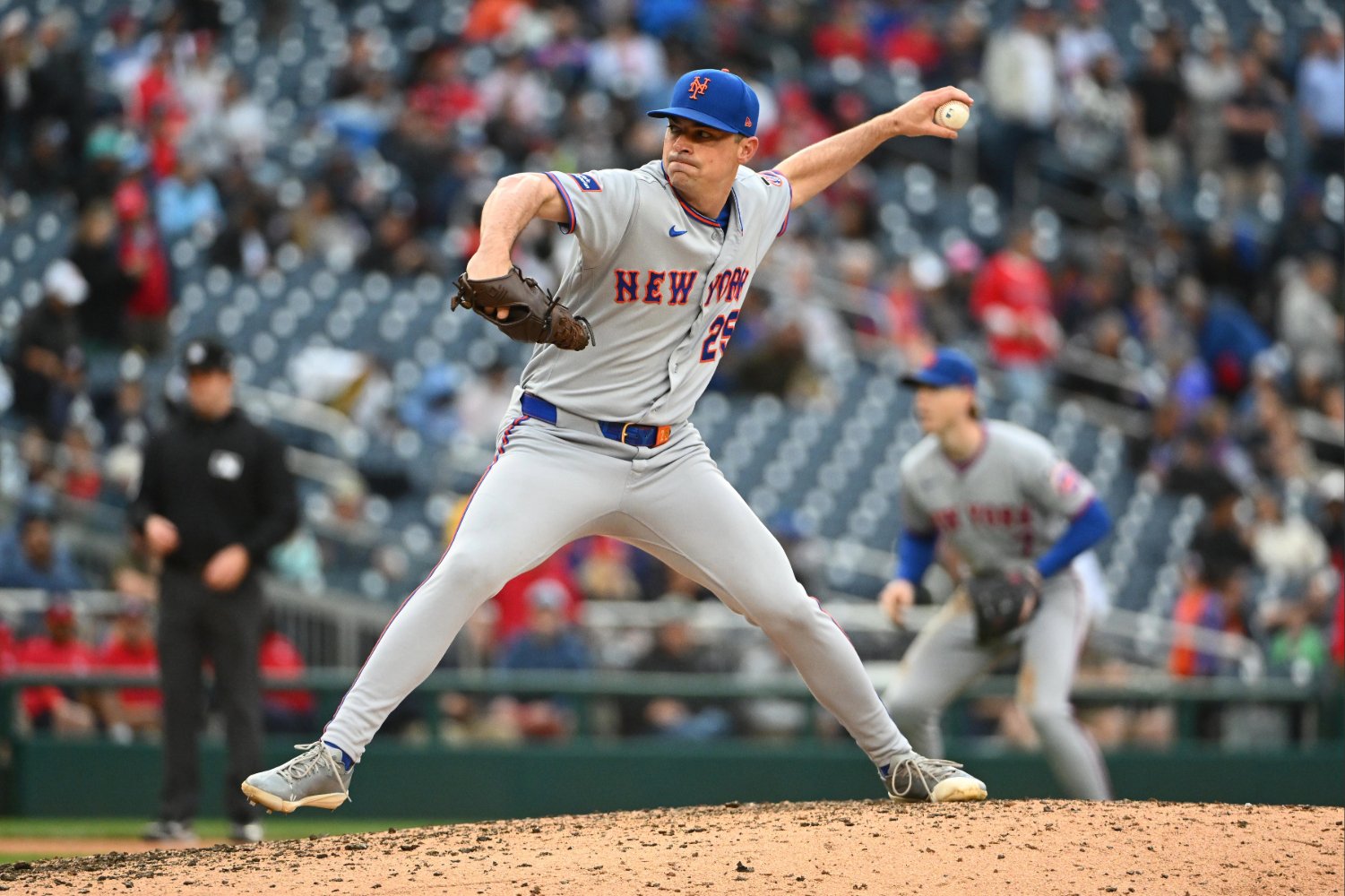 Not many things have gone right for the 2026 New York Mets, although they do have a 7-3 record in their last 10 games. They are still dancing around last place in the NL East, and to say that injuries have treated them poorly would be an understatement. Brooks Raley, however, has been a bright spot in an otherwise forgettable first couple of months in Queens. He is the perfect example of how an MLB pitcher can dominate at the highest level with well below-average velocity. The 37-year-old veteran ranks in the third percentile in fastball (or, in his case, sinker) velocity, but that 89.7 mph on average and his excellent secondary stuff have allowed him to rank in the 83rd percentile in strikeout rate, with 27.3 percent. Those stats were before taking the mound on Thursday and tossing a scoreless frame in the Mets' win over the Nationals, adding two punchouts to his season line. Brooks Raley Is the King of Contact Management How do you explain that kind of contrast? Usually, high velocity is directly correlated with a high strikeout rate, but Raley defies the odds in that department. He does it thanks to a unique pitch mix and a brilliant contact management profile. Most of Raley’s pitches are sweepers, a pitch he throws roughly 45 percent of the time. The sinker is second in his arsenal at 23 percent, and he rounds out his repertoire with a cutter (19 percent) and a changeup (13 percent). That stuff has helped him post an incredible 1.40 ERA in 19.1 innings of work in 2026. The walks, eight, have been a tad high, but they have been offset by his 23 punchouts to this point. Not only does Raley strike out lots of hitters, but he is also a master when it comes to managing contact. His 31.3 percent hard-hit rate is good enough to put him in the 87th percentile among all MLB pitchers, and it’s far from a fluke; his career mark is 28 percent. He limits hard contact like very few hurlers in baseball. A Run-Prevention Asset The Mets have certainly benefited from Raley’s reliability and overall excellence. Heading into the weekend, New York had the tenth-best bullpen ERA at 3.48, so you can see how the left-hander alone has positively influenced that number. Entering Thursday, Raley was third among Mets’ relievers with 0.3 fWAR, behind Devin Williams and Huascar Brazoban and tied with Luke Weaver. He has the best ERA among his peers on the team, though. Unlike some of the best lefties in the game, Raley can actually get right-handed hitters out consistently, which enables the manager to use him in almost any situation. He has a 13.3 K-BB% vs. lefty hitters, and a much better 19.1 mark against righties this season. All things considered, Raley has been a surprising asset for the Mets’ bullpen and figures to be a key pitcher in the upcoming weeks as they push to get out of their early-season hole.
 -
Image courtesy of © Mark J. Rebilas-Imagn Images The New York Mets entered the week of May 11 as the worst team in the league with a 15-25 record and a .375 winning percentage. That’s certainly not where owner Steven Cohen, president of baseball operations David Stearns, and manager Carlos Mendoza wanted to be after almost a month and a half into the season. The offense has been the main culprit of the mediocre Mets season, as they are dead last in wRC+ with an 81 mark. It’s baffling how a team with such a talented collection of hitters manages to underperform almost on a daily basis. In fact, things have been so bad that MJ Melendez leads the Mets in wRC+ among hitters with at least 50 plate appearances, with a 143 mark. He has played almost exclusively against right-handers, which is why he isn’t quite an everyday guy, but who knows where New York would be without him? Understanding MJ Melendez's Jekyll-and-Hyde Season Melendez is slashing a solid .271/.352/.500 with two home runs in 55 trips to the plate. That’s the good news. The bad news is that it doesn’t look all that sustainable if we look at his plate discipline profile. An accurate way to put Melendez’s current stat line would be a savage fight between his quality of contact and his plate discipline metrics. The former is aided by a 63.3 percent hard-hit rate, a 95.7 mph average exit velocity, and a 16.7 percent barrel rate. The latter, however, paints a grim picture. Melendez’s 30.8 percent chase rate is below-average, but it’s not nearly as problematic as his horrible 37.1 percent whiff rate, which would be among the league’s worst if he were a qualified hitter. The situation results in a 34.5 percent strikeout rate, which certainly doesn’t portend a continuation of his .271 batting average. You can tell that Melendez has been getting away with some luck, judging by his .407 batting average on balls in play (BABIP) and his .290 xwOBA, which pales in comparison to his .374 wOBA. Expected stats say that the lefty-hitting slugger should have a .191 batting average and a .372 slugging percentage. So, yes, Melendez is punishing the ball when he hits it, but in reality, that hasn’t happened that often. In fact, he hasn’t swung that often, with his 47.9 percent swing rate qualifying as his lowest mark since 2023. He is trying to be ‘patient’ at the plate, as his 27.3 percent first-pitch swing rate is the lowest of his career. In the process, he has been letting a lot of hittable balls go by, as his 69.2 percent meatball swing rate is considerably lower than the league average of 76.2 percent and his career mark of 82.7 percent. Melendez’s 33.3 pull air percentage, however, is one of the highest in the league. To sum up, he often takes pitches, trying to find the right one, and when he does, his intention is to put up a powerful swing to his pull side. It seems that, in the process, he has lost a lot of his contact skills, which weren’t great to begin with. Of course, these are all conclusions based on a limited sample, so it might as well just be some unfiltered noise. But it will be interesting to see where Melendez’s 2026 tendencies take him, and if he can keep thriving with such a selective approach at the plate. View full article
-
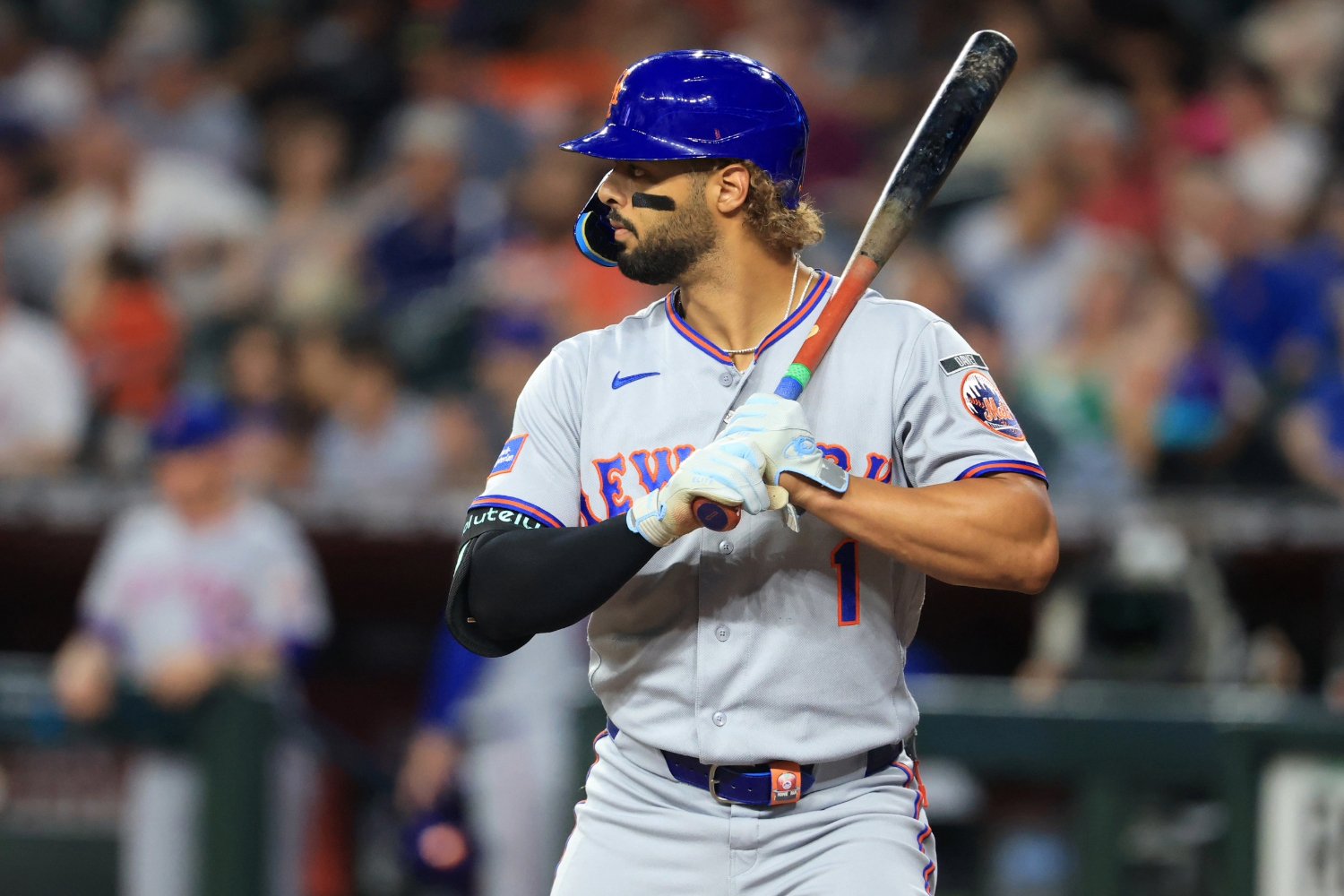 The New York Mets entered the week of May 11 as the worst team in the league with a 15-25 record and a .375 winning percentage. That’s certainly not where owner Steven Cohen, president of baseball operations David Stearns, and manager Carlos Mendoza wanted to be after almost a month and a half into the season. The offense has been the main culprit of the mediocre Mets season, as they are dead last in wRC+ with an 81 mark. It’s baffling how a team with such a talented collection of hitters manages to underperform almost on a daily basis. In fact, things have been so bad that MJ Melendez leads the Mets in wRC+ among hitters with at least 50 plate appearances, with a 143 mark. He has played almost exclusively against right-handers, which is why he isn’t quite an everyday guy, but who knows where New York would be without him? Understanding MJ Melendez's Jekyll-and-Hyde Season Melendez is slashing a solid .271/.352/.500 with two home runs in 55 trips to the plate. That’s the good news. The bad news is that it doesn’t look all that sustainable if we look at his plate discipline profile. An accurate way to put Melendez’s current stat line would be a savage fight between his quality of contact and his plate discipline metrics. The former is aided by a 63.3 percent hard-hit rate, a 95.7 mph average exit velocity, and a 16.7 percent barrel rate. The latter, however, paints a grim picture. Melendez’s 30.8 percent chase rate is below-average, but it’s not nearly as problematic as his horrible 37.1 percent whiff rate, which would be among the league’s worst if he were a qualified hitter. The situation results in a 34.5 percent strikeout rate, which certainly doesn’t portend a continuation of his .271 batting average. You can tell that Melendez has been getting away with some luck, judging by his .407 batting average on balls in play (BABIP) and his .290 xwOBA, which pales in comparison to his .374 wOBA. Expected stats say that the lefty-hitting slugger should have a .191 batting average and a .372 slugging percentage. So, yes, Melendez is punishing the ball when he hits it, but in reality, that hasn’t happened that often. In fact, he hasn’t swung that often, with his 47.9 percent swing rate qualifying as his lowest mark since 2023. He is trying to be ‘patient’ at the plate, as his 27.3 percent first-pitch swing rate is the lowest of his career. In the process, he has been letting a lot of hittable balls go by, as his 69.2 percent meatball swing rate is considerably lower than the league average of 76.2 percent and his career mark of 82.7 percent. Melendez’s 33.3 pull air percentage, however, is one of the highest in the league. To sum up, he often takes pitches, trying to find the right one, and when he does, his intention is to put up a powerful swing to his pull side. It seems that, in the process, he has lost a lot of his contact skills, which weren’t great to begin with. Of course, these are all conclusions based on a limited sample, so it might as well just be some unfiltered noise. But it will be interesting to see where Melendez’s 2026 tendencies take him, and if he can keep thriving with such a selective approach at the plate.
 -
Image courtesy of © Wendell Cruz-Imagn Images Back in the offseason, the New York Mets signed legendary closer and future Hall of Famer Craig Kimbrel to a minor-league deal with an invitation to spring training. When he didn’t make the team out of camp, people started to question whether the experiment was worth it and whether he would choose to stay and win a spot. He stuck around and, on April 11, the Mets called him up to see if he could, at least, replicate the form he showed in a brief stint with the Houston Astros after the Atlanta Braves designated him for assignment last year; in Houston, Kimbrel posted a 2.45 ERA in 11 innings, striking out 16 and walking six. That kind of reliever certainly has a home in a major-league bullpen. Is Kimbrel still of at least that caliber? Can Craig Kimbrel Still Get MLB Hitters Out? The Mets knew that the soon-to-be 38-year-old wasn’t a flamethrower anymore, but they believed he could still get MLB hitters out and, so far, they have been proven right. In seven games and 6.1 frames, the right-hander has a 4.26 ERA that comes with a much better 2.04 FIP. He has fanned eight and walked three, with a fastball averaging 93.1 mph. That’s a bit slower than last year’s 93.5 mph on average, but not catastrophically so. Can the Mets, whose bullpen has actually produced a decent 3.69 ERA that ranks ninth in baseball, keep counting on Kimbrel being a serviceable MLB-caliber reliever? Well, yes, but it depends on expectations. If you are expecting Kimbrel to return to being the pitcher that terrorized hitters and posted ERAs below 3.00 year in and year out while flirting with a 40 percent strikeout rate, you will be disappointed. If you lower the bar a bit and simply look for someone who can bridge the gap from the rotation to the leverage guys, then we may have a winner on our hands. Kimbrel can still miss some bats, but there are a few developments to pay attention to. His four-seamer currently has a 29.7 percent whiff rate, which is not bad, and his sweeper is getting swings and misses at a 50 percent rate, which is excellent but likely to go down a bit with a larger sample. The knuckle curve, one of his signature pitches, still hasn’t generated a whiff, though. It’s just 6.1 innings. The sample is tiny, almost too small to matter. But it’s worth monitoring that knuckle curve and its ability to miss bats, as Kimbrel’s success this year could hinge on it. It's important to note, however, that he can still pump his four-seamer up to the 96 mph range up in the zone when he needs to: Kimbrel Is Allowing Too Many Line Drives Another important development around Kimbrel is his groundball and fly ball ratios. From 2011 to 2015, the man with 440 saves was a groundball and strikeout behemoth. Then, from 2016 to this point, he morphed into a fly ball inducer, also with lots of punchouts, of course. This year, he has given up 0.60 groundballs for every ball in the air. That’s actually not that far from the trend that started in 2016, but the problem is that he is surrendering lots of line drives at the moment. A 40 percent line drive rate is just too high to think he can get away with it over a long stretch of games, and if he wants to achieve sustained success this year with the Mets, it will have to come down. If the contact in the air starts going further, Kimbrel is going to become unplayable. For now, all things considered, the profile is good enough for Kimbrel to be a good middle reliever, and that’s not bad considering age and other circumstances. Overall, the Mets should be happy with what they have gotten out of their former nemesis. View full article
-
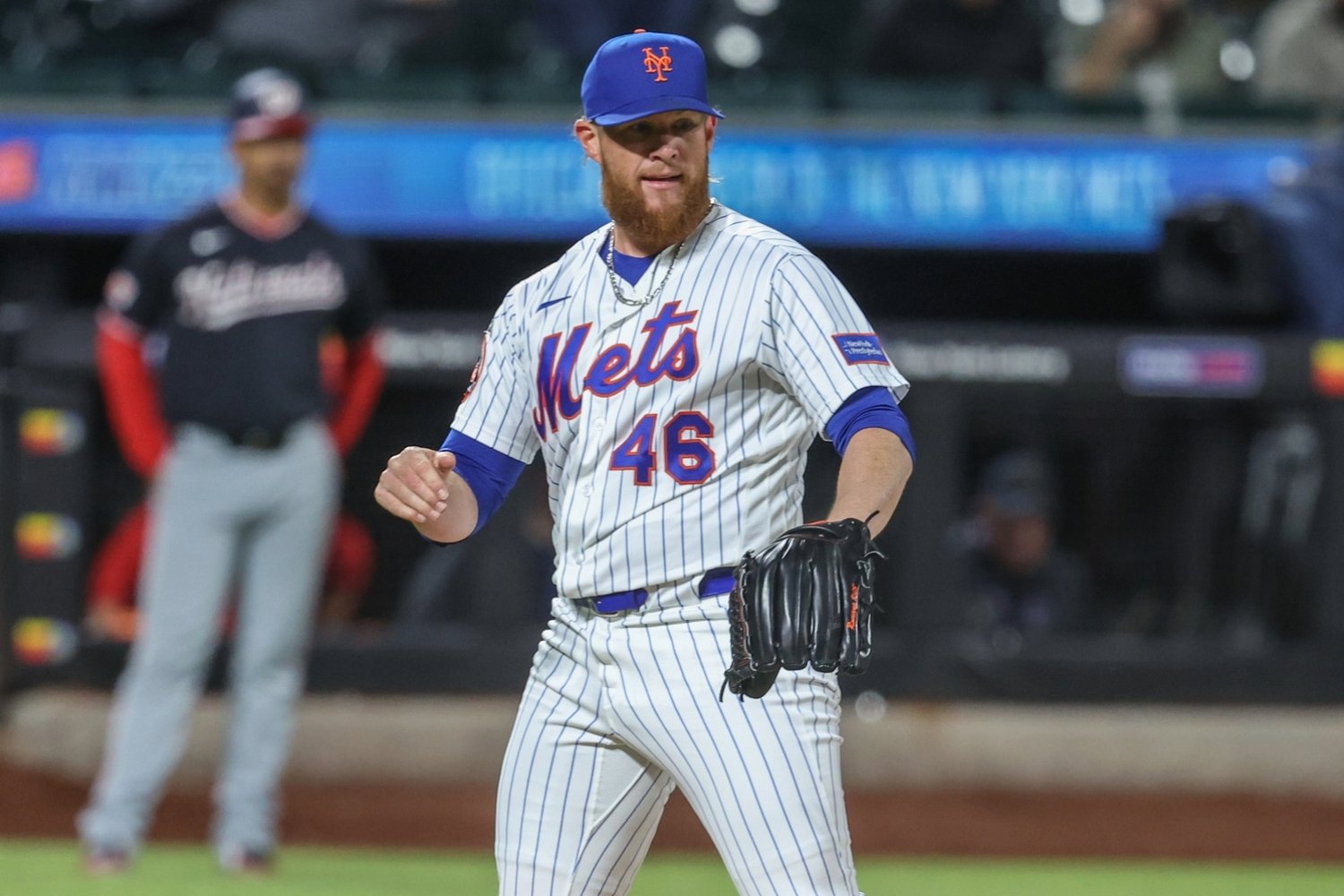 Back in the offseason, the New York Mets signed legendary closer and future Hall of Famer Craig Kimbrel to a minor-league deal with an invitation to spring training. When he didn’t make the team out of camp, people started to question whether the experiment was worth it and whether he would choose to stay and win a spot. He stuck around and, on April 11, the Mets called him up to see if he could, at least, replicate the form he showed in a brief stint with the Houston Astros after the Atlanta Braves designated him for assignment last year; in Houston, Kimbrel posted a 2.45 ERA in 11 innings, striking out 16 and walking six. That kind of reliever certainly has a home in a major-league bullpen. Is Kimbrel still of at least that caliber? Can Craig Kimbrel Still Get MLB Hitters Out? The Mets knew that the soon-to-be 38-year-old wasn’t a flamethrower anymore, but they believed he could still get MLB hitters out and, so far, they have been proven right. In seven games and 6.1 frames, the right-hander has a 4.26 ERA that comes with a much better 2.04 FIP. He has fanned eight and walked three, with a fastball averaging 93.1 mph. That’s a bit slower than last year’s 93.5 mph on average, but not catastrophically so. Can the Mets, whose bullpen has actually produced a decent 3.69 ERA that ranks ninth in baseball, keep counting on Kimbrel being a serviceable MLB-caliber reliever? Well, yes, but it depends on expectations. If you are expecting Kimbrel to return to being the pitcher that terrorized hitters and posted ERAs below 3.00 year in and year out while flirting with a 40 percent strikeout rate, you will be disappointed. If you lower the bar a bit and simply look for someone who can bridge the gap from the rotation to the leverage guys, then we may have a winner on our hands. Kimbrel can still miss some bats, but there are a few developments to pay attention to. His four-seamer currently has a 29.7 percent whiff rate, which is not bad, and his sweeper is getting swings and misses at a 50 percent rate, which is excellent but likely to go down a bit with a larger sample. The knuckle curve, one of his signature pitches, still hasn’t generated a whiff, though. It’s just 6.1 innings. The sample is tiny, almost too small to matter. But it’s worth monitoring that knuckle curve and its ability to miss bats, as Kimbrel’s success this year could hinge on it. It's important to note, however, that he can still pump his four-seamer up to the 96 mph range up in the zone when he needs to: Kimbrel Is Allowing Too Many Line Drives Another important development around Kimbrel is his groundball and fly ball ratios. From 2011 to 2015, the man with 440 saves was a groundball and strikeout behemoth. Then, from 2016 to this point, he morphed into a fly ball inducer, also with lots of punchouts, of course. This year, he has given up 0.60 groundballs for every ball in the air. That’s actually not that far from the trend that started in 2016, but the problem is that he is surrendering lots of line drives at the moment. A 40 percent line drive rate is just too high to think he can get away with it over a long stretch of games, and if he wants to achieve sustained success this year with the Mets, it will have to come down. If the contact in the air starts going further, Kimbrel is going to become unplayable. For now, all things considered, the profile is good enough for Kimbrel to be a good middle reliever, and that’s not bad considering age and other circumstances. Overall, the Mets should be happy with what they have gotten out of their former nemesis.
 -
Image courtesy of © Wendell Cruz-Imagn Images The New York Mets were expected to be a World Series contender before the start of the season. That can still be the case eventually, but saying that they look the part would be a lie of laughable proportions. They are, heading into May, last in the NL East with a 10-21 record. That’s the worst in baseball, in case you were wondering. If they have won 10 games to this point, it’s certainly not because of their woeful lineup, ranked dead last in baseball with an 80 wRC+. It’s because of their pitching, which has actually been pretty decent with a 4.17 ERA that ranks 15th among 30 teams. There have been a few standout performers from the mound, both in the bullpen and starting five. So, let's try and hide our shame while rewarding the three that stood out above the rest. Ranking New York Mets' Top 3 Pitchers in April 2026 #3: Tobias Myers 9 G (1 GS), 2.33 ERA, 19.1 IP, 3 BB, 16 K We could have gone with Huascar Brazoban or Brooks Raley here, but let’s stick with the newcomer Myers, who has been an asset in a multi-inning role from the bullpen. The ‘secondary piece’ of the Freddy Peralta deal has a 2.33 ERA and a 3.29 Fielding Independent Pitching (FIP) in 19.1 innings, spread over nine games. Myers has shown he can thrive in any role, and that versatility has been excellent for the Mets’ pitching staff during these tough times. The best part of his statistical profile is that he doesn’t give away any walks, with a beautiful 4.2 percent free-pass rate. #2: Clay Holmes 6 GS, 1.75 ERA, 36 IP, 11 BB, 25 K Many fans and members of the media will probably consider Holmes the best pitcher of the Mets in April, and it’s hard to blame them. The guy, after all, has a 1.75 ERA, the fifth-best mark among qualified MLB starters before Friday’s games. Holmes hasn’t struck out that many hitters, with his 17.6 percent rate ranking in the 24th percentile, but has thrived with an elite groundball rate (58.1 percent, in the 93rd percentile). He has ditched his slider to bring back a curveball to his arsenal for the first time since 2021, and it’s paying dividends. #1: Nolan McLean 6 GS, 2.55 ERA, 35.1 IP, 10 BB, 45 K Despite having a higher ERA than Holmes, McLean has been the more impressive of the two and takes the unofficial crown given to the Mets’ pitcher of the month. Simply put, the young right-hander has blossomed into an ace, and nobody can dispute it anymore. He boasts an elite 2.55 ERA with an even-better 2.26 FIP, suggesting that the best may be yet to come for the rookie sensation. McLean has struck out 33.3 percent of the hitters he has faced this year, against just a 7.4 percent walk rate, an unequivocal proof of his dominance. He is tied for fifth in MLB with 1.3 fWAR among all qualified pitchers. Peralta is excellent, and Holmes has made an amazing transition to starting pitching. However, there’s no question that the Mets want McLean on the mound in a do-or-die game... should they ever get that far this year. Honorable Mentions: Freddy Peralta, Brooks Raley, Huascar Brazoban View full article
-
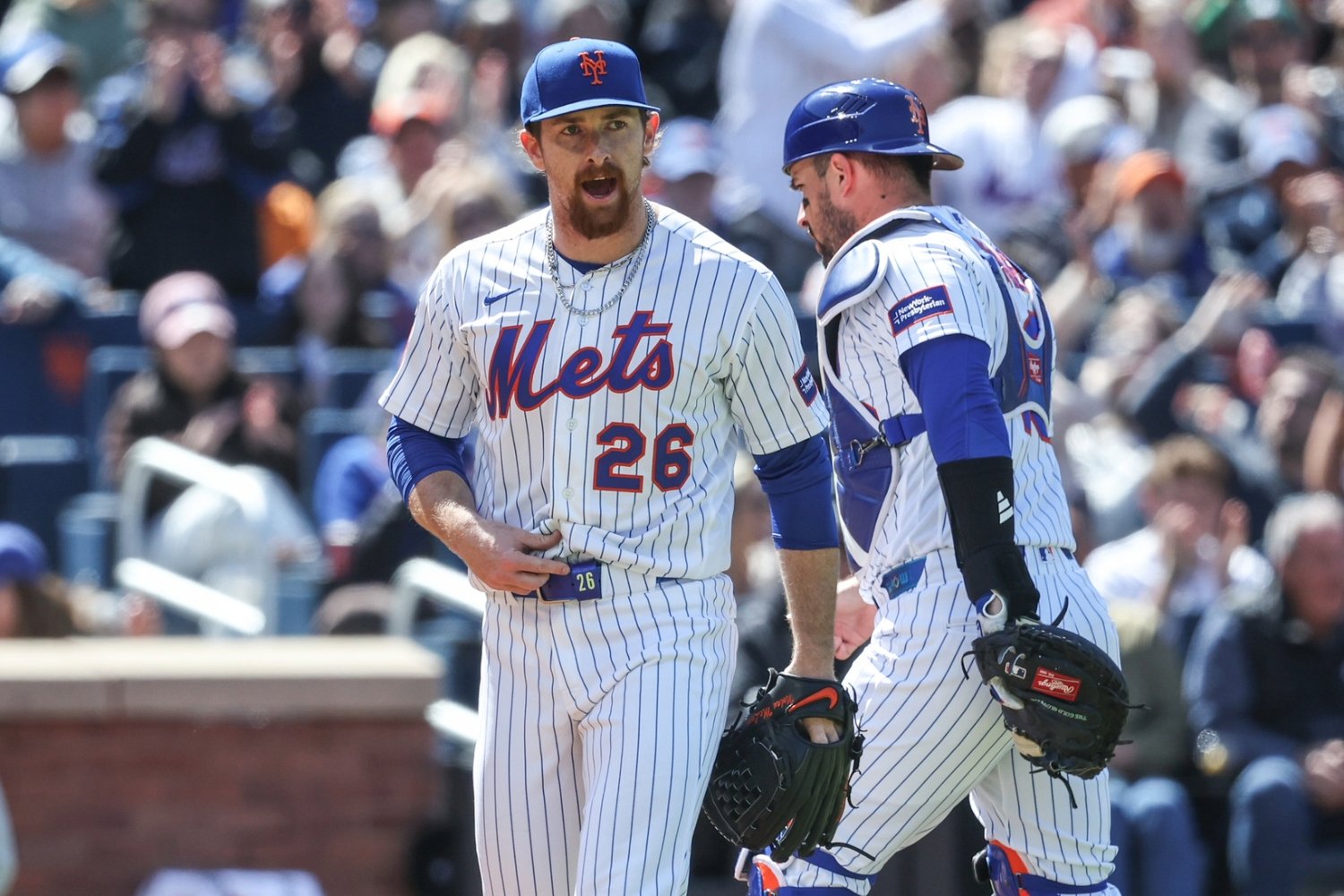 The New York Mets were expected to be a World Series contender before the start of the season. That can still be the case eventually, but saying that they look the part would be a lie of laughable proportions. They are, heading into May, last in the NL East with a 10-21 record. That’s the worst in baseball, in case you were wondering. If they have won 10 games to this point, it’s certainly not because of their woeful lineup, ranked dead last in baseball with an 80 wRC+. It’s because of their pitching, which has actually been pretty decent with a 4.17 ERA that ranks 15th among 30 teams. There have been a few standout performers from the mound, both in the bullpen and starting five. So, let's try and hide our shame while rewarding the three that stood out above the rest. Ranking New York Mets' Top 3 Pitchers in April 2026 #3: Tobias Myers 9 G (1 GS), 2.33 ERA, 19.1 IP, 3 BB, 16 K We could have gone with Huascar Brazoban or Brooks Raley here, but let’s stick with the newcomer Myers, who has been an asset in a multi-inning role from the bullpen. The ‘secondary piece’ of the Freddy Peralta deal has a 2.33 ERA and a 3.29 Fielding Independent Pitching (FIP) in 19.1 innings, spread over nine games. Myers has shown he can thrive in any role, and that versatility has been excellent for the Mets’ pitching staff during these tough times. The best part of his statistical profile is that he doesn’t give away any walks, with a beautiful 4.2 percent free-pass rate. #2: Clay Holmes 6 GS, 1.75 ERA, 36 IP, 11 BB, 25 K Many fans and members of the media will probably consider Holmes the best pitcher of the Mets in April, and it’s hard to blame them. The guy, after all, has a 1.75 ERA, the fifth-best mark among qualified MLB starters before Friday’s games. Holmes hasn’t struck out that many hitters, with his 17.6 percent rate ranking in the 24th percentile, but has thrived with an elite groundball rate (58.1 percent, in the 93rd percentile). He has ditched his slider to bring back a curveball to his arsenal for the first time since 2021, and it’s paying dividends. #1: Nolan McLean 6 GS, 2.55 ERA, 35.1 IP, 10 BB, 45 K Despite having a higher ERA than Holmes, McLean has been the more impressive of the two and takes the unofficial crown given to the Mets’ pitcher of the month. Simply put, the young right-hander has blossomed into an ace, and nobody can dispute it anymore. He boasts an elite 2.55 ERA with an even-better 2.26 FIP, suggesting that the best may be yet to come for the rookie sensation. McLean has struck out 33.3 percent of the hitters he has faced this year, against just a 7.4 percent walk rate, an unequivocal proof of his dominance. He is tied for fifth in MLB with 1.3 fWAR among all qualified pitchers. Peralta is excellent, and Holmes has made an amazing transition to starting pitching. However, there’s no question that the Mets want McLean on the mound in a do-or-die game... should they ever get that far this year. Honorable Mentions: Freddy Peralta, Brooks Raley, Huascar Brazoban
 -
Image courtesy of © Vincent Carchietta-Imagn Images Last year, Nolan McLean, Jonah Tong, and Brandon Sproat took the baseball world by storm with their summer promotions. They were universally seen as the best pitching prospects in the organization, and they all shared the spotlight in the stretch run even though the team couldn’t make it to October. McLean developed into an ace, while Sproat was traded to Milwaukee to give the team a chance to bring in Freddy Peralta. Tong continues to develop in Triple-A. And yet, there’s a forgotten guy in the system that deserves some hype, too. Christian Scott, 2024 Mets Sensation, Returns to the Spotlight We are talking about Christian Scott, who was the McLean, Sproat, or Tong of 2024 for the Mets. He was that exciting young arm that came up to the majors with the hype of a top prospect, and mostly delivered with a 4.56 ERA in 47.1 innings. Unfortunately, he underwent Tommy John surgery in September 2024 and missed the entire 2025 campaign rehabbing. Now back to full health and after a few starts in Triple-A and a rocky 2026 debut last week, Scott is getting another chance to prove he belongs in the majors when he faces a middling Los Angeles Angels lineup on Friday. That game last week, on April 23, was a disaster. Scott couldn’t find the zone and walked five of the ten batters he faced, allowing one earned run in 1.1 innings, with no hits and one strikeout. It was, without a doubt, one of the weirdest stat lines you will see all year. Maybe it was the nerves getting the best of him after returning to the highest level after such a long layoff, but on Friday, Scott will get the opportunity of a lifetime. He gets a chance to prove he can be a viable MLB starter after having his elbow reconstructed. He gets to prove that jitters won’t be a recurring issue. His 5.27 ERA in 13.1 innings in Triple-A might seem high, but it’s a little deceitful, as he has a healthy 17/2 K/BB ratio. In his brief outing in the majors last week, Scott’s fastball averaged 95.5 mph, higher than the 94.2 mph he had in 2024. The velocity is fully back. Now, he will have to prove the command is, too. Christian Scott's Splits Issue Besides his mid-90s fastball, Scott will use a cutter/gyro slider mostly against lefties, and a sweeper to neutralize righties. Additionally, he will use a sinker and a splitter. Keeping lefties at bay will be one of his biggest challenges. In 2024, they hit .333 off him, while righties had a batting average of .167. It’s certainly something to keep in mind, although it helps that most of the Angels’ best hitters are right-handed. If the fastball command returns, Scott could be a nice mid-rotation arm for the Mets in the short and long term, attacking the high part of the zone with the heater with no fear: That will be the key to his success, as it will allow him to get himself in favorable counts and use his solid secondary stuff, or use the fastball itself to go for the kill. A return to form from Scott could be a transformational development for the Mets, both in 2026 and beyond. View full article
-
Christian Scott Returns To the Mets' Mound With A Chip On His Shoulder
Andres Chavez posted an article in Mets
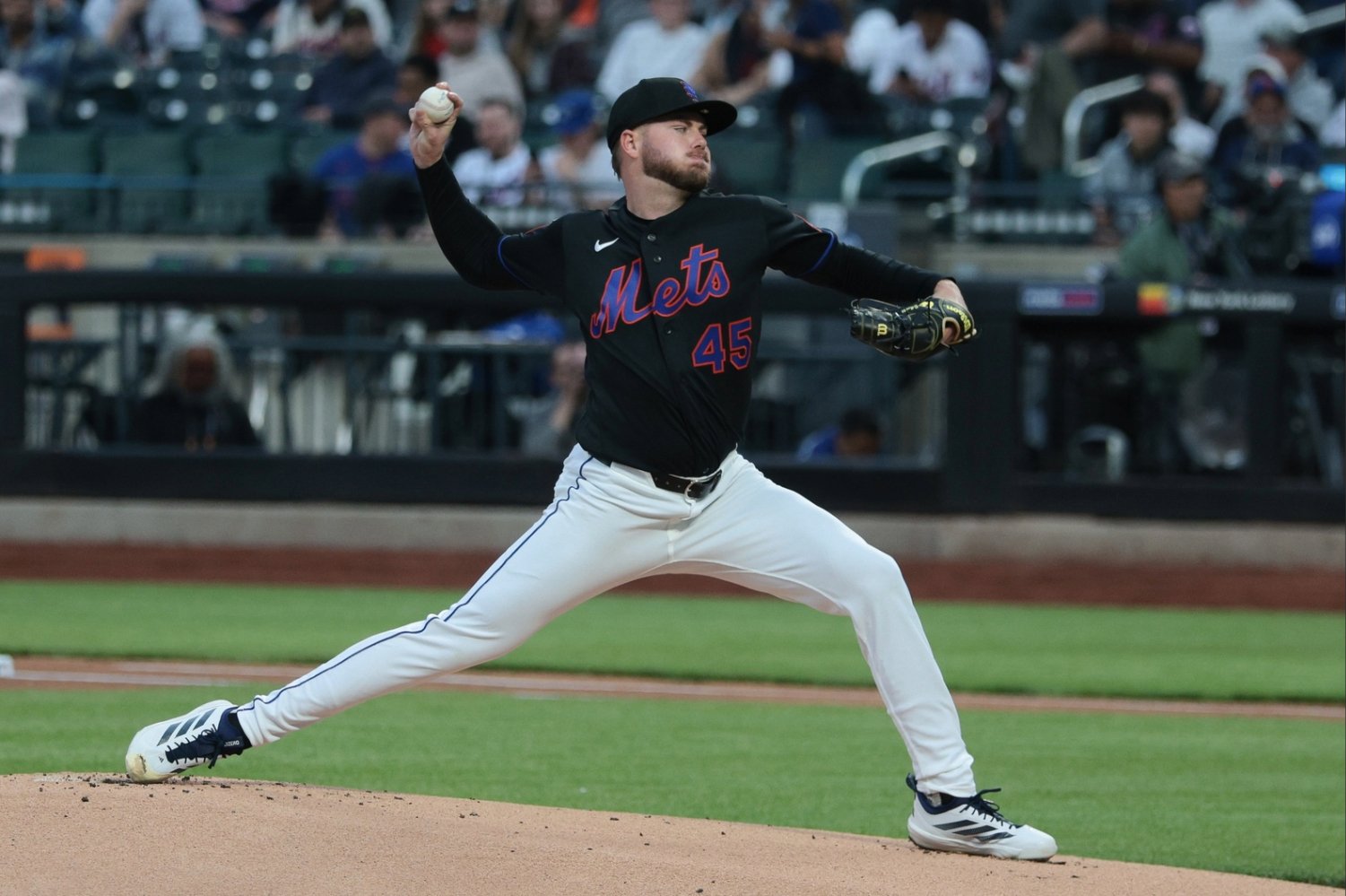 Last year, Nolan McLean, Jonah Tong, and Brandon Sproat took the baseball world by storm with their summer promotions. They were universally seen as the best pitching prospects in the organization, and they all shared the spotlight in the stretch run even though the team couldn’t make it to October. McLean developed into an ace, while Sproat was traded to Milwaukee to give the team a chance to bring in Freddy Peralta. Tong continues to develop in Triple-A. And yet, there’s a forgotten guy in the system that deserves some hype, too. Christian Scott, 2024 Mets Sensation, Returns to the Spotlight We are talking about Christian Scott, who was the McLean, Sproat, or Tong of 2024 for the Mets. He was that exciting young arm that came up to the majors with the hype of a top prospect, and mostly delivered with a 4.56 ERA in 47.1 innings. Unfortunately, he underwent Tommy John surgery in September 2024 and missed the entire 2025 campaign rehabbing. Now back to full health and after a few starts in Triple-A and a rocky 2026 debut last week, Scott is getting another chance to prove he belongs in the majors when he faces a middling Los Angeles Angels lineup on Friday. That game last week, on April 23, was a disaster. Scott couldn’t find the zone and walked five of the ten batters he faced, allowing one earned run in 1.1 innings, with no hits and one strikeout. It was, without a doubt, one of the weirdest stat lines you will see all year. Maybe it was the nerves getting the best of him after returning to the highest level after such a long layoff, but on Friday, Scott will get the opportunity of a lifetime. He gets a chance to prove he can be a viable MLB starter after having his elbow reconstructed. He gets to prove that jitters won’t be a recurring issue. His 5.27 ERA in 13.1 innings in Triple-A might seem high, but it’s a little deceitful, as he has a healthy 17/2 K/BB ratio. In his brief outing in the majors last week, Scott’s fastball averaged 95.5 mph, higher than the 94.2 mph he had in 2024. The velocity is fully back. Now, he will have to prove the command is, too. Christian Scott's Splits Issue Besides his mid-90s fastball, Scott will use a cutter/gyro slider mostly against lefties, and a sweeper to neutralize righties. Additionally, he will use a sinker and a splitter. Keeping lefties at bay will be one of his biggest challenges. In 2024, they hit .333 off him, while righties had a batting average of .167. It’s certainly something to keep in mind, although it helps that most of the Angels’ best hitters are right-handed. If the fastball command returns, Scott could be a nice mid-rotation arm for the Mets in the short and long term, attacking the high part of the zone with the heater with no fear: That will be the key to his success, as it will allow him to get himself in favorable counts and use his solid secondary stuff, or use the fastball itself to go for the kill. A return to form from Scott could be a transformational development for the Mets, both in 2026 and beyond.
 -
Image courtesy of © Wendell Cruz-Imagn Images Back on April 15, we took a look at the Mets’ catching tandem and praised Francisco Alvarez for his offensive prowess. Back then, his 179 wRC+ ranked eighth in baseball among players with a minimum of 50 plate appearances. He was on top of the world, leading his team in home runs and showing why he is one of the best up-and-coming talents in the National League. He is, after all, just 24. Since then, however, Alvarez’s offensive numbers have crashed, and his wRC+ is now barely above the league average, at 107. From April 14 until April 29, he hit a rough .139/.238/.167 with no home runs, only one run scored, and a 24 wRC+. Yes, you read that right. It’s not that he has been unlucky during that time, as his .201 wOBA is very close to his .219 xwOBA. What's going on? Francisco Alvarez Has Stopped Hitting the Ball Hard What has happened to Alvarez since the middle of the month? Well, his 21.4 percent strikeout rate over that stretch isn’t alarmingly high, but his 28.6 percent hard-hit rate is alarmingly low, much worse than his 39.1 percent mark for the season and the 54.3 percent he had last season. He hasn’t been squaring up the ball for a couple of weeks now and his numbers have suffered as a result. Alvarez is also expanding the zone a bit more this year. Last season, he had a 27.7 O-Swing%, or percentage of swings on pitches out of the zone. It’s up to 31.3 percent this year, and 32.7 percent since April 14. There are other issues, too. This year, Alvarez has feasted on off-speed pitches (.569 wOBA, .482 xwOBA), much like last season. However, his .183 wOBA vs. breaking pitches has been a problem, and even if his .247 xwOBA against that specific pitch type suggests some positive regression is on the horizon, it’s still bad. He is also slugging just .333 vs. fastballs, down from .488 in 2025. A Stunning Reverse Split Threatens To Sink Alvarez's Season One curious development while looking over Alvarez’s stats and splits is his stunning ineffectiveness against left-handers. He is showing a reverse split, which is incredibly rare: against lefties, he is sporting a horrible 60 wRC+, while he is at 123 against righties. Over the course of his career, he does have a higher wRC+ vs. righties, at 107, than he does while facing southpaws (102). However, this year’s gap is astonishing, and, frankly, puzzling. Perhaps Alvarez has had problems picking up the ball against certain lefties at specific angles this year, or perhaps his approach against such pitchers has gone haywire. However, this smells like small-sample noise, which means his fortunes should change for the better, at least against southpaws. There’s no reason for his performance while facing lefties to fall so calamitously during his prime. All things considered, Alvarez does need to change some recent habits, such as chasing breaking pitches out of the zone. He should be fine over the long haul, though: let’s not forget he is a 24-year-old catcher coming off a highly productive season last year. View full article
-
Francisco Alvarez Has Crashed Back Down To Earth After Hot Start
Andres Chavez posted an article in Mets
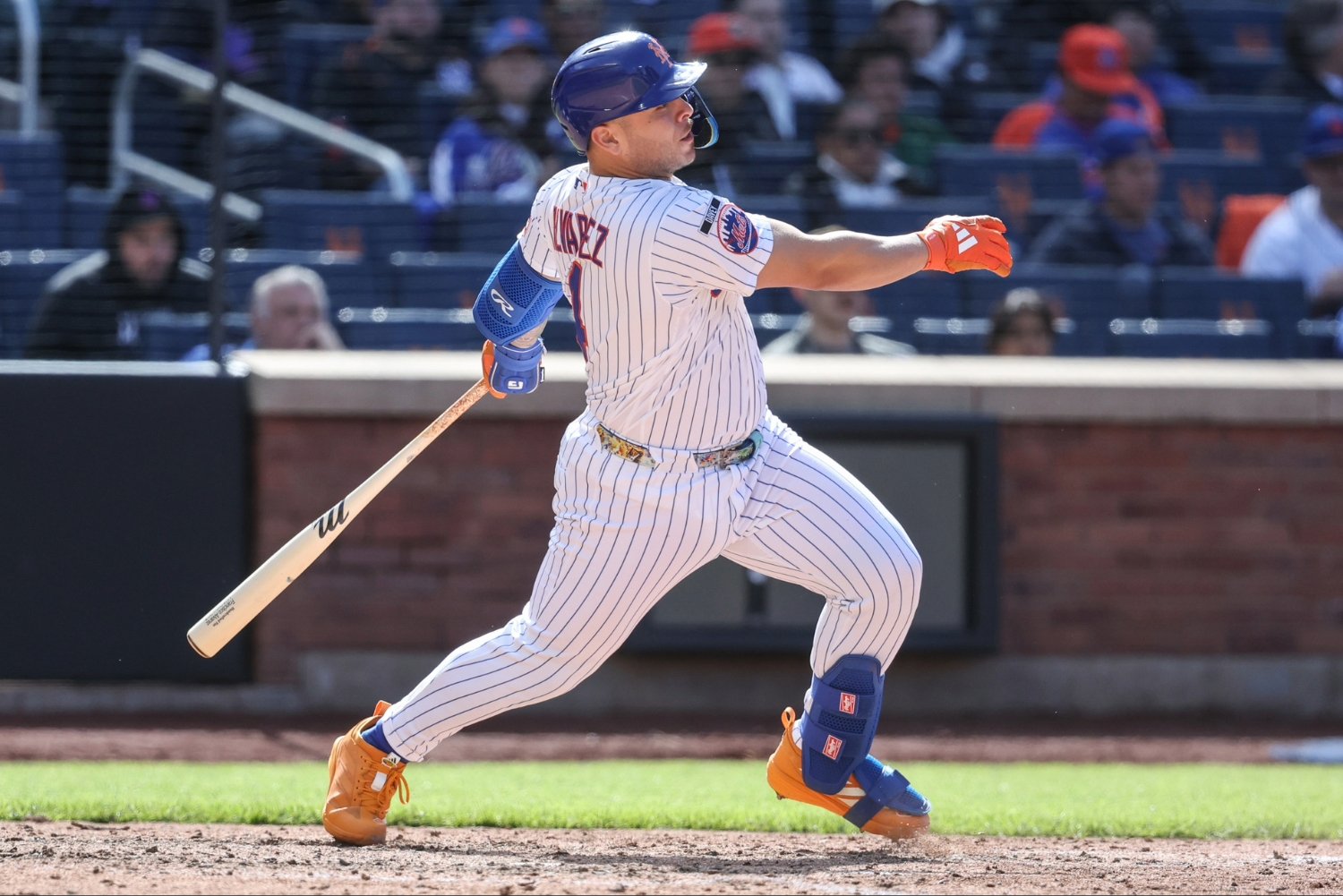 Back on April 15, we took a look at the Mets’ catching tandem and praised Francisco Alvarez for his offensive prowess. Back then, his 179 wRC+ ranked eighth in baseball among players with a minimum of 50 plate appearances. He was on top of the world, leading his team in home runs and showing why he is one of the best up-and-coming talents in the National League. He is, after all, just 24. Since then, however, Alvarez’s offensive numbers have crashed, and his wRC+ is now barely above the league average, at 107. From April 14 until April 29, he hit a rough .139/.238/.167 with no home runs, only one run scored, and a 24 wRC+. Yes, you read that right. It’s not that he has been unlucky during that time, as his .201 wOBA is very close to his .219 xwOBA. What's going on? Francisco Alvarez Has Stopped Hitting the Ball Hard What has happened to Alvarez since the middle of the month? Well, his 21.4 percent strikeout rate over that stretch isn’t alarmingly high, but his 28.6 percent hard-hit rate is alarmingly low, much worse than his 39.1 percent mark for the season and the 54.3 percent he had last season. He hasn’t been squaring up the ball for a couple of weeks now and his numbers have suffered as a result. Alvarez is also expanding the zone a bit more this year. Last season, he had a 27.7 O-Swing%, or percentage of swings on pitches out of the zone. It’s up to 31.3 percent this year, and 32.7 percent since April 14. There are other issues, too. This year, Alvarez has feasted on off-speed pitches (.569 wOBA, .482 xwOBA), much like last season. However, his .183 wOBA vs. breaking pitches has been a problem, and even if his .247 xwOBA against that specific pitch type suggests some positive regression is on the horizon, it’s still bad. He is also slugging just .333 vs. fastballs, down from .488 in 2025. A Stunning Reverse Split Threatens To Sink Alvarez's Season One curious development while looking over Alvarez’s stats and splits is his stunning ineffectiveness against left-handers. He is showing a reverse split, which is incredibly rare: against lefties, he is sporting a horrible 60 wRC+, while he is at 123 against righties. Over the course of his career, he does have a higher wRC+ vs. righties, at 107, than he does while facing southpaws (102). However, this year’s gap is astonishing, and, frankly, puzzling. Perhaps Alvarez has had problems picking up the ball against certain lefties at specific angles this year, or perhaps his approach against such pitchers has gone haywire. However, this smells like small-sample noise, which means his fortunes should change for the better, at least against southpaws. There’s no reason for his performance while facing lefties to fall so calamitously during his prime. All things considered, Alvarez does need to change some recent habits, such as chasing breaking pitches out of the zone. He should be fine over the long haul, though: let’s not forget he is a 24-year-old catcher coming off a highly productive season last year.
 -
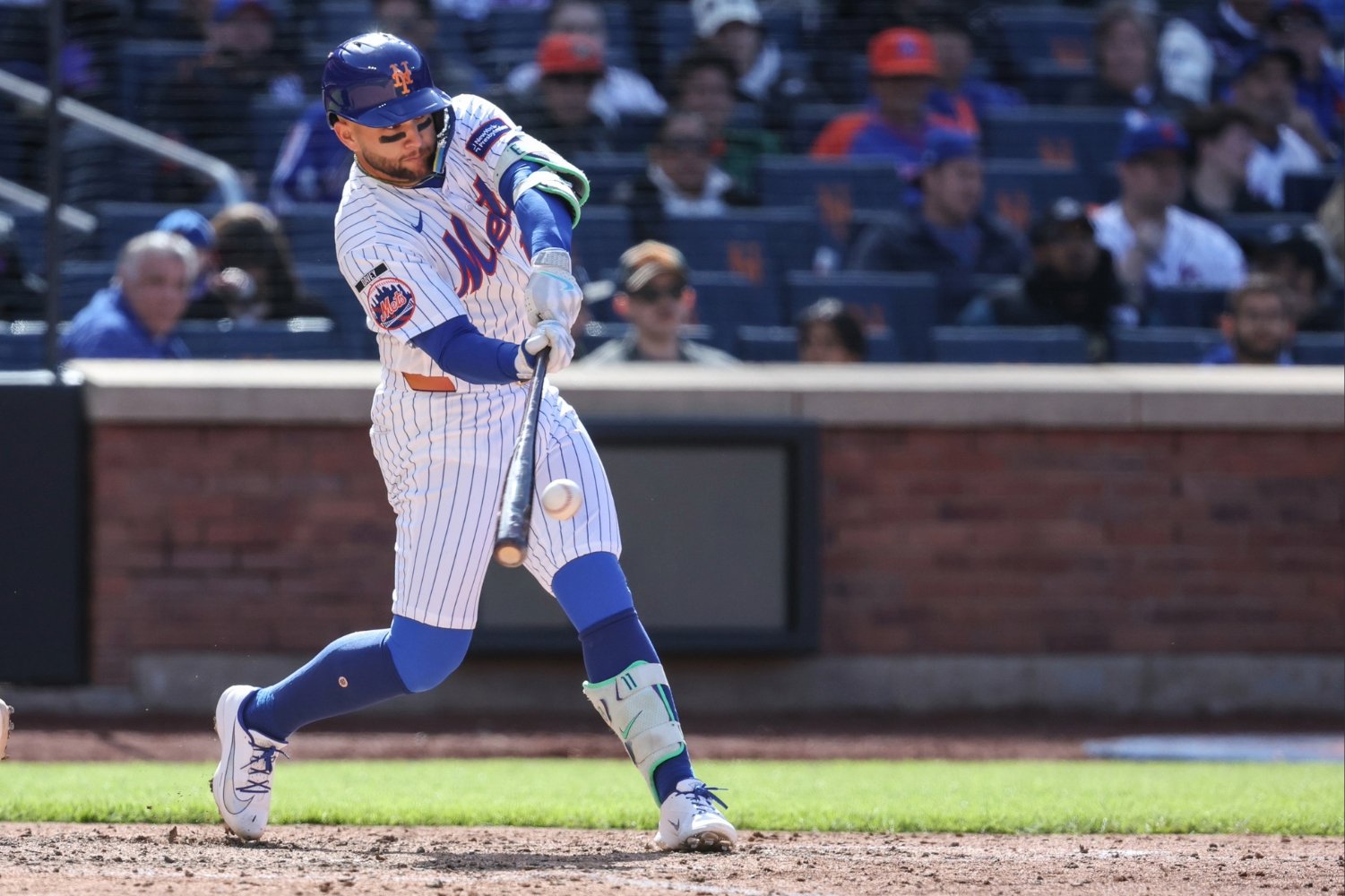 New York Mets star infielder Bo Bichette has gotten plenty of criticism for failing to produce the numbers that a $126 million player should. Coming over as one of the star offseason signings of the team, he has slumped to a 61 wRC+ in 28 games and 123 plate appearances. That performance is not worthy of a man who hit .311 last year with a 134 wRC+. However, and even though it may not feel like it at times, Bichette has actually improved a bit in recent games. He has hit safely in five of his last six games, and in nine of his last 11. Bichette had just two hits and one walk in his first five games, covering 24 plate appearances, but since the calendar flipped to April, he hasn’t been as bad as you might think, as his .276 batting average, 92 wRC+, and .332 xwOBA (prior to the doubleheader against the Rockies) are all passable. That’s certainly not vintage Bichette, but not the disaster it might seem sometimes. Bo Bichette's Shocking Power Outage There are a few problems with Bichette’s play up to this point, though. The first and most obvious one is that the power hasn’t been there this year, with just one homer in 123 trips to the plate. A career-high 54.8 percent groundball rate might help explain this; it’s hard to hit the ball out of the park if more than half of your batted balls are to the ground. Bichette is not exactly a pull-heavy slugger, but he is running a six percent pull AIR %, one of the lowest figures in the league. That may also be contributing to the power drought. On top of the power outage, Bichette is also striking out significantly more often than last year. His 22.0-percent strikeout rate is not exactly alarming, but for a guy with little power to speak of, it’s definitely noisy. It’s only slightly higher than his career 19.5 percent mark, but considerably worse than last year’s 14.5 percent. Why Bo Bichette Could Be About To Turn His Season Around Even if the totals and the season-long rate stats don’t look good, Bichette might be on the verge of putting together a strong run if the Mets are patient. He is still consistently hitting the ball hard, with a 45.2 percent mark that ranks in the 69th percentile, which is pumping up his expected batting average to .288 (85th percentile). His 76th percentile average exit velocity is also promising. The best thing of all is that the production is starting to match the underlying stats, even if the sample is tiny. Over his last four games prior to Sunday's doubleheader, Bichette slashed a strong .353/.353/.471 with a 133 wRC+. Over that span, he had two doubles, four runs scored, three RBI, and a stolen base. On Thursday, he had this incredibly clutch bases-clearing, go-ahead double that helped the Mets win their second game in a row after their 12-game losing streak. Of course, you could see in the celebration that he cares. To put it simply: Bichette needs to start pulling some balls and hitting them in the air with authority, whether they are line drives or fly balls. He is not fully out of the woods until we see him sustain a nice run over a significant stretch, but he has started to show some signs of life, which is more than we can say about a Mets team that just got swept by the Rockies. Don’t expect him to knock 30 balls out of the park, but this is still a 20-homer, .300-batting average type of hitter in his prime. Expect the numbers to start resembling that player in due time.
 -
Image courtesy of © Wendell Cruz-Imagn Images New York Mets star infielder Bo Bichette has gotten plenty of criticism for failing to produce the numbers that a $126 million player should. Coming over as one of the star offseason signings of the team, he has slumped to a 61 wRC+ in 28 games and 123 plate appearances. That performance is not worthy of a man who hit .311 last year with a 134 wRC+. However, and even though it may not feel like it at times, Bichette has actually improved a bit in recent games. He has hit safely in five of his last six games, and in nine of his last 11. Bichette had just two hits and one walk in his first five games, covering 24 plate appearances, but since the calendar flipped to April, he hasn’t been as bad as you might think, as his .276 batting average, 92 wRC+, and .332 xwOBA (prior to the doubleheader against the Rockies) are all passable. That’s certainly not vintage Bichette, but not the disaster it might seem sometimes. Bo Bichette's Shocking Power Outage There are a few problems with Bichette’s play up to this point, though. The first and most obvious one is that the power hasn’t been there this year, with just one homer in 123 trips to the plate. A career-high 54.8 percent groundball rate might help explain this; it’s hard to hit the ball out of the park if more than half of your batted balls are to the ground. Bichette is not exactly a pull-heavy slugger, but he is running a six percent pull AIR %, one of the lowest figures in the league. That may also be contributing to the power drought. On top of the power outage, Bichette is also striking out significantly more often than last year. His 22.0-percent strikeout rate is not exactly alarming, but for a guy with little power to speak of, it’s definitely noisy. It’s only slightly higher than his career 19.5 percent mark, but considerably worse than last year’s 14.5 percent. Why Bo Bichette Could Be About To Turn His Season Around Even if the totals and the season-long rate stats don’t look good, Bichette might be on the verge of putting together a strong run if the Mets are patient. He is still consistently hitting the ball hard, with a 45.2 percent mark that ranks in the 69th percentile, which is pumping up his expected batting average to .288 (85th percentile). His 76th percentile average exit velocity is also promising. The best thing of all is that the production is starting to match the underlying stats, even if the sample is tiny. Over his last four games prior to Sunday's doubleheader, Bichette slashed a strong .353/.353/.471 with a 133 wRC+. Over that span, he had two doubles, four runs scored, three RBI, and a stolen base. On Thursday, he had this incredibly clutch bases-clearing, go-ahead double that helped the Mets win their second game in a row after their 12-game losing streak. Of course, you could see in the celebration that he cares. To put it simply: Bichette needs to start pulling some balls and hitting them in the air with authority, whether they are line drives or fly balls. He is not fully out of the woods until we see him sustain a nice run over a significant stretch, but he has started to show some signs of life, which is more than we can say about a Mets team that just got swept by the Rockies. Don’t expect him to knock 30 balls out of the park, but this is still a 20-homer, .300-batting average type of hitter in his prime. Expect the numbers to start resembling that player in due time. View full article
-
Image courtesy of © Vincent Carchietta-Imagn Images The countdown is over. After reviewing the best of the New York Mets’ farm system, we now get to analyze the cream of the crop: the top five prospects. If you missed any of the prospects ranked previously, you can find them here (6-10), here (11-15), and here (16-20). Without further ado, here are the best five prospects on the Mets, as voted by our front-page writing staff. No. 5: Ryan Clifford, 1B/OF (Triple-A Syracuse) 2025 stats: .237/.356/.470, 137 wRC+, 29 HR, 7 SB, 25.6 K%, 14.7 BB% Acquired in 2023 in the Justin Verlander trade, the 22-year-old Clifford is a powerful lefty hitter with a ton of swing and miss in his game, but also some relevant power. Last year, he hit 29 home runs between Double-A and Triple-A, and finished the 2025 season with a 137 wRC+ despite a low .237 batting average. So far in 2026, Clifford has used a recent hot streak to bump his season-long numbers up to a respectable 111 wRC+ and .813 OPS. He should continue to rake in the minors, but the way his contact skills (or lack thereof) translate to MLB is in serious question. He hits the ball hard and can certainly work a walk, as last year’s 14.7 percent rate between the two upper minor levels suggests, but he will need to cut his strikeout rate to succeed. Defensively, he can cover first base and the two outfield corners, and has respectable arm strength and range for the latter, even if he’s not a Gold Glover in the making. If given an everyday role, there are 30 home runs in Clifford’s bat in the majors. Will the rest of his offensive game develop enough for him to be an above-average offensive producer at the highest level, especially when pitchers know he struggles with breaking balls down in the zone? No. 4: Jonah Tong, SP (Triple-A Syracuse) 2025 stats: 113 2/3 IP, 1.43 ERA, 1.68 FIP, 40.5 K%, 10.6 BB%, 0.92 WHIP (Minor Leagues) 18 ⅔ IP, 7.71 ERA, 4.31 FIP, 25.3 K%, 10.3 BB%, 1.77 WHIP (MLB) Perhaps you have heard or read about Tong being compared to Tim Lincecum here or there. While it’s an obvious exaggeration and he is a long shot to have such an impactful career, Tong does bear some resemblance to the former Giants ace in pitching style. Tong boasts an explosive delivery with an incredibly high arm angle, but also excellent extension. As a result, his fastball, arguably his best pitch, has that highly sought-after ride effect, with about 20 inches of induced vertical break (IVB). He complements it with a very solid changeup that he throws with a Vulcan grip, a curveball, and a slider he rarely uses. Last year, Tong was a beast in the minors, posting a 1.43 ERA with 179 strikeouts in just 113 ⅔ innings between Double-A and Triple-A. He was then promoted to the majors, perhaps rushed because of the team's circumstances, and posted a 7.71 ERA in 18 ⅔ innings, but with a much more competent 4.31 FIP. Tong is not exactly off to a hot start in Syracuse this year, with a 5.66 ERA in 20 ⅔ innings, but remains very much in the organization’s plans, as they refused to include him in the Freddy Peralta trade. If the curveball or slider can take a step forward to join the heater and the changeup in that plus (or even plus-plus) tier, he could be something special. No. 3: A.J. Ewing, OF (Double-A Binghamton) 2025 stats: .315/.401/.429, 147 wRC+, 3 HR, 70 SB, 18.6 K%, 12.1 BB% Ewing is a 21-year-old outfielder who hasn’t had a single stint of below-average offensive play in the minor leagues since being drafted in 2023. Last year, h posted a brilliant .315/.401/.429 line in 564 plate appearances between Single-A, High-A, and Double-A, with a 147 wRC+ and a whopping 70 stolen bases. After that, he went on to put up a 169 wRC+ in spring training and is off to a blistering start in Double-A, with a 166 wRC+ in 60 trips to the plate. It’s safe to say we will see him in Triple-A soon. Ewing’s swing is not designed to hit a lot of home runs because of its downward attack angle, but he does hit a lot of liners, and ground balls for a plus-plus runner aren’t the worst idea in the world. He has star potential if he can develop 15-homer power, but even five or ten per season would make him a starter with his speed-and-defense skillset. No. 2: Carson Benge, OF (MLB) 2025 stats: .281/.385/.472, 150 wRC+, 15 HR, 22 SB, 17.7 K%, 13.1 BB% We promise you, Benge is much better than this. He can do much more than posting a .136/.219/.197 line with a 25 wRC+. Keep in mind he was probably rushed to the majors and he has just 48 games of experience above Double-A: 24 in Triple-A last year, and 20 in MLB in 2026. At his best, Benge can be a 20-20 club fixture with excellent on-base skills and a high-contact profile. Last year, between High-A, Double-A, and Triple-A, he hit 15 home runs, stole 22 bases, and posted a 150 wRC+ in just 116 games. In time, Benge will be fine. He needs to make some key adjustments, such as lifting the ball more consistently and working on his timing to do some damage on fastballs, but the potential is there for him to be an All-Star. No. 1: Nolan McLean, SP (MLB) 2025 stats: 113 2/3 IP, 2.45 ERA, 3.66 FIP, 27.2 K%, 10.7 BB%, 1.13 WHIP (Minor Leagues) 48 IP, 2.06 ERA, 2.97 FIP, 30.3 K%, 8.5 BB%, 1.04 WHIP (MLB) McLean is already an ace. There, I said it. And I don’t even feel guilty about it. With 13 MLB starts between 2025 and 2026 and a pristine 2.30 ERA in 78 ⅓ innings, I’ve seen enough. Excellent fastball velocity (95.6 mph on average this year, in the 68th percentile), a six-pitch repertoire, and a bulldog demeanor on the mound are the primary elements in his profile. His pitch-movement profile is gross (in the best way), with a sweeper that generates 20+ inches of glove-side movement and a sinker with 18 inches of arm-side movement: There isn’t much to say about McLean other than the fact that he looks ready to dominate MLB hitters for years to come. Once a two-way player, the Mets did well to get him to focus on the mound exclusively, because he is already in the top tier of young pitchers in MLB. View full article
-
New York Mets 2026 Top Prospects Rankings: Nos. 1-5
Andres Chavez posted an article in Minor Leagues
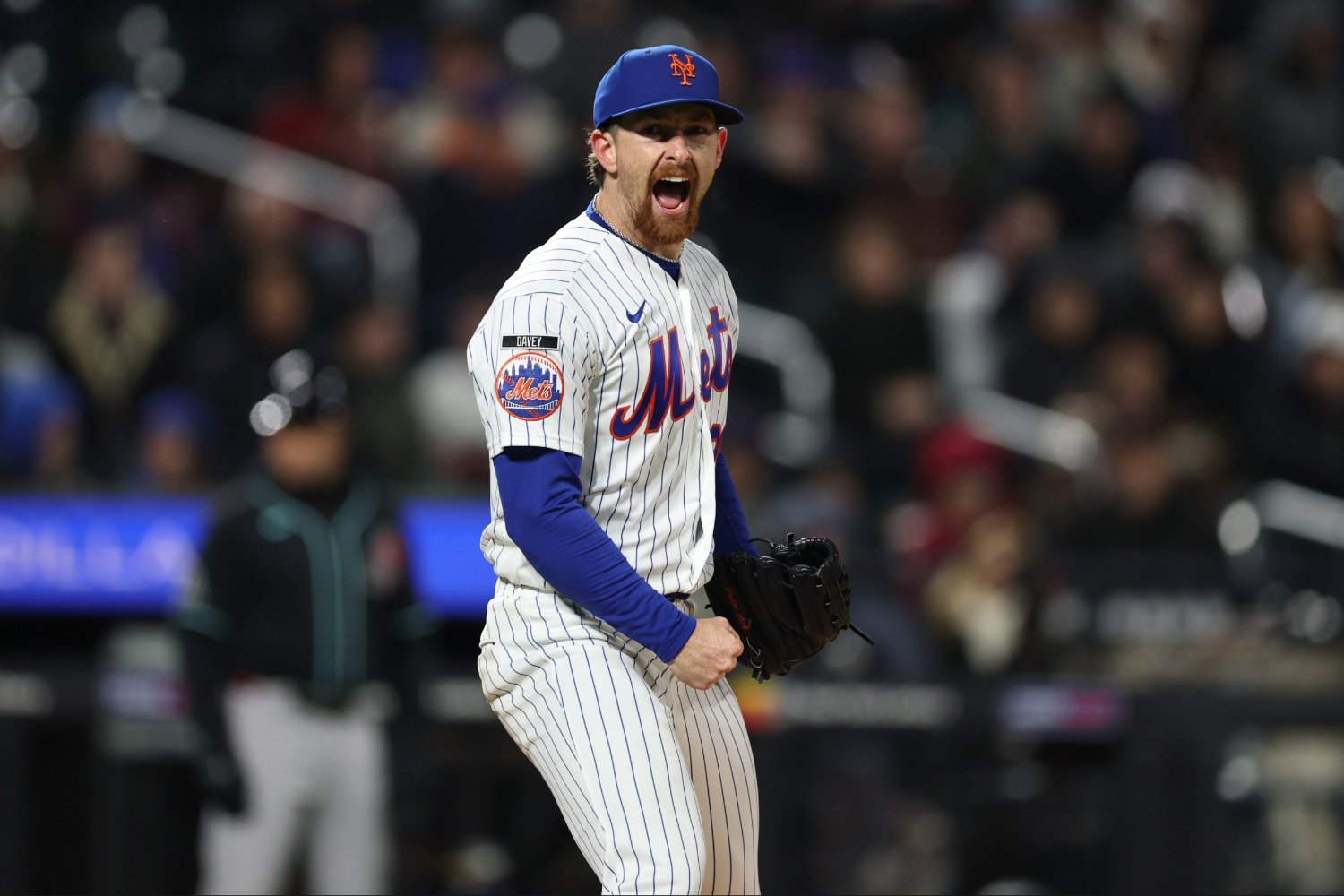 The countdown is over. After reviewing the best of the New York Mets’ farm system, we now get to analyze the cream of the crop: the top five prospects. If you missed any of the prospects ranked previously, you can find them here (6-10), here (11-15), and here (16-20). Without further ado, here are the best five prospects on the Mets, as voted by our front-page writing staff. No. 5: Ryan Clifford, 1B/OF (Triple-A Syracuse) 2025 stats: .237/.356/.470, 137 wRC+, 29 HR, 7 SB, 25.6 K%, 14.7 BB% Acquired in 2023 in the Justin Verlander trade, the 22-year-old Clifford is a powerful lefty hitter with a ton of swing and miss in his game, but also some relevant power. Last year, he hit 29 home runs between Double-A and Triple-A, and finished the 2025 season with a 137 wRC+ despite a low .237 batting average. So far in 2026, Clifford has used a recent hot streak to bump his season-long numbers up to a respectable 111 wRC+ and .813 OPS. He should continue to rake in the minors, but the way his contact skills (or lack thereof) translate to MLB is in serious question. He hits the ball hard and can certainly work a walk, as last year’s 14.7 percent rate between the two upper minor levels suggests, but he will need to cut his strikeout rate to succeed. Defensively, he can cover first base and the two outfield corners, and has respectable arm strength and range for the latter, even if he’s not a Gold Glover in the making. If given an everyday role, there are 30 home runs in Clifford’s bat in the majors. Will the rest of his offensive game develop enough for him to be an above-average offensive producer at the highest level, especially when pitchers know he struggles with breaking balls down in the zone? No. 4: Jonah Tong, SP (Triple-A Syracuse) 2025 stats: 113 2/3 IP, 1.43 ERA, 1.68 FIP, 40.5 K%, 10.6 BB%, 0.92 WHIP (Minor Leagues) 18 ⅔ IP, 7.71 ERA, 4.31 FIP, 25.3 K%, 10.3 BB%, 1.77 WHIP (MLB) Perhaps you have heard or read about Tong being compared to Tim Lincecum here or there. While it’s an obvious exaggeration and he is a long shot to have such an impactful career, Tong does bear some resemblance to the former Giants ace in pitching style. Tong boasts an explosive delivery with an incredibly high arm angle, but also excellent extension. As a result, his fastball, arguably his best pitch, has that highly sought-after ride effect, with about 20 inches of induced vertical break (IVB). He complements it with a very solid changeup that he throws with a Vulcan grip, a curveball, and a slider he rarely uses. Last year, Tong was a beast in the minors, posting a 1.43 ERA with 179 strikeouts in just 113 ⅔ innings between Double-A and Triple-A. He was then promoted to the majors, perhaps rushed because of the team's circumstances, and posted a 7.71 ERA in 18 ⅔ innings, but with a much more competent 4.31 FIP. Tong is not exactly off to a hot start in Syracuse this year, with a 5.66 ERA in 20 ⅔ innings, but remains very much in the organization’s plans, as they refused to include him in the Freddy Peralta trade. If the curveball or slider can take a step forward to join the heater and the changeup in that plus (or even plus-plus) tier, he could be something special. No. 3: A.J. Ewing, OF (Double-A Binghamton) 2025 stats: .315/.401/.429, 147 wRC+, 3 HR, 70 SB, 18.6 K%, 12.1 BB% Ewing is a 21-year-old outfielder who hasn’t had a single stint of below-average offensive play in the minor leagues since being drafted in 2023. Last year, h posted a brilliant .315/.401/.429 line in 564 plate appearances between Single-A, High-A, and Double-A, with a 147 wRC+ and a whopping 70 stolen bases. After that, he went on to put up a 169 wRC+ in spring training and is off to a blistering start in Double-A, with a 166 wRC+ in 60 trips to the plate. It’s safe to say we will see him in Triple-A soon. Ewing’s swing is not designed to hit a lot of home runs because of its downward attack angle, but he does hit a lot of liners, and ground balls for a plus-plus runner aren’t the worst idea in the world. He has star potential if he can develop 15-homer power, but even five or ten per season would make him a starter with his speed-and-defense skillset. No. 2: Carson Benge, OF (MLB) 2025 stats: .281/.385/.472, 150 wRC+, 15 HR, 22 SB, 17.7 K%, 13.1 BB% We promise you, Benge is much better than this. He can do much more than posting a .136/.219/.197 line with a 25 wRC+. Keep in mind he was probably rushed to the majors and he has just 48 games of experience above Double-A: 24 in Triple-A last year, and 20 in MLB in 2026. At his best, Benge can be a 20-20 club fixture with excellent on-base skills and a high-contact profile. Last year, between High-A, Double-A, and Triple-A, he hit 15 home runs, stole 22 bases, and posted a 150 wRC+ in just 116 games. In time, Benge will be fine. He needs to make some key adjustments, such as lifting the ball more consistently and working on his timing to do some damage on fastballs, but the potential is there for him to be an All-Star. No. 1: Nolan McLean, SP (MLB) 2025 stats: 113 2/3 IP, 2.45 ERA, 3.66 FIP, 27.2 K%, 10.7 BB%, 1.13 WHIP (Minor Leagues) 48 IP, 2.06 ERA, 2.97 FIP, 30.3 K%, 8.5 BB%, 1.04 WHIP (MLB) McLean is already an ace. There, I said it. And I don’t even feel guilty about it. With 13 MLB starts between 2025 and 2026 and a pristine 2.30 ERA in 78 ⅓ innings, I’ve seen enough. Excellent fastball velocity (95.6 mph on average this year, in the 68th percentile), a six-pitch repertoire, and a bulldog demeanor on the mound are the primary elements in his profile. His pitch-movement profile is gross (in the best way), with a sweeper that generates 20+ inches of glove-side movement and a sinker with 18 inches of arm-side movement: There isn’t much to say about McLean other than the fact that he looks ready to dominate MLB hitters for years to come. Once a two-way player, the Mets did well to get him to focus on the mound exclusively, because he is already in the top tier of young pitchers in MLB.
 -
Image courtesy of © D. Ross Cameron-Imagn Images The New York Mets are 7-15 as of the week of April 20, good for a .318 winning percentage. That’s the worst record in the league, tied with the Kansas City Royals. To think that they were 7-4 on April 7 and have lost 11 games in a row is particularly painful for fans. New York is already eight games out of first place in the NL East, and we haven’t even played one month of baseball. It’s truly baffling how difficult it has been for this team to win ball games in the last couple of weeks. The Mets have been in a total free fall since then. There’s no other way around it: this has been a brutal stretch, one that could potentially prove costly in late September. You can’t win a division or secure a postseason spot in March and April, but you can certainly lose them. Losing Juan Soto Hurt, But The Mets' Offensive Issues Don’t End There What exactly has happened? Well, many things, as you probably can expect. Since April 8, the day on which the 11-game losing streak started, they have had the worst offense in the league with a horrific 51 wRC+. In contrast, the best unit, the Atlanta Braves, is sporting a 138 mark. It’s hard to consistently win games when the entire offense is so incompetent. This is where the loss of Juan Soto to a calf injury hurts a lot. People were prematurely celebrating the fact that the Mets were 4-0 since the superstar’s injury, but now that the sample is bigger, they are 4-11, and the losses keep coming. Carson Benge is sporting a 31 wRC+ throughout the full season to this point, the same as Brett Baty. Two newcomers, Bo Bichette and Jorge Polanco, both have a 54 mark. Marcus Semien is at 76, and Mark Vientos came crashing back down to earth after a hot start and is now at 71. Only four players with regular or semi-regular playing time have been above-average offensively, and two of them are injured: Francisco Alvarez (152 wRC+), Luis Robert Jr. (118), Soto (160), and Jared Young (137), who recently suffered a meniscus tear. Yes, the Mets have faced some particularly difficult pitchers, but that shouldn’t be an excuse. Since April 8, they rank 28th out of 30 teams with seven home runs, but that’s not even the most concerning part. They are next-to-last in walk percentage with a ghastly 4.7-percent mark. You may win some games without hitting home runs, but you at least have to get people on base failing that. The (not so) Amazins are doing neither right now. Mets' Pitching Has Been Subpar If you thought the pitching outlook over the course of the streak would be better, think again. Since that fateful April 8, the Mets have the second-highest ERA in the league at 5.70. Only the Houston Astros have a worse mark. Nolan McLean and Clay Holmes have been rock-solid as starters, but the rest of the rotation has fallen short of expectations. The Mets’ main problem has been Kodai Senga and his 8.83 ERA for the season. Basically, Senga was excellent in his first two starts and horrible in the last two, so it might be just a blip. It’s worth noting that his average fastball and sinker velocity has been fluctuating a bit, and that might have something to do with his recent struggles. Since the Mets’ skid started, their bullpen boasts a 6.05 ERA, the fourth-worst in the major leagues. Devin Williams and Luke Weaver, the new faces and anchors of the unit, have been inconsistent in recent outings. The Mets have been fairly average in defensive stats across the board during their stunning collapse, but other factors have come into play, such as bad managerial decisions, baserunning gaffes, and mounting pressure. Is There Hope For The Mets? Soto is expected to return during the upcoming homestand, which is excellent news. The Mets, however, need to get their offense going beyond their superstar. Some of these struggling hitters could be on the verge of enjoying better outcomes, such as Bichette (.245 wOBA vs. .313 xwOBA) and Francisco Lindor (.279 vs. .323), but others, such as Benge, Vientos, and Baty, might need a serious overhaul in their mechanics and/or plate approach. Likewise, the Mets’ pitching minds and available talent suggest things should be better moving forward, but the Senga situation should be closely monitored with so many viable rotation options waiting in the wings in Triple-A. This is a team with enough talent to overcome most of its recent issues, and there’s also a strong farm system that could offer short-term solutions and ammunition for potential trades. Some roster construction decisions, however, are starting to be questioned, such as the infield corners and the lack of better and more reliable outfield depth. The Mets aren’t as bad as their 7-15 record indicates. But when you lose 11 straight games at any point, there are going to be serious doubts about your ability to contend for the World Series title as currently constructed. View full article
-
Anatomy Of A Disaster: How The Mets Reached 11 Games Without A Win
Andres Chavez posted an article in Mets
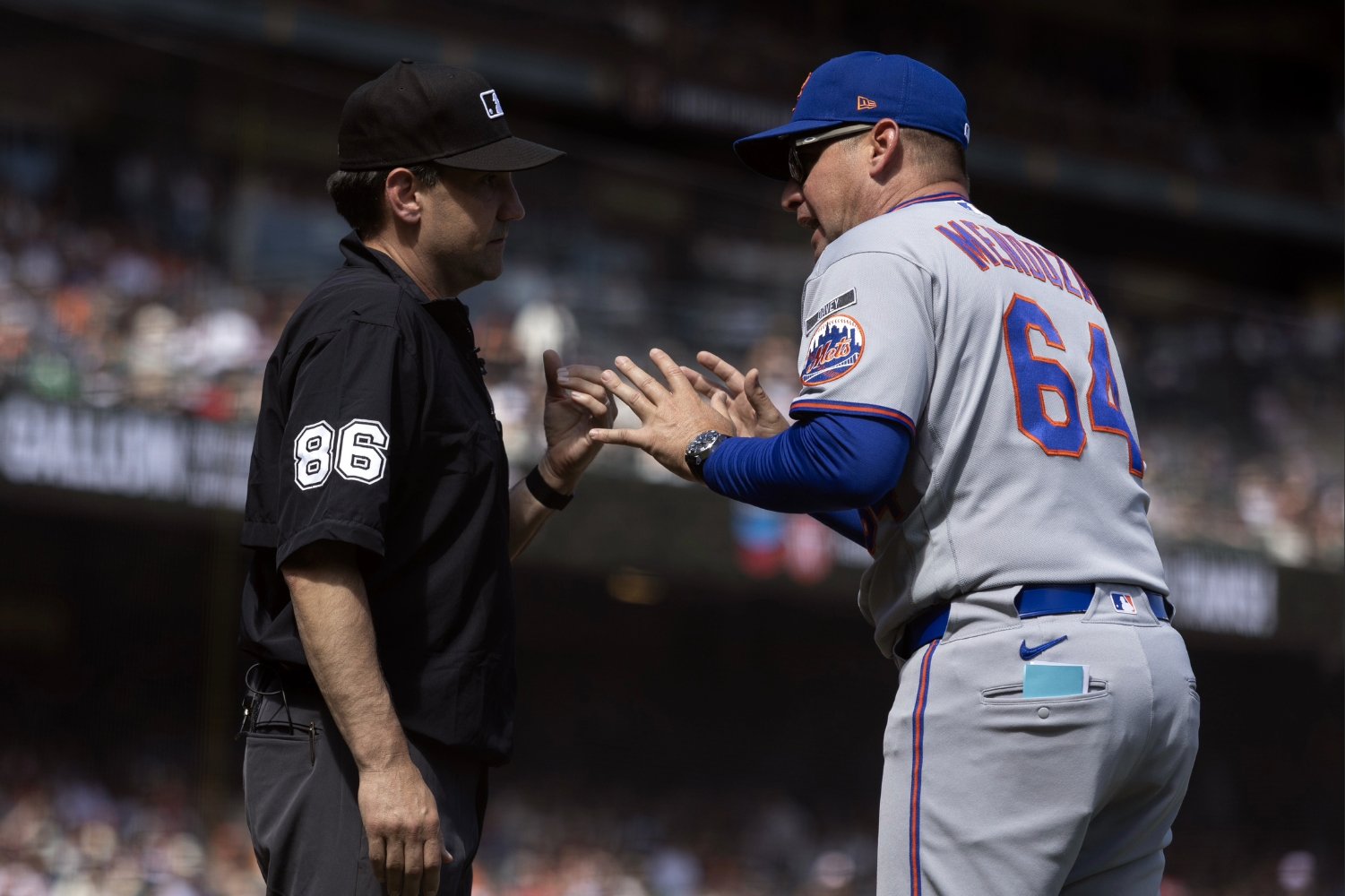 The New York Mets are 7-15 as of the week of April 20, good for a .318 winning percentage. That’s the worst record in the league, tied with the Kansas City Royals. To think that they were 7-4 on April 7 and have lost 11 games in a row is particularly painful for fans. New York is already eight games out of first place in the NL East, and we haven’t even played one month of baseball. It’s truly baffling how difficult it has been for this team to win ball games in the last couple of weeks. The Mets have been in a total free fall since then. There’s no other way around it: this has been a brutal stretch, one that could potentially prove costly in late September. You can’t win a division or secure a postseason spot in March and April, but you can certainly lose them. Losing Juan Soto Hurt, But The Mets' Offensive Issues Don’t End There What exactly has happened? Well, many things, as you probably can expect. Since April 8, the day on which the 11-game losing streak started, they have had the worst offense in the league with a horrific 51 wRC+. In contrast, the best unit, the Atlanta Braves, is sporting a 138 mark. It’s hard to consistently win games when the entire offense is so incompetent. This is where the loss of Juan Soto to a calf injury hurts a lot. People were prematurely celebrating the fact that the Mets were 4-0 since the superstar’s injury, but now that the sample is bigger, they are 4-11, and the losses keep coming. Carson Benge is sporting a 31 wRC+ throughout the full season to this point, the same as Brett Baty. Two newcomers, Bo Bichette and Jorge Polanco, both have a 54 mark. Marcus Semien is at 76, and Mark Vientos came crashing back down to earth after a hot start and is now at 71. Only four players with regular or semi-regular playing time have been above-average offensively, and two of them are injured: Francisco Alvarez (152 wRC+), Luis Robert Jr. (118), Soto (160), and Jared Young (137), who recently suffered a meniscus tear. Yes, the Mets have faced some particularly difficult pitchers, but that shouldn’t be an excuse. Since April 8, they rank 28th out of 30 teams with seven home runs, but that’s not even the most concerning part. They are next-to-last in walk percentage with a ghastly 4.7-percent mark. You may win some games without hitting home runs, but you at least have to get people on base failing that. The (not so) Amazins are doing neither right now. Mets' Pitching Has Been Subpar If you thought the pitching outlook over the course of the streak would be better, think again. Since that fateful April 8, the Mets have the second-highest ERA in the league at 5.70. Only the Houston Astros have a worse mark. Nolan McLean and Clay Holmes have been rock-solid as starters, but the rest of the rotation has fallen short of expectations. The Mets’ main problem has been Kodai Senga and his 8.83 ERA for the season. Basically, Senga was excellent in his first two starts and horrible in the last two, so it might be just a blip. It’s worth noting that his average fastball and sinker velocity has been fluctuating a bit, and that might have something to do with his recent struggles. Since the Mets’ skid started, their bullpen boasts a 6.05 ERA, the fourth-worst in the major leagues. Devin Williams and Luke Weaver, the new faces and anchors of the unit, have been inconsistent in recent outings. The Mets have been fairly average in defensive stats across the board during their stunning collapse, but other factors have come into play, such as bad managerial decisions, baserunning gaffes, and mounting pressure. Is There Hope For The Mets? Soto is expected to return during the upcoming homestand, which is excellent news. The Mets, however, need to get their offense going beyond their superstar. Some of these struggling hitters could be on the verge of enjoying better outcomes, such as Bichette (.245 wOBA vs. .313 xwOBA) and Francisco Lindor (.279 vs. .323), but others, such as Benge, Vientos, and Baty, might need a serious overhaul in their mechanics and/or plate approach. Likewise, the Mets’ pitching minds and available talent suggest things should be better moving forward, but the Senga situation should be closely monitored with so many viable rotation options waiting in the wings in Triple-A. This is a team with enough talent to overcome most of its recent issues, and there’s also a strong farm system that could offer short-term solutions and ammunition for potential trades. Some roster construction decisions, however, are starting to be questioned, such as the infield corners and the lack of better and more reliable outfield depth. The Mets aren’t as bad as their 7-15 record indicates. But when you lose 11 straight games at any point, there are going to be serious doubts about your ability to contend for the World Series title as currently constructed.
 -
Image courtesy of © John Jones-Imagn Images If you're a New York Mets fan, you probably don’t need us to tell you how long it took infielder/outfielder Brett Baty to become a reliable, above-average hitter in the major leagues. From 2022 to 2024, he racked up 602 plate appearances, in which he posted a rough 71 wRC+. Just when the Mets were about to give up, though, Baty put up incredible numbers in the 2025 spring training, earning an everyday role. After he yielded a 66 wRC+ in his first 58 trips to the plate that season, he found himself in Triple-A again. But Baty returned a couple of weeks later and was so good over the rest of the season that he finished with a 111 wRC+ and 18 home runs last year. With first-round pedigree and having seemingly turned a corner in 2025, the 26-year-old was set to star in a multi-position role for the Mets this year. Things, however, haven’t gone the way he probably imagined. Brett Baty's Plate Discipline Has Evaporated Heading into the weekend series against the Cubs, Baty is slashing a brutal .203/.197/.288. Yes, that’s right, his batting average is higher than his OBP, which can happen when sac flies or sac bunts enter the equation. In short, his plate discipline has completely disappeared. He is the only qualified hitter in baseball without a walk and has struck out 32.8 percent of the time, roughly one-third of his plate appearances. That’s not ideal. He had made strides with his chase rate last year, as it sat in the 70th percentile at 24.9 percent. This year, he is swinging at pitches outside of the strike zone 38.5 percent of the time, which ranks him in the 11th percentile. Yikes. So, as you probably suspect, a lot of Baty’s issues have to do with horrible plate discipline. The quality of contact, however, has also been subpar, as his 2nd-percentile xwOBA (.216) suggests. Baty is well below the league average in metrics such as hard-hit rate (23rd percentile), expected batting average (19th percentile), and expected slugging (18th percentile). Additionally, Baty feasted on fastballs last year, hitting .278 off them and slugging .495. The 2026 sample is still ridiculously small, but he is at .257 and .343, respectively. The difference in xwOBA against heaters is night and day: it was .383 in 2025, and has collapsed all the way to .205 in 2026. So, to sum up, Baty is not just swinging at everything, but also can’t catch up to fastballs this year. It might be a timing issue because his average bat speed is still solid at 74.8 mph — good enough to rank him in the 84th percentile and exactly the same as last year’s. Brett Baty Can't Turn To Luck To Fix His Velocity and Swinging Issues We can’t even say that Baty has been unlucky: his .210 wOBA is right on par with his .216 xwOBA. He has just been terrible. Can he improve? Well, of course he can. Will he? That’s the million-dollar question. Any bounce-back bids will have to start by not chasing so much. Believe us when we tell you that it’s much easier said than done, but he has done it before. He has rapidly improved his feel for the strike zone in the not-so-distant past. It happened last year! He’s not hopeless. He will have to regain his stroke and his rhythm, especially against fastballs. And he will have to put the barrel on the ball more consistently. That sounds simple, but it's a lot of work to do in the middle of the season. He just seems late on high-velocity stuff, which in turn is making him susceptible to the more-difficult-to-hit breakers outside the zone: With his timing still way off, the Mets’ utility man is pulling fewer balls in the air than ever before in his career, at 7.3 percent. His career mark is 14.1 percent, and the league-wide average is 16.7 percent. Getting Baty going should be a priority for the Mets at the moment. They are the second-worst offense by wRC+ in the entire league, so anything that the talented but inconsistent hitter can provide will be greatly appreciated. View full article
-
Brett Baty Is Swinging Wildly and Failing Miserably In the Process
Andres Chavez posted an article in Mets
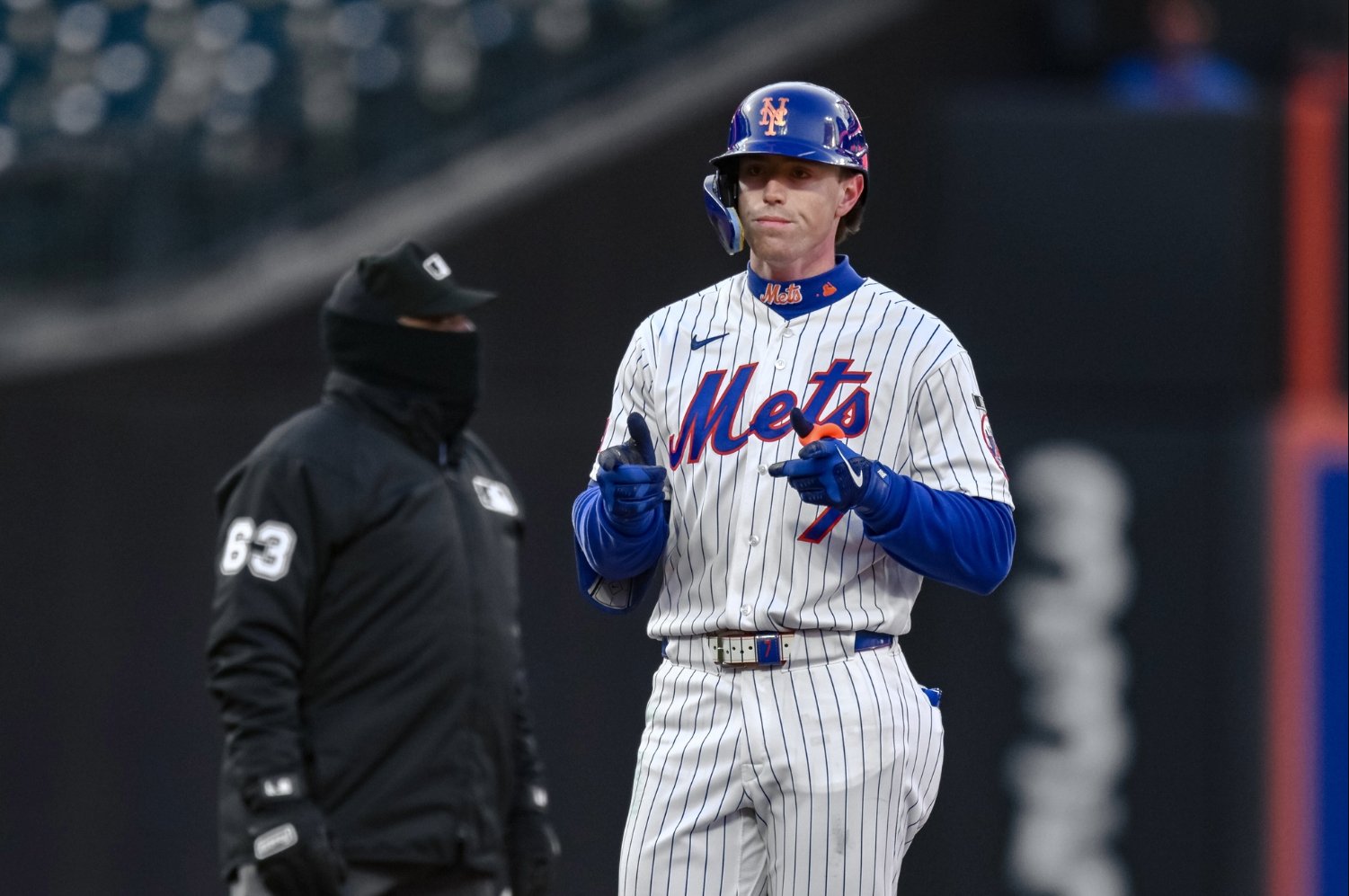 If you're a New York Mets fan, you probably don’t need us to tell you how long it took infielder/outfielder Brett Baty to become a reliable, above-average hitter in the major leagues. From 2022 to 2024, he racked up 602 plate appearances, in which he posted a rough 71 wRC+. Just when the Mets were about to give up, though, Baty put up incredible numbers in the 2025 spring training, earning an everyday role. After he yielded a 66 wRC+ in his first 58 trips to the plate that season, he found himself in Triple-A again. But Baty returned a couple of weeks later and was so good over the rest of the season that he finished with a 111 wRC+ and 18 home runs last year. With first-round pedigree and having seemingly turned a corner in 2025, the 26-year-old was set to star in a multi-position role for the Mets this year. Things, however, haven’t gone the way he probably imagined. Brett Baty's Plate Discipline Has Evaporated Heading into the weekend series against the Cubs, Baty is slashing a brutal .203/.197/.288. Yes, that’s right, his batting average is higher than his OBP, which can happen when sac flies or sac bunts enter the equation. In short, his plate discipline has completely disappeared. He is the only qualified hitter in baseball without a walk and has struck out 32.8 percent of the time, roughly one-third of his plate appearances. That’s not ideal. He had made strides with his chase rate last year, as it sat in the 70th percentile at 24.9 percent. This year, he is swinging at pitches outside of the strike zone 38.5 percent of the time, which ranks him in the 11th percentile. Yikes. So, as you probably suspect, a lot of Baty’s issues have to do with horrible plate discipline. The quality of contact, however, has also been subpar, as his 2nd-percentile xwOBA (.216) suggests. Baty is well below the league average in metrics such as hard-hit rate (23rd percentile), expected batting average (19th percentile), and expected slugging (18th percentile). Additionally, Baty feasted on fastballs last year, hitting .278 off them and slugging .495. The 2026 sample is still ridiculously small, but he is at .257 and .343, respectively. The difference in xwOBA against heaters is night and day: it was .383 in 2025, and has collapsed all the way to .205 in 2026. So, to sum up, Baty is not just swinging at everything, but also can’t catch up to fastballs this year. It might be a timing issue because his average bat speed is still solid at 74.8 mph — good enough to rank him in the 84th percentile and exactly the same as last year’s. Brett Baty Can't Turn To Luck To Fix His Velocity and Swinging Issues We can’t even say that Baty has been unlucky: his .210 wOBA is right on par with his .216 xwOBA. He has just been terrible. Can he improve? Well, of course he can. Will he? That’s the million-dollar question. Any bounce-back bids will have to start by not chasing so much. Believe us when we tell you that it’s much easier said than done, but he has done it before. He has rapidly improved his feel for the strike zone in the not-so-distant past. It happened last year! He’s not hopeless. He will have to regain his stroke and his rhythm, especially against fastballs. And he will have to put the barrel on the ball more consistently. That sounds simple, but it's a lot of work to do in the middle of the season. He just seems late on high-velocity stuff, which in turn is making him susceptible to the more-difficult-to-hit breakers outside the zone: With his timing still way off, the Mets’ utility man is pulling fewer balls in the air than ever before in his career, at 7.3 percent. His career mark is 14.1 percent, and the league-wide average is 16.7 percent. Getting Baty going should be a priority for the Mets at the moment. They are the second-worst offense by wRC+ in the entire league, so anything that the talented but inconsistent hitter can provide will be greatly appreciated.