


Michael Reed
-
Posts
43 -
Joined
-
Last visited
Michael Reed's Achievements


-
With the first full week of the Arizona Fall League concluding, the eight New York Mets prospects sent to the desert got the opportunity to get their feet wet in the AFL. This year, only two of those sent did not miss most of the season due to injury. Some player have played very little in the Mets' system, so the team will hope to use the AFL to see what they have in these prospects. However, the results were not great in week one. Position Players Bruin Agbayani: Slashed .245/.375/.321 across 53 ABs in A-ball this year. Missed most of season with shoulder injury. Son of Former Met Benny Agbayani Boston Baro: Slashed .241/.333/.310 in 29 ABs this season. Missed most of the season with a shoulder injury. Struggled in 2025, slashing .224/.282/.321 with a .602 OPS. Cole Mathis: 10 HRs, 42 RBIs in 189 ABs. Had Tommy John surgery prior to last season. Hit below .100 when called up to A+ Brooklyn. Pitchers Irving Cota: Posted a 0.73 ERA in 24 2/3 innings as a starter for A+ Brooklyn, however, he went down with injury and barely worked after that. Brenden Girton: 6.72 ERA in 83 Innings for AA Binghamton, with an 81:57 strikeout-to-walk ratio. Allowed 81 hits including 16 HRs. Ryan Lambert: In 25.2 Innings in AAA, he posted a 7.71 ERA with a 32:28 K-to-BB ratio. He had a 1.71 ERA with 64 strikeouts in 2025 in AA. Peyton Prescott: 5.15 ERA in 36.2 innings in 2025 for Florida State. Had UCL surgery shortly after he was drafted, managed one inning for St Lucie with two strikeouts and a walk. Calvin Ziegler: 7.00 ERA in nine innings in A+ Brooklyn. Bounced around RK/A/A+/AA this year due to injury. He pitched to a scoreless inning in his lone Double-A outing. The eight New York Mets prospects will be home to the same team the 2022 Mets prospects played for, the Surprise Saguaros. These prospects, along with those from the Kansas City Royals, Texas Rangers, Cleveland Guardians and Philadelphia Phillies, will make up the roster for Surprise this season. Following one week of action, the Saguaros are 4-3 headed into their game today versus the Peoria Javelins. Here is a breakdown of how each of the eight have played through the first week of the season. Bruin Agbayani 2B/SS/3B Bruin was one of the prospects handed over for Freddy Peralta, while also serving as a legacy prospect due to his father being Benny Agbayani. It is safe to say the Mets would love for Bruin to have a positive AFL season. So far, in five games played, Bruin is slashing .063/.167/.125 with seven strikeouts. On the positive side, Bruin has recorded a double, RBI and two walks and two runs scored so far. The Saguaros will hope that he can cut down on the strikeouts. Boston Baro SS/3B/2B In four games played, Baro is 1-for-10 with three walks and his lone hit being a RBI single. In Sunday’s game, Baro went 0-for-2 with two walks to end his week, Coming off of a slow season due to injury, and with the Mets having a surplus of middle infield prospects, Baro will need to show his worth to keep his name off the developmental list or worse, off the roster. Cole Mathis 1B/DH Mathis definitely fared the best of the position players, despite slashing .133/.316/.333. In Sunday’s game versus the Desert Dogs, Mathis took a sinker in the middle of the zone 395 feet over the left field fence, a no-doubt shot. The solo home run tied the game in the eighth inning, which Surprise would go on to win. Mathis was sent over to Queens in a one-for-one deal for starting pitcher David Peterson during the summer. Mathis, always a home run or strikeout kind of hitter, recorded 56 strikeouts and 45 hits this past season. He was a former two-way player before giving up pitching due to TJS. With nobody waiting in the wings for the Mets first base spot in the minor leagues, Mathis could push his name to the front of the list with more home runs like that during the rest of the AFL season. RHP Irving Cota In two appearance so far for Surprise, Cota has given up two earned runs in 4.2 innings. The part of his outings that the Mets will be the happiest about Is the seven strikeouts (and only one allowed hit). In Cota’s second outing, he struck out six in two innings of work, a very positive showing of what could come in his young career. Cota was at his best when he was a starter in A+ ball, posting an ERA under 1.00 with 14 strikeouts. Injuries reduced him down to a relief role down the stretch, but with ridiculous spin rates seen so far in his Mets tenure and scarce pitching depth in the system, Cota has a good opportunity to get his name out there this fall. RHP Brendan Girton Girton has not given up a run through two appearances thus far. He has always been a strikeout pitcher but has not recorded one thus far in 1.1 innings pitched. In 2025, Girton recorded 81 strikeouts and gave up 81 hits, which is a ratio he'll need to skew in favor of the former going forward. Girton’s fastball has so far topped out at 92.5, a small tick down from his usual 93-94 he was at last season. In his last outing on Friday, Girton gave up a hit but got through a full inning with letting the run score. RHP Ryan Lambert In two appearances, Lambert has gone two full innings with two strikeouts. His most recent outing came on Friday where he struck out two, topping out at 98.6 mph. Lambert’s first strikeout came on a 2-2 breaking ball vs a lefty, which is always encouraging (seeing a struggling righty striking out a left-handed hitter). Lambert’s second strikeout came on a 2-2 upstairs fastball that registered 98 mph. He is no stranger to generating whiffs, but he needs to be better at limiting his walks and getting himself into better early counts. Many fans were calling for Lambert to be called up during his dominant 2025 campaign where he and his 100 mph heater were striking guys out left and right, but a step back this year delayed those plans. A strong AFL showing can get him right back on track. RHP Peyton Prescott Because of injury, Prescott’s minor-league career has only featured one inning of work. It's no surprise, then, that he hasn't looked great in three inning in the AFL; six hits, four walks and three earned runs rest on his ledger. His most recent outing came on Friday where he gave up four hits, three earned runs, and two walks while also recording a strikeout. Prescott features a fastball, sweeper, and splitter primarily. He uses his sweeper more towards the beginning of the count to set up for his fastball, with the splitter being the out pitch. It's good to see him out there and hopefully he'll record better results in his next couple outings. RHP Calvin Ziegler Ziegler floated through his first outing last Sunday, throwing one inning of work while not giving up a hit and topping out at 95.1 mph, However, his second outing on Friday was not as kind; he was only able to get one batter out by way of the strikeout after giving up three hits, three walks and three earned runs. Ziegler was drafted in 2021 but has not seen recent minor-league action due to major injuries including a torn UCL and a torn quad. This fall is all about the Mets seeing if he still is the guy they drafted in the second round five years ago. View full article
-
 With the first full week of the Arizona Fall League concluding, the eight New York Mets prospects sent to the desert got the opportunity to get their feet wet in the AFL. This year, only two of those sent did not miss most of the season due to injury. Some player have played very little in the Mets' system, so the team will hope to use the AFL to see what they have in these prospects. However, the results were not great in week one. Position Players Bruin Agbayani: Slashed .245/.375/.321 across 53 ABs in A-ball this year. Missed most of season with shoulder injury. Son of Former Met Benny Agbayani Boston Baro: Slashed .241/.333/.310 in 29 ABs this season. Missed most of the season with a shoulder injury. Struggled in 2025, slashing .224/.282/.321 with a .602 OPS. Cole Mathis: 10 HRs, 42 RBIs in 189 ABs. Had Tommy John surgery prior to last season. Hit below .100 when called up to A+ Brooklyn. Pitchers Irving Cota: Posted a 0.73 ERA in 24 2/3 innings as a starter for A+ Brooklyn, however, he went down with injury and barely worked after that. Brenden Girton: 6.72 ERA in 83 Innings for AA Binghamton, with an 81:57 strikeout-to-walk ratio. Allowed 81 hits including 16 HRs. Ryan Lambert: In 25.2 Innings in AAA, he posted a 7.71 ERA with a 32:28 K-to-BB ratio. He had a 1.71 ERA with 64 strikeouts in 2025 in AA. Peyton Prescott: 5.15 ERA in 36.2 innings in 2025 for Florida State. Had UCL surgery shortly after he was drafted, managed one inning for St Lucie with two strikeouts and a walk. Calvin Ziegler: 7.00 ERA in nine innings in A+ Brooklyn. Bounced around RK/A/A+/AA this year due to injury. He pitched to a scoreless inning in his lone Double-A outing. The eight New York Mets prospects will be home to the same team the 2022 Mets prospects played for, the Surprise Saguaros. These prospects, along with those from the Kansas City Royals, Texas Rangers, Cleveland Guardians and Philadelphia Phillies, will make up the roster for Surprise this season. Following one week of action, the Saguaros are 4-3 headed into their game today versus the Peoria Javelins. Here is a breakdown of how each of the eight have played through the first week of the season. Bruin Agbayani 2B/SS/3B Bruin was one of the prospects handed over for Freddy Peralta, while also serving as a legacy prospect due to his father being Benny Agbayani. It is safe to say the Mets would love for Bruin to have a positive AFL season. So far, in five games played, Bruin is slashing .063/.167/.125 with seven strikeouts. On the positive side, Bruin has recorded a double, RBI and two walks and two runs scored so far. The Saguaros will hope that he can cut down on the strikeouts. Boston Baro SS/3B/2B In four games played, Baro is 1-for-10 with three walks and his lone hit being a RBI single. In Sunday’s game, Baro went 0-for-2 with two walks to end his week, Coming off of a slow season due to injury, and with the Mets having a surplus of middle infield prospects, Baro will need to show his worth to keep his name off the developmental list or worse, off the roster. Cole Mathis 1B/DH Mathis definitely fared the best of the position players, despite slashing .133/.316/.333. In Sunday’s game versus the Desert Dogs, Mathis took a sinker in the middle of the zone 395 feet over the left field fence, a no-doubt shot. The solo home run tied the game in the eighth inning, which Surprise would go on to win. Mathis was sent over to Queens in a one-for-one deal for starting pitcher David Peterson during the summer. Mathis, always a home run or strikeout kind of hitter, recorded 56 strikeouts and 45 hits this past season. He was a former two-way player before giving up pitching due to TJS. With nobody waiting in the wings for the Mets first base spot in the minor leagues, Mathis could push his name to the front of the list with more home runs like that during the rest of the AFL season. RHP Irving Cota In two appearance so far for Surprise, Cota has given up two earned runs in 4.2 innings. The part of his outings that the Mets will be the happiest about Is the seven strikeouts (and only one allowed hit). In Cota’s second outing, he struck out six in two innings of work, a very positive showing of what could come in his young career. Cota was at his best when he was a starter in A+ ball, posting an ERA under 1.00 with 14 strikeouts. Injuries reduced him down to a relief role down the stretch, but with ridiculous spin rates seen so far in his Mets tenure and scarce pitching depth in the system, Cota has a good opportunity to get his name out there this fall. RHP Brendan Girton Girton has not given up a run through two appearances thus far. He has always been a strikeout pitcher but has not recorded one thus far in 1.1 innings pitched. In 2025, Girton recorded 81 strikeouts and gave up 81 hits, which is a ratio he'll need to skew in favor of the former going forward. Girton’s fastball has so far topped out at 92.5, a small tick down from his usual 93-94 he was at last season. In his last outing on Friday, Girton gave up a hit but got through a full inning with letting the run score. RHP Ryan Lambert In two appearances, Lambert has gone two full innings with two strikeouts. His most recent outing came on Friday where he struck out two, topping out at 98.6 mph. Lambert’s first strikeout came on a 2-2 breaking ball vs a lefty, which is always encouraging (seeing a struggling righty striking out a left-handed hitter). Lambert’s second strikeout came on a 2-2 upstairs fastball that registered 98 mph. He is no stranger to generating whiffs, but he needs to be better at limiting his walks and getting himself into better early counts. Many fans were calling for Lambert to be called up during his dominant 2025 campaign where he and his 100 mph heater were striking guys out left and right, but a step back this year delayed those plans. A strong AFL showing can get him right back on track. RHP Peyton Prescott Because of injury, Prescott’s minor-league career has only featured one inning of work. It's no surprise, then, that he hasn't looked great in three inning in the AFL; six hits, four walks and three earned runs rest on his ledger. His most recent outing came on Friday where he gave up four hits, three earned runs, and two walks while also recording a strikeout. Prescott features a fastball, sweeper, and splitter primarily. He uses his sweeper more towards the beginning of the count to set up for his fastball, with the splitter being the out pitch. It's good to see him out there and hopefully he'll record better results in his next couple outings. RHP Calvin Ziegler Ziegler floated through his first outing last Sunday, throwing one inning of work while not giving up a hit and topping out at 95.1 mph, However, his second outing on Friday was not as kind; he was only able to get one batter out by way of the strikeout after giving up three hits, three walks and three earned runs. Ziegler was drafted in 2021 but has not seen recent minor-league action due to major injuries including a torn UCL and a torn quad. This fall is all about the Mets seeing if he still is the guy they drafted in the second round five years ago.
 -
David Stearns, Eyeing Incoming Lockout, Commits Hard to Andy Green
Michael Reed posted an article in Mets
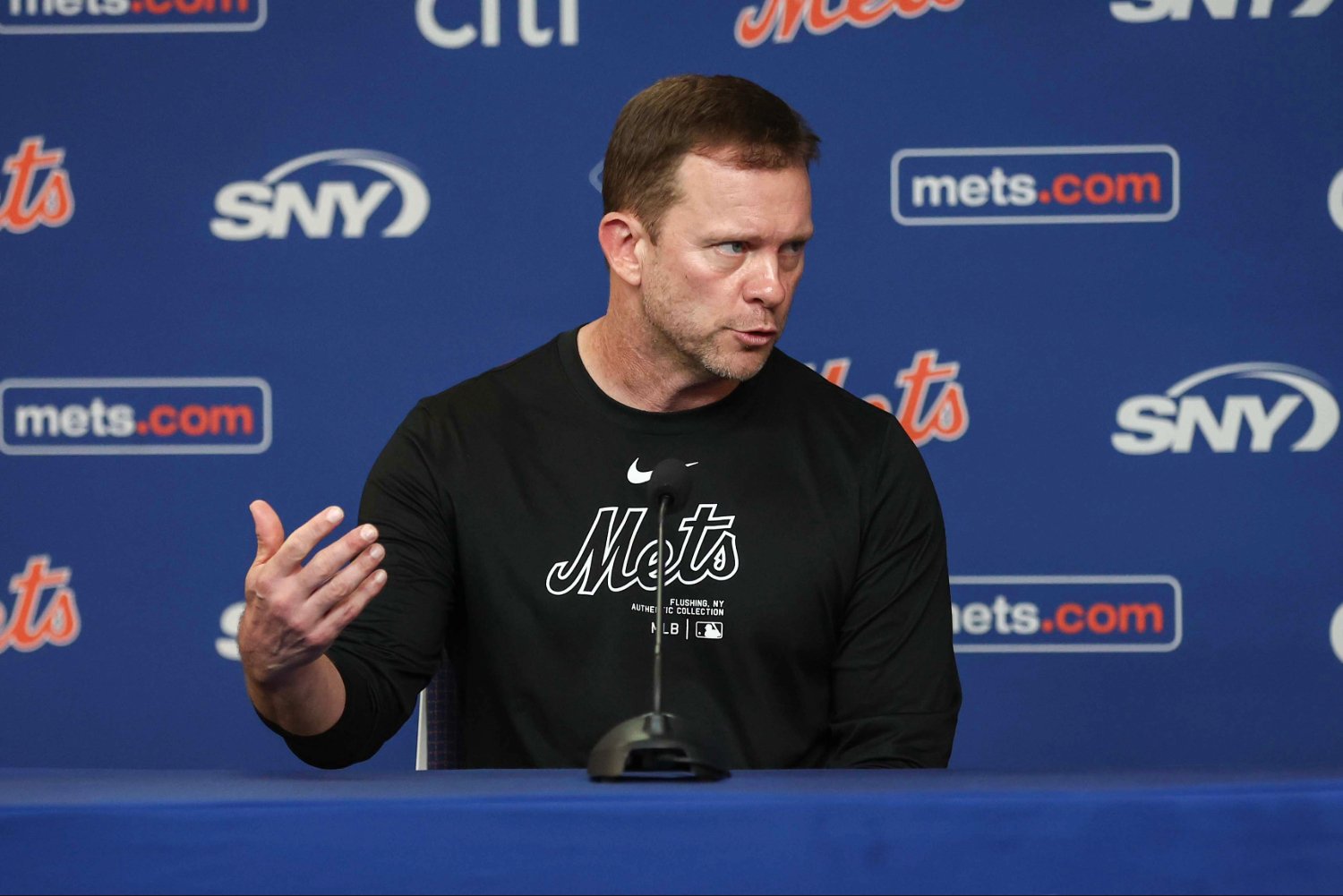 Since Andy Green was appointed as interim manager after Carlos Mendoza’s firing in late June, he was expected to return to the front office following the 2026 season. Then, a sudden change of heart led to a three-year extension, establishing Green as the New York Mets' full-time manager moving forward. He certainly earned his promotion, but there are other factors as to why Green got the nod. With the MLB collective bargaining agreement ending on Dec. 1, urgency is going to be the name of the game. Free-agent signings, trades, and tough rostering decisions will all be made quicker than usual, with the goal of having some certainty heading into the lockout. Players are not going to sign with a team without a manager, so ask yourself this: If you were David Stearns, would you risk missing out on certain players while your managerial search is ongoing, or just stick with the one you have? The Red Sox may have had the same mindset when they promoted their own interim manager Chad Tracy to the full-time position just before the Mets extended Green. Obviously, it is not totally the same circumstance, as the Red Sox were near the bottom of the league when they fired Alex Cora and soared up to the top when they appointed Tracy as interim. Since Andy Green has been appointed, the Mets have been a .500 club (38-38). Following back to back years when the Mets have failed to reach the postseason, David Stearns’ job could potentially come into question if they fail to address their needs this offseason and fail again next year. The Mets have glaring holes all over the roster (besides the outfield) that absolutely have to be addressed this offseason if they plan to be competitive in 2027. Luckily for Stearns, the reactions are very positive to the Andy Green promotion. When asked about Green’s promotion, second basemen Marcus Semien said, "I'm glad they did. Everybody's happy. Since Andy stepped in, he's helped a lot of guys be a better version of themselves, and we've been playing a good brand of baseball." Other players like Francisco Lindor, Juan Soto and AJ Ewing all have been quoted in favor of Green as a person and as a manager. It is unlikely that David Stearns will be able to hire a third manager if Andy Green fails to succeed, so this is a true all-in move by the Mets' top front office executive. For what it's worth, Stearns opened the press conference announcing the move by saying Green is “the perfect person for this job." If he wants to keep running this organization for the foreseeable future, he better be right.
 -
Image courtesy of Wendell Cruz-Imagn Images Since Andy Green was appointed as interim manager after Carlos Mendoza’s firing in late June, he was expected to return to the front office following the 2026 season. Then, a sudden change of heart led to a three-year extension, establishing Green as the New York Mets' full-time manager moving forward. He certainly earned his promotion, but there are other factors as to why Green got the nod. With the MLB collective bargaining agreement ending on Dec. 1, urgency is going to be the name of the game. Free-agent signings, trades, and tough rostering decisions will all be made quicker than usual, with the goal of having some certainty heading into the lockout. Players are not going to sign with a team without a manager, so ask yourself this: If you were David Stearns, would you risk missing out on certain players while your managerial search is ongoing, or just stick with the one you have? The Red Sox may have had the same mindset when they promoted their own interim manager Chad Tracy to the full-time position just before the Mets extended Green. Obviously, it is not totally the same circumstance, as the Red Sox were near the bottom of the league when they fired Alex Cora and soared up to the top when they appointed Tracy as interim. Since Andy Green has been appointed, the Mets have been a .500 club (38-38). Following back to back years when the Mets have failed to reach the postseason, David Stearns’ job could potentially come into question if they fail to address their needs this offseason and fail again next year. The Mets have glaring holes all over the roster (besides the outfield) that absolutely have to be addressed this offseason if they plan to be competitive in 2027. Luckily for Stearns, the reactions are very positive to the Andy Green promotion. When asked about Green’s promotion, second basemen Marcus Semien said, "I'm glad they did. Everybody's happy. Since Andy stepped in, he's helped a lot of guys be a better version of themselves, and we've been playing a good brand of baseball." Other players like Francisco Lindor, Juan Soto and AJ Ewing all have been quoted in favor of Green as a person and as a manager. It is unlikely that David Stearns will be able to hire a third manager if Andy Green fails to succeed, so this is a true all-in move by the Mets' top front office executive. For what it's worth, Stearns opened the press conference announcing the move by saying Green is “the perfect person for this job." If he wants to keep running this organization for the foreseeable future, he better be right. View full article
-
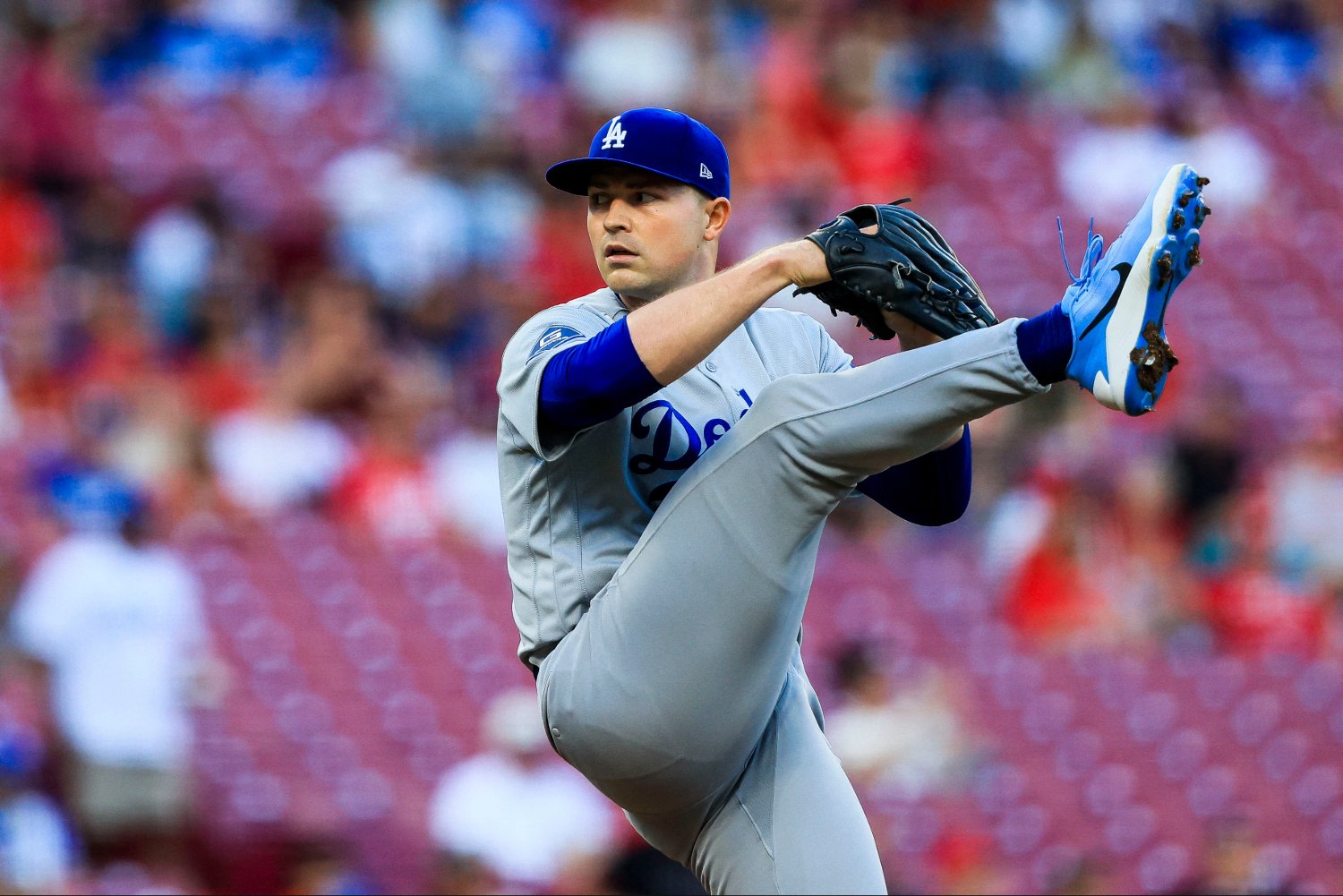 Frontline starting pitching has not been a strength for the New York Mets ever since Jacob deGrom exited the team following the 2022 season. They thought the problem was solved when they acquired Freddy Peralta last offseason, but it did not pan out. This offseason, the Mets have another opportunity to swing big on a pitcher who could change their fortunes, as Tarik Skubal is set to hit free agency. The two-time Cy Young award winner will become available this winter after being traded to the Los Angeles Dodgers at the trade deadline. In eight starts with the Dodgers, Skubal owns a 2.52 ERA with a 167 ERA+. They'll obviously make a compelling offer to keep him in Los Angeles, but finances (they currently have $159.2 million dollars allotted for starting pitchers on the roster) and the impending lockout could harm their pursuit. Skubal will have many suitors once he lands on the market, so Mets owner Steve Cohen will have to shell out more money than the rest to land Skubal. The southpaw is represented by Scott Boras, who Steve Cohen is no stranger to when it comes to negotiating on big-time players. Cohen and Boras were engaged in the Juan Soto sweepstakes before agreeing to record-setting terms. Scott Boras is all about using past contracts to up the price on his clients and this case will be no different. Skubal will be hitting the market at age 30, the same age that Max Fried was when he signed an eight-year, $218 million dollar contract with the New York Yankees. Other comparable contracts include Max Scherzer’s seven-year, $210 million dollar deal with the Washington Nationals that he signed at age 30 and Gerrit Cole’s nine-year, $324 million dollar deal with the Yankees that he signed at age 29. Skubal’s injury history could affect his final price tag, but he should blow past Cole's number when all is said and done. It wouldn't be too surprising if he becomes the first pitcher to ever receive $400 million guaranteed, which is an astounding number for someone who will take the mound roughly 30 times per season if he remains healthy. With the end of the current Major League Baseball Collective Bargaining Agreement coming up on December 1, players and big-market teams will attempt to get big money deals done quickly. In that case, Cohen will have to act quickly if he wants any chance to land his ace. Next season, the Mets will already have three starting pitching spots locked up in Nolan McLean, Zac Thornton and Christian Scott. One of Jonah Tong and Sean Manaea will be vying for that fifth starting spot if the Mets were to land Skubal, who would be the ace lefty this team has not had since Johan Santana left the team in 2012. That being said, long-terms deals are not usually David Stearns’ type of thing. In recent years, Stearns has been known to only do short-term, high average annual value deals, like Frankie Montas’s two-year, $34 million deal and Sean Manaea’s three-year, $75 million deal. Just like he and Cohen did for Soto, an exception will need to be made if the hope is to land the game's best pitcher in Skubal.
 -
Image courtesy of Katie Stratman-Imagn Images Frontline starting pitching has not been a strength for the New York Mets ever since Jacob deGrom exited the team following the 2022 season. They thought the problem was solved when they acquired Freddy Peralta last offseason, but it did not pan out. This offseason, the Mets have another opportunity to swing big on a pitcher who could change their fortunes, as Tarik Skubal is set to hit free agency. The two-time Cy Young award winner will become available this winter after being traded to the Los Angeles Dodgers at the trade deadline. In eight starts with the Dodgers, Skubal owns a 2.52 ERA with a 167 ERA+. They'll obviously make a compelling offer to keep him in Los Angeles, but finances (they currently have $159.2 million dollars allotted for starting pitchers on the roster) and the impending lockout could harm their pursuit. Skubal will have many suitors once he lands on the market, so Mets owner Steve Cohen will have to shell out more money than the rest to land Skubal. The southpaw is represented by Scott Boras, who Steve Cohen is no stranger to when it comes to negotiating on big-time players. Cohen and Boras were engaged in the Juan Soto sweepstakes before agreeing to record-setting terms. Scott Boras is all about using past contracts to up the price on his clients and this case will be no different. Skubal will be hitting the market at age 30, the same age that Max Fried was when he signed an eight-year, $218 million dollar contract with the New York Yankees. Other comparable contracts include Max Scherzer’s seven-year, $210 million dollar deal with the Washington Nationals that he signed at age 30 and Gerrit Cole’s nine-year, $324 million dollar deal with the Yankees that he signed at age 29. Skubal’s injury history could affect his final price tag, but he should blow past Cole's number when all is said and done. It wouldn't be too surprising if he becomes the first pitcher to ever receive $400 million guaranteed, which is an astounding number for someone who will take the mound roughly 30 times per season if he remains healthy. With the end of the current Major League Baseball Collective Bargaining Agreement coming up on December 1, players and big-market teams will attempt to get big money deals done quickly. In that case, Cohen will have to act quickly if he wants any chance to land his ace. Next season, the Mets will already have three starting pitching spots locked up in Nolan McLean, Zac Thornton and Christian Scott. One of Jonah Tong and Sean Manaea will be vying for that fifth starting spot if the Mets were to land Skubal, who would be the ace lefty this team has not had since Johan Santana left the team in 2012. That being said, long-terms deals are not usually David Stearns’ type of thing. In recent years, Stearns has been known to only do short-term, high average annual value deals, like Frankie Montas’s two-year, $34 million deal and Sean Manaea’s three-year, $75 million deal. Just like he and Cohen did for Soto, an exception will need to be made if the hope is to land the game's best pitcher in Skubal. View full article
-
Image courtesy of © John Jones-Imagn Images The New York Mets have been playing some respectable baseball in September, and that can partially be attributed to the hot streak of Brett Baty. The 26-year-old veteran is slashing .313/.393/.646 with a 1.039 OPS in his last 20 games. Combine that with the ability to play six of the nine spots on the field, and Baty is proving to be too valuable to move on from in the offseason. It can also be said that this point in his career, you know what you are going to get with the former top prospect, and it is up to president of baseball operations David Stearns on where his value lies. Since his debut in 2022, Baty’s problem has always been his inability to consistently elevate the ball. When he is in a slump, you will often see him going down 0-2 in the count and either striking out or grounding out. Baty has tried different things to try to make his swing better like switching from a one-handed follow through to a two-hander and planting his leg earlier to allow himself more time to swing. While those tweaks have yielded mixed results as a whole, they allow for the occasional hot streak here and there. When Baty is hot, he's elevating the ball to the pull side and hitting home runs and playing good defense. It's not an all-or-nothing proposition, but it does feel like the confidence in one aspect of his game affects all others. Case in point: his breakout season of 2025, when he finished with 3.0 WAR and a 111 OPS+ season. In 2026, Baty has not had the same luck. Last season, in Miami, Baty suffered an oblique injury that ended his season. A few nights ago in Miami, Baty left the game with an apparent leg injury (and missed Friday's action). He was hot last season before his injury and that played a part in the Mets missing the playoffs. The Mets and interim manager Andy Green hope this injury is not as serious as last seasons. While this hot streak is encouraging to see of the Brett Baty of old, the Mets would like to see him have these results over 162 games. At the very least, he's doing what he can to earn himself one more shot in Queens in 2027. View full article
-
Brett Baty’s September Hot Streak Might Buy Him One More Mets Lifeline
Michael Reed posted an article in Mets
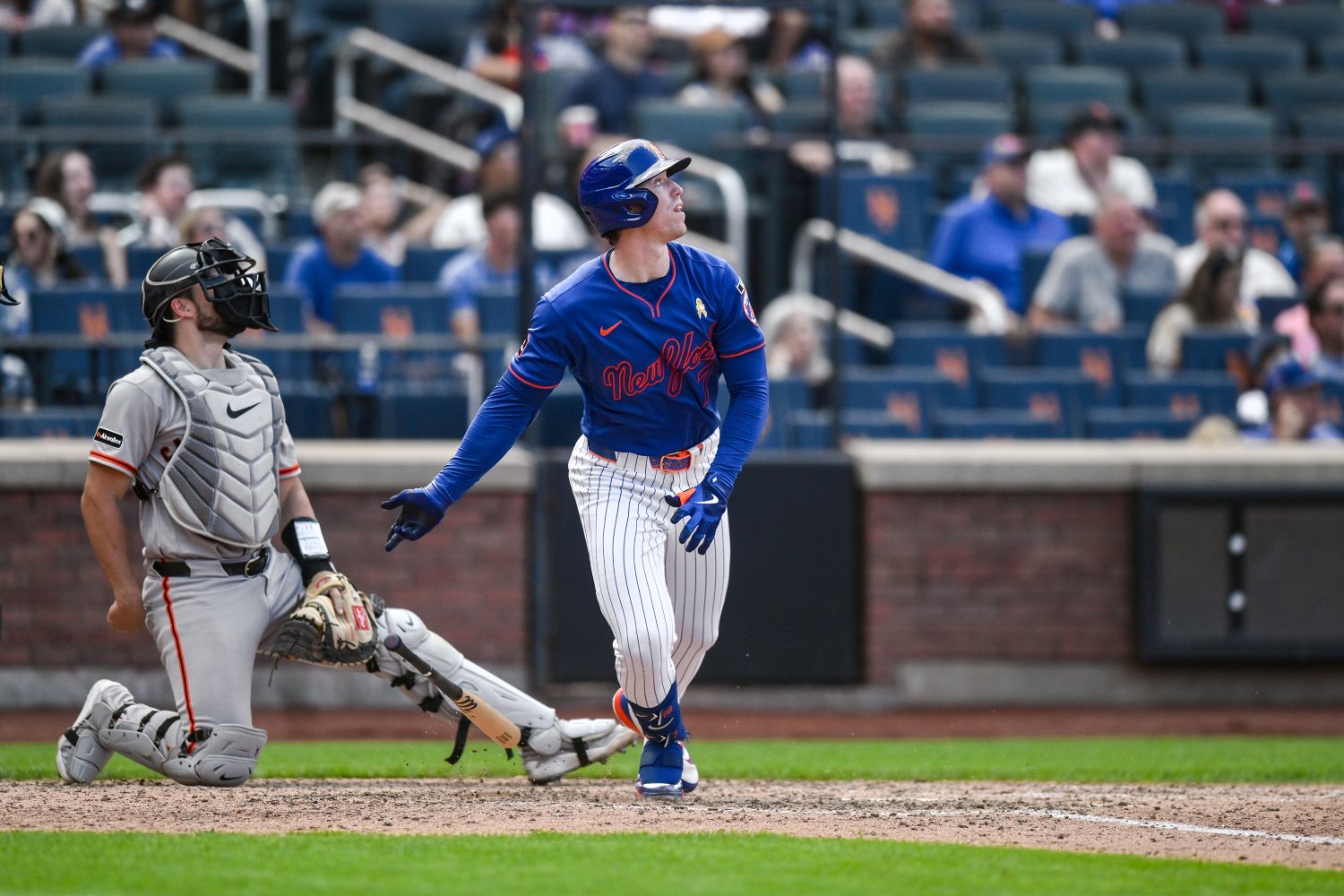 The New York Mets have been playing some respectable baseball in September, and that can partially be attributed to the hot streak of Brett Baty. The 26-year-old veteran is slashing .313/.393/.646 with a 1.039 OPS in his last 20 games. Combine that with the ability to play six of the nine spots on the field, and Baty is proving to be too valuable to move on from in the offseason. It can also be said that this point in his career, you know what you are going to get with the former top prospect, and it is up to president of baseball operations David Stearns on where his value lies. Since his debut in 2022, Baty’s problem has always been his inability to consistently elevate the ball. When he is in a slump, you will often see him going down 0-2 in the count and either striking out or grounding out. Baty has tried different things to try to make his swing better like switching from a one-handed follow through to a two-hander and planting his leg earlier to allow himself more time to swing. While those tweaks have yielded mixed results as a whole, they allow for the occasional hot streak here and there. When Baty is hot, he's elevating the ball to the pull side and hitting home runs and playing good defense. It's not an all-or-nothing proposition, but it does feel like the confidence in one aspect of his game affects all others. Case in point: his breakout season of 2025, when he finished with 3.0 WAR and a 111 OPS+ season. In 2026, Baty has not had the same luck. Last season, in Miami, Baty suffered an oblique injury that ended his season. A few nights ago in Miami, Baty left the game with an apparent leg injury (and missed Friday's action). He was hot last season before his injury and that played a part in the Mets missing the playoffs. The Mets and interim manager Andy Green hope this injury is not as serious as last seasons. While this hot streak is encouraging to see of the Brett Baty of old, the Mets would like to see him have these results over 162 games. At the very least, he's doing what he can to earn himself one more shot in Queens in 2027.
 -
Image courtesy of © Vincent Carchietta-Imagn Images Shortly after the New York Mets let franchise icon Pete Alonso go in free agency, they signed Jorge Polanco to a two-year, $40 million deal. The 13-year veteran, who has been predominantly a second basemen his whole career, was tasked with learning first base in hopes of replacing Alonso. The Problem? Polanco has not been better than league average at any aspect of baseball this season. The 33-year-old has missed most of the season due to a right wrist contusion and chronic left achilles bursitis, playing in only 34 games. Currently, Polanco is tied for the lowest fWAR in baseball with -1.3, and his wRC+ of 19 suggests he's earning $20 million to be 81% worse than a league-average hitter. Yikes. Polanco’s slash line of .137/.195/.226 might not get much better down the stretch, as all advanced metrics show no signs of unlucky hitting. Jared Young has taken over the first base position in Polanco’s absence, and manager Andy Green surely won't make the switch back to Polanco with how good Young has been. In 2027, Polanco will be turning 34 coming off his career worst season as a starter, having played less than half of a season and will make another $20 million. When looking at the information in front of him during the offseason, Mets owner Steve Cohen and President of Baseball Operations David Stearns surely will not be happy with this result and will look to sign a replacement. Though unlikely, they could also look to offload his contract elsewhere. The Mets and Steve Cohen would have to take on a huge chunk if they want to get a deal done, though, which might not be as enviable in a post-lockout world. If all else fails, Stearns might just cut his losses like he did with Frankie Montas and release him. In the future, Stearns and his front office have to be better at discerning when to buy high on a player; coming off a career year last year at age 32 with a 133 OPS+, Polanco was bound for some sort of regression, and it came. With players like Munetaka Murakami, Pete Alonso, Josh Naylor, Luis Arraez, Kazuma Okamoto and Willson Contreras all available last offseason, regret is ripe in the air. The Mets' failed 2026 season could look a whole lot different if any of these players were playing first base these days. Alas, Polanco is here, though perhaps not for much longer. View full article
-
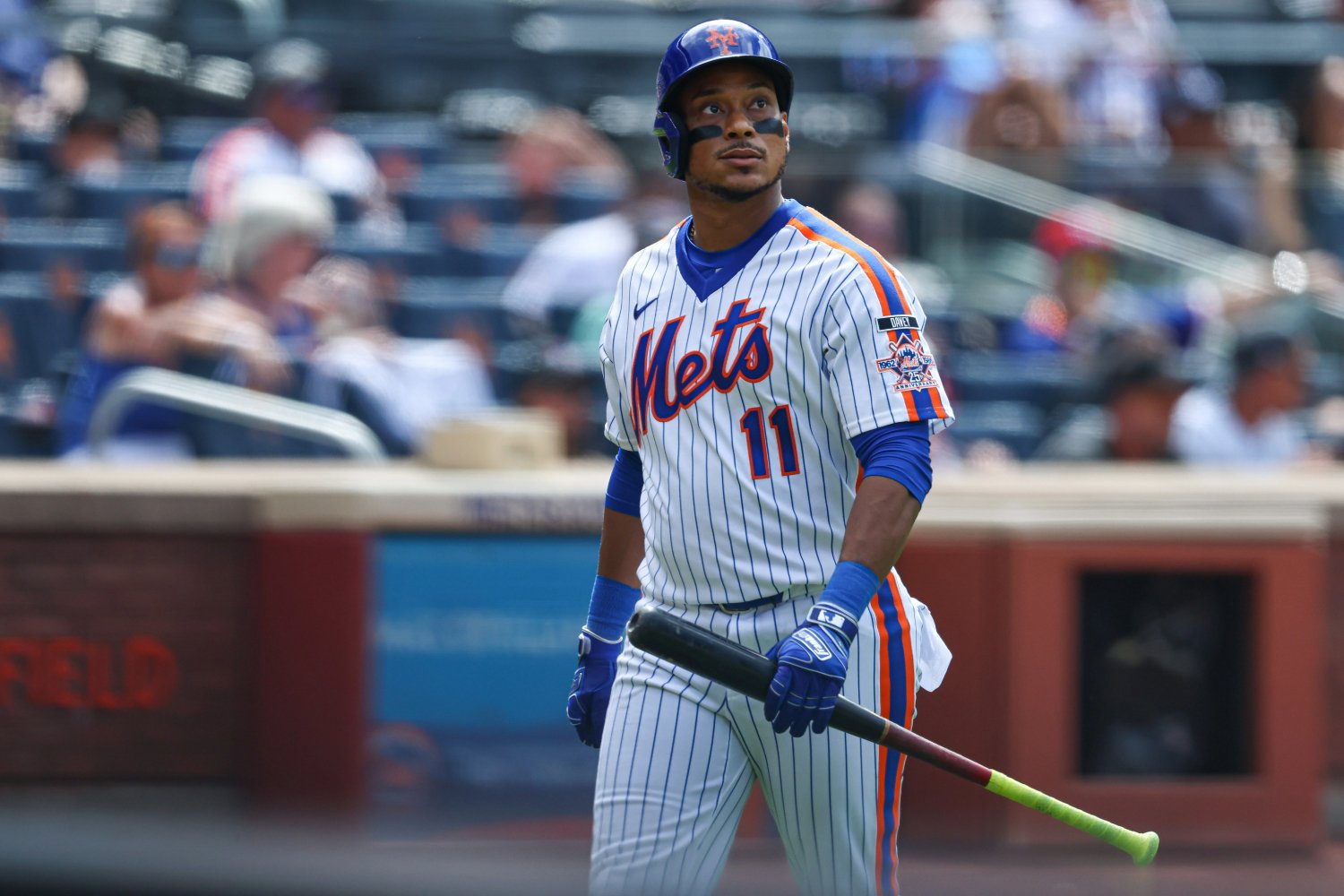 Shortly after the New York Mets let franchise icon Pete Alonso go in free agency, they signed Jorge Polanco to a two-year, $40 million deal. The 13-year veteran, who has been predominantly a second basemen his whole career, was tasked with learning first base in hopes of replacing Alonso. The Problem? Polanco has not been better than league average at any aspect of baseball this season. The 33-year-old has missed most of the season due to a right wrist contusion and chronic left achilles bursitis, playing in only 34 games. Currently, Polanco is tied for the lowest fWAR in baseball with -1.3, and his wRC+ of 19 suggests he's earning $20 million to be 81% worse than a league-average hitter. Yikes. Polanco’s slash line of .137/.195/.226 might not get much better down the stretch, as all advanced metrics show no signs of unlucky hitting. Jared Young has taken over the first base position in Polanco’s absence, and manager Andy Green surely won't make the switch back to Polanco with how good Young has been. In 2027, Polanco will be turning 34 coming off his career worst season as a starter, having played less than half of a season and will make another $20 million. When looking at the information in front of him during the offseason, Mets owner Steve Cohen and President of Baseball Operations David Stearns surely will not be happy with this result and will look to sign a replacement. Though unlikely, they could also look to offload his contract elsewhere. The Mets and Steve Cohen would have to take on a huge chunk if they want to get a deal done, though, which might not be as enviable in a post-lockout world. If all else fails, Stearns might just cut his losses like he did with Frankie Montas and release him. In the future, Stearns and his front office have to be better at discerning when to buy high on a player; coming off a career year last year at age 32 with a 133 OPS+, Polanco was bound for some sort of regression, and it came. With players like Munetaka Murakami, Pete Alonso, Josh Naylor, Luis Arraez, Kazuma Okamoto and Willson Contreras all available last offseason, regret is ripe in the air. The Mets' failed 2026 season could look a whole lot different if any of these players were playing first base these days. Alas, Polanco is here, though perhaps not for much longer.
 -
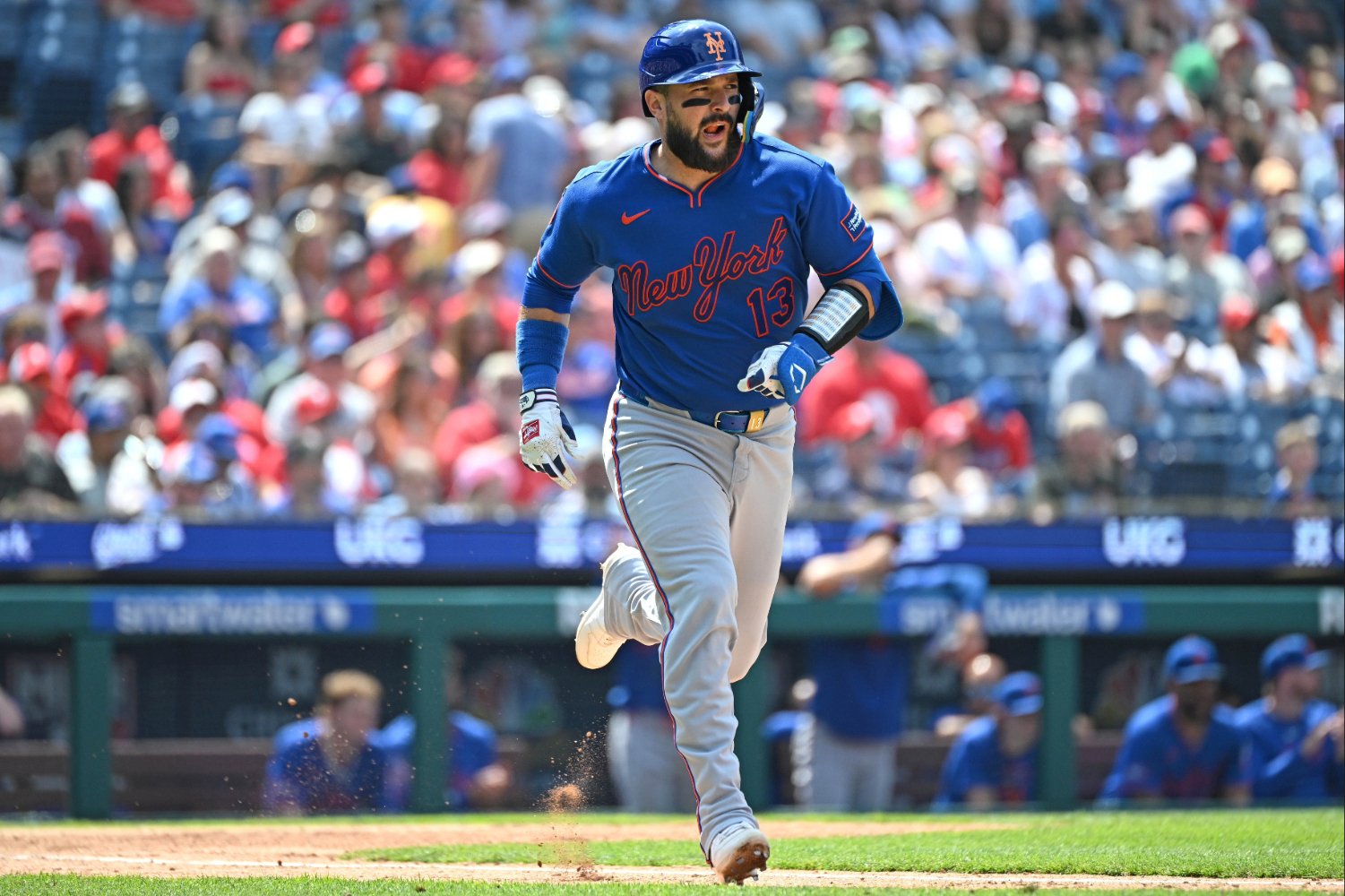 In 2024, the New York Mets acquired catcher Luis Torrens from the New York Yankees for 100,000 in cash considerations. Since then, Torrens has gone from a a third-string catcher behind Francisco Alvarez and former Met Omar Narvaez to sharing the starting catcher spot with Alvarez. There is value in a dependable catcher and contending teams know that, which is why the vet may not be around for much longer. Since joining the Mets, Torrens’ primary strength is his defense. He ranks in the top three league-wide in almost all defensive catching statistics, including Fielding Run Value, Caught Stealers Above Average, Framing and Pop Time. While he doesn't offer much of anything at the plate (71 wRC+, .602 OPS this season), he's as good as it gets when it comes to run prevention, which is a backstop's primary function. This is where we enter a paradox. The Mets probably don't want to trade Torrens; the New York Post’s Jon Heyman said that “The Mets are very reluctant to deal Luis Torrens and view him as a key part of their 2027 team." At the same time, others reports say that the White Sox have interest in the nine-year veteran. The White Sox catcher depth consists of Drew Romo and Edgar Quero, and with neither of them having a good season, it makes sense that they would call the Mets. In conjunction with reports that Francisco Alvarez could be available, David Stearns will be fielding a lot of calls regarding their catcher depth. In a lost season, the Mets are trading every player that is not a part of the core, which means a fire sale will take place before the Aug. 3 deadline. Heck, they already got the party started by surrendering A.J. Minter to the Minnesota Twins just before the weekend. Sure, the Mets could absolutely hold onto Torrens and keep their catching duo together for 2027, but should they? Torrens' value is as steady as they come as a defense-first catcher, and there's plenty of contenders out there looking for just that type of player. There's real merit to picking up as much prospect depth as possible, even if it means adding another agenda item to the offseason to-do list.
 -
Image courtesy of © Eric Hartline-Imagn Images In 2024, the New York Mets acquired catcher Luis Torrens from the New York Yankees for 100,000 in cash considerations. Since then, Torrens has gone from a a third-string catcher behind Francisco Alvarez and former Met Omar Narvaez to sharing the starting catcher spot with Alvarez. There is value in a dependable catcher and contending teams know that, which is why the vet may not be around for much longer. Since joining the Mets, Torrens’ primary strength is his defense. He ranks in the top three league-wide in almost all defensive catching statistics, including Fielding Run Value, Caught Stealers Above Average, Framing and Pop Time. While he doesn't offer much of anything at the plate (71 wRC+, .602 OPS this season), he's as good as it gets when it comes to run prevention, which is a backstop's primary function. This is where we enter a paradox. The Mets probably don't want to trade Torrens; the New York Post’s Jon Heyman said that “The Mets are very reluctant to deal Luis Torrens and view him as a key part of their 2027 team." At the same time, others reports say that the White Sox have interest in the nine-year veteran. The White Sox catcher depth consists of Drew Romo and Edgar Quero, and with neither of them having a good season, it makes sense that they would call the Mets. In conjunction with reports that Francisco Alvarez could be available, David Stearns will be fielding a lot of calls regarding their catcher depth. In a lost season, the Mets are trading every player that is not a part of the core, which means a fire sale will take place before the Aug. 3 deadline. Heck, they already got the party started by surrendering A.J. Minter to the Minnesota Twins just before the weekend. Sure, the Mets could absolutely hold onto Torrens and keep their catching duo together for 2027, but should they? Torrens' value is as steady as they come as a defense-first catcher, and there's plenty of contenders out there looking for just that type of player. There's real merit to picking up as much prospect depth as possible, even if it means adding another agenda item to the offseason to-do list. View full article
-
Jonah TongJack WenningerElian PenaJonathan SantucciRyan CliffordJacob ReimerMitch VoitCarson WigginsNick MorabitoZach ThorntonChris SueroWandy AsigenAiden RobbinsWill WatsonEli Serrano IIIRandy GuzmanDylan RossRyan LambertAntonio JimenezR.J. Gordon
-
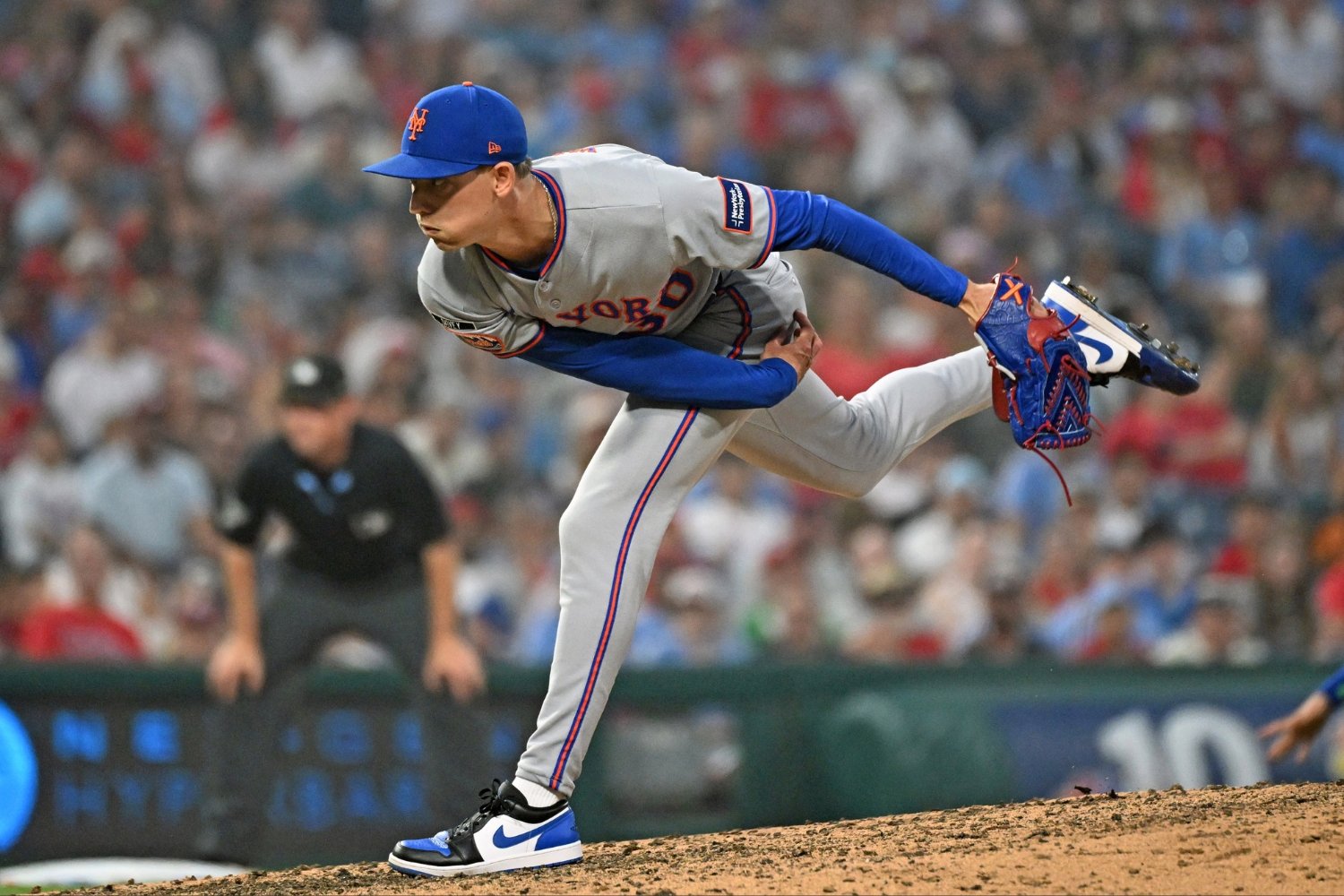 Luke Weaver’s first half was nothing short of heroic, going from being borderline unusable for the first month of the season to being the clear best arm in the New York Mets' bullpen. With the Aug. 3 deadline approaching, president of baseball operations David Stearns has to evaluate what it would take to part with such a reliable arm. Weaver signed a two-year, $22 million dollar deal this past offseason to be the primary set-up man to closer Devin Williams. While Williams has struggled mightily this season, Weaver has flourished. In 40 innings, he has only allowed nine earned runs, with eight of them coming in the month of April. Weaver’s 207 ERA+ ranks among the top in baseball. If the season ended today, Weaver would finish with career bests in ERA, ERA+, FIP, WHIP and hits per nine innings. Few relievers in baseball are pitching as well as the Mets' high-leverage fireman and opposing organizations will realize that. The thing is, this caliber of production isn't a guarantee to continue moving forward; if the Mets hold onto Weaver at this deadline and he struggles next season, fans will look back and wonder what they could have gotten for the 32-year-old right-hander. They should not make that mistake. So, with Weaver having a career year and the Mets fully committed to selling this deadline, it's time to cash in. Weaver’s extra year of control will drive up his value, and though it might be tempting to hold onto him for a run in 2027, that's just not advisable. New York should probably end up with potentially add two top-ten prospects from a contending organization in exchange for Weaver. They can't ignore that kind of on-the-fly farm system invigoration, especially knowing that they've already called up many of their top prospects this year. Relievers are just too volatile not to trade at the peak of their value; there's nothing guaranteeing that Weaver will this good next year for a hopefully better Mets team in his age-33 season. And that's ignoring the possibility that the 2027 campaign in axed due to the expected lockout. Because of that impending lockout, most teams will go for it this year and prospects will be thrown around like there's no tomorrow. David Stearns will know to take advantage of those market conditions, even if it means parting with his best offseason addition.
 -
Image courtesy of © Eric Hartline-Imagn Images Luke Weaver’s first half was nothing short of heroic, going from being borderline unusable for the first month of the season to being the clear best arm in the New York Mets' bullpen. With the Aug. 3 deadline approaching, president of baseball operations David Stearns has to evaluate what it would take to part with such a reliable arm. Weaver signed a two-year, $22 million dollar deal this past offseason to be the primary set-up man to closer Devin Williams. While Williams has struggled mightily this season, Weaver has flourished. In 40 innings, he has only allowed nine earned runs, with eight of them coming in the month of April. Weaver’s 207 ERA+ ranks among the top in baseball. If the season ended today, Weaver would finish with career bests in ERA, ERA+, FIP, WHIP and hits per nine innings. Few relievers in baseball are pitching as well as the Mets' high-leverage fireman and opposing organizations will realize that. The thing is, this caliber of production isn't a guarantee to continue moving forward; if the Mets hold onto Weaver at this deadline and he struggles next season, fans will look back and wonder what they could have gotten for the 32-year-old right-hander. They should not make that mistake. So, with Weaver having a career year and the Mets fully committed to selling this deadline, it's time to cash in. Weaver’s extra year of control will drive up his value, and though it might be tempting to hold onto him for a run in 2027, that's just not advisable. New York should probably end up with potentially add two top-ten prospects from a contending organization in exchange for Weaver. They can't ignore that kind of on-the-fly farm system invigoration, especially knowing that they've already called up many of their top prospects this year. Relievers are just too volatile not to trade at the peak of their value; there's nothing guaranteeing that Weaver will this good next year for a hopefully better Mets team in his age-33 season. And that's ignoring the possibility that the 2027 campaign in axed due to the expected lockout. Because of that impending lockout, most teams will go for it this year and prospects will be thrown around like there's no tomorrow. David Stearns will know to take advantage of those market conditions, even if it means parting with his best offseason addition. View full article
