


Cory Sparks
-
Posts
49 -
Joined
-
Last visited
Content Type
Profiles
News
New York Mets Videos
2026 New York Mets Top Prospects Ranking
New York Mets Free Agent & Trade Rumors, Notes, & Tidbits
Guides & Resources
The New York Mets Players Project
2026 New York Mets Draft Tracker: Picks & Bonuses
Forums
Blogs
Events
Store
Downloads
Gallery
Everything posted by Cory Sparks
-
Image courtesy of MLB Pipeline Life may not be great for the New York Mets at the big-league level, but they have a special nucleus forming in the minor leagues. Mitch Voit was already turning heads entering the trade deadline, and Jefferson Rojas is the top dog on a laundry list of 11 new prospects who could make a seismic impact in New York’s farm system. Let’s dive into the latest on Voit and Rojas. Mitch Voit Is Exploding Up Top Prospect Lists Voit is a first-round pick from the 2025 MLB Draft, and he’s quickly gained a reputation for his multi-faceted approach. The former Michigan Wolverine has stolen 42 bases this year, and his strikeout rate (12.0 percent) is far lower than his walk rate (18.0 percent) as we hit the home stretch of the 2026 Minor League Baseball season. The Mets' No. 6 prospect earned the promotion from High-A Brooklyn to Double-A Binghamton a few weeks ago, and he’s really found his stroke ever since leveling up. An Unbelievable Start To Double-A Voit’s productivity over the last two weeks fits the “video-game numbers” hyperbole well, except it isn’t a hyperbole in this case. Voit was slashing just .242/.349/.396 in High-A, but something has seemingly clicked since his call-up. He's 22-for-40 (.550 AVG) with a home run, nine runs batted in, nine extra-base hits and six stolen bags all in 11 games with the Rumble Ponies. His zone-contact percentage of 92.6 percent (96th percentile) is elite, as the 21-year-old is catching any ball in his vicinity clean. His 99th percentile speed rating (per Prospect Savant) is an added bonus to what has been one of the hottest bats in all of Minor League Baseball lately. The sure-handed infielder has played back and forth between the shortstop and second base positions, showing true five-tool upside in just his first full professional season. Jefferson Rojas Was Worth the Price The Mets also traded for one of the top prospects in baseball, acquiring Jefferson Rojas in exchange for right-handed pitcher Clay Holmes and outfielder Tyrone Taylor. New York entered the deadline period well below .500 and acquired more top-30 prospects than any other big-league ball club. Holmes, a rental, and Taylor, a fringe-starting outfielder, is all they had to give up to acquire one of the most talented rising stars in the game. Rojas Can Do It All Rojas immediately earned the nod as the team’s top prospect, per MLB Pipeline, and he’s the 63rd-ranked prospect in all of baseball. Also 21 years old, Rojas has at least a 50-grade pinned to all five of his scouting tools; his hit tool is labeled as one of his best characteristics, with the former Cubs farmhand slashing .267/.335/.455 (.790 OPS) over 96 games between his time with Double-A Knoxville and Double-A Binghamton. The Mets’ top prospect is an aggressive hitter, offering at 71.2 percent of pitches he sees in the zone (76th percentile) and making opposing hitters pay rather often. Rojas has the potential to be more power-oriented out of the two up-and-coming middle infielders, as he’s swatted 15 homers this season already. The Mets' Middle Infield Has A Controllable, Exciting Future What does the future hold for the Mets’ middle infield? With two of their top six prospects tearing it up this year, and getting time together in Binghamton to build a bond on defense, the future in the big apple could be ultra-exciting. There’s a long way to go for a couple of guys who haven’t made their big-league debut yet, but when that time comes, New York has a pair of multi-faceted threats who could terrorize opposing pitching for years to come. View full article
-
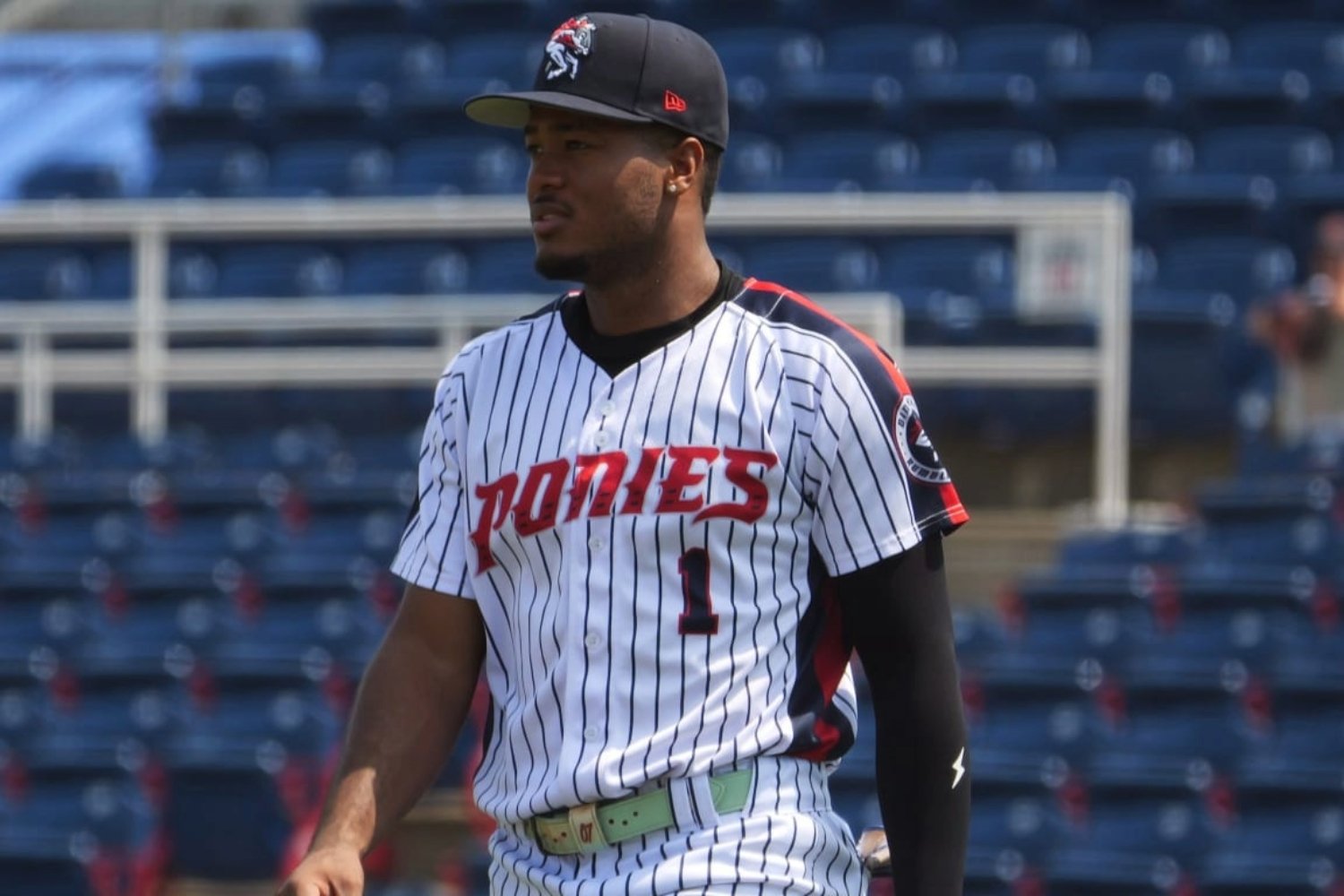 Life may not be great for the New York Mets at the big-league level, but they have a special nucleus forming in the minor leagues. Mitch Voit was already turning heads entering the trade deadline, and Jefferson Rojas is the top dog on a laundry list of 11 new prospects who could make a seismic impact in New York’s farm system. Let’s dive into the latest on Voit and Rojas. Mitch Voit Is Exploding Up Top Prospect Lists Voit is a first-round pick from the 2025 MLB Draft, and he’s quickly gained a reputation for his multi-faceted approach. The former Michigan Wolverine has stolen 42 bases this year, and his strikeout rate (12.0 percent) is far lower than his walk rate (18.0 percent) as we hit the home stretch of the 2026 Minor League Baseball season. The Mets' No. 6 prospect earned the promotion from High-A Brooklyn to Double-A Binghamton a few weeks ago, and he’s really found his stroke ever since leveling up. An Unbelievable Start To Double-A Voit’s productivity over the last two weeks fits the “video-game numbers” hyperbole well, except it isn’t a hyperbole in this case. Voit was slashing just .242/.349/.396 in High-A, but something has seemingly clicked since his call-up. He's 22-for-40 (.550 AVG) with a home run, nine runs batted in, nine extra-base hits and six stolen bags all in 11 games with the Rumble Ponies. His zone-contact percentage of 92.6 percent (96th percentile) is elite, as the 21-year-old is catching any ball in his vicinity clean. His 99th percentile speed rating (per Prospect Savant) is an added bonus to what has been one of the hottest bats in all of Minor League Baseball lately. The sure-handed infielder has played back and forth between the shortstop and second base positions, showing true five-tool upside in just his first full professional season. Jefferson Rojas Was Worth the Price The Mets also traded for one of the top prospects in baseball, acquiring Jefferson Rojas in exchange for right-handed pitcher Clay Holmes and outfielder Tyrone Taylor. New York entered the deadline period well below .500 and acquired more top-30 prospects than any other big-league ball club. Holmes, a rental, and Taylor, a fringe-starting outfielder, is all they had to give up to acquire one of the most talented rising stars in the game. Rojas Can Do It All Rojas immediately earned the nod as the team’s top prospect, per MLB Pipeline, and he’s the 63rd-ranked prospect in all of baseball. Also 21 years old, Rojas has at least a 50-grade pinned to all five of his scouting tools; his hit tool is labeled as one of his best characteristics, with the former Cubs farmhand slashing .267/.335/.455 (.790 OPS) over 96 games between his time with Double-A Knoxville and Double-A Binghamton. The Mets’ top prospect is an aggressive hitter, offering at 71.2 percent of pitches he sees in the zone (76th percentile) and making opposing hitters pay rather often. Rojas has the potential to be more power-oriented out of the two up-and-coming middle infielders, as he’s swatted 15 homers this season already. The Mets' Middle Infield Has A Controllable, Exciting Future What does the future hold for the Mets’ middle infield? With two of their top six prospects tearing it up this year, and getting time together in Binghamton to build a bond on defense, the future in the big apple could be ultra-exciting. There’s a long way to go for a couple of guys who haven’t made their big-league debut yet, but when that time comes, New York has a pair of multi-faceted threats who could terrorize opposing pitching for years to come.
 -
The New York Mets were definite sellers at this year's MLB trade deadline, and they acquired more top 30 prospects (11) than any other organization. Jefferson Rojas is their new top farmhand, and the middle infielder looks to be a well-rounded talent who could help the big-league ball club soon. Mitch Voit, the team's sixth-ranked farmhand, has a similar profile, except he's been going ballistic in Double-A. The 21-year-old has a .550 batting average (22-for-40) and a 1.483 OPS across 11 games with the Binghamton Rumble Ponies. View full video
-
The New York Mets were definite sellers at this year's MLB trade deadline, and they acquired more top 30 prospects (11) than any other organization. Jefferson Rojas is their new top farmhand, and the middle infielder looks to be a well-rounded talent who could help the big-league ball club soon. Mitch Voit, the team's sixth-ranked farmhand, has a similar profile, except he's been going ballistic in Double-A. The 21-year-old has a .550 batting average (22-for-40) and a 1.483 OPS across 11 games with the Binghamton Rumble Ponies.
-
Image courtesy of © Dylan Widger-USA TODAY Sports The New York Mets were clear sellers at this year’s MLB trade deadline, and one of their earliest moves was dealing reliever A.J. Minter to the Minnesota Twins for some prospect help. Among the returnees is a farmhand by the name of Billy Amick, an infielder who is having an unbelievably impressive season. Let’s dive into what he brings to the table, and how he may be able to help the Mets down the road. Billy Amick's Updated Mets Scouting Report Amick is a 23-year-old corner infielder prospect and is one of New York’s newest up-and-coming talents. The Mooresville, NC native played his college baseball at the University of Tennessee and was a member of the 2024 College World Series winning squad. After spending a pair of seasons with Clemson, the third baseman held a potent bat with the Volunteers in his one and only year with the group. Amick made a profound impact in his final collegiate season, thrashing 23 homers with 65 runs batted in while slashing .306/.387/.639 for an impressive 1.026 OPS. That campaign was enough to make him a second-round pick, as the Twins selected Amick 60th overall in the 2024 MLB Draft. A Power Surge In 2026 The third baseman made plenty of progress in 2025, climbing from rookie ball up to High-A Cedar Rapids, but this season, he’s tapped back into the power many saw at Tennessee. Amick is slashing .224/.341/.502 with 26 home runs and 80 runs batted in over 91 games played. The powerful third baseman is on pace to eclipse 30 homers in just his second full season in the professional ranks, and his .842 OPS shows this is someone who can be a problem as he makes his way up the minor-league ladder. A Closer Look At The Damage It’s one thing to hit a ton of homers, but let’s take a look under the hood to see just how productive of a batter Amick is. The 23-year-old is getting out in front of the baseball plenty, logging a 28.6 percent pull-air percentage, good enough for the 93rd percentile in Double-A. Building off of that, the former Twins prospect is also putting the ball on the ground just 28.6 percent of the time (96th percentile). Someone who can lift the ball to the outfield consistently can move runners over instead of eliminating a pair of them in one swing. On top of his power, Amick has also made for a consistent on-base presence, drawing a 13.2 percent walk rate (73rd percentile). Room For Improvement While the third baseman has generated plenty of opportunities, whether it be from a clobbered baseball or one of many free passes he’s earned this season, the Mets up-and-coming infielder still has his faults. He isn’t chasing out of the zone much, yet Amick has 38.6 percent whiff rate (8th percentile). Cross reference this metric with the fact he’s swinging at 68 percent of offerings in the zone, and you get a 72 percent zone contact rate that’s one of the lowest in all of Minor League Baseball. Amick has the right idea; he’s swinging at quality pitches, but he’s getting fooled on pitch type/location. No matter how powerful he is or how often he gets on base, it'll be tough for him to make a mark while he's striking out in 30% of his trips to the plate. Expectations With Mets While Amick is far from perfect, the pop and potential are there. The Mets have struggled mightily at the plate this year, and their slugging is a big reason why; New York is 24th in slugging percentage (.387) and 27th in OPS (.692). If Amick keeps these power numbers up and can cut down on the swing and miss in his game, he could be a perfect in-house solution to that problem. View full article
-
Mets' Trade Deadline Gamble on Billy Amick Was A Bet Worth Making
Cory Sparks posted an article in Minor Leagues
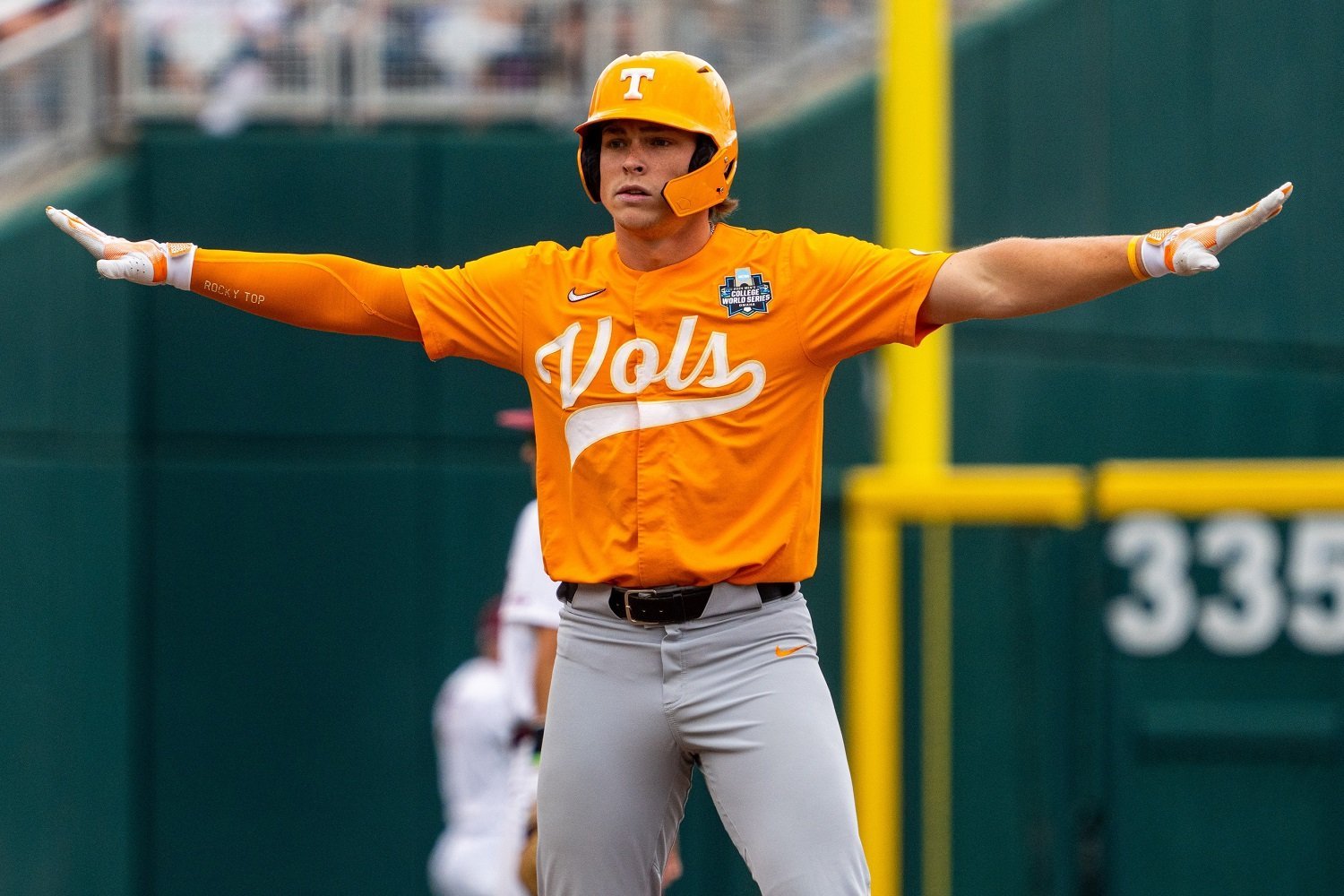 The New York Mets were clear sellers at this year’s MLB trade deadline, and one of their earliest moves was dealing reliever A.J. Minter to the Minnesota Twins for some prospect help. Among the returnees is a farmhand by the name of Billy Amick, an infielder who is having an unbelievably impressive season. Let’s dive into what he brings to the table, and how he may be able to help the Mets down the road. Billy Amick's Updated Mets Scouting Report Amick is a 23-year-old corner infielder prospect and is one of New York’s newest up-and-coming talents. The Mooresville, NC native played his college baseball at the University of Tennessee and was a member of the 2024 College World Series winning squad. After spending a pair of seasons with Clemson, the third baseman held a potent bat with the Volunteers in his one and only year with the group. Amick made a profound impact in his final collegiate season, thrashing 23 homers with 65 runs batted in while slashing .306/.387/.639 for an impressive 1.026 OPS. That campaign was enough to make him a second-round pick, as the Twins selected Amick 60th overall in the 2024 MLB Draft. A Power Surge In 2026 The third baseman made plenty of progress in 2025, climbing from rookie ball up to High-A Cedar Rapids, but this season, he’s tapped back into the power many saw at Tennessee. Amick is slashing .224/.341/.502 with 26 home runs and 80 runs batted in over 91 games played. The powerful third baseman is on pace to eclipse 30 homers in just his second full season in the professional ranks, and his .842 OPS shows this is someone who can be a problem as he makes his way up the minor-league ladder. A Closer Look At The Damage It’s one thing to hit a ton of homers, but let’s take a look under the hood to see just how productive of a batter Amick is. The 23-year-old is getting out in front of the baseball plenty, logging a 28.6 percent pull-air percentage, good enough for the 93rd percentile in Double-A. Building off of that, the former Twins prospect is also putting the ball on the ground just 28.6 percent of the time (96th percentile). Someone who can lift the ball to the outfield consistently can move runners over instead of eliminating a pair of them in one swing. On top of his power, Amick has also made for a consistent on-base presence, drawing a 13.2 percent walk rate (73rd percentile). Room For Improvement While the third baseman has generated plenty of opportunities, whether it be from a clobbered baseball or one of many free passes he’s earned this season, the Mets up-and-coming infielder still has his faults. He isn’t chasing out of the zone much, yet Amick has 38.6 percent whiff rate (8th percentile). Cross reference this metric with the fact he’s swinging at 68 percent of offerings in the zone, and you get a 72 percent zone contact rate that’s one of the lowest in all of Minor League Baseball. Amick has the right idea; he’s swinging at quality pitches, but he’s getting fooled on pitch type/location. No matter how powerful he is or how often he gets on base, it'll be tough for him to make a mark while he's striking out in 30% of his trips to the plate. Expectations With Mets While Amick is far from perfect, the pop and potential are there. The Mets have struggled mightily at the plate this year, and their slugging is a big reason why; New York is 24th in slugging percentage (.387) and 27th in OPS (.692). If Amick keeps these power numbers up and can cut down on the swing and miss in his game, he could be a perfect in-house solution to that problem.
 -
Billy Amick was part of the prospect return in the A.J. Minter deal, and the New York Mets may have found a true diamond in the rough. One of the last picks in the second round of last year's draft, Amick has a remarkable combination of pull-side power, a high walk rate, and the potential to become someone who can hit for average and slug. Enjoy! View full video
-
Billy Amick was part of the prospect return in the A.J. Minter deal, and the New York Mets may have found a true diamond in the rough. One of the last picks in the second round of last year's draft, Amick has a remarkable combination of pull-side power, a high walk rate, and the potential to become someone who can hit for average and slug. Enjoy!
-
Image courtesy of © Jeff Hanisch-Imagn Images Freddy Peralta has gained a reputation as one of the most consistent starting pitchers in baseball over the years. Given the nickname “Fastball Freddy” for his reliance on his favorite pitch, Peralta has long been a capable ace and was a big get for the New York Mets this past offseason. Now, his earned run average is north of five and he’s struggling mightily. Let’s uncover why that is. Freddy Peralta's Failed Mets Tenure Peralta is a 30-year-old right-handed pitcher who came by way of a trade, as the Brewers dealt him to New York in exchange for a pair of top prospects in Brandon Sproat and Jett Williams. This came after eight seasons of high-octane play that led to a pair of All-Star selections and even a finish as a top-5 National League Cy Young candidate in 2025. This year, the Mets starter has floundered, generating a 5-9 record and a 5.01 earned run average following a loss against his former team. Why is he struggling, and what is with the sudden drop-off for someone who was so productive for so many years? Fastball Freddy's Waning Heater For starters, the former Brewers’ ace has seen his fastball slow down a tick, and although it’s subtle, every bit matters for an option Peralta utilizes 53% of the time. Furthermore, hitters have managed to log a .266 batting average against his four-seamer, a whole 57 points higher than last year’s mark. Opposing batters are also slugging .427 and generating an average exit velocity of 90.4 miles per hour against the fastball, the highest exit velocity generated against any of his pitches. Interestingly enough, Peralta is getting 6.5 feet of extension on the pitch, down from a 6.8 mark a year ago. While this doesn’t exactly qualify as him “short-arming” the baseball, this makes the ball appear to come in even slower to the plate. Swing-And-Miss Tendencies Another aspect that just isn’t clicking like it used to is his ability to make hitters miss and force them to chase out of the zone. Let’s start with the whiff rate: In 2018 (Peralta’s rookie season), he generated a whiff rate in the 62nd percentile. In his second season, with an increased spin rate on his fastball, the mark improved to the 73rd percentile. In the six years following, he lived in the top quarter of major-league arms. That is until the 2026 season, where Peralta’s fastball spin rate, overall velocity, and his whiff rate, have reached career lows relative to the rest of this league. The chase rate hasn’t been much better. While Peralta has never esteemed for his ability to coax swings on bad pitches, largely due to his heavy dosage of the fastball, he has dropped from the 49th percentile in 2025 to the 34th percentile in 2026. As a result, he’s working from behind in counts, being hit harder and overall, allowing more runs. What Comes next Peralta is 30 years old and seems to be showing signs of being on the back half of his career. How can someone who doesn’t have the strikeout stuff that he used to adapt to this new reality, especially in a league where crazy amounts of velocity and induced vertical break reign supreme? The answer is all in his location and contact tendencies. Another team at the trade deadline will see a once-great arm in need of a makeover, looking to help Peralta become a more crafty pitcher on the mound. It's just a shame that evolution won't happen in New York, as the Mets will look to retool for 2027 and beyond over the next week and change. View full article
-
Freddy Peralta's Disappointing Mets Tenure Is Coming To A Lifeless End
Cory Sparks posted an article in Mets
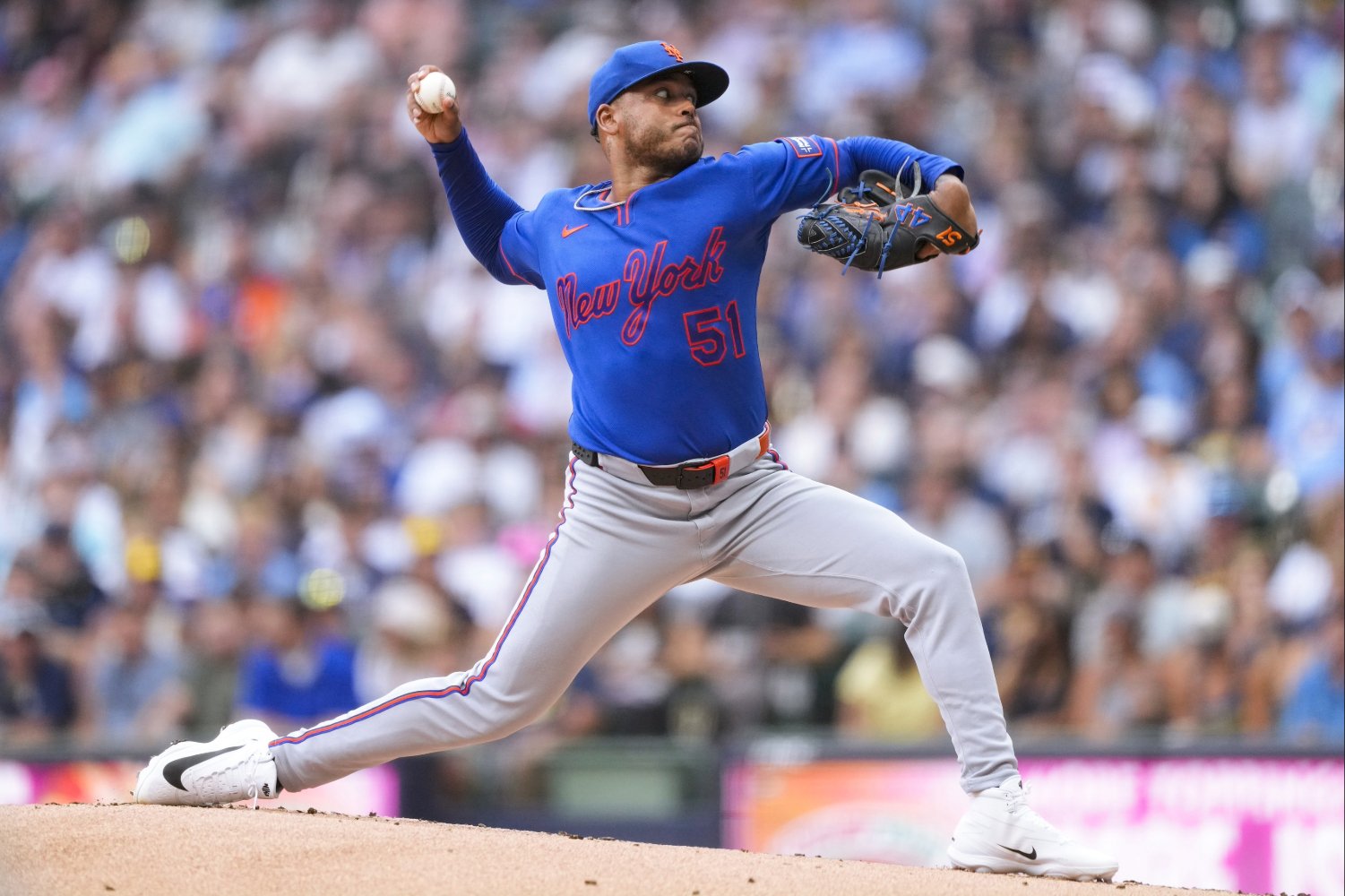 Freddy Peralta has gained a reputation as one of the most consistent starting pitchers in baseball over the years. Given the nickname “Fastball Freddy” for his reliance on his favorite pitch, Peralta has long been a capable ace and was a big get for the New York Mets this past offseason. Now, his earned run average is north of five and he’s struggling mightily. Let’s uncover why that is. Freddy Peralta's Failed Mets Tenure Peralta is a 30-year-old right-handed pitcher who came by way of a trade, as the Brewers dealt him to New York in exchange for a pair of top prospects in Brandon Sproat and Jett Williams. This came after eight seasons of high-octane play that led to a pair of All-Star selections and even a finish as a top-5 National League Cy Young candidate in 2025. This year, the Mets starter has floundered, generating a 5-9 record and a 5.01 earned run average following a loss against his former team. Why is he struggling, and what is with the sudden drop-off for someone who was so productive for so many years? Fastball Freddy's Waning Heater For starters, the former Brewers’ ace has seen his fastball slow down a tick, and although it’s subtle, every bit matters for an option Peralta utilizes 53% of the time. Furthermore, hitters have managed to log a .266 batting average against his four-seamer, a whole 57 points higher than last year’s mark. Opposing batters are also slugging .427 and generating an average exit velocity of 90.4 miles per hour against the fastball, the highest exit velocity generated against any of his pitches. Interestingly enough, Peralta is getting 6.5 feet of extension on the pitch, down from a 6.8 mark a year ago. While this doesn’t exactly qualify as him “short-arming” the baseball, this makes the ball appear to come in even slower to the plate. Swing-And-Miss Tendencies Another aspect that just isn’t clicking like it used to is his ability to make hitters miss and force them to chase out of the zone. Let’s start with the whiff rate: In 2018 (Peralta’s rookie season), he generated a whiff rate in the 62nd percentile. In his second season, with an increased spin rate on his fastball, the mark improved to the 73rd percentile. In the six years following, he lived in the top quarter of major-league arms. That is until the 2026 season, where Peralta’s fastball spin rate, overall velocity, and his whiff rate, have reached career lows relative to the rest of this league. The chase rate hasn’t been much better. While Peralta has never esteemed for his ability to coax swings on bad pitches, largely due to his heavy dosage of the fastball, he has dropped from the 49th percentile in 2025 to the 34th percentile in 2026. As a result, he’s working from behind in counts, being hit harder and overall, allowing more runs. What Comes next Peralta is 30 years old and seems to be showing signs of being on the back half of his career. How can someone who doesn’t have the strikeout stuff that he used to adapt to this new reality, especially in a league where crazy amounts of velocity and induced vertical break reign supreme? The answer is all in his location and contact tendencies. Another team at the trade deadline will see a once-great arm in need of a makeover, looking to help Peralta become a more crafty pitcher on the mound. It's just a shame that evolution won't happen in New York, as the Mets will look to retool for 2027 and beyond over the next week and change.
 -
Freddy Peralta is a two-time All-Star and was considered a significant offseason acquisition for the New York Mets. Yet this year, the 30-year-old has struggled to find his footing in the Big Apple. In this video, we'll jump into the advanced analytics of why Peralta is struggling so badly and what key adjustments he can make to adapt to his evolving arsenal. View full video
-
Freddy Peralta is a two-time All-Star and was considered a significant offseason acquisition for the New York Mets. Yet this year, the 30-year-old has struggled to find his footing in the Big Apple. In this video, we'll jump into the advanced analytics of why Peralta is struggling so badly and what key adjustments he can make to adapt to his evolving arsenal.
-
Image courtesy of © Mark J. Rebilas-Imagn Images The New York Mets have put themselves in clear sell-mode at this year’s MLB trade deadline. Holding a 43-59 record, they are in a position to ship off big-league players to needy, win-now teams in exchange for a change to build their future around Juan Soto. Let’s dive in to three different prospects the Mets could go after to speed up their rebuild. Brody Hopkins, Tampa Bay Rays It’s the middle of July, and the Tampa Bay Rays are still leading the American League East. Tampa will likely be picking up the phone looking for another proven bat. If the Mets choose to be their suitor, and if that bat holds enough value, the Rays’ top pitching prospect in Brody Hopkins could make for a remarkable fit. Hopkins is currently in Triple-A, pitching for the Durham Bulls. The 24-year-old has a 4-7 record with a 4.52 earned run average over 77.2 innings pitched in 19 appearances, 16 of them being starts. The 2023 sixth-round pick has a lethal 1-2 combo, flexing 60-grades with his fastball and curveball. The four-seam fastball sits between 95-98 mph and can touch triple digits, while his curveball profiles as a power breaking pitch in the upper-80s. Hopkins’ strikeout stuff is electric, as he touts a career K/9 rate just south of 11 while allowing a .199 opposing batting average. His main problem has been control, an attribute that MLB Pipeline rates as a 45-grade (average). Entering this season, the hard-throwing righty averaged a walk every other inning; that rate has ballooned thanks to his allowance of 74 free passes in 77.2 innings pitched this season. Josiah Hartshorn, Chicago Cubs The Cubs are in primed position to take one of the top spots in the National League, but they have a very clear need: starting pitching. As it stands now, Ben Brown, Cade Horton, Justin Steele and Edward Cabrera (that’s enough to fill an entire playoff rotation) are all sidelined for varying amounts of time. Chicago just made a trade for Aaron Civale, who had a 5.42 ERA with the Athletics this year, so they're still looking for a top-tier arm. Grabbing someone like Freddy Peralta, even in a down year, would be a significant upgrade for the North Siders, and Josiah Hartshorn could be an appropriate return. Hartshorn is a switch-hitting outfielder who has taken off this year. At just 19 years of age, the 2025 sixth-round pick has throttled 15 home runs and 69 runs batted in across Low-A Myrtle Beach and High-A South Bend. With 54 walks to 74 strikeouts, Hartshorn is showing an advanced approach. His main pitfall has been his defense, as the question surrounds whether he’ll be a corner outfielder or infielder based on mobility reasons. Still, this is the kind of bat you can bet your future on. Murf Gray, Pittsburgh Pirates After sweeping the red-hot Milwaukee Brewers to close out the first half, the Pittsburgh Pirates have tossed themselves into the buyers pool. The Pirates are 52-49 and aiming to make a surge up the NL Wild Card rankings. They have a main need to get there, though: a reliable reliever. The team has blown 18 saves in 37 opportunities. If the Mets want to be that supplier for a reliable, back-end reliever, they should ask for Murf Gray in return. Gray is Pittsburgh’s third-ranked prospect, and he just cracked MLB Pipeline’s top 100 list at No. 100. Gray has 24 home runs across Low-A Bradenton, High-A Greensboro and now Double-A Altoona, a mark that puts him at seventh place in all of Minor League Baseball. Gray was a second-round pick in the 2025 MLB Draft, and he’s currently slashing .325/.408/.607 with a 1.015 OPS across three different levels of affiliate ball. The scary part? His 60-grade arm is currently his best attribute, according to scouts. This is a reliable corner infielder who could supply a big-league ball club with some game-changing power as soon as next year. View full article
-
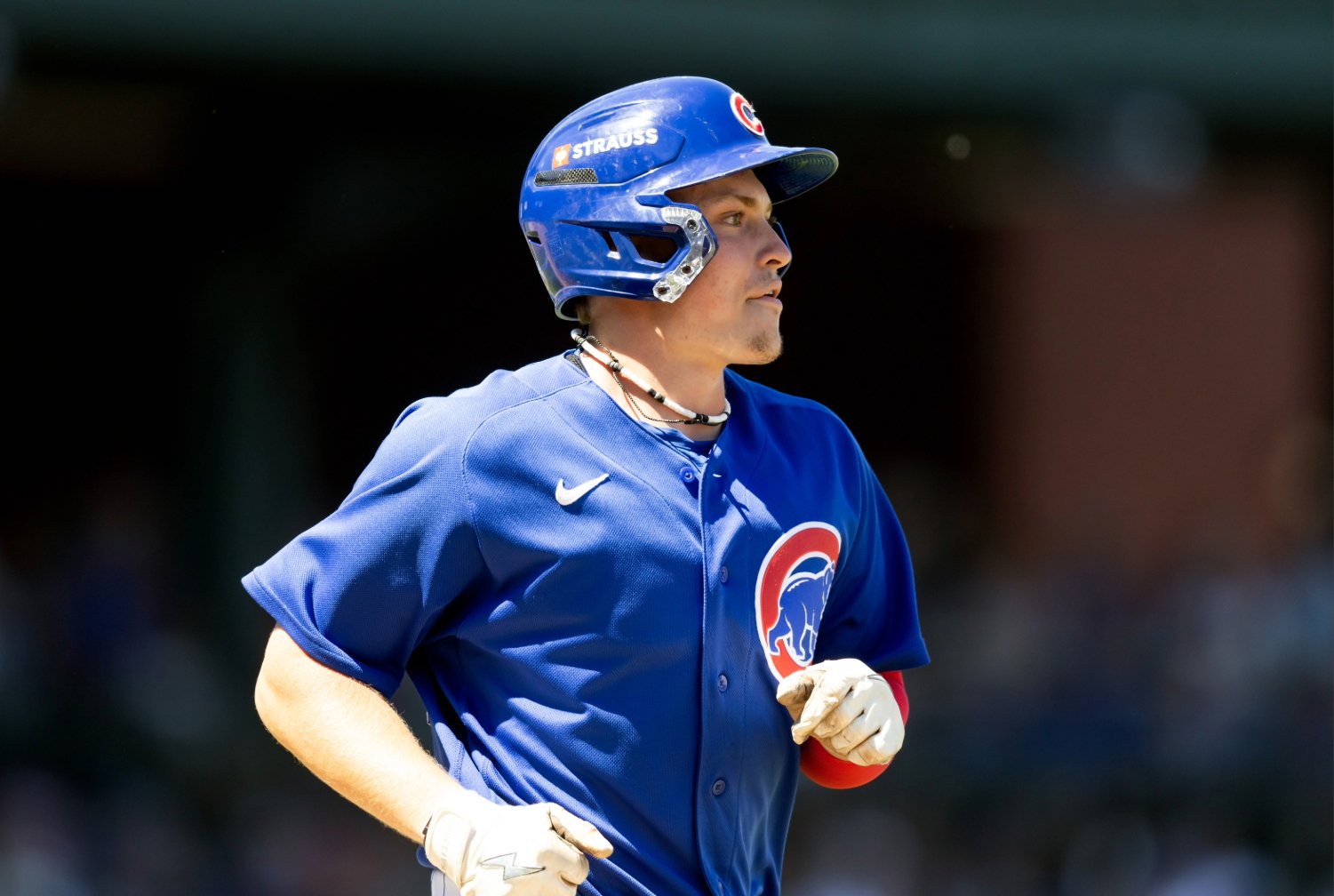 The New York Mets have put themselves in clear sell-mode at this year’s MLB trade deadline. Holding a 43-59 record, they are in a position to ship off big-league players to needy, win-now teams in exchange for a change to build their future around Juan Soto. Let’s dive in to three different prospects the Mets could go after to speed up their rebuild. Brody Hopkins, Tampa Bay Rays It’s the middle of July, and the Tampa Bay Rays are still leading the American League East. Tampa will likely be picking up the phone looking for another proven bat. If the Mets choose to be their suitor, and if that bat holds enough value, the Rays’ top pitching prospect in Brody Hopkins could make for a remarkable fit. Hopkins is currently in Triple-A, pitching for the Durham Bulls. The 24-year-old has a 4-7 record with a 4.52 earned run average over 77.2 innings pitched in 19 appearances, 16 of them being starts. The 2023 sixth-round pick has a lethal 1-2 combo, flexing 60-grades with his fastball and curveball. The four-seam fastball sits between 95-98 mph and can touch triple digits, while his curveball profiles as a power breaking pitch in the upper-80s. Hopkins’ strikeout stuff is electric, as he touts a career K/9 rate just south of 11 while allowing a .199 opposing batting average. His main problem has been control, an attribute that MLB Pipeline rates as a 45-grade (average). Entering this season, the hard-throwing righty averaged a walk every other inning; that rate has ballooned thanks to his allowance of 74 free passes in 77.2 innings pitched this season. Josiah Hartshorn, Chicago Cubs The Cubs are in primed position to take one of the top spots in the National League, but they have a very clear need: starting pitching. As it stands now, Ben Brown, Cade Horton, Justin Steele and Edward Cabrera (that’s enough to fill an entire playoff rotation) are all sidelined for varying amounts of time. Chicago just made a trade for Aaron Civale, who had a 5.42 ERA with the Athletics this year, so they're still looking for a top-tier arm. Grabbing someone like Freddy Peralta, even in a down year, would be a significant upgrade for the North Siders, and Josiah Hartshorn could be an appropriate return. Hartshorn is a switch-hitting outfielder who has taken off this year. At just 19 years of age, the 2025 sixth-round pick has throttled 15 home runs and 69 runs batted in across Low-A Myrtle Beach and High-A South Bend. With 54 walks to 74 strikeouts, Hartshorn is showing an advanced approach. His main pitfall has been his defense, as the question surrounds whether he’ll be a corner outfielder or infielder based on mobility reasons. Still, this is the kind of bat you can bet your future on. Murf Gray, Pittsburgh Pirates After sweeping the red-hot Milwaukee Brewers to close out the first half, the Pittsburgh Pirates have tossed themselves into the buyers pool. The Pirates are 52-49 and aiming to make a surge up the NL Wild Card rankings. They have a main need to get there, though: a reliable reliever. The team has blown 18 saves in 37 opportunities. If the Mets want to be that supplier for a reliable, back-end reliever, they should ask for Murf Gray in return. Gray is Pittsburgh’s third-ranked prospect, and he just cracked MLB Pipeline’s top 100 list at No. 100. Gray has 24 home runs across Low-A Bradenton, High-A Greensboro and now Double-A Altoona, a mark that puts him at seventh place in all of Minor League Baseball. Gray was a second-round pick in the 2025 MLB Draft, and he’s currently slashing .325/.408/.607 with a 1.015 OPS across three different levels of affiliate ball. The scary part? His 60-grade arm is currently his best attribute, according to scouts. This is a reliable corner infielder who could supply a big-league ball club with some game-changing power as soon as next year.
 -
The New York Mets are in clear sell mode, as they are well below .500 coming out of the All-Star break. In this video, we'll explain the benefits of going after trade packages that include Rays pitching prospect Brody Hopkins, Cubs outfield prospect Josiah Hartshorn, and Pirates corner infield prospect Murf Gray. Enjoy! View full video
-
The New York Mets are in clear sell mode, as they are well below .500 coming out of the All-Star break. In this video, we'll explain the benefits of going after trade packages that include Rays pitching prospect Brody Hopkins, Cubs outfield prospect Josiah Hartshorn, and Pirates corner infield prospect Murf Gray. Enjoy!
-
That's definitely the main priority, but I like the high-floor profile considering what he was able to do in college
-
Image courtesy of Ed Delany | Metsmerized The New York Mets have a strong nucleus of up-and-coming contributors, and while some have already debuted (Carson Benge, A.J. Ewing), others like Mitch Voit are garnering momentum in the lower levels of the minor leagues. Voit has the tools to be a part of the next line of risers, and his recent performance implies he could already be well on his way. Let’s dive into his overall skillset and promising trajectory. Mitch Voit's Path to New York Voit is the Mets’ sixth-ranked prospect, per Grand Central Mets. The 21-year-old stands at 6 feet tall, weighs 201 pounds and New York picked him 38th overall in the 2025 MLB Draft. Every single one of his tools is at least a 50-grade on the MLB Pipeline 20-to-80 scouting scale. He used to be a two-way player, just like Nolan McLean and Carson Benge did. So far, a pair of seasons into his professional career (and embarking on his first full campaign), he has impressed and seems to be trending in the right direction. Ascending Quickly The middle infielder didn’t waste any time getting into the professional ranks after being drafted, as he played 22 games in Low-A St. Lucie to round out last year’s minor league season. The former Michigan Wolverine slashed .235/.343/.292 with a home run, eight runs batted in and a ridiculous 20 stolen bags in his brief but impactful stint in Low-A. This was enough to push him to High-A with the Brooklyn Cyclones, where Voit has improved in nearly every offensive category. His slash line is up to .240/.351/.408 through 68 contests with the Cyclones. July 9 was arguably one of his best showings, going 2-for-2 with a home run, three RBI, two runs scored, two walks and five total bases. He’s Got Power, He’s Got Speed Voit has shown plenty of power through just past the halfway point of his first full MiLB season, throttling 11 home runs and 11 doubles for 22 extra-base hits (averaging one about every third game). His pull-air rate is 14.8 percent, good enough to nestle him in the 63rd percentile according to TJ Stats. His swing decisions and overall contact ability have been promising too, as his 68.6 percent zone swing rate is above league average (63rd percentile), and he’s whiffing only 26.5 percent of the time, less often than the average minor league hitter. As a result, he’s only striking out 20.3 percent of the time (78th percentile) and is identifying pitches well as he elevates up the Mets’ minor league ladder. Voit’s speed, slotted as a 60-grade on MLB Pipeline’s scale, has also been a spectacle. The former Big Ten standout has 30 stolen bases through 66 games, as he’d be on pace for over 60 in a full season. Overall Trajectory When can we expect someone like Voit to ultimately debut at Citi Field? Considering he was a three-year college athlete who got selected just on the fringe of the first round, it shouldn’t be longer than 2-3 years in total. His arm is a 60-grade tool, the power numbers are climbing, and his awareness on the basepaths is only improving as the competition grows more fierce. Francisco Lindor is a roadblock, but only at shortstop. Nothing should be standing between Voit and Queens at second base once he's ready for The Show. View full article
-
Mitch Voit Has Put Himself on the Fast Track to New York
Cory Sparks posted an article in Minor Leagues
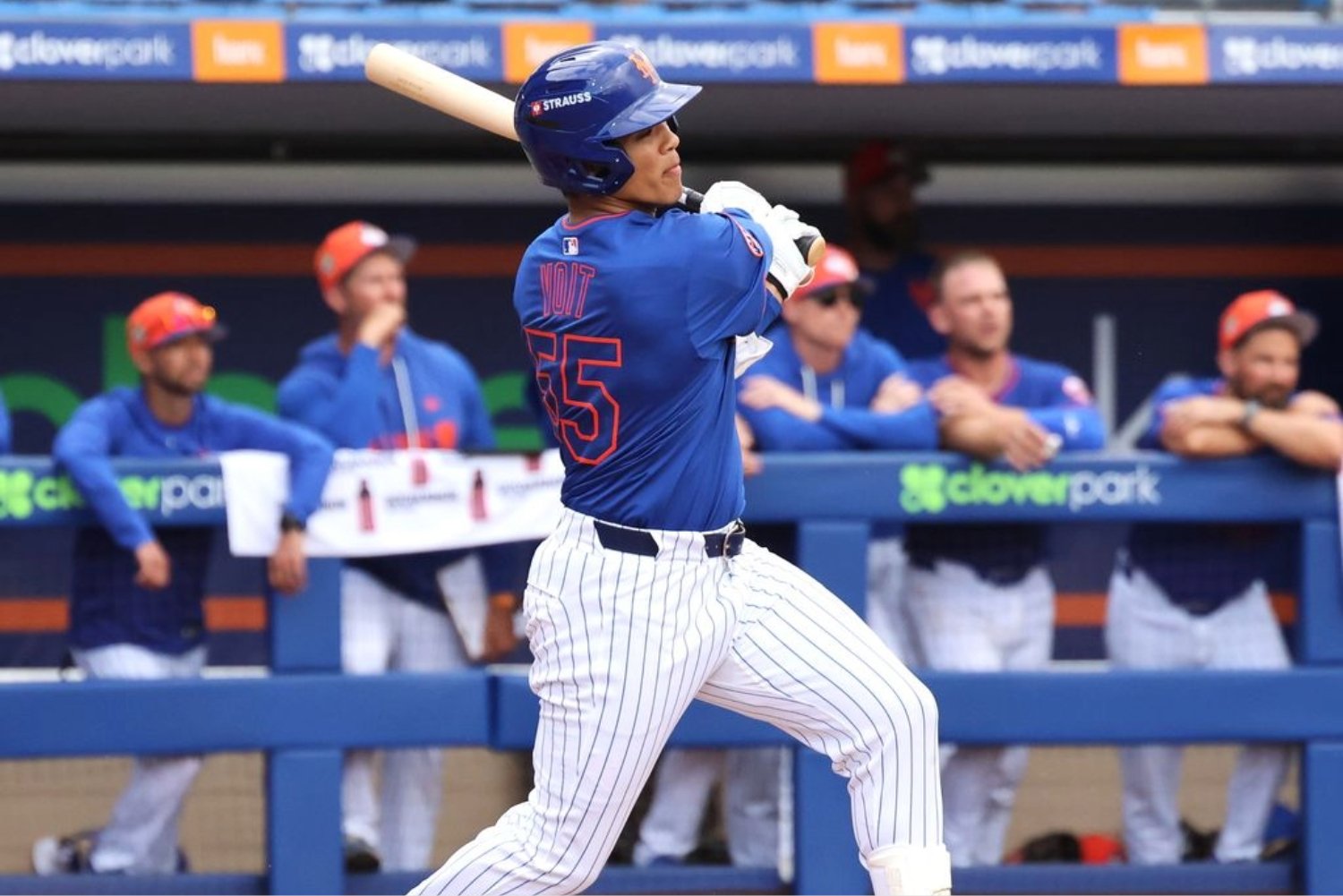 The New York Mets have a strong nucleus of up-and-coming contributors, and while some have already debuted (Carson Benge, A.J. Ewing), others like Mitch Voit are garnering momentum in the lower levels of the minor leagues. Voit has the tools to be a part of the next line of risers, and his recent performance implies he could already be well on his way. Let’s dive into his overall skillset and promising trajectory. Mitch Voit's Path to New York Voit is the Mets’ sixth-ranked prospect, per Grand Central Mets. The 21-year-old stands at 6 feet tall, weighs 201 pounds and New York picked him 38th overall in the 2025 MLB Draft. Every single one of his tools is at least a 50-grade on the MLB Pipeline 20-to-80 scouting scale. He used to be a two-way player, just like Nolan McLean and Carson Benge did. So far, a pair of seasons into his professional career (and embarking on his first full campaign), he has impressed and seems to be trending in the right direction. Ascending Quickly The middle infielder didn’t waste any time getting into the professional ranks after being drafted, as he played 22 games in Low-A St. Lucie to round out last year’s minor league season. The former Michigan Wolverine slashed .235/.343/.292 with a home run, eight runs batted in and a ridiculous 20 stolen bags in his brief but impactful stint in Low-A. This was enough to push him to High-A with the Brooklyn Cyclones, where Voit has improved in nearly every offensive category. His slash line is up to .240/.351/.408 through 68 contests with the Cyclones. July 9 was arguably one of his best showings, going 2-for-2 with a home run, three RBI, two runs scored, two walks and five total bases. He’s Got Power, He’s Got Speed Voit has shown plenty of power through just past the halfway point of his first full MiLB season, throttling 11 home runs and 11 doubles for 22 extra-base hits (averaging one about every third game). His pull-air rate is 14.8 percent, good enough to nestle him in the 63rd percentile according to TJ Stats. His swing decisions and overall contact ability have been promising too, as his 68.6 percent zone swing rate is above league average (63rd percentile), and he’s whiffing only 26.5 percent of the time, less often than the average minor league hitter. As a result, he’s only striking out 20.3 percent of the time (78th percentile) and is identifying pitches well as he elevates up the Mets’ minor league ladder. Voit’s speed, slotted as a 60-grade on MLB Pipeline’s scale, has also been a spectacle. The former Big Ten standout has 30 stolen bases through 66 games, as he’d be on pace for over 60 in a full season. Overall Trajectory When can we expect someone like Voit to ultimately debut at Citi Field? Considering he was a three-year college athlete who got selected just on the fringe of the first round, it shouldn’t be longer than 2-3 years in total. His arm is a 60-grade tool, the power numbers are climbing, and his awareness on the basepaths is only improving as the competition grows more fierce. Francisco Lindor is a roadblock, but only at shortstop. Nothing should be standing between Voit and Queens at second base once he's ready for The Show.
 -
Mitch Voit is the New York Mets' sixth-ranked prospect, per our rankings. The 2025 38th overall pick is already in High-A Brooklyn, and he's significantly improved his slash line from a year ago when he had a cup of coffee in Single-A St. Lucie. In this video, we'll break down his 1-2 punch of a skillset and how the middle infielder could slot into the big league ball club's future plans. View full video
-
Mitch Voit is the New York Mets' sixth-ranked prospect, per our rankings. The 2025 38th overall pick is already in High-A Brooklyn, and he's significantly improved his slash line from a year ago when he had a cup of coffee in Single-A St. Lucie. In this video, we'll break down his 1-2 punch of a skillset and how the middle infielder could slot into the big league ball club's future plans.
-
The New York Mets have had a first half to forget. A team that recently acquired Juan Soto and Bo Bichette finds itself well below .500 and without its original manager in Carlos Mendoza. In this video, we'll break down what Bichette, Freddy Peralta, and Marcus Semien need to improve on to turn the team's season around before it's too late. View full video
-
The New York Mets have had a first half to forget. A team that recently acquired Juan Soto and Bo Bichette finds itself well below .500 and without its original manager in Carlos Mendoza. In this video, we'll break down what Bichette, Freddy Peralta, and Marcus Semien need to improve on to turn the team's season around before it's too late.
-
Image courtesy of © Brad Penner-Imagn Images Fresh off of the firing of former manager Carlos Mendoza, it’s no secret that the New York Mets have underperformed in the first half of the 2026 season. This is a group that locked down Fransisco Lindor a few years ago and recently acquired big-ticket talents like Juan Soto and Bo Bichette. Nolan McLean, one of the top pitching prospects in the sport, is a staple in their rotation and A.J. Ewing got the early call to give this group a shot in the arm. Despite that laundry list of seemingly positive occurrences, New York is 34-48 and dead last in the National League East. Here are three players who need to step it up in the Big Apple with Andy Green now stepping in to take Mendoza's place. Bo Bichette Bo Bichette is front and center on this list. Any time a player signs a contract (three years, $126 million) worth over $40 million year over year, subpar results will be met with scrutiny. Bichette had hit north of .300 in four of his first seven MLB seasons, yet right now he’s sporting a .254 batting average with an on-base percentage at just .299. While the shortstop has left much to be desired so far this season, he is running into a decent amount of bad luck. Baseball Savant has his expected batting average slotted at .285, a whole 29 points higher than his actual value. Above-average marks in average exit velocity (73rd percentile), hard-hit percentage (69th percentile) and squared-up percentage (72nd percentile) all imply that he is making quality contact despite a lackluster bat speed. The defense has also been a struggle point for Bichette so far. His -1 outs above average rating slots him in the 34th percentile, with an arm strength value also dropping below the league mean. Bichette has been much better in June, but that doesn’t cut it considering his contract and the Mets’ expectations entering this season. Freddy Peralta New York cashed out in the trade market to land Freddy Peralta, and the hope was that he could bolster the front of the rotation with a veteran presence to supplement a rather green Nolan McLean. Unfortunately for New York, Peralta is having one of his worst seasons to date. The 30-year-old right-handed pitcher holds a 5-6 record with a 4.53 earned run average over 17 starts. Peralta is a unique case-study, as he’s always been heavily reliant on the fastball. The former Brewer technically possesses five different pitches, but he relies on his four-seamer a whopping 53% of the time. This year, his primary offering is being met with a .242 batting average against, up from a .209 mark in 2025. Outside of his ability to limit opposing hitters’ barrel percentage to just 5.1% (82nd percentile) this year, all of his other marks have hung around the average line. This performance has been a stark contrast from someone who was 17-6 with a 2.70 earned run average just a year ago. Marcus Semien Marcus Semien rounds out the list, and he just simply needs to hit the ball more often this year. No, this isn’t prime Marcus Semien anymore, but a .214 batting average and another on-base mark below .300 isn’t acceptable. Semien is 35 years old, and he’s climbing uphill when you consider that his bat speed is in the 9th percentile this year at just 68.7 miles per hour. With that being said, the 7.2 percent walk rate for someone who has taken close to 7,000 career at-bats needs to be better. The Mets have had a lot of roster turnover in the last handful of years, but a veteran who leads by example could patch up some of those continuity issues. Semien has the pedigree to supply this group with just that, but the approach needs to be better. View full article
-
Three Mets Players Who Deserve the Most Blame for Carlos Mendoza's Firing
Cory Sparks posted an article in Mets
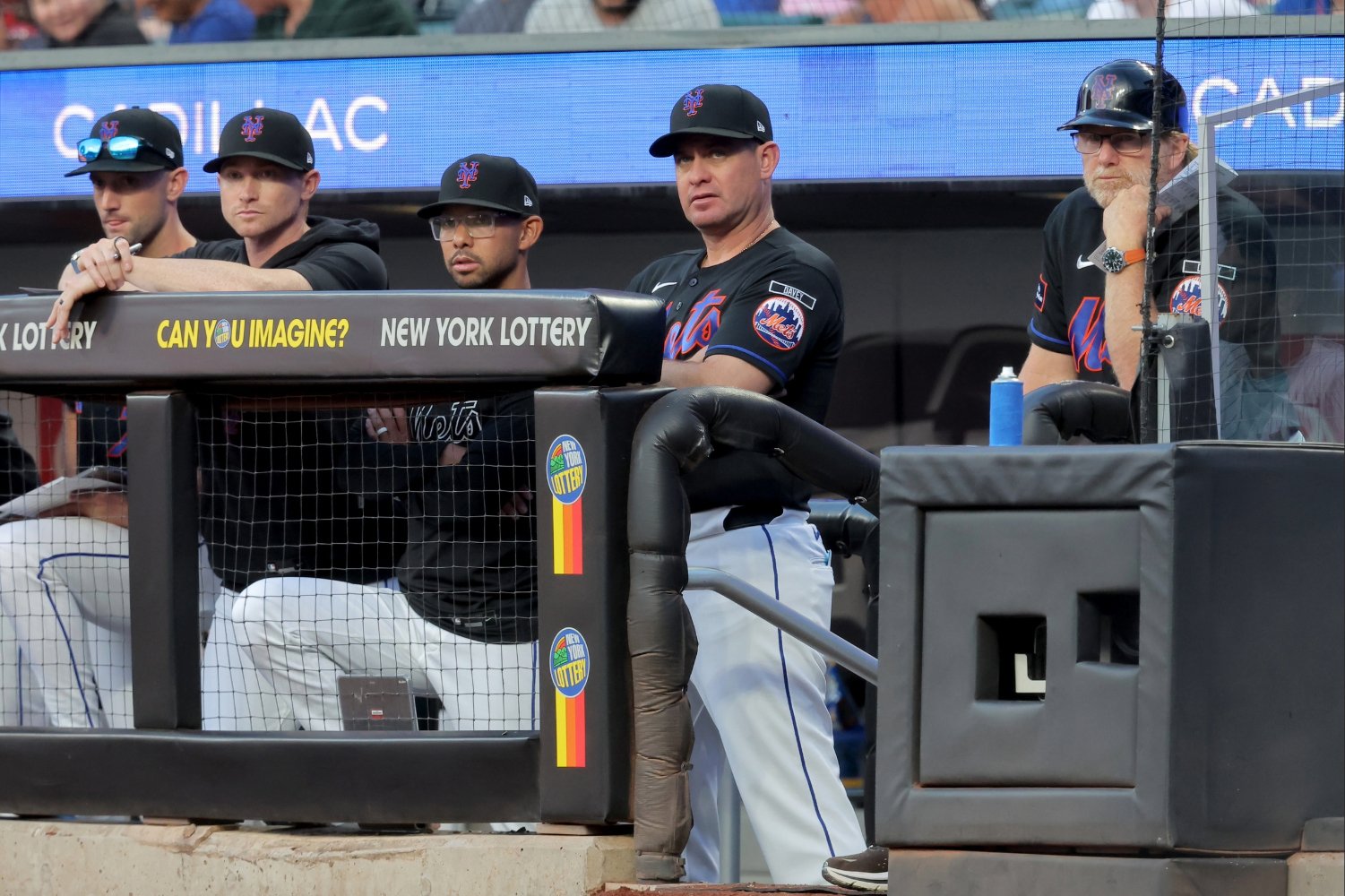 Fresh off of the firing of former manager Carlos Mendoza, it’s no secret that the New York Mets have underperformed in the first half of the 2026 season. This is a group that locked down Fransisco Lindor a few years ago and recently acquired big-ticket talents like Juan Soto and Bo Bichette. Nolan McLean, one of the top pitching prospects in the sport, is a staple in their rotation and A.J. Ewing got the early call to give this group a shot in the arm. Despite that laundry list of seemingly positive occurrences, New York is 34-48 and dead last in the National League East. Here are three players who need to step it up in the Big Apple with Andy Green now stepping in to take Mendoza's place. Bo Bichette Bo Bichette is front and center on this list. Any time a player signs a contract (three years, $126 million) worth over $40 million year over year, subpar results will be met with scrutiny. Bichette had hit north of .300 in four of his first seven MLB seasons, yet right now he’s sporting a .254 batting average with an on-base percentage at just .299. While the shortstop has left much to be desired so far this season, he is running into a decent amount of bad luck. Baseball Savant has his expected batting average slotted at .285, a whole 29 points higher than his actual value. Above-average marks in average exit velocity (73rd percentile), hard-hit percentage (69th percentile) and squared-up percentage (72nd percentile) all imply that he is making quality contact despite a lackluster bat speed. The defense has also been a struggle point for Bichette so far. His -1 outs above average rating slots him in the 34th percentile, with an arm strength value also dropping below the league mean. Bichette has been much better in June, but that doesn’t cut it considering his contract and the Mets’ expectations entering this season. Freddy Peralta New York cashed out in the trade market to land Freddy Peralta, and the hope was that he could bolster the front of the rotation with a veteran presence to supplement a rather green Nolan McLean. Unfortunately for New York, Peralta is having one of his worst seasons to date. The 30-year-old right-handed pitcher holds a 5-6 record with a 4.53 earned run average over 17 starts. Peralta is a unique case-study, as he’s always been heavily reliant on the fastball. The former Brewer technically possesses five different pitches, but he relies on his four-seamer a whopping 53% of the time. This year, his primary offering is being met with a .242 batting average against, up from a .209 mark in 2025. Outside of his ability to limit opposing hitters’ barrel percentage to just 5.1% (82nd percentile) this year, all of his other marks have hung around the average line. This performance has been a stark contrast from someone who was 17-6 with a 2.70 earned run average just a year ago. Marcus Semien Marcus Semien rounds out the list, and he just simply needs to hit the ball more often this year. No, this isn’t prime Marcus Semien anymore, but a .214 batting average and another on-base mark below .300 isn’t acceptable. Semien is 35 years old, and he’s climbing uphill when you consider that his bat speed is in the 9th percentile this year at just 68.7 miles per hour. With that being said, the 7.2 percent walk rate for someone who has taken close to 7,000 career at-bats needs to be better. The Mets have had a lot of roster turnover in the last handful of years, but a veteran who leads by example could patch up some of those continuity issues. Semien has the pedigree to supply this group with just that, but the approach needs to be better.
-
- 1
-

-
- bo bichette
- marcus semien
- (and 1 more)
